
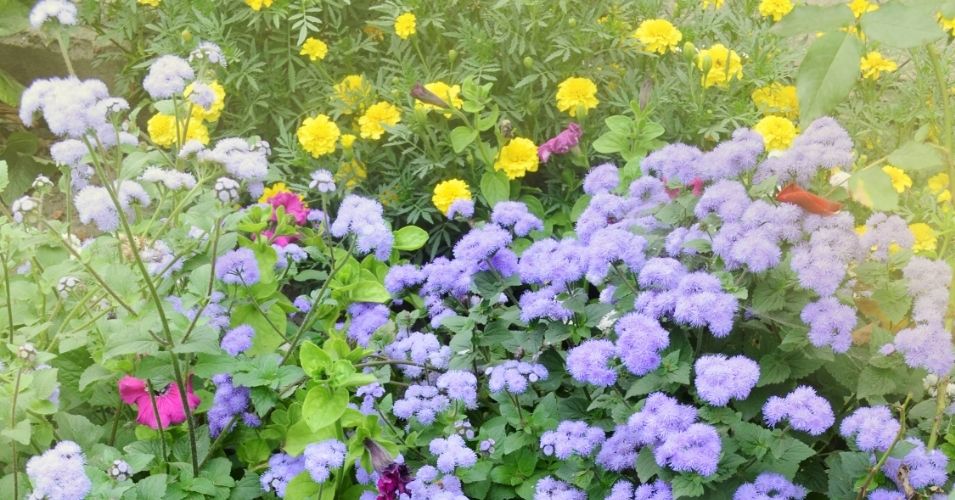
The arrival of fall does not mean the end of flower gardens. While many plants finish their blooming season as cooler weather settles in, others are just beginning to thrive.
Planting the right flowers in fall allows you to enjoy bursts of color even as the days grow shorter and the air turns crisp.
Cold-hardy flowers bring warmth and brightness when most of the garden has started to fade. With careful selection, you can create a landscape that continues to impress, filling your yard with texture, charm, and resilience throughout the colder months.
Here are some of the best flowers you can plant in fall if you want reliable blooms that stand strong against chilly weather.
Pansies
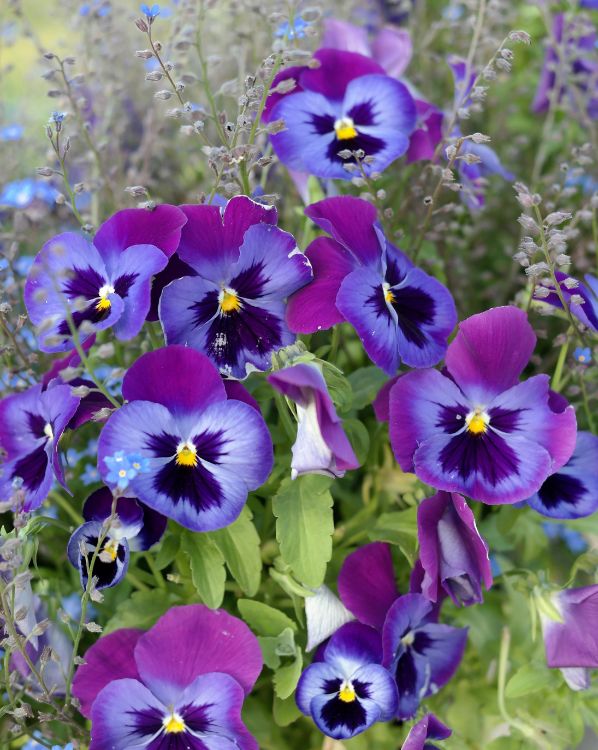
Pansies are among the most popular flowers to plant in fall because of their ability to handle cool temperatures with ease. Their cheerful faces and wide range of colors make them stand out in any garden, from deep purples and blues to bright yellows and oranges.
Unlike many flowers that wither as the season shifts, pansies often thrive when the air turns crisp, giving your garden an extra season of beauty.
One of the best things about pansies is their resilience. These flowers can withstand frost and even bounce back after a light freeze.
This durability makes them a reliable choice for gardeners who want consistent color throughout fall. In regions with mild winters, pansies can even continue blooming into spring, providing months of enjoyment from a single planting.
Pansies prefer cool conditions but still need plenty of sunlight to flourish. A location that receives at least six hours of sun daily is ideal. However, in regions where fall afternoons remain warm, partial shade helps protect the flowers from heat stress.
They also grow best in soil that drains well while holding enough moisture to stay slightly damp. Adding compost before planting improves both the drainage and nutrient supply, ensuring healthier plants.
When planting pansies, spacing is important. Place each plant about six to eight inches apart so they have room to spread. This spacing prevents overcrowding, which can lead to disease, while also allowing the blooms to form a carpet of vibrant color.
Regular watering helps them establish strong roots, but avoid soaking the soil as this can lead to rot.
Deadheading spent blooms encourages continuous flowering. By removing faded blossoms, the plant redirects its energy toward producing new buds rather than forming seeds. This simple habit can extend the life of your pansies and keep them bright all season.
Pansies are perfect for flower beds, borders, and containers. Their versatility makes them easy to work into any garden design. Whether you want a solid patch of one color or a playful mix of several, pansies bring life to fall gardens when most other plants are fading away.
Violas
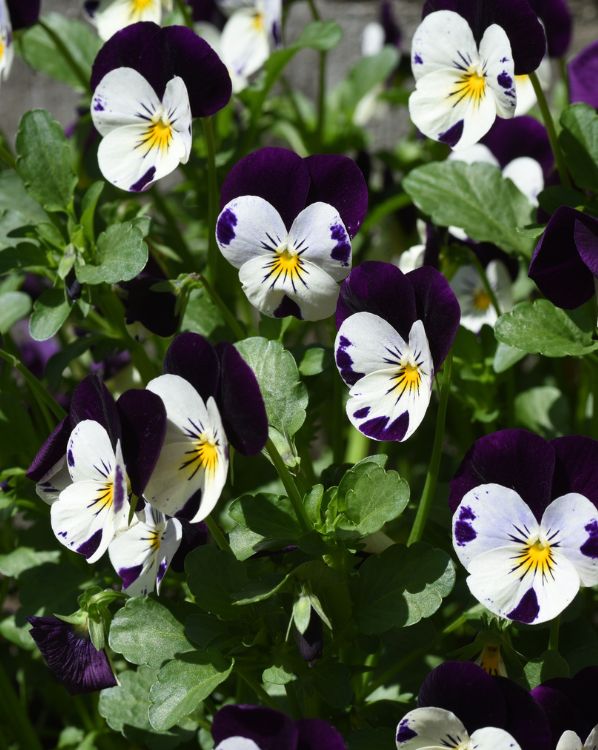
Violas are close relatives of pansies, but they offer their own unique charm and advantages for fall planting.
Known for their smaller, delicate blooms, violas often appear in soft purples, blues, and yellows, creating a garden display that feels graceful and timeless. These flowers are cold tolerant, making them an excellent choice for adding beauty when temperatures begin to drop.
What makes violas stand out is their incredible endurance. They can handle frosty nights better than many other flowers and continue blooming in conditions that would stop less hardy plants.
In some areas with mild winters, violas survive all season long and return with fresh energy in early spring. Their long-lasting nature ensures that your garden does not lose its color during colder months.
Violas thrive in sunny locations, but like pansies, they also benefit from partial shade in areas where the afternoons stay warm.
Well-drained soil rich in organic matter gives them the best foundation for strong growth. Preparing the soil with compost or peat moss helps retain the right balance of moisture while keeping excess water from pooling around the roots.
Planting violas requires careful spacing to let them fill out gracefully. Place them about six inches apart to create a dense, colorful display without overcrowding.
Water them regularly after planting to help roots establish, but always aim for moist, not soggy soil. Overwatering is one of the few problems violas face, so moderation is key.
Deadheading is just as important for violas as it is for pansies. Removing faded flowers encourages the plant to produce new blooms continuously. With this small step, your violas will stay colorful and fresh well beyond the first frosts of fall.
Violas also adapt beautifully to containers and hanging baskets. Their smaller blooms create a delicate cascade of color when planted in pots, and they pair well with other fall flowers for mixed displays.
Whether in a garden bed or on a patio, violas bring subtle beauty and resilience, ensuring your outdoor spaces remain lively through the chill of fall and into the start of winter.
Calendula
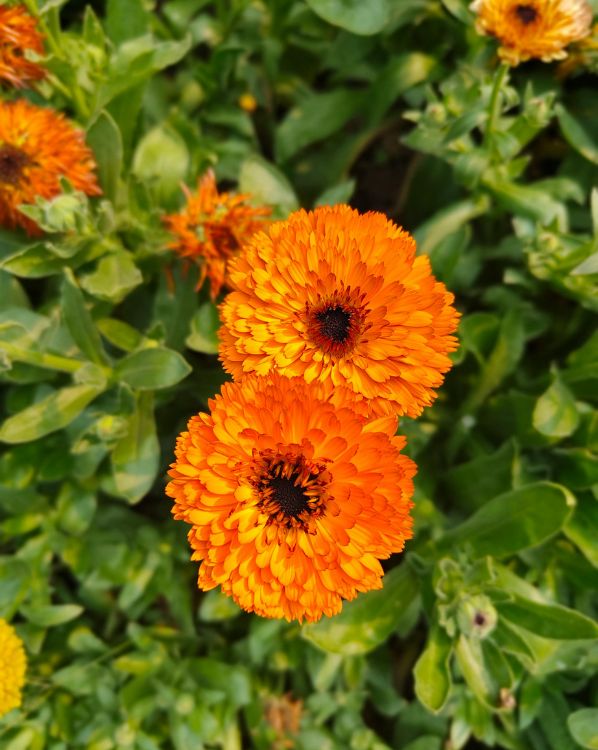
Calendula, often called pot marigold, is a fall favorite that offers both beauty and usefulness in the garden.
Known for its bright orange and yellow flowers, calendula brings a golden glow to fall landscapes when many other plants have finished blooming. Its blooms are cheerful, resilient, and long lasting, making it a perfect addition for gardeners who want color well into the colder months.
One of the strongest qualities of calendula is its cold tolerance. While it cannot withstand deep freezes, it thrives in cool temperatures that would end the season for more delicate flowers.
This ability makes it an excellent choice for fall planting, as it continues to bloom even after the first light frosts. With a little protection, it may survive through mild winters, giving you an even longer season of enjoyment.
Calendula grows well in full sun but can also tolerate partial shade, especially in regions where fall afternoons remain warm. It prefers soil that is well drained yet rich in organic matter.
Adding compost before planting helps create the right environment, improving both fertility and drainage. The plant is not overly demanding, making it suitable for gardeners of all experience levels.
When planting calendula, space each plant about eight to ten inches apart. This spacing allows enough airflow between plants, reducing the risk of mildew or disease.
Water regularly, keeping the soil evenly moist but never soggy. Calendula does not like dry soil for extended periods, but it also cannot handle roots that sit in standing water. Finding this balance ensures strong growth and steady blooms.
Deadheading faded flowers keeps calendula blooming for longer. By removing old blossoms, you prevent the plant from putting energy into seed production, allowing it to focus on new blooms instead. This practice encourages a continuous show of color throughout fall.
Beyond its beauty, calendula has been valued for centuries for its medicinal and culinary uses. The petals are edible and can be added to salads, soups, or teas, giving them both color and a mild flavor. Their versatility makes calendula not only a stunning garden flower but also a useful one.
Calendula’s sunny blooms brighten cool-season gardens, providing warmth and charm as days grow shorter. Easy to grow, long blooming, and full of character, it is a flower that bridges the seasons with beauty and strength.
Chrysanthemums
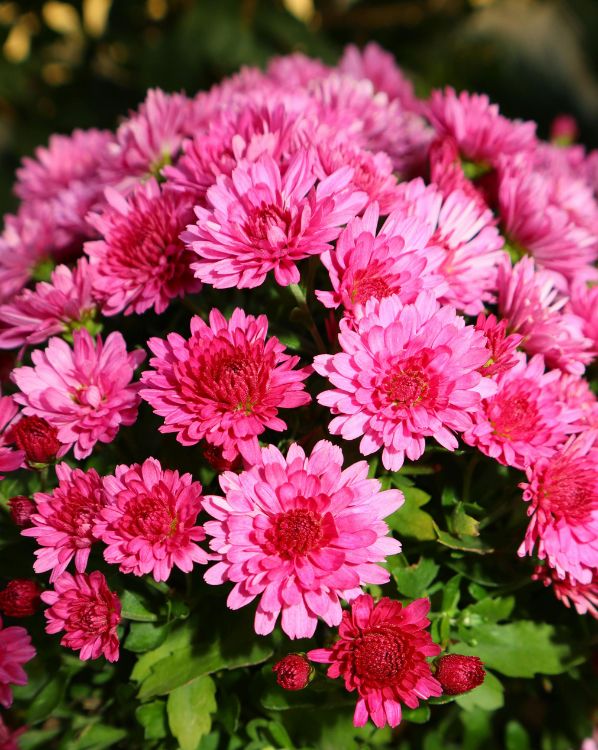
Chrysanthemums, often simply called mums, are perhaps the most iconic fall flowers. Their bold, colorful blooms have become a symbol of fall gardens, filling yards, porches, and patios with shades of red, orange, yellow, pink, and even deep purple.
Few flowers offer such a wide variety of colors and forms, which makes chrysanthemums one of the most versatile choices for fall planting.
Mums are especially well known for their ability to bloom in cool weather. Unlike many flowers that wither once summer heat fades, chrysanthemums thrive in the crisp air of fall.
With the right care, their blooms can last until frost becomes too heavy. Their resilience and vibrant appearance make them a must-have for anyone looking to keep a garden lively through fall.
Planting mums requires thoughtful preparation. They prefer full sun, with at least six hours of direct light each day. Without enough sun, mums may become leggy and produce fewer flowers.
They also need soil that drains well, as wet roots can quickly lead to rot. Adding compost or organic matter to the soil before planting improves both drainage and fertility, helping mums establish strong roots.
When spacing mums, leave about eighteen inches between plants. This allows them to spread into a rounded, bushy shape. Mums thrive when they have room for air circulation, which reduces the chance of mildew or disease.
Water them regularly, keeping the soil consistently moist but not saturated. Mums are heavy feeders, so adding a balanced fertilizer every couple of weeks during their blooming season helps maintain bright, healthy flowers.
Deadheading is essential for mums. By removing faded flowers, you encourage the plant to produce new buds and extend its bloom time. Without deadheading, mums quickly put energy into seed production, shortening the flowering period.
A little attention with pruning shears can keep the plant looking vibrant for weeks longer.
Mums are also excellent in containers, where their rounded shape and abundant blooms create stunning displays. They can be placed along pathways, on porches, or in garden beds, adding bursts of color wherever they are needed most.
With such variety in bloom shapes and colors, there is a chrysanthemum to suit every garden style.
Chrysanthemums are not just flowers; they are symbols of fall itself. Their bright colors, resilience in cool weather, and ease of care make them one of the best flowers to plant in fall for long-lasting seasonal beauty.
Hellebores
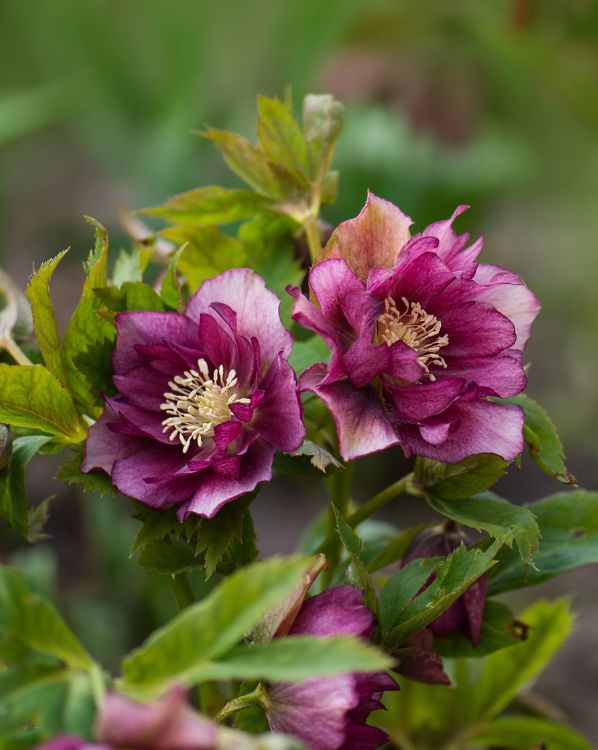
Hellebores, often called Lenten roses, are one of the most unique flowers you can plant in fall if you want blooms that defy the cold. Unlike many flowers that retreat at the first sign of frost, hellebores come alive when other plants fade.
Their blooms often appear in late winter or early spring, sometimes pushing through snow to reveal elegant petals in shades of white, pink, purple, or green. By planting hellebores in fall, you give them the time they need to establish strong roots before cold weather arrives, setting the stage for an extraordinary display when little else is flowering.
One of the most remarkable qualities of hellebores is their toughness. These plants are evergreen in many regions, keeping their foliage year-round.
This means that even when flowers are not present, hellebores provide structure and greenery in the garden, making them valuable through every season. Their leathery leaves resist cold and provide protection to the crown of the plant, helping it survive harsh winters.
Hellebores thrive in partially shaded locations. Under trees or near shrubs, they find the dappled light and shelter they prefer. While they can handle some sun, too much exposure, especially in hot climates, may stress the plant.
Fall planting allows you to position them thoughtfully, choosing a location where they will have both shade in summer and enough light in winter to encourage early blooming.
Soil preparation is key for hellebores. They need rich, well-drained soil with plenty of organic matter. Mixing compost into the soil before planting ensures they receive the nutrients needed for long-term health.
Hellebores are long-lived perennials, so giving them the right start in fall means you can enjoy their flowers for many years with little maintenance.
Watering is important during their first season. Keeping the soil consistently moist but not waterlogged helps the roots grow strong before the ground freezes.
Once established, hellebores are relatively drought tolerant and require little care. Their ability to thrive with minimal attention makes them a reliable choice for gardeners who want beauty without constant upkeep.
Another reason gardeners love hellebores is their long bloom time. Unlike many flowers that only last a few weeks, hellebore blossoms can remain fresh for several months.
Their often downward-facing flowers often hold their shape even as they fade, adding interest to the garden well into spring. This longevity makes them stand out as one of the best cold-weather flowers available.
By planting hellebores in fall, you invest in a plant that rewards you with both resilience and beauty. Few flowers can brighten the late winter landscape like these quiet but stunning blooms. They transform garden beds into places of hope and renewal, even in the coldest part of the year.
Final Thoughts
Planting flowers in fall is one of the best ways to extend color and life in your garden.
Choices like pansies, violas, calendula, chrysanthemums, and hellebores bring brightness when most other plants have gone dormant.
Each one thrives in cooler weather, offering beauty and resilience that carry your garden into the colder months.
By preparing soil, choosing sunny or sheltered spots, and giving each plant proper care, you can enjoy blooms that last well beyond summer. Fall planting ensures that your garden remains alive with color, texture, and charm, even as the days grow shorter and colder.