
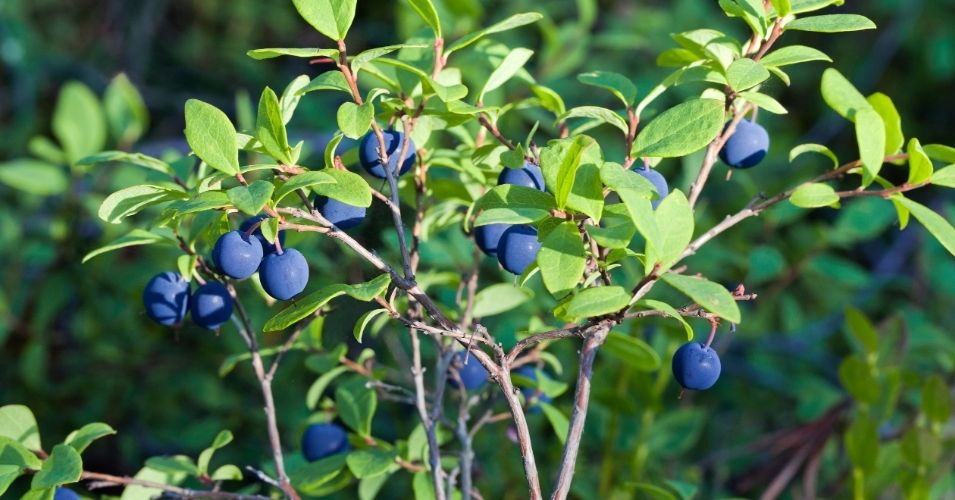
Blueberry plants may be finished producing fruit by the time fall arrives, but this season is far from idle for gardeners who want to keep their shrubs thriving.
The cooler months provide a chance to strengthen the roots, shape the plant, and protect it from the challenges of winter ahead.
By focusing on soil health, pruning, watering, and defense against cold, you prepare your blueberries for another season of abundant harvests.
Fall is not only about winding down but also about setting the stage for growth, ensuring that your plants remain strong and productive year after year.
Moisture Management as Days Grow Cooler
Blueberries are shallow rooted plants, which makes them highly dependent on consistent soil moisture throughout the year. Even though fall brings cooler air and slower growth, water remains an essential part of their health.
Many gardeners assume the need for water disappears once the harvest is complete, but neglecting hydration in fall can leave the shrubs stressed as they prepare for dormancy.
During the hot months of summer, water evaporates quickly, and frequent watering is usually needed. By contrast, the lower temperatures and shorter days of fall mean that moisture lingers longer in the soil.
This seasonal change requires you to shift your watering habits. Instead of frequent light watering, blueberries benefit more from deep, occasional soaking that encourages roots to reach deeper into the soil. This deeper root system helps them withstand sudden temperature swings once winter sets in.
A good rule of thumb is to continue watering until the ground freezes. In areas with dry autumns, supplemental water is especially important. Without it, roots may dry out, leaving the plant more vulnerable to winter injury. A final deep watering before the first hard frost provides the moisture needed to sustain the plant through dormancy.
Mulching plays a key role in managing moisture during this time. A thick layer of pine needles, shredded leaves, or wood chips around the base of the shrub helps retain water, reduces evaporation, and insulates the soil against temperature extremes. Mulch also prevents weeds from stealing moisture and nutrients, which is critical when the plant is storing its last reserves of energy.
It is also wise to avoid overwatering. Blueberries dislike soggy soil, and excess water in fall can lead to root rot or fungal problems. Always check soil conditions before watering by pressing your finger a few inches into the ground. If it feels damp, wait before adding more.
By paying attention to moisture management in fall, you give your blueberry plants the best chance of surviving winter with healthy roots. Balanced hydration ensures they emerge in spring ready to produce fresh leaves, flowers, and eventually another crop of berries.
Branch and Cane Care After Fruit Season
When the last berries have been picked, blueberry shrubs begin to shift their focus away from fruiting and toward rest. This makes fall an ideal time to examine the branches and canes closely, addressing issues that could weaken the plant in the future.
By taking care of structure now, you help the shrub conserve energy and prepare for the growth that will come once the weather warms again.
The first step in fall branch care is removing dead or damaged canes. These not only sap energy from the plant but also function as entry points for pests and disease. Using sharp, clean pruners, cut these canes back to the ground. This simple task immediately improves air circulation within the shrub and reduces the risk of fungal infections that thrive in damp fall conditions.
Next, evaluate the shape of the plant. A healthy blueberry shrub should have an open, vase-like structure that allows light to reach all parts of the plant. If you notice branches crossing or rubbing against one another, thin them out to prevent wounds and improve spacing. This open shape also ensures that when spring returns, blossoms receive plenty of sunlight, which directly improves fruit quality.
It is also important to identify old, unproductive canes. Blueberry canes produce well for about six years before yields decline. Removing one or two of the oldest canes each fall encourages new growth from the base, balancing productivity across the plant. By rotating out older canes over time, you create a steady supply of younger, vigorous canes that will bear more fruit.
Suckers or weak shoots that sprout from the base should also be removed. These often drain resources without contributing much to the plant’s overall strength. Clearing them out keeps energy directed toward healthier, more productive branches.
While heavy pruning should be reserved for late winter or early spring when the plant is fully dormant, the selective branch and cane care done in fall is about maintaining health.
By removing what is weak or damaged, you prepare your blueberry shrubs to rest through winter and return stronger in the next growing season.
Improving the Ground for Stronger Roots
Blueberry plants depend heavily on the condition of the soil, and fall is the perfect time to refresh and improve it. The harvest may be finished, but the roots remain active well into the cooler months, storing nutrients and preparing the plant for dormancy. Giving attention to the ground now ensures stronger roots and healthier growth when spring returns.
The first step is to check the soil’s acidity. Blueberries thrive in acidic soil with a pH between 4.5 and 5.5. If the soil is too neutral or alkaline, the plant struggles to take in nutrients, leading to weak growth and poor fruiting.
Testing kits are widely available and easy to use. If the pH is too high, elemental sulfur can be added to gradually lower it. Making adjustments in fall gives the soil time to react before the growing season begins.
Adding organic matter is equally important. Materials such as pine needles, peat moss, or composted leaves enrich the soil and improve its structure. Organic matter encourages good drainage while still holding enough moisture for shallow blueberry roots.
It also supports beneficial microbes that contribute to nutrient availability. Spreading a layer of compost around the base of each shrub in fall is a simple but powerful step toward healthier soil.
Mulching continues to play a role in soil improvement. A thick layer of mulch not only conserves moisture but also slowly breaks down into the soil, adding nutrients over time.
Pine bark or wood chips are excellent choices because they decompose slowly while maintaining acidity. Spread mulch in a wide circle around the shrub, keeping a few inches of space around the crown to prevent rot.
Avoid applying heavy nitrogen fertilizers in fall. While blueberries need feeding during the growing season, supplying nitrogen late in the year can stimulate new growth that will not have time to harden before frost. Instead, focus on organic amendments and soil balancing, leaving stronger feeding for spring.
By tending to the ground in fall, you create an environment where blueberry roots remain active, supported, and protected. This foundation is what allows the shrubs to survive winter and burst back into productive growth when the warmth of spring arrives.
Safeguards Against Pests and Plant Illness
Fall is a crucial time to guard blueberry plants against pests and disease. Many insects and fungal organisms attempt to overwinter in leaf litter, soil, or bark, waiting to return stronger in the next season.
By taking preventive measures in fall, you can break their cycle and protect your plants from recurring problems.
One of the most effective steps is cleaning up fallen leaves and fruit around the base of the plants. These materials often harbor insects like maggots or beetles and fungal spores such as those that cause mummy berry disease.
Leaving debris in place provides shelter for pests, so removing it promptly lowers the chance of reinfestation. Dispose of waste rather than composting it, since compost piles can preserve the same pathogens you are trying to eliminate.
Inspecting canes and branches for damage is also important. Cracks, wounds, or weak growth provide entry points for disease. Pruning out diseased wood and disposing of it reduces the risk of fungal infections spreading through the shrub. Keep cuts clean and precise with sterilized tools to avoid introducing new problems.
In some cases, applying dormant sprays in late fall after leaf drop can provide added protection. A horticultural oil spray suffocates overwintering insects, while copper-based sprays can suppress fungal spores. Always follow product directions carefully to avoid harming the plant. These treatments create a protective layer that reduces pest and disease survival through the cold season.
Rodents can also pose a threat in fall and winter. Mice, voles, and rabbits may gnaw on blueberry stems or roots when other food sources are scarce. To prevent this, keep grass trimmed short around the base of the shrubs and consider using protective trunk guards or wire mesh barriers.
By combining clean-up, inspection, selective pruning, and protective sprays or barriers, you give your blueberries the best defense against pests and disease. Taking these actions in fall reduces the problems your plants face in spring, allowing them to start the season healthier and ready for robust growth.
Readiness of Blueberries for Harsh Winter Weather
As the final weeks of fall arrive, blueberry shrubs must be prepared to endure the challenges of harsh winter weather. Cold temperatures, heavy snow, and strong winds can all affect the health of the plant if protective steps are not taken. Preparing blueberries for these conditions ensures they can rest safely through dormancy and return strong in spring.
One of the most effective ways to shield blueberries is through mulching. A thick layer of mulch around the base of the plant insulates the shallow root system, which is especially vulnerable to freezing.
Pine needles, shredded leaves, or wood chips create a protective barrier that regulates soil temperature. This insulation prevents sudden freeze-thaw cycles from damaging roots and keeps moisture in the ground where it is needed most.
Snow itself can function as insulation, but the weight of heavy snow can also damage branches. Gently tying branches together in loose bundles can prevent them from splitting under snow or ice.
Avoid tying them too tightly, as airflow is still important to reduce the risk of disease. In regions where ice storms are common, consider using protective netting or frames to help support the branches and minimize breakage.
Wind is another concern during winter. Dry, cold winds can cause desiccation, which leaves the branches brittle and weak. Planting blueberries near a natural windbreak such as a hedge or fence helps reduce exposure. For younger shrubs, burlap wraps, or fabric covers can provide temporary protection during particularly harsh weather.
Late fall is also the time for one last deep watering before the soil freezes. Well-hydrated roots withstand winter stress better, as frozen ground can limit water availability. This final soak, combined with mulch insulation, provides the foundation your plants need to endure the cold months ahead.
By focusing on insulation, snow management, and wind protection, you create an environment that allows blueberry plants to survive even the harshest winter. These preparations ensure that when spring returns, your shrubs emerge strong, healthy, and ready to grow once more.
Final Thoughts
Caring for blueberry plants in fall is about more than finishing the harvest. It is about laying the groundwork for their survival and success in the next growing season.
By managing moisture, tending branches, improving soil, protecting against pests, and preparing for winter, you give your blueberries every advantage to thrive.
Fall care may feel like extra effort at a time when the garden is slowing down, but the rewards are clear when spring arrives.
Healthy plants respond with stronger growth, brighter foliage, and more abundant fruit. With attention and care now, your blueberry shrubs will continue to provide beauty and harvests year after year.