
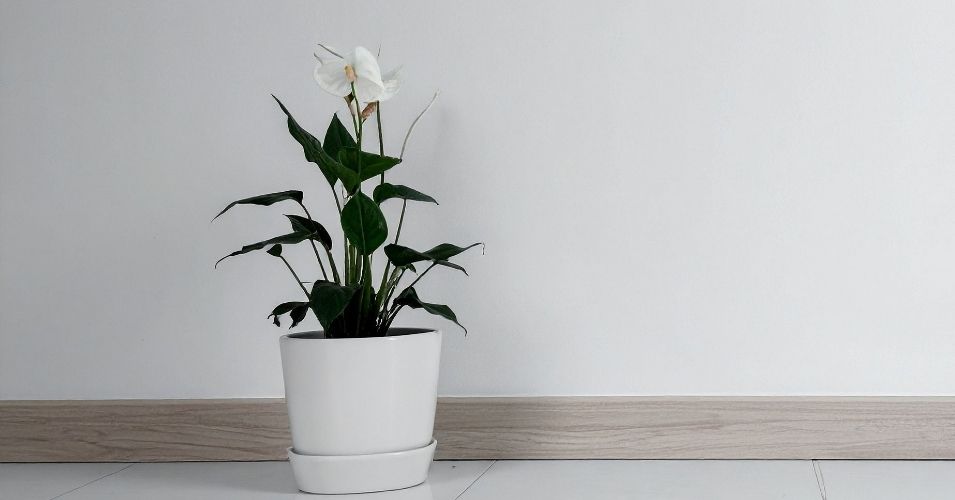
As summer draws to a close, the peace lily begins to adjust to shorter days and cooler temperatures. This shift is a crucial time for the plant, as it prepares to conserve energy and settle into a slower rhythm.
Fall care plays a major role in keeping your peace lily healthy through the season, ensuring it can continue to bring beauty and calm to your home.
By focusing on its needs during this period, you help the plant transition smoothly and avoid common problems that come with the change in weather.
With the right steps, your peace lily will thrive well into the colder months.
The Right Balance of Water and Light
Peace lilies are often praised for their resilience, but in fall they require special attention when it comes to water and light.
As the days shorten and the air cools, these two elements become critical for maintaining steady health and preventing stress. A peace lily that receives the correct balance will not only remain green but will also conserve enough strength to face the coming winter.
Water is one of the most common areas where care goes wrong. During the warm months, the soil may dry out more quickly, and frequent watering is necessary. In fall, however, the cooler air and lower light levels slow the plant’s growth.
This means the peace lily will not consume water as quickly. If you continue to water on the same summer schedule, the soil may remain soggy, which can lead to root rot. Instead, check the soil regularly by pressing a finger about an inch deep. If the surface feels dry at that depth, it is time to water. If it still feels damp, wait another day or two before giving more moisture.
When watering, use room temperature water and pour slowly until liquid drains out of the bottom of the pot. This ensures the roots receive an even drink without leaving excess water trapped at the bottom. Always empty the saucer beneath the pot so the plant does not sit in standing water.
Light is equally important during fall. As daylight decreases, peace lilies may struggle to capture enough energy for healthy growth. Place your plant in a bright spot with indirect sunlight, such as near an east or north facing window.
Too much direct sun can scorch the leaves, while too little light can cause yellowing and weak stems. If natural light is limited, especially as winter approaches, consider supplementing with a grow light for a few hours a day.
Peace lilies naturally slow their pace in fall, but that does not mean they should be neglected. By carefully balancing water and light, you allow the plant to maintain strength without being overstimulated. This balance is the key to steady health as it prepares for the quieter months ahead.
Nutrients That Strengthen Before Winter
Fall is not a time for rapid growth, yet it is still an important season for feeding peace lilies. Just as people benefit from nourishing food before a long rest, plants also benefit from the right nutrients before entering dormancy.
Providing your peace lily with gentle nutrition in fall helps it build reserves that support its root system and prepare it for healthier growth when spring arrives.
The type of fertilizer you choose matters greatly. A balanced formula that contains equal parts nitrogen, phosphorus, and potassium is often recommended during the active growing season. In fall, however, the peace lily needs a lighter touch.
Too much nitrogen can force leafy growth that will be vulnerable to the cooler environment and reduced light. Instead, a diluted fertilizer with slightly higher phosphorus and potassium is more beneficial. These nutrients encourage root strength and overall resilience.
Liquid fertilizers are often best for peace lilies because they deliver nutrients evenly through the soil. Apply at half strength every six to eight weeks during the early part of fall, and gradually reduce as the plant moves closer to winter dormancy.
Overfeeding is a common mistake, and one that can leave salts building up in the soil, causing leaf tips to brown. Always water the plant lightly before applying fertilizer to help prevent this problem.
Organic options, such as compost tea or a small amount of worm castings, can also provide a slow and steady source of nutrition. These natural amendments enrich the soil while also encouraging microbial activity that benefits root health. Unlike synthetic fertilizers, organic additions release nutrients more gently, making them ideal for this transitional time of year.
By mid to late fall, it is wise to stop fertilizing altogether. The peace lily will soon rest, and it does not need extra nutrients when growth has slowed. Feeding too late can cause stress and disrupt its natural rhythm.
The goal of fall feeding is not to push your peace lily to grow, but to strengthen its foundation. With the right nutrients at the right time, the plant enters winter steady and well supported, ready to greet spring with fresh, vibrant growth.
Soil Refresh and Pot Maintenance
Peace lilies are known for being forgiving, but their health is tied closely to the quality of the soil they live in.
Fall is an excellent time to give attention to the soil, since the plant is shifting into a slower pace and will benefit from a foundation that is stable, rich, and free of buildup. A refresh does not always mean a complete repotting, but even small steps can make a big difference for the months ahead.
Over time, salts from fertilizers and minerals from water can accumulate in the soil. This buildup can cause brown leaf tips, poor water absorption, and weak growth. In fall, before the peace lily enters its dormancy, it helps to flush the soil thoroughly.
Place the plant in a sink or tub, then slowly pour room temperature water through the pot until it runs clear out of the drainage holes. This rinses away excess salts and gives the roots a cleaner environment.
If your peace lily has been in the same soil for over a year, consider replacing the top layer. Remove the upper two inches of soil carefully, taking care not to damage roots, and then add fresh potting mix rich in organic matter. This method renews nutrients without disturbing the plant too much.
For plants that are root bound, meaning the roots are circling tightly within the pot, fall can also be a good time for a full repot.
Choose a container one to two inches larger in diameter, and use a well draining potting mix that holds moisture while still allowing air circulation. A blend containing peat moss, perlite, and compost works well. Repotting not only gives the roots space to grow but also ensures that the soil remains loose and able to provide proper drainage.
Do not overlook the pot itself during fall maintenance. Check for cracks, clogged drainage holes, or signs of mineral deposits along the rim. Clean the pot thoroughly if you plan to reuse it, or replace it with a fresh container if it shows too much wear. A strong, clean pot is just as important as the soil it holds.
By refreshing the soil and ensuring the pot is in good condition, you create the stable environment that peace lilies need during their slower months. This preparation allows the plant to conserve energy and remain healthy until its growth cycle begins again in spring.
Protection from Cold Air and Temperature Drops
Peace lilies thrive in stable, warm conditions, which is why they make such popular houseplants. However, as fall progresses and outdoor temperatures begin to drop, even indoor plants can be affected.
Drafts from windows, sudden chills, or inconsistent heating in the home can all create stress for peace lilies. Protecting them from these temperature swings is essential for their comfort and survival.
One of the first steps is choosing the right location. As the air cools outside, windows and doors may become sources of cold drafts. Move your peace lily a few feet away from glass that lets in cold air or from doorways that are frequently opened. Even a brief gust of cold air can cause leaves to wilt or develop brown patches.
Indoor heating can also pose challenges. Radiators, vents, and space heaters create dry, hot air that peace lilies dislike. Position the plant where it is safe from both extremes, avoiding spots that are too chilly or too warm.
A stable temperature between 65- and 75-degrees Fahrenheit is best. Try to keep night temperatures from dropping much below 60, as cooler conditions can slow the plant too much or even damage its leaves.
Humidity is another factor tied closely to temperature. In fall, when heating systems begin to run, indoor air often becomes dry. Peace lilies prefer humidity around 50 percent, so consider using a humidifier or placing the plant on a tray filled with water and pebbles. This creates a gentle rise in moisture around the plant and helps prevent leaf tips from drying out.
If your home experiences wide temperature shifts, monitor the plant carefully. Curling leaves, drooping stems, or yellowing tips may indicate stress from cold air or sudden changes. Adjust the plant’s position until it is safe from these fluctuations.
Protecting peace lilies from cold air is about creating a steady environment where they can rest without disruption. When temperatures remain stable and humidity is maintained, the plant enters the winter months with strength and vitality, ready to reward your care with fresh growth in the spring season.
When to Repot or Divide for Healthier Plants
Peace lilies are relatively slow growers, but over time they will eventually fill their pots and become crowded.
Fall can be a good season to evaluate whether your plant needs more room or should be divided to create new plants. Because growth naturally slows during this time, the plant experiences less stress when handled carefully.
Signs that a peace lily may need repotting include roots circling the bottom of the pot, water running straight through without being absorbed, or leaves wilting soon after watering. These are signals that the plant has outgrown its current container and needs more space to thrive.
When choosing a new pot, select one that is only slightly larger than the current container. An increase of one to two inches in diameter is enough. A pot that is too large can hold excess water and lead to root problems.
Use a fresh potting mix that drains well while still retaining moisture. A blend with peat moss, perlite, and compost is often ideal for peace lilies.
Repotting should be done gently. Loosen the root ball carefully and trim away any dead or mushy roots. Place the plant in the new pot at the same depth it was growing before, then fill around the sides with soil. Water thoroughly to settle the roots and remove air pockets.
Division is another option if your plant has formed multiple crowns or looks overcrowded. To divide, remove the plant from its pot and separate clumps of roots and leaves by hand or with a clean knife or saw.
Each division should have a strong root system and several healthy leaves. These divisions can then be potted up with fresh soil, creating new plants to enjoy or share.
Fall divisions and repotting allow the peace lily to rest in new soil over winter, preparing it for active growth in spring. By giving your plant fresh space and healthy roots, you encourage stronger blooms and foliage for years ahead.
Final Thoughts
Fall is often thought of as a season of rest, yet for peace lilies it is also a time of preparation.
With the right balance of water and light, careful feeding, refreshed soil, protection from drafts, and thoughtful repotting when needed, your plant will enter the colder months with strength.
Every step you take in fall creates a foundation that allows the peace lily to thrive when spring returns. By paying attention to its quiet needs now, you ensure that its future growth will be full of life and beauty.
A peace lily cared for in autumn will reward your effort with resilience, steady health, and fresh blossoms that brighten your home season after season.