
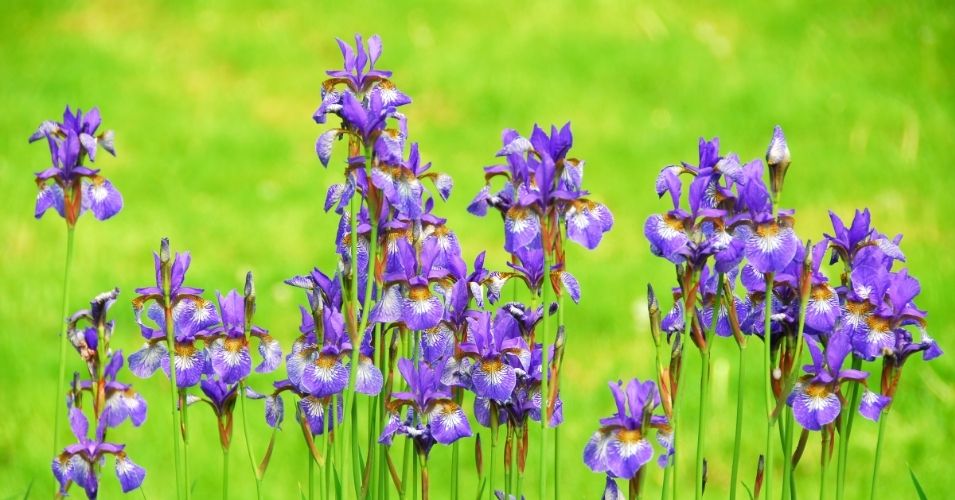
Irises are some of the most stunning flowers in the garden, with their sword-like leaves and intricate blooms that appear in a rainbow of colors.
While their flowers may only last for a fleeting time each year, the plants themselves bring structure and texture to garden beds long after the blossoms fade.
To keep irises healthy and ensure strong blooms for the following season, knowing when and how to cut them back is essential.
Proper timing makes a significant difference in preventing disease, promoting root growth, and preparing your garden for the next wave of vibrant iris flowers.
After the Blooms Fade
Irises are at their most breathtaking when their blooms open in late spring or early summer, creating waves of color that brighten the garden. But as with many perennials, those spectacular flowers are fleeting, and the plants soon shift their energy from flowering to building strength for the next season.
Once the blooms fade and the petals drop, it is important to give your irises proper attention. This stage of their growth is when they begin preparing for the future, and how you manage the plants after flowering will directly affect the quality of next year’s blooms.
The first step after the flowers fade is to remove the spent bloom stalks. These tall stems no longer serve a purpose once flowering has ended, and leaving them in place can detract from the plant’s appearance.
More importantly, if the stalks are left standing, the plant may put energy into producing seeds rather than strengthening its rhizomes. By cutting the stalks down at the base, you redirect the iris’s energy back into root development and leaf growth, which are critical for long term health.
It is equally important, however, not to cut the green leaves at this stage. The sword shaped foliage may not be as showy as the blossoms, but it plays a vital role in photosynthesis.
Through these leaves, the plant produces the energy it will store in its rhizomes for the next blooming season. Cutting them back too early weakens the plant, leaving it less vigorous and more vulnerable to disease. Allow the foliage to remain until it naturally begins to yellow later in the summer.
Deadheading and cleaning around the iris clumps after flowering also reduces the risk of pests and disease.
Old flower debris can harbor fungal spores or attract insects, both of which can harm the plant. Keeping the area tidy gives the irises the best chance to recharge and build strength.
The time after the blooms fade is not the end of the iris season but the beginning of next year’s. With proper care at this stage, your irises will have the resources they need to deliver another spectacular display when spring returns.
Late Summer Care
By late summer, irises have completed their main growing period and are starting to slow down, but this is still a crucial time for their care. The lush green leaves that stood tall after flowering may now begin to yellow or brown, signaling that the plant is ready to rest.
Late summer care involves striking the right balance between tidying up the plant and ensuring it retains the energy it needs for winter survival and future blooms.
One of the key tasks in late summer is trimming the foliage, but it must be done carefully. Unlike after flowering, when the leaves should be left alone, late summer is the right time to cut them back.
By this stage, the leaves have done most of their work storing energy, and many will begin to look tattered or diseased. Cutting the foliage back to about six inches above the ground helps tidy the plant, reduces the chance of pests, and improves air circulation around the rhizomes. Be sure to use clean, sharp shears to avoid spreading disease.
This is also the ideal time to divide and replant crowded iris clumps. Every few years, iris rhizomes multiply so much that they compete with each other for nutrients, resulting in fewer blooms.
Dividing in late summer, when the plants are semi dormant, reduces stress and gives them time to reestablish before chilly weather arrives. Lift the clumps gently, separate the rhizomes, and discard any that are old or diseased. Replant healthy rhizomes in well-drained soil, ensuring the tops are exposed to sunlight.
Weeding and mulching are also important parts of late summer care. Weeds can sap nutrients from the irises, while mulch helps moderate soil temperatures and retain moisture during dry spells. Be careful not to bury the rhizomes under heavy mulch, as this can cause rot.
Late summer care sets the stage for a healthy rest period and robust growth the following spring.
By trimming, dividing, and maintaining your iris beds during this season, you ensure that these beloved flowers continue to thrive and reward you with their unmatched beauty year after year.
Iris Care in Fall
Fall is one of the most important times to give your irises attention, as this season bridges the gap between their active summer growth and their winter dormancy.
What you do in the fall can determine how well they endure the cold months and how healthy and vibrant their blooms will be in the spring. Rather than neglecting your iris beds once the weather cools, fall should be seen as a season of preparation and protection.
The first step in fall iris care is tidying up the foliage. By now, the long, sword shaped leaves will have turned yellow or brown, signaling that the plant is entering dormancy.
At this point, you can safely cut the foliage back to about four to six inches above the ground. This helps reduce the risk of fungal diseases and pests that may overwinter in the decaying leaves. Cutting them back also makes the garden look neater and prevents mats of dead leaves from smothering the rhizomes.
Once the foliage is trimmed, focus on the soil around the irises. Removing weeds and debris is essential since both can harbor insects or disease. Keeping the beds clean ensures that the plants can rest without unnecessary competition or threats.
Adding a light layer of mulch is also beneficial, as it insulates the rhizomes during fluctuating temperatures and prevents frost heave. However, it is important not to cover the rhizomes with mulch or soil, as this can trap moisture and cause rot.
Fall is also the right time to make any final adjustments to overcrowded clumps. If you did not divide them in late summer, early fall still provides an opportunity. Giving the rhizomes enough space helps prevent competition for nutrients and ensures better flowering in the following season.
Finally, fall iris care should include one last inspection for disease or pest problems. Taking action before winter sets in allows the plants to go into dormancy in their best condition. With thoughtful preparation in fall, your irises will rest securely through the winter and return with strong, colorful blooms when spring arrives.
Diseased or Damaged Leaves
Irises are known for their hardiness, but their leaves are not immune to problems. Throughout the growing season, and especially by late summer and fall, you may notice leaves that are discolored, spotted, wilted, or broken.
These leaves are not just unsightly; they can be a source of trouble if left unaddressed. Removing diseased or damaged foliage promptly is one of the best ways to protect the health of your iris beds.
One of the most common problems affecting iris leaves is leaf spot, caused by fungal pathogens. This disease appears as brown spots with yellow halos that spread across the leaves, eventually causing them to wither.
If infected leaves are not removed, the fungus can overwinter in the debris and reappear even more aggressively the next year. Cutting off affected leaves at the base and disposing of them away from the garden is an effective way to break the cycle of infection.
Damaged leaves are also worth removing. Strong winds, heavy rain, or garden pests can tear or bend leaves, leaving them vulnerable to further disease.
While healthy leaves should be left in place until late summer, damaged ones provide little benefit to the plant and can even invite rot or insect infestations. By trimming these problem areas, you maintain airflow around the rhizomes and reduce hiding spots for pests.
When cutting away diseased or damaged foliage, it is important to use clean tools. Sterilize your shears between cuts if you are dealing with fungal issues, as pathogens can spread from one leaf to another. Always avoid leaving infected leaves on the ground as mulch or compost, since this simply recycles the problem back into the soil.
Keeping a close eye on the health of your iris leaves ensures that small problems do not escalate into larger ones. By removing diseased or damaged foliage as soon as it appears, you protect the vigor of your plants and set the stage for strong growth and beautiful blooms in the next season.
Best Time for Healthy Blooms
Irises reward careful timing when it comes to cutting them back, and knowing the best moment to act is key to ensuring they return strong and vibrant the following year.
The goal is to give the plants enough time to gather energy after blooming, while also preventing diseases and pests from lingering into the next season. Striking this balance means paying attention to the natural signals the plants provide and adjusting your care to match their growth cycle.
The first time to cut back comes right after the flowers fade in late spring or early summer. At this stage, only the bloom stalks should be removed, not the leaves.
Taking off the spent flower stalks prevents the plant from wasting energy on seed production and redirects it into strengthening the rhizomes. The leaves, however, are still vital for photosynthesis, so they must remain in place until later in the year.
The second, and most critical, time to cut back is in late summer or early fall. By this point, the leaves will often begin to yellow and flop over, showing that they have finished storing nutrients.
Cutting them down to four to six inches above the soil at this time helps reduce disease risks, tidy the garden, and prepare the plants for winter dormancy. This is also the best season to divide crowded rhizomes, since the plants are semi dormant and less likely to suffer stress from replanting.
Waiting until fall rather than cutting leaves too early makes a significant difference in next year’s blooms. If foliage is removed in midsummer, the plant loses valuable energy reserves and may produce fewer or smaller flowers the following season.
By allowing the leaves to complete their work before trimming, you give the rhizomes everything they need to fuel abundant blossoms.
The best time for cutting back irises, then, is a two-step process: remove spent bloom stalks after flowering, and trim the foliage in late summer or early fall once it begins to die back naturally.
This rhythm follows the plant’s own cycle and ensures that your irises return each year with healthy, show stopping blooms.
Final Thoughts
Cutting back irises is not simply a matter of tidying the garden, but a vital part of keeping the plants healthy and ensuring they produce vibrant blooms year after year.
Knowing when to remove bloom stalks, when to trim foliage, and when to divide rhizomes allows you to support the natural growth cycle of the plant.
By paying attention to timing and plant health, you reduce disease risks, control pests, and encourage irises to store enough energy for the following season. This thoughtful care makes the difference between weak flowering and strong, colorful displays.
With the right seasonal approach, your irises will continue to bring beauty and structure to your garden, rewarding you with reliable blooms that grow more impressive as the years go by.