
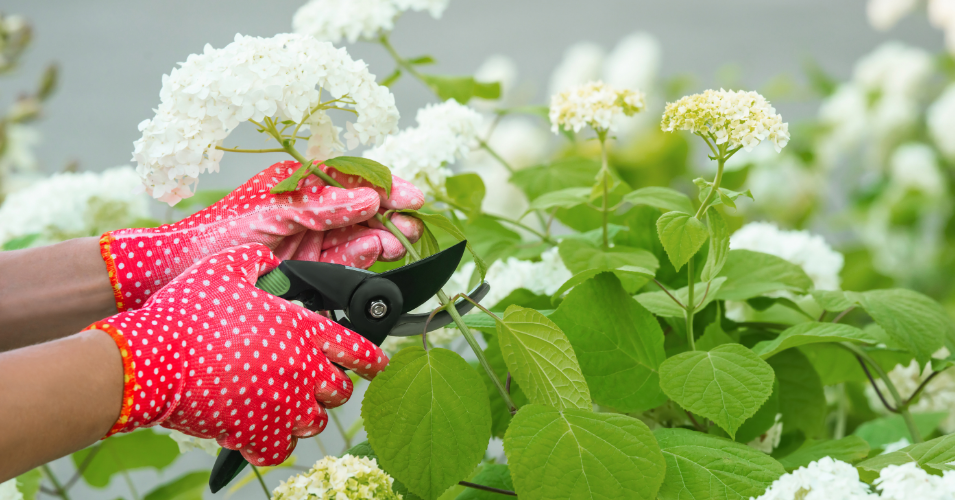
Pruning hydrangeas in the fall can feel like both an art and a science. These beloved shrubs bring soft, colorful blooms to gardens, but knowing when and how to cut them back is essential for keeping them healthy.
Many gardeners worry about removing too much or cutting at the wrong time, which can impact next year’s flowers.
The good news is that with clear guidance and the right approach, fall pruning becomes less intimidating. By learning the differences between hydrangea types and focusing on the right techniques, you can set your plants up for stronger growth and fuller blossoms.
A little effort in autumn pays off with healthier shrubs and more impressive blooms when the new season arrives.
Identify the Type of Hydrangea Before You Begin
Before you make the first cut, it is important to know what kind of hydrangea you have in your garden. Not all hydrangeas grow or bloom the same way, which means the method and timing of pruning will vary.
If you prune the wrong type in the wrong way, you may cut off the stems that hold next year’s flowers. Taking time to identify your hydrangea saves you from disappointment and helps you choose the right approach for fall care.
Hydrangeas are generally divided into two main groups based on when they form their flower buds.
Some bloom on old wood, meaning the buds develop on stems that grew during the previous year. Others bloom on new wood, meaning they form buds on the fresh growth that appears in spring. Knowing which group your hydrangea belongs to guides your pruning decisions.
Popular types like bigleaf hydrangeas and oakleaf hydrangeas bloom on old wood. These shrubs form buds in late summer or early fall, which then remain dormant through the winter until they open the following year.
If you cut back these types too much in fall, you risk removing the stems that already hold next season’s flowers. This is why fall pruning for old wood hydrangeas should be kept light and focused only on shaping or removing dead material.
On the other hand, smooth hydrangeas and panicle hydrangeas bloom on new wood. These plants grow flower buds on the fresh stems that appear in spring. Because of this, they can be pruned more heavily in fall without fear of losing the next year’s blooms.
In fact, cutting them back helps encourage stronger growth and bigger flowers when warm weather returns.
If you are unsure about your hydrangea type, take note of when it flowers. If the blooms appear early in the season on stems that already existed from the year before, it likely flowers on old wood.
If the blooms appear later in summer on fresh green shoots, it likely flowers on new wood. This simple observation can save you from costly mistakes.
Identifying the type of hydrangea before pruning gives you confidence and clarity. You know exactly which branches to remove and which to protect. By matching your pruning to the natural rhythm of your plant, you ensure a healthy shrub and a beautiful display of flowers next year.
Cut Back Old and Damaged Wood
One of the most effective steps you can take in fall pruning is removing old and damaged wood. Hydrangeas, like many shrubs, grow stronger when unhealthy or weak stems are cleared away.
This practice not only improves the appearance of your plant but also allows energy to flow into the healthiest parts of the shrub. By cutting back what is no longer useful, you give the plant space and strength to thrive.
Begin by looking for stems that are clearly dead. These often appear gray, brittle, or hollow when you snap them.
Dead wood no longer supports leaves or flowers and leaving it on the plant can invite disease or pests. By carefully cutting these stems down to the base, you keep the plant clean and free of unnecessary stress.
Next, focus on stems that are damaged. These may be split, broken, or scarred from wind or heavy rain. Weak stems not only look unsightly but can also interfere with healthy growth around them. Removing them prevents disease from spreading and allows the shrub to grow stronger, healthier branches in their place.
Older wood can also be reduced during fall pruning. Mature stems that have thickened over several seasons may not produce as many flowers as younger growth. By thinning out a few of the oldest canes, you encourage new shoots to develop from the base.
This renewal process keeps the hydrangea vigorous and capable of producing vibrant flowers year after year.
When cutting back old and damaged wood, always use clean, sharp pruning shears or loppers. Dull tools can tear stems and leave ragged edges, which open the plant to infection. Make cuts at a slight angle near the base of the stem or just above a healthy set of leaves. This technique encourages healing and reduces the chance of disease.
It is important not to remove too much at once. Aim for removal of no more than one third of overall shrub size. Focus on clearing out stems that are clearly dead, weak, or overly crowded, while leaving plenty of healthy branches intact.
The goal is to balance the plant, not strip it bare. By creating space within the shrub, sunlight and air reach the inner stems, which reduces mildew and keeps the plant in better condition.
Cutting back old and damaged wood in the fall is like giving your hydrangea a fresh start. It clears away what no longer contributes to growth and sets the stage for healthier, more productive stems in the coming year.
With this careful attention, your hydrangea remains strong, balanced, and ready to flourish again when spring arrives.
Shape the Plant Without Overdoing It
Pruning hydrangeas in the fall is not just about removing dead wood, it is also about shaping the plant to look balanced and healthy. A well-shaped hydrangea will not only look attractive during the colder months but will also have a stronger framework for next year’s growth.
The key is to prune thoughtfully, avoiding the temptation to cut back too much at once. Too much pruning can leave the shrub weak and unable to produce a strong flush of flowers in the next season.
When shaping your hydrangea, begin by stepping back and looking at the overall form of the shrub. Imagine the shape you want it to have, usually a rounded, full appearance that looks natural and balanced.
Avoid trimming the plant into stiff or unnatural outlines, as this can reduce airflow and limit healthy growth. Hydrangeas thrive when they have a loose, natural form that allows both light and air to reach the center of the plant.
Focus on removing branches that stick out awkwardly from the overall shape. These might be long, straggly stems that disrupt the balance of the shrub.
Cutting them back to just above a healthy set of leaves helps maintain a uniform look without weakening the plant. Always cut carefully, taking only what is necessary to improve appearance and health.
Overcrowded stems should also be thinned when shaping. Too many branches competing in one area cause congestion, which can lead to mildew and reduced flower size. Removing a few of the excess stems opens up the plant, helping both the look and the health of the hydrangea.
This step makes shaping as much about function as it is about style.
Another point to remember is that hydrangeas can lose their character if you cut them back too harshly. Heavy pruning often encourages rapid but weak growth in the spring. By shaping lightly and thoughtfully, you give the plant time to adjust while keeping its structure strong. Less is often more when it comes to fall pruning.
Shaping the plant without overdoing it ensures that your hydrangea enters winter in balance. It looks tidy in the garden and is well-prepared to burst into growth when warmer days return.
With a careful hand and a patient approach, you can guide your hydrangea into a form that brings both beauty and health.
Clean Up Spent Flowers for a Neater Look
As fall progresses, hydrangea flowers begin to fade. The bright, showy blossoms that once lit up the garden eventually turn brown and papery.
Cleaning up these spent flowers is one of the simplest yet most rewarding tasks in fall pruning. Removing old blooms not only improves the appearance of your plant but also helps it conserve energy for the seasons ahead.
To clean up spent flowers, use sharp pruners and cut just above the first pair of healthy leaves beneath the bloom. This ensures that you remove the dead flower head without damaging new buds that may already be forming.
Always avoid cutting too deep into the stem, especially for varieties that bloom on old wood, since doing so can risk removing next year’s flowers.
Deadheading faded flowers keeps the plant looking neat and tidy in the garden. Without this step, hydrangeas can appear messy and weighed down by heavy, drooping blossoms. By removing the spent blooms, you restore balance and allow the plant to stand tall and graceful. This small act of care makes a noticeable difference in the way the shrub presents itself through fall.
In addition to improving appearance, cleaning up spent flowers also reduces the risk of disease. Old, decaying petals can harbor moisture and fungus, which may spread to healthy parts of the plant.
Removing these flowers allows better airflow and keeps the shrub dry, reducing the chance of mildew. A healthier plant in fall leads to stronger growth the following spring.
Some gardeners enjoy leaving faded flowers in place for winter interest, since dried hydrangea blooms can look charming when dusted with frost or snow.
If you choose this, you can still remove the most unsightly or heavy blooms while keeping a few decorative ones intact. This compromise allows both beauty and cleanliness in your garden.
Cleaning up spent flowers in fall gives hydrangeas a refreshed look and prepares them for the months ahead. Whether you clear all the faded blooms or leave a few for decoration, this simple practice ensures your plant remains healthy and attractive.
By taking time to remove what no longer adds beauty, you set the stage for stronger, brighter flowers in the year to come.
Prepare the Plant for a Healthy Winter Rest
After pruning, shaping, and cleaning up, the final step in fall hydrangea care is preparing the plant for winter.
Hydrangeas may look strong, but cold temperatures, harsh winds, and sudden freezes can stress them if they are not properly protected. Giving them the right care in fall helps them rest through winter and return with healthy growth in spring.
The first step is to apply a generous layer of mulch around the base of the plant. Mulch acts as insulation, keeping the soil temperature steady and protecting the roots from sudden cold snaps.
Use straw, shredded bark, or compost, spreading it two to three inches deep around the crown of the plant. Be careful not to pile it directly against the stems since this can trap moisture and invite rot. A ring of mulch provides both warmth and moisture balance through the winter season.
Another protective measure is to shield hydrangeas from strong winter winds. Cold, dry air can strip moisture from stems and cause dieback. If your hydrangeas are in an exposed location, consider creating a windbreak.
Burlap screens or simple garden fencing around the plant can reduce wind damage and keep the shrub more comfortable during extreme weather. For smaller hydrangeas, wrapping the entire shrub loosely with burlap can provide both warmth and wind protection.
Watering in late fall before the ground freezes also helps hydrangeas rest well. Moist soil retains heat better than dry soil, and it ensures that the plant has enough stored water to handle dry winter air. A deep soak before the first hard freeze strengthens the roots and prepares the plant for dormancy.
If you have hydrangeas that bloom on old wood, protecting the stems is especially important. These stems already hold the buds for next year’s flowers, and they are vulnerable to winter damage.
Adding extra mulch around the base and covering the shrub with a breathable fabric can shield the buds from frost. Even a simple cone made of leaves and chicken wire can provide effective protection.
Preparing your hydrangeas for winter is not about forcing them to keep growing but about giving them the chance to rest safely. By insulating roots, protecting stems, and reducing stress from wind and frost, you help the plant conserve energy for spring.
This careful preparation ensures your hydrangeas will wake up strong, healthy, and ready to produce another round of stunning blooms.
Final Thoughts
Pruning hydrangeas in fall does more than tidy the garden. It guides the plant toward healthier growth, stronger roots, and better blooms in the future.
Each step, from identifying the type to removing old wood and shaping carefully, contributes to the long-term beauty of the shrub.
Hydrangeas reward the effort you put into them. With proper pruning and preparation, they remain healthy through winter and burst into growth once warmer days return.
A little patience and care now guarantees a display of color and life that will brighten your garden for years to come.