
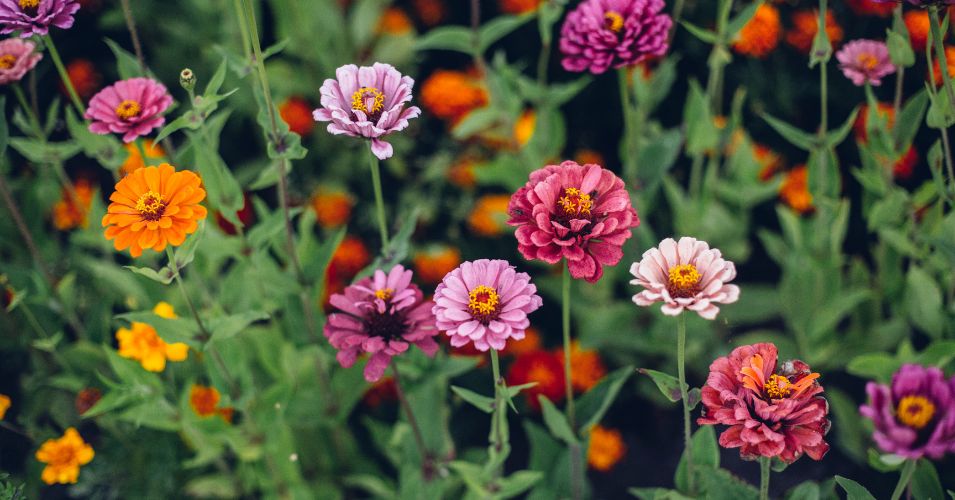
Gardens often look their best when flowers are mixed instead of planted on their own. Zinnias are a perfect example.
They already bloom for months and come in almost every bright color, but the right companion plants can make them even more rewarding to grow.
Some attract bees and butterflies, others fit naturally into vegetable gardens, and a few make the whole flower bed look fuller and more interesting. Choosing good neighbors is not difficult, but it does make a difference.
Here are some of the best plants to grow alongside zinnias and a few combinations that are worth avoiding.
Flowers That Make Zinnias Even More Beautiful
Zinnias rarely need help stealing the show, but the right companion flowers can make the entire planting look richer and more balanced.
Instead of filling every space with the same bloom shape, mix in flowers with different heights, colors, and textures. The result feels more like a natural cottage garden than a row of identical plants.
Cosmos are a classic match. Their thin stems and fern-like leaves create an airy look that softens the bold appearance of zinnias. While zinnias form dense, rounded flowers, cosmos produce lighter blooms that seem to float above the foliage.
They also flower over a long season, so the display stays colorful well into late summer. Since both plants enjoy full sun and regular deadheading, they are easy to care for together.
If you want stronger color near the front of the bed, plant marigolds. Their compact size makes them useful for filling gaps around taller zinnias, and the bright orange and yellow flowers blend naturally with almost any zinnia variety.
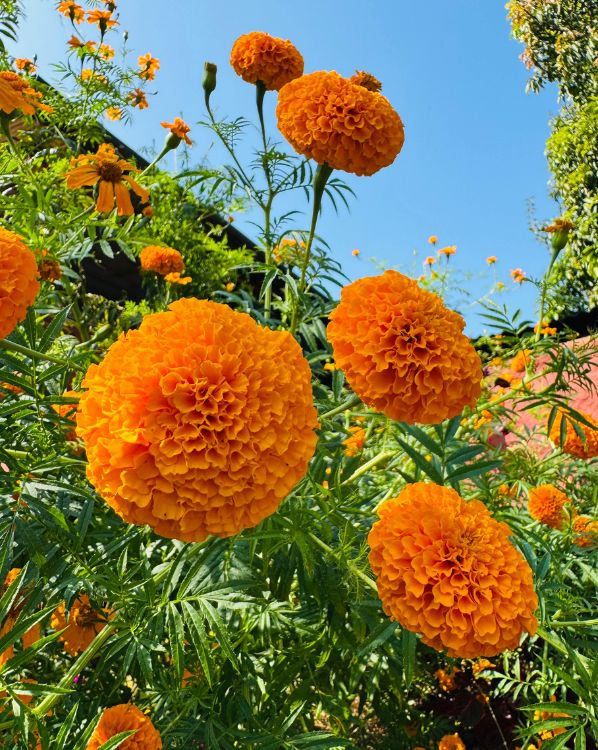
Many gardeners also include marigolds because their scent may help reduce certain garden pests, although results vary depending on the insects in your area. Even without that benefit, they provide months of reliable color.
For something completely different, try salvia. Instead of large flowers, salvia produces upright spikes that add height and structure to the planting. Purple and blue varieties create a striking contrast beside pink, white, red, or orange zinnias.
Bees, butterflies, and hummingbirds visit both plants regularly, turning a simple flower bed into one that stays busy from morning until evening.
Combining these flowers gives the garden more depth than planting zinnias alone. Every plant brings something different, whether it is a unique flower shape, extra color, or more visitors from the pollinator world. The mix looks relaxed, colorful, and full without feeling overcrowded.
Herbs That Help Protect Zinnias From Garden Pests
A few herbs deserve a place in flower beds, not just the vegetable garden. Besides providing fresh leaves for the kitchen, some herbs attract beneficial insects that help keep pest populations under control.
They also share the same love of sunshine as zinnias, making them easy companions.
Basil is one of the simplest choices. Most people pinch off its flowers to encourage leafy growth, but allowing one or two plants to bloom later in the season can be worthwhile.
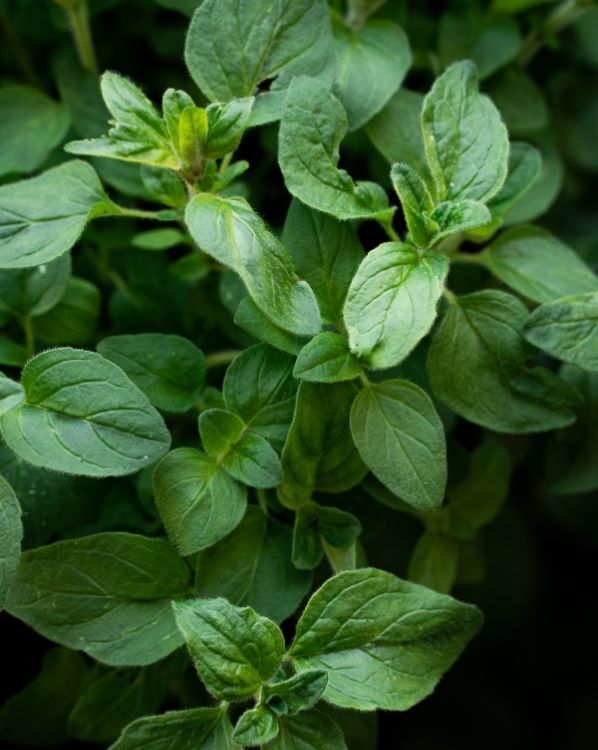
The small white flowers attract bees and other pollinators that will also visit nearby zinnias. Basil’s strong scent is another reason gardeners like growing it close to ornamental plants. While it will not stop every pest, some insects seem less interested in areas where basil is growing.
Another useful companion is dill. At first glance, its soft, feathery foliage seems very different from the broad leaves of zinnias, but that contrast actually makes the planting more attractive.
Once dill flowers, it becomes a magnet for beneficial insects. Ladybugs, hoverflies, lacewings, and tiny parasitic wasps all feed on its nectar before hunting aphids and other pests around the garden.
These herbs also make practical use of space. Instead of growing flowers in one area and herbs somewhere else, you can combine them into a planting that looks attractive while serving several purposes.
Zinnias provide bright summer color, basil offers fresh leaves for cooking, and dill supports a healthier garden by bringing in insects that work for you. The combination is simple, productive, and easy to maintain throughout the growing season.
Vegetable Crops That Thrive Beside Zinnias
Flowers are not just for decoration in a vegetable garden. Zinnias can actually make nearby crops more productive by attracting pollinators all summer long.
Since they bloom over such a long period, bees often return to the same area again and again, visiting vegetable flowers while they are there. That makes zinnias a smart addition to almost any sunny garden bed.
Cucumbers benefit the most from this partnership. Every cucumber starts with a flower that needs to be pollinated, so a steady supply of bees usually means a better harvest.
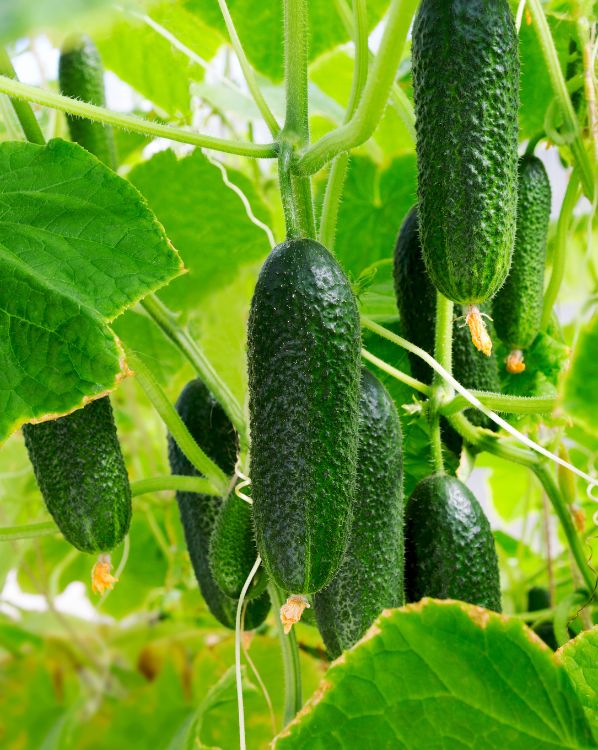
A row of zinnias planted nearby gives pollinators another reason to spend time in that part of the garden. Instead of flying elsewhere after visiting a few cucumber blossoms, they continue moving between flowers, increasing the chances that more fruit will develop.
The bright blooms also make the vegetable patch look far more inviting than rows of green vines alone.
Summer squash is another crop that pairs naturally with zinnias. Squash plants produce large yellow flowers that attract bees, but extra pollinator activity is always welcome during the busiest part of the season.
Zinnias help keep insects coming back from early summer into fall, even after some vegetable flowers begin to appear less frequently. At the same time, their colorful blooms attract hoverflies and other beneficial insects that feed on nectar before searching for aphids and similar pests.
These combinations work because the plants are easy to grow under the same conditions. Both vegetables appreciate full sun, regular watering, and fertile soil. You do not need a separate flower bed either.
Tucking a few zinnias between vegetable rows or around the edges is often enough to bring more life into the garden while adding bright color to a space that is usually filled with green leaves.
Companion Plants That Bring More Bees and Butterflies
A garden filled with pollinators feels alive. Bees drift from flower to flower, butterflies flutter through the beds, and hummingbirds sometimes stop for a quick drink before moving on.
Zinnias already attract plenty of visitors, but adding a few more nectar-rich plants can keep the garden busy from the first blooms of summer until cooler weather arrives.
Bee balm is one of the easiest flowers to pair with zinnias. Its unusual blooms have a shaggy appearance that stands out against the neat, rounded flowers of zinnias.
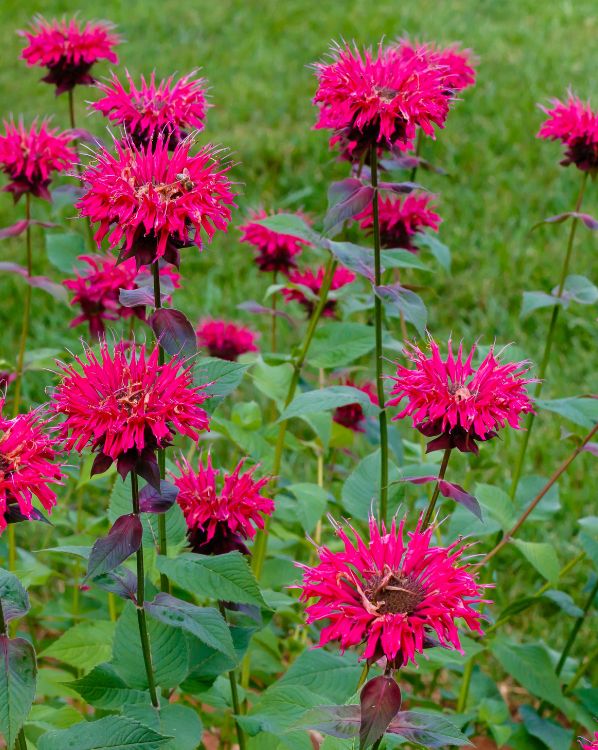
The plants bloom around the same time, creating a colorful display that catches the attention of bees almost immediately. Butterflies also spend plenty of time feeding on bee balm, especially on warm, sunny afternoons.
Coneflowers offer something different. Their large central cones provide an easy landing spot for bees, while butterflies are drawn to the nectar around the petals. These tough perennials keep flowering through hot weather with very little fuss.
Even after blooming ends, the seed heads remain useful because goldfinches and other small birds often feed on them later in the year.
To keep pollinators visiting into fall, add asters nearby. They begin flowering just as many summer plants start to fade, giving bees and migrating butterflies another dependable source of nectar.
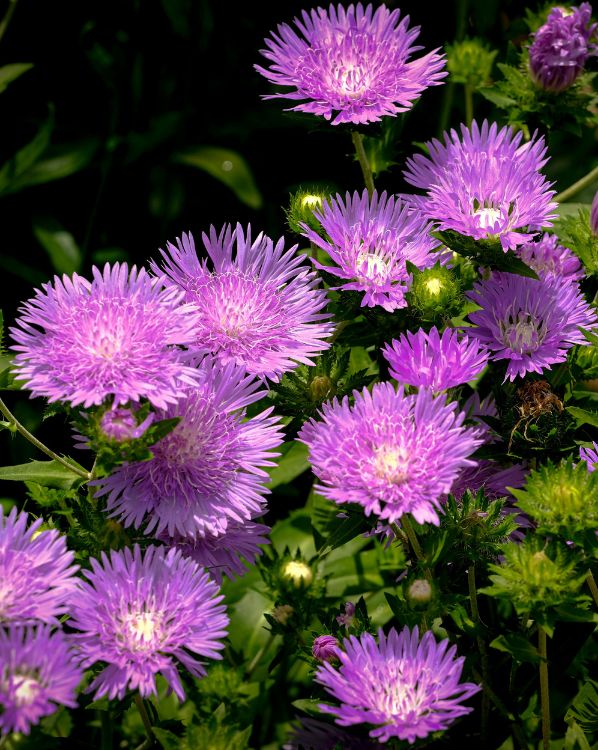
This late burst of color also helps the garden avoid looking tired at the end of the season.
By mixing plants with different bloom times, your garden offers food for pollinators over a much longer period. Instead of seeing a rush of activity for only a few weeks, you are much more likely to enjoy butterflies, bees, and other helpful insects throughout most of the growing season.
Zinnia Companion Planting Mistakes to Avoid
It is tempting to squeeze every favorite plant into the same flower bed, especially when everything is still small in spring. A few weeks later, that tidy planting can turn into a crowded patch where leaves overlap, air barely moves, and flowers struggle for sunlight.
Giving each plant enough space from the start is one of the easiest ways to avoid problems later.
Too much shade is another mistake that often goes unnoticed. Zinnias need plenty of direct sunlight to produce strong stems and continuous blooms.
If they are planted beside towering flowers or vigorous climbers, they may stretch toward the light instead of growing into sturdy, bushy plants. The flowers become fewer, and the display never reaches its full potential.
Watering habits matter just as much as spacing. Some companion plants enjoy soil that stays consistently damp, while zinnias prefer ground that drains well between waterings.
When plants with opposite needs share the same space, one of them usually suffers. Overly wet conditions can encourage powdery mildew, which is one of the most common problems gardeners face with zinnias during warm weather.
Another trap is choosing companions simply because they bloom at the same time. Color is important, but growth habits deserve equal attention. A plant that spreads aggressively can slowly crowd out zinnias, while one with dense foliage may reduce airflow around the stems.
Looking at the mature size on the plant label is far more useful than judging the tiny nursery pot sitting on the garden center shelf.
It also helps to keep expectations realistic. Companion planting supports a healthy garden, but it does not replace regular care. Flowers still need watering during dry spells, faded blooms should be removed to encourage fresh flowers, and leaves should be checked from time to time for signs of pests or disease.
When these basics are combined with well-chosen companions, zinnias usually reward gardeners with months of bright flowers. A little restraint when planting often produces better results than trying to fit as many plants as possible into one bed.
Final Thoughts
The best companion plants do more than fill empty spaces around your zinnias. They attract pollinators, add texture and color, and help create a garden that feels lively from early summer until the first frost.
Mixing flowers, herbs, and even a few vegetables can turn a simple planting into one that is both attractive and productive.
Success comes from choosing plants that enjoy the same growing conditions rather than simply pairing colors that look good together. Give every plant enough sunlight, enough room to grow, and the right amount of water, and the whole garden will benefit.
With thoughtful combinations and a little routine care, zinnias will continue producing cheerful blooms that brighten your landscape for months.