
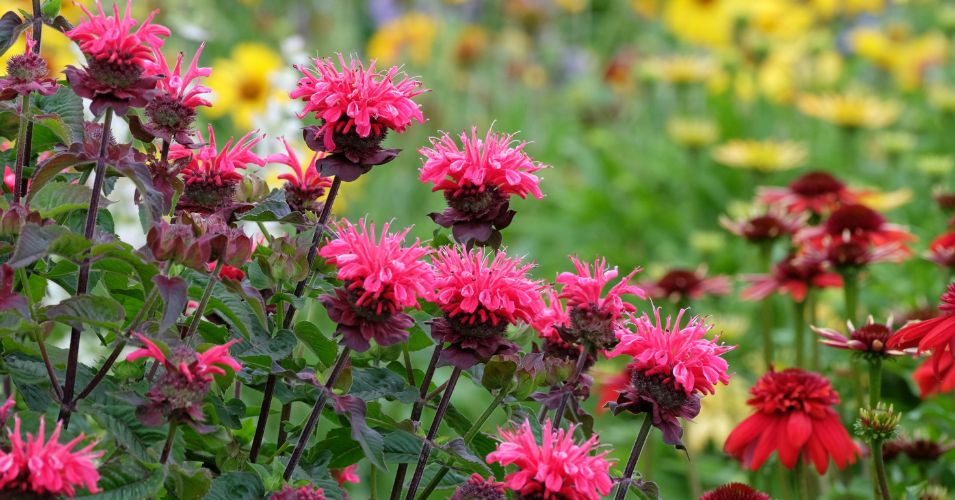
Bee balm is hard to miss once it begins flowering. Its bright blooms bring bees, butterflies, and hummingbirds into the garden, making it one of the most popular plants for pollinator-friendly borders. To get the best results, though, it helps to think about what you grow alongside it.
The right companion plants can keep your borders looking colorful for longer while giving bee balm the space and growing conditions it needs to thrive. With a few well-chosen combinations, you can create a healthier and more attractive garden that stays interesting throughout the season.
Why Bee Balm Needs the Right Companion Plants
Bee balm is often planted for its colorful flowers and ability to attract bees, butterflies, and hummingbirds. While it can certainly grow on its own, it performs much better when surrounded by plants that share its growing conditions. The right companions help create a healthier, more balanced garden where every plant has room to thrive.
One of the biggest challenges with bee balm is keeping its foliage healthy. Since it is susceptible to powdery mildew, crowded planting beds can quickly become a problem. Giving it neighbors that allow plenty of space for air to move between plants helps leaves dry faster after rain or watering. That simple change can reduce the chances of fungal diseases taking hold.
Companion planting also helps the garden look complete instead of scattered. Bee balm has a bold appearance that naturally catches the eye, but it only flowers for part of the growing season. Pairing it with plants that bloom at different times keeps the bed looking attractive long before the first flowers appear and well after the last blooms fade.
There is also a practical benefit that many gardeners overlook. Growing a wider variety of plants encourages more beneficial insects to visit and stay in the garden. Pollinators have a wider selection of nectar throughout the season, while helpful predators find shelter and food among plants of different shapes and sizes. A diverse planting often develops into a healthier little ecosystem with less need for constant intervention.
Choosing companions with similar sunlight, soil, and watering preferences also makes routine care much easier.
Instead of adjusting your gardening habits for each plant, you can maintain one area using the same basic routine.
That means less guesswork, fewer problems, and a flower bed that looks vibrant throughout the season without demanding extra work.
The Best Flowers to Plant With Bee Balm
Finding the right flowering companions for bee balm is surprisingly simple, as many popular perennials thrive in the same sunny conditions. The key is choosing flowers that complement its bold blooms instead of competing with them.
Mixing different heights, colors, and flower shapes creates a planting that feels full and balanced while offering continuous interest throughout summer.
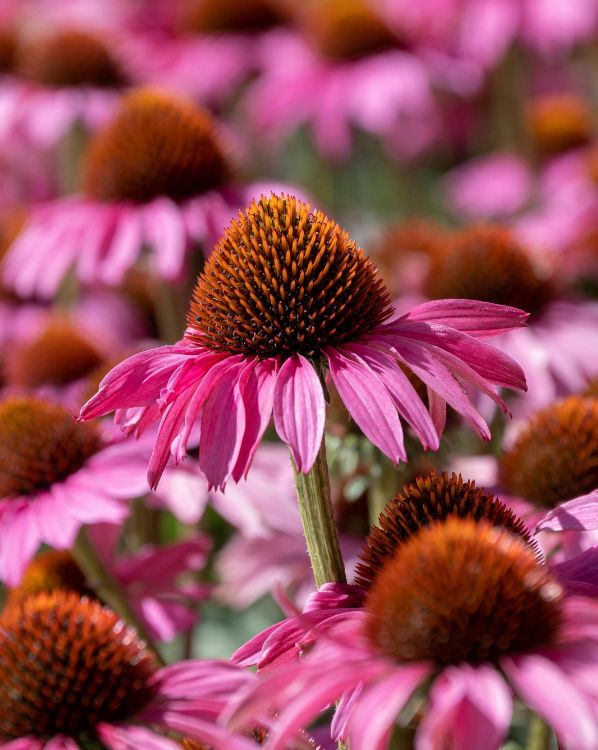
Coneflowers are one of the easiest choices. Their sturdy stems and large daisy-like flowers provide a completely different shape from bee balm, making both plants stand out even more. They bloom around the same time and continue producing flowers long after many other perennials have faded, helping the border stay colorful for weeks.
If you enjoy bright, cheerful gardens, black-eyed Susans deserve a place nearby. Their golden blooms create a striking contrast against bee balm’s reds, pinks, purples, and whites.
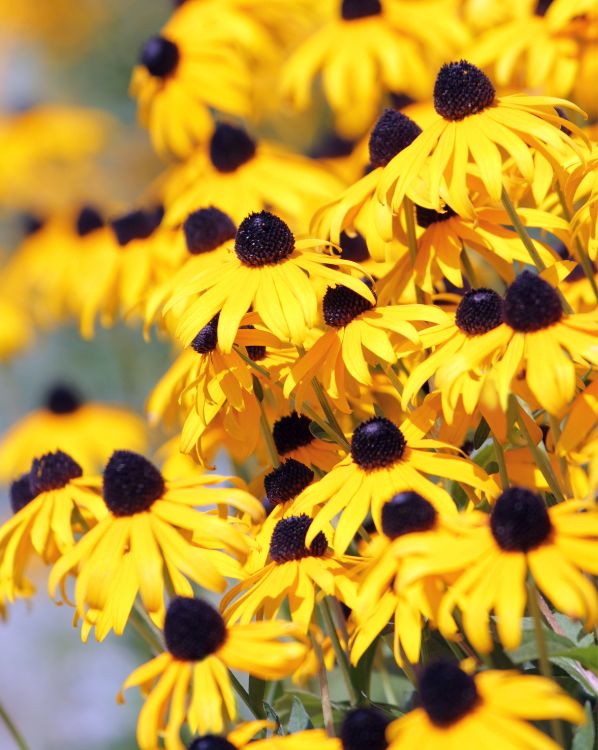
Since both plants tolerate similar conditions, they grow happily together without requiring different care routines. Once established, they need very little attention beyond occasional watering during prolonged dry spells.
Another reliable partner is garden phlox. Its rounded flower clusters soften the look of bee balm’s spiky blooms and add another layer of color to the border. When planted in small groups, the two flowers blend naturally instead of competing for attention. The result is a garden that feels full, relaxed, and rich with texture.

These three perennials also help turn an ordinary flower bed into a busy destination for pollinators. Bees, butterflies, and hummingbirds move easily from one flower to the next, creating constant activity that makes the garden feel alive on warm summer days.
By repeating these flowers throughout a planting rather than placing them in single spots, you can create a landscape that looks cohesive and established. It is a simple design technique, but it gives the impression that the garden has matured naturally over many seasons.
Herbs, Vegetables, and Shrubs That Grow Well With Bee Balm
Bee balm is often associated with cottage gardens, but it fits just as comfortably among herbs, vegetables, and ornamental shrubs. Since it thrives in full sun and attracts a steady stream of pollinators, it can become one of the hardest-working plants in the garden. The trick is choosing companions that enjoy similar conditions without competing for space.
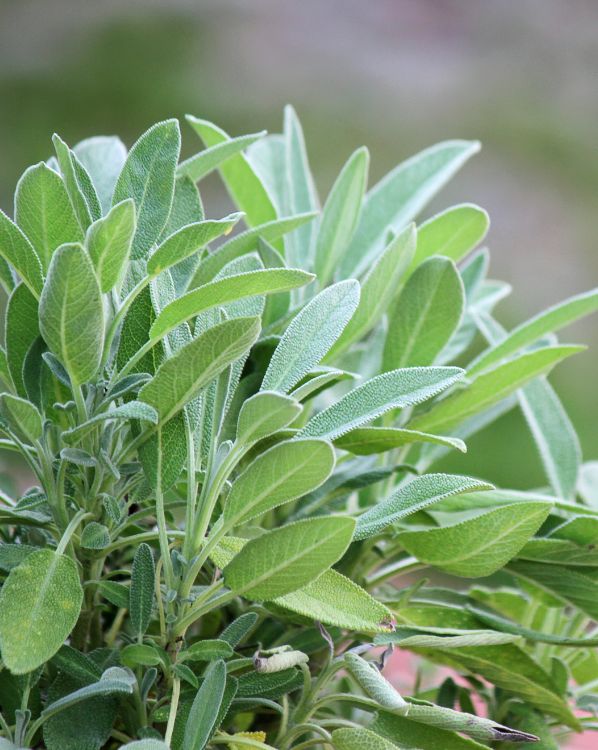
If you already grow sage, adding bee balm nearby makes perfect sense. Both appreciate sunny locations and well-draining soil after rain. Sage brings evergreen texture for much of the year, while bee balm steals the show during summer with its colorful blooms. Together, they create an attractive planting that is both useful and decorative.
Bee balm also earns its place in the vegetable patch, especially near tomatoes. While tomatoes are mainly self-pollinating, bees can still improve pollination by shaking loose pollen as they move between flowers.
Since bee balm attracts plenty of visiting insects, it naturally brings more activity into that part of the garden. Just remember to leave enough room between plants, so each one receives good airflow and plenty of sunlight.
To give the border lasting structure, consider planting ninebark nearby. Once bee balm finishes flowering, ninebark continues to hold the planting together with its colorful foliage and attractive branching habit.
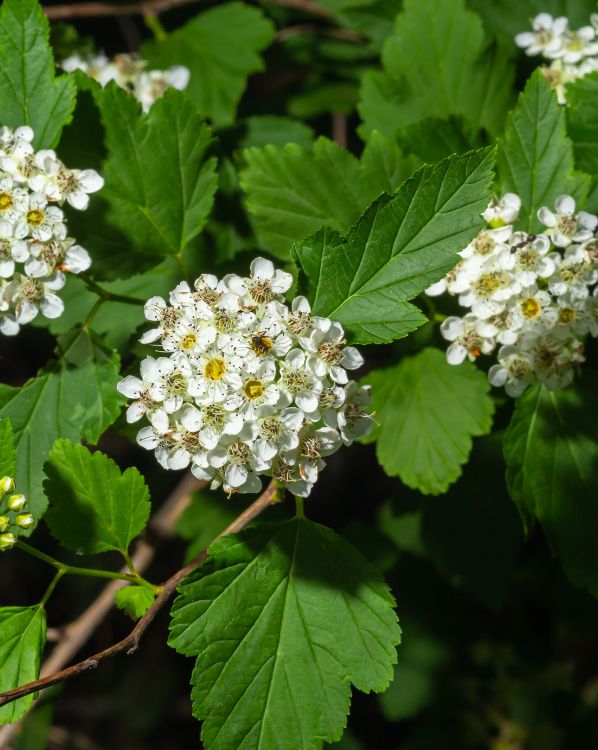
Depending on the variety, its leaves may be green, deep burgundy, or bronze, providing interest from spring until the leaves drop in autumn.
This combination creates more than a collection of individual plants. Herbs supply fragrance, vegetables provide a harvest, shrubs offer year-round structure, and bee balm ties everything together by filling the garden with color and attracting pollinators throughout summer.
Companion Plants That Help Bee Balm Stay Healthy
A healthy bee balm plant starts with the space around it. Although watering and sunlight are important, nearby plants can make just as much of a difference. The right companions reduce overcrowding, improve airflow, and help create conditions where bee balm is less likely to struggle with common problems.
One of bee balm’s biggest weaknesses is powdery mildew. The disease spreads more easily when leaves stay damp, and air cannot move freely through the planting. Instead of surrounding bee balm with dense foliage, choose companions that leave breathing room between stems.
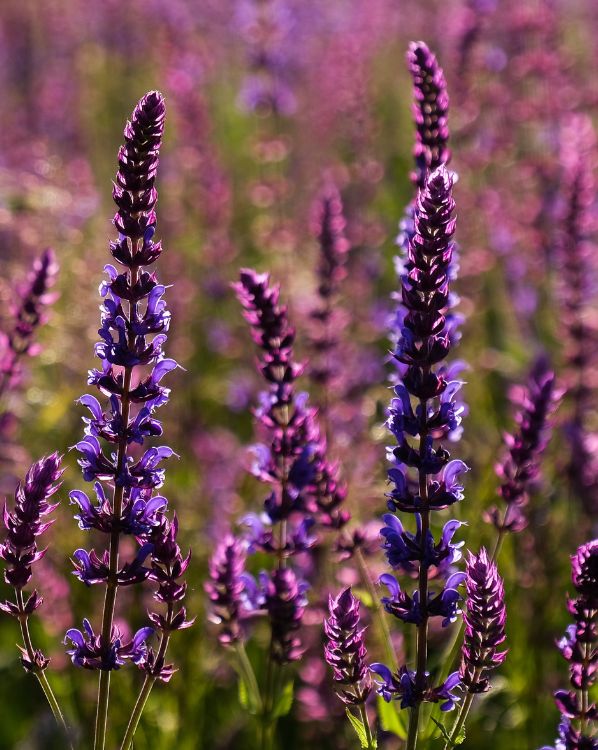
Russian sage is a great example. Its upright stems and finely divided foliage have an open appearance that allows plenty of light and air to pass through. It also flowers around the same time as bee balm, giving the border a long season of color without making the planting feel crowded.
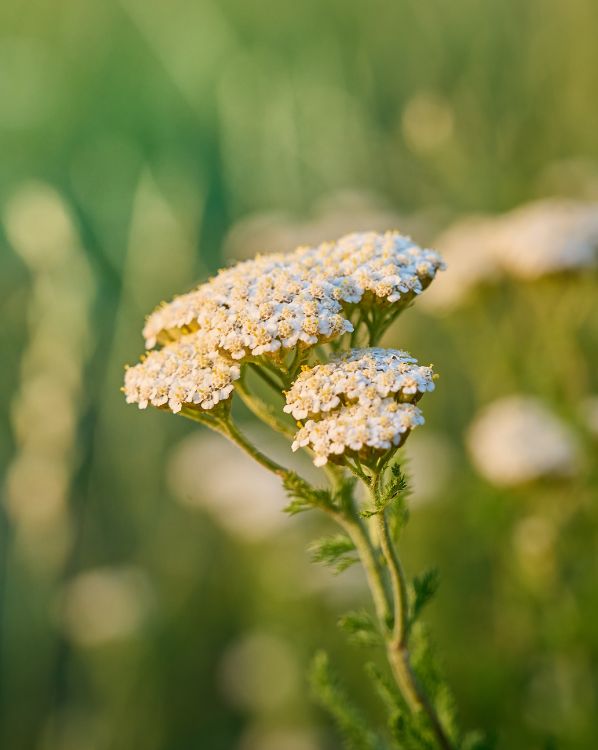
Another dependable choice is yarrow. Its flat flower heads attract beneficial insects, while its fern-like foliage contrasts nicely with bee balm’s broader leaves. Since both plants prefer similar growing conditions, they settle into the same bed without requiring different care routines.
For extra texture, little bluestem adds a completely different element. The narrow blades move with even a light breeze, bringing life to the planting while helping maintain an open feel around nearby perennials.
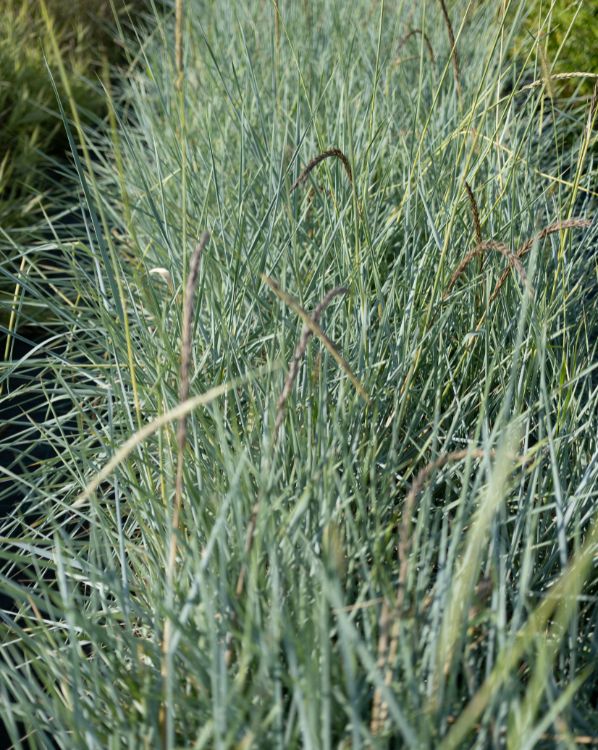
As summer gives way to autumn, the grass develops warm copper and reddish tones that keep the garden interesting after most flowers have faded.
No companion plant can guarantee that bee balm will remain disease-free, but thoughtful spacing and compatible neighbors make healthy growth much easier to achieve. Combined with regular watering at the base of the plant and occasional thinning, these companions give bee balm the best chance to flourish year after year.
Common Bee Balm Companion Plant Mistakes to Avoid
Bee balm is fairly forgiving, but a few simple planting mistakes can prevent it from looking its best. The plant itself does not cause most problems. Instead, they come from choosing companions that compete too heavily or create conditions that make healthy growth more difficult.
It is tempting to fill every gap in a flower bed, especially when plants are still young. A border packed with fresh perennials may look impressive in spring, but it often becomes overcrowded by midsummer. Bee balm needs space around its stems so air can circulate freely. When surrounding plants grow too close, damp foliage can linger after rain, increasing the likelihood of powdery mildew.
Another issue is mixing plants with completely different growing preferences. Bee balm enjoys full sun and soil that stays evenly moist without becoming waterlogged. If it shares a bed with plants that prefer dry soil or heavy shade, one side of the partnership usually ends up underperforming. Matching plants with similar needs makes watering, feeding, and general care much easier throughout the season.
Many gardeners are also surprised by how much bee balm can spread over time. Healthy clumps gradually expand underground, and before long they may begin pushing into neighboring plants. This is easy to manage, but it is worth planning for from the start. Dividing established clumps every few years keeps growth under control and gives nearby plants enough room to develop.
Appearance is another factor that is easy to overlook. Bee balm naturally stands out because of its bright, unusual flowers. Filling the same space with several equally bold plants can make the border feel crowded rather than inviting. Including different leaf shapes, softer flower forms, and varied heights creates a display that feels balanced instead of overwhelming.
Companion planting works best when every plant has a purpose. Some provide color, others attract pollinators, and a few improve the overall structure of the border. Keeping those roles in mind leads to a healthier garden that is easier to maintain year after year.
Final Thoughts
Bee balm has plenty to offer on its own, but the right companions help bring out its best qualities. A well-planned combination of flowers, herbs, vegetables, or shrubs creates a garden that is not only more attractive but also easier to care for as the seasons change.
Rather than choosing plants based on appearance alone, focus on how they grow together. Similar light, soil, and watering needs will always lead to better results than simply matching flower colors.
With the right plant combinations and enough space to thrive, bee balm becomes more than a colorful perennial. It becomes one of the garden’s highlights, attracting pollinators while adding vibrant summer color for years to come.