
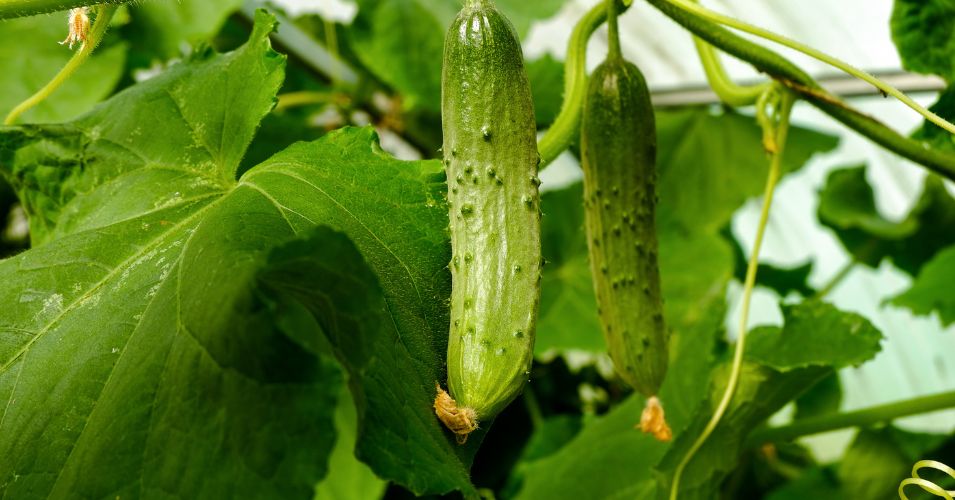
Cucumbers are one of the most refreshing crops you can grow in a garden. When spring arrives, these fast-growing plants begin their journey from tiny seedlings to vines filled with crisp green fruit. With the right care early in the season, cucumber plants can produce heavily and stay healthy throughout the summer.
Spring is the most important time for setting cucumbers up for success. Soil preparation, watering habits, and early plant support all influence how productive your plants will become.
In this guide, you will learn simple and practical ways to care for cucumbers during spring so they grow strong and reward you with a generous harvest.
Choose the Best Spot for Your Cucumber Plants
Cucumbers grow best in places where sunlight is strong and consistent throughout the day. These plants love warmth, and sunlight is one of the biggest factors that affect how quickly they grow and how much fruit they produce.
A location that receives at least six to eight hours of direct sunlight each day will give cucumbers the energy they need to grow strong vines and healthy leaves.
Morning sun is especially helpful. It warms the soil after cool nights and dries moisture from the leaves. This reduces the risk of fungal problems that sometimes occur in damp spring conditions.
Good airflow is another important factor when selecting a planting location. When air can move freely around your cucumber plants, moisture dries more quickly after rain or watering. This simple advantage can reduce the risk of mildew and other common plant diseases.
Avoid crowded garden spaces where tall plants or fences block light and airflow. If you are planting cucumbers near other vegetables, leave enough room so the vines can spread without competing for sunlight.
Cucumbers can grow along the ground, but many gardeners choose to grow them vertically. A trellis, garden netting, or fence allows the vines to climb upward. This keeps fruit cleaner and makes harvesting easier later in the season.
When selecting a spot for climbing cucumbers, make sure there is space to install support structures before the plants begin growing rapidly.
Finally, think about convenience. Cucumbers grow quickly and require regular watering during spring and early summer. Planting them close to a water source makes it easier to care for them consistently.
A sunny, open, and accessible garden spot creates the perfect starting point for strong cucumber plants.
Prepare Soil That Helps Cucumbers Thrive
Healthy soil is the foundation for strong cucumber plants. Before planting begins in spring, take time to prepare the soil so it can support fast growth and steady fruit production.
Cucumbers prefer loose, well-draining soil that holds enough moisture without becoming soggy. Heavy soil that stays wet for long periods can cause roots to struggle and may lead to rot. If your garden soil feels dense or sticky, improving its structure will make a big difference.
One of the best ways to improve soil quality is by adding organic matter. Compost works especially well because it enriches the soil with nutrients while also improving drainage and moisture retention. Mixing several inches of compost into the top layer of soil provides cucumber roots with a soft environment in which they can spread easily.
A garden fork or shovel can be used to loosen the soil before planting. Breaking up compacted soil allows oxygen to reach the roots, helping young plants establish themselves more quickly after planting.
Cucumbers also grow best in slightly warm soil. Cold soil can slow down early growth, which is why many gardeners wait until spring temperatures have settled before planting.
Raised beds and small soil mounds can help warm the soil faster because they drain well and receive more sunlight.
Fertilizing lightly during soil preparation can also support early plant development. Balanced garden fertilizers or well-aged compost provide nutrients that young cucumber plants will use as they begin producing new leaves and vines.
With loose soil, rich organic matter, and good drainage, cucumber roots will grow deep and strong. This healthy start makes a noticeable difference as the plants move into the most active stage of their growth later in the season.
Planting Cucumbers the Right Way in Spring
Planting cucumbers at the right time is one of the most important steps for healthy plants. These warm-season vegetables do not tolerate cold soil well, so patience in early spring can make a big difference.
Before planting outdoors, wait until the danger of frost has passed and the soil has warmed. Cucumbers grow best when soil temperatures are comfortably warm rather than cool. Planting too early often leads to slow growth and weak seedlings.
Many gardeners start cucumber seeds directly in the garden once the soil is ready. Cucumber roots prefer not to be disturbed, so direct seeding usually produces strong plants.
Seeds should be planted about one inch deep in loose soil. Spacing also matters. Leave enough room between plants so the vines can spread without competing for nutrients and sunlight. Most cucumber plants grow well when spaced about 12 to 18 inches apart.
Some gardeners plant several seeds together in small groups called hills. Once the seedlings appear, the strongest plants are kept while the weaker ones are removed. This method often produces vigorous plants because the strongest seedlings receive the most space and nutrients.
If you prefer to start cucumbers indoors, use small pots that allow roots to stay intact when moved outside. Transplant seedlings carefully so their roots are not damaged. Gentle handling helps the young plants adjust to their new outdoor environment.
After planting, lightly water the soil so the seeds or seedlings settle into place. Consistent warmth and moisture during the early days of growth will encourage quick sprouting and strong development.
Within a short time, the first small leaves will appear above the soil. With proper planting and good spring conditions, these young plants will soon begin forming long vines that fill the garden with bright green growth.
Watering and Feeding for Healthy Growth
Cucumbers grow quickly once spring temperatures begin to rise. Because of this rapid growth, they require consistent watering and steady nutrients to stay healthy.
Water is especially important during the early stages of development. Young cucumber plants have shallow roots, so they depend on moisture near the soil surface. If the soil becomes dry for long periods, the plants may struggle to grow properly.
The goal is to keep the soil evenly moist without allowing it to become waterlogged. Deep watering a few times each week is usually better than light watering every day. This encourages roots to grow deeper into the soil, which helps plants stay stronger during warm weather.
Watering at the base of the plant is also helpful. Keeping leaves dry reduces the risk of disease that can appear when moisture sits on the foliage for too long.
Mulch can make watering easier and more effective. A layer of straw, shredded leaves, or compost placed around the plants helps the soil hold moisture while also reducing weed growth. This protective layer keeps the soil temperature more stable as spring conditions change.
Cucumbers also benefit from regular feeding as they begin producing new leaves and vines. Organic fertilizers, compost, or balanced garden fertilizers can provide nutrients that support steady growth.
Feeding the plants every few weeks during spring helps support healthy growth. Healthy cucumber plants often show their progress through bright green leaves and steady vine growth.
When water and nutrients are supplied consistently, the plants can focus their energy on forming flowers and eventually producing crisp cucumbers ready for harvest later in the season.
Support Vines and Protect Young Plants
As cucumber plants begin to grow in spring, their vines quickly stretch outward in search of space and sunlight. Providing support early in the season helps guide this growth and keeps the plants healthy.
Many cucumber varieties are natural climbers. Their thin curling tendrils easily grab onto structures such as trellises, garden netting, or wire fencing.
Supporting the vines keeps the plants organized and prevents them from spreading across the ground, where fruit can become dirty or damaged.
Vertical growth also improves airflow around the leaves. When air moves freely between the vines, moisture dries faster after rain or watering. This can help reduce common problems such as mildew and other fungal diseases.
Installing a support system is easiest when the plants are still small. A simple trellis placed behind the seedlings gives the vines a clear direction to climb as they grow.
Garden stakes, wooden frames, or metal arches can also work well, depending on your garden’s layout.
As the vines lengthen, gently guide them toward the support structure if needed. Most cucumber plants will naturally begin climbing once they sense a nearby surface.
Protecting young plants during spring is also important. Early-season conditions can sometimes be unpredictable, with cool nights, strong winds, or sudden temperature drops. Lightweight garden covers or cloches can shield young plants from these conditions while still allowing sunlight to reach them.
Pests may also appear once the plants begin growing. Common garden insects sometimes chew on tender cucumber leaves during spring. Checking plants regularly allows you to notice problems early and address them before they become serious.
Healthy plants that receive support and protection during their early growth stage often grow stronger vines and produce more fruit later in the season.
With a little attention and preparation, cucumber plants can develop into thriving vines that fill the garden with fresh green growth.
Final Thoughts
Caring for cucumbers in spring sets the stage for a productive growing season. When plants begin their lives in warm sunlight, nutrient-rich soil, and consistent moisture, they can develop strong roots and healthy vines.
Small efforts early in the season often lead to better results later. Choosing a sunny location, preparing the soil, planting carefully, and supporting the vines all work together to create ideal growing conditions.
As spring continues, cucumber plants will reward your attention with rapid growth and bright green leaves. With steady care, these vines will soon produce crisp cucumbers, fresh from the garden and ready for harvest.