
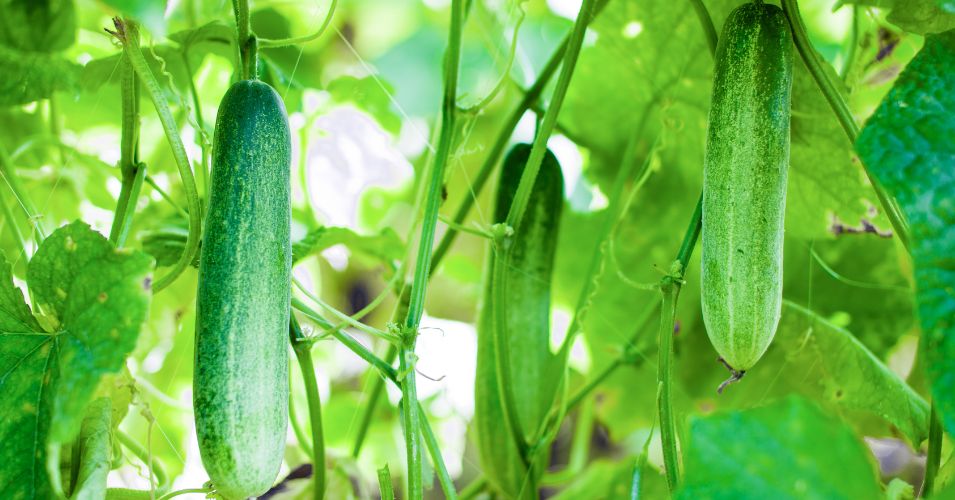
Cucumbers are one of the most refreshing and rewarding plants to grow during the summer months.
They thrive in warm weather, grow quickly, and can produce an impressive harvest when properly cared for. But summer heat can also bring challenges like wilting leaves, pests, and bitter fruit.
Understanding how to support your cucumber plants during this season makes all the difference.
With the right balance of water, sunlight, and attention, you can enjoy crisp, delicious cucumbers straight from your garden all summer long.
Find the Perfect Spot for Strong Summer Growth
Cucumbers thrive when they are given the right environment from the very beginning, and the spot you choose plays a major role in how well they perform throughout the summer.
These plants love sunlight, so aim for a location that gets at least six to eight hours of direct sun each day. The more consistent the light, the stronger and more productive your plants will be.
Avoid areas where shadows linger for long periods, as this can slow growth and reduce the number of cucumbers your plants produce.
Soil is just as important as sunlight. Cucumbers prefer loose, well-drained soil that allows roots to spread easily while still holding enough moisture to keep them hydrated. If your soil feels heavy or compact, it can trap water and lead to root problems.
Mixing in compost or other organic matter helps improve both structure and fertility, giving your plants a healthier start. A nutrient-rich base supports steady growth and better fruit development over time.
Air circulation is another factor that can make a surprising difference. When plants are crowded or placed in tight corners, moisture tends to linger on the leaves. This can lead to fungal issues, especially during warm summer nights. Spacing your plants properly allows fresh air to move through them, helping leaves dry faster and stay healthier.
It is also worth thinking about how your cucumbers will grow as they mature. While they can spread along the ground, training them up a trellis or support system often leads to cleaner fruit and easier harvesting.
It also keeps vines organized and reduces the chance of rot. A thoughtful planting spot sets the tone for a healthier and more productive season.
How to Water Cucumbers the Right Way in Hot Weather
Watering cucumbers during summer requires consistency and attention to detail. These plants grow quickly and have large leaves, which means they lose moisture fast under the sun.
If the soil dries out too much, the plants can become stressed, leading to bitter-tasting cucumbers and slower growth. Keeping the soil evenly moist, without letting it become soggy, is the key to success.
A deep watering routine works better than frequent light watering. Giving your plants a thorough soak encourages roots to grow deeper into the soil, which helps them stay stable and better prepared for heat.
Shallow watering keeps roots near the surface, where they dry out quickly and become more vulnerable during hot days.
Timing makes a real difference in how effective your watering is. Early morning is the best time to water cucumbers, as it allows the plants to absorb moisture before the heat builds.
It also gives any water on the leaves time to dry, which lowers the risk of disease. Watering later in the evening can leave foliage damp overnight, creating conditions that encourage fungal problems.
Directing water to the base of the plant is another simple but important habit. Wet leaves can invite disease, especially in warm and humid conditions. Using a watering can, drip system, or gentle hose flow helps deliver water exactly where it is needed without splashing the foliage.
Adding mulch around your plants can make a noticeable difference during hot weather. A layer of straw, grass clippings, or compost helps retain moisture in the soil and keeps roots cooler. This reduces how often you need to water and protects your plants from sudden temperature changes.
With a steady routine and careful attention, your cucumbers will stay hydrated and productive even during the peak of summer heat.
Give Your Plants the Nutrients They Truly Need
Cucumbers grow quickly, and that fast pace means they need a steady supply of nutrients to stay healthy and productive. If the soil lacks key nutrients, plants may appear weak, produce fewer flowers, or develop small and uneven fruit.
Feeding your cucumbers properly helps them maintain their natural growth and supports a longer, more reliable harvest.
It all begins with the soil. Rich, well-prepared soil provides a strong foundation, especially when compost has been mixed in before planting.
Compost not only adds nutrients but also improves moisture retention, which is especially helpful during warm summer days. As the plants continue to grow, they gradually use up what is available, which makes additional feeding necessary as the season progresses.
A balanced fertilizer works well during the early stages, when leaves and vines are developing. Once flowering begins, switching to a fertilizer that supports fruit production can make a noticeable difference.
Too much nitrogen at this stage often leads to excessive leafy growth with fewer cucumbers, so balance is key. Liquid feeds can be especially useful in summer since they are absorbed quickly and can be applied every couple of weeks to maintain steady development.
It also helps to pay attention to the plant itself. Yellowing leaves, slow growth, or weak stems can signal that your cucumbers need extra nutrients.
Spotting these signs early allows you to adjust your feeding routine before it affects your harvest. By doing so, your plants will stay strong, produce more flowers, and deliver crisp, healthy cucumbers throughout the season.
Keep Heat and Pests from Ruining Your Crop
Summer warmth helps cucumbers grow, but too much heat can quickly cause stress, and pests become more active under the same conditions. Managing both challenges is essential if you want your plants to stay productive and healthy.
Heat stress often shows up as wilting leaves, even when the soil still feels moist. This happens because the plant loses water faster than it can absorb it.
Providing light shade during the hottest part of the day can ease this pressure. A thin cloth or garden netting can soften intense sunlight while still allowing enough light for growth.
Mulch is another simple but effective tool. Covering the soil around your plants helps keep the root zone cooler and reduces moisture loss. This creates a more stable environment that supports steady growth, even during periods of high temperature.
Pests also become more noticeable in summer. Aphids, beetles, and mites are common problems that can damage leaves and slow development. Checking your plants regularly makes it easier to catch these issues early. Look under leaves and along stems, where insects often gather out of sight.
If pests appear, gentle solutions like spraying with water or using natural treatments can help control the problem without harming the plant. Keeping the garden tidy also plays a role. Removing damaged leaves and clearing away debris reduces hiding spots and helps prevent infestations from spreading.
With consistent care and quick action when needed, you can protect your cucumbers from both heat and pests, allowing them to grow strong and continue producing throughout the summer.
Pick Cucumbers at the Right Moment for Best Taste
Harvesting cucumbers at the right time can make a huge difference in both flavor and texture.
If left on the vine too long, cucumbers often become large, tough, and bitter, which takes away from their fresh appeal. Picking them at the ideal stage ensures they stay crisp, refreshing, and enjoyable to eat.
Most cucumber varieties are best harvested when they are medium-sized and firm to the touch. The skin should look smooth and evenly colored, without signs of yellowing. Once a cucumber starts turning yellow, it is usually overripe and will have a weaker taste and a tougher texture.
Checking your plants daily during peak season is a simple but important habit. Cucumbers grow quickly in warm weather, sometimes reaching harvest size in just a day or two.
Regular picking not only gives you better tasting fruit but also encourages the plant to keep producing. When mature cucumbers are left on the vine too long, the plant may slow down or stop producing new ones.
Using the right harvesting method also helps protect your plant. Instead of pulling cucumbers off by hand, it is better to use scissors or garden pruners to cut them from the vine.
This reduces strain on the plant and prevents accidental damage to nearby stems. Being gentle during harvest helps keep the plant healthy for continued production.
It is also a good idea to harvest in the morning when temperatures are cooler. At this time, cucumbers tend to be more hydrated and have a better texture. Freshly picked cucumbers taste best, so enjoying them soon after harvest is always worth it.
Final Thoughts
Caring for cucumbers in summer comes down to consistent care and attention to detail. Each step, from planting in the right spot to watering, feeding, and harvesting, contributes to the overall success of your crop.
When you stay consistent and respond to what your plants need, they reward you with healthy growth and a steady supply of fresh cucumbers. With a little effort and awareness, summer gardening can be both productive and satisfying.