
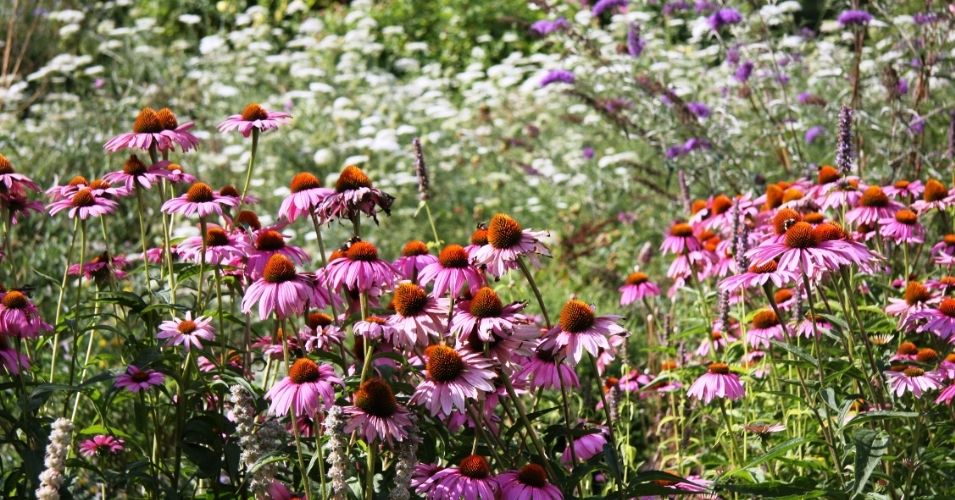
Coneflowers bring bold color, reliable blooms, and pollinator power to any sunny garden.
But they do not have to stand alone. With the right companion plants nearby, coneflowers grow stronger, look better, and support a more balanced ecosystem.
Whether you are filling a flower bed or building a full landscape, choosing good neighbors for your coneflowers can make your garden more productive and more beautiful.
Some plants attract helpful insects, while others share water and space without stealing the spotlight.
The best companions grow in harmony and help each other shine through every season.
Russian Sage
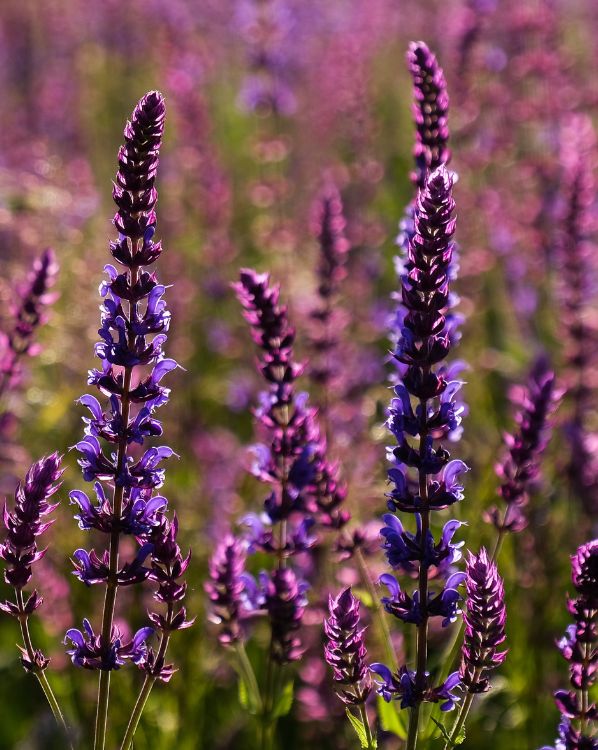
Russian sage is one of the most elegant and practical companion plants for coneflowers. Its tall, silver-gray stems and soft lavender-blue flowers add texture, movement, and a cooling tone that pairs beautifully with the bold structure of coneflowers.
Where coneflowers stand upright and offer large, daisy-like flowers, Russian sage weaves between them with its airy branches and fine blossoms, creating a soft, cloud-like effect that dances in the wind.
Both plants thrive in full sun and dry, well-drained soil. They are perfect for hot, open spaces where many other plants would struggle.
Once established, Russian sage is drought tolerant and low maintenance. It does not need much fertilizer or water, and it stands strong through heat and poor soil.
The contrast between Russian sage’s loose, wispy form and the sturdy blooms of coneflowers adds visual interest and balance to the garden.
This combination also attracts pollinators. Russian sage draws in bees and hummingbirds, while coneflowers are a magnet for butterflies. Together, they bring steady movement and life to your flower beds.
Russian sage starts blooming in mid to late summer, just as coneflowers are reaching their peak. The long bloom time of both plants ensures weeks of color and texture.
To keep Russian sage healthy, prune it back in early spring before new growth begins. This encourages bushier stems and a cleaner shape through the growing season.
In mixed borders or wildflower gardens, Russian sage serves as a graceful backdrop or soft divider between other flowering perennials.
When paired with coneflowers, the result is a natural, sun-loving display that feels wild yet refined. It is a reliable pairing that adds height, scent, and softness to any summer landscape.
Black-Eyed Susan
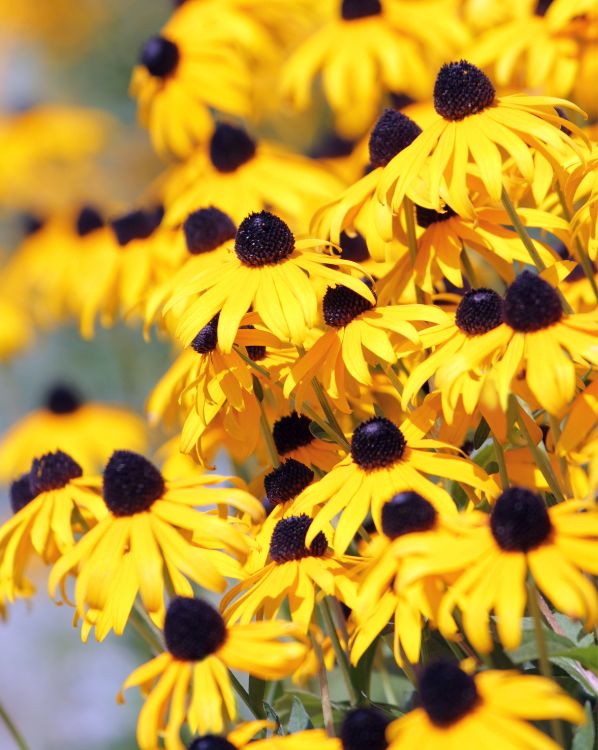
Black-eyed Susans are one of the most natural and effective companions for coneflowers. They share the same growing conditions, bloom time, and pollinator appeal, making them an easy choice for gardeners who want color and balance.
With their golden yellow petals and deep brown centers, black-eyed Susans offer a bright contrast to the most common coneflower hues of purple, pink, or white.
This warm-and-cool color mix makes both plants stand out more vividly. When planted together, they create a glowing summer display that feels cheerful and wild at the same time.
Both plants grow to a similar height, typically two to four feet tall. This means they fill in beds evenly and look balanced when placed side by side. Their upright habits also make it easy to layer them with shorter or taller plants around the edges.
Black-eyed Susans bloom from mid-summer to early fall, overlapping perfectly with coneflowers. This gives your garden a long season of continuous color with very little upkeep.
They both tolerate drought, heat, and less-than-perfect soil. Once established, they need minimal watering and are rarely bothered by pests or deer.
In addition to visual appeal, both plants support pollinators and songbirds. Bees and butterflies visit the flowers, while birds often feed on the dried seed heads later in the season.
You can grow black-eyed Susans in cottage gardens, meadow plantings, or native borders. They spread over time, filling in bare spots and creating lush, full beds.
When paired with coneflowers, the result is a garden that feels strong, balanced, and alive. These two plants were made for each other, offering long-lasting blooms, easy care, and a partnership that grows better every year.
Yarrow
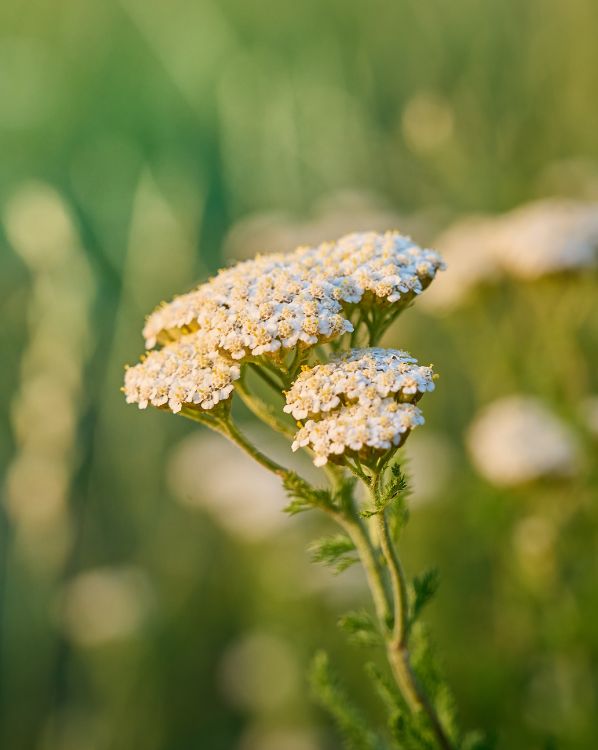
Yarrow is one of the most dependable and versatile companions for coneflowers. Its flat-topped flower clusters and feathery green foliage offer a striking contrast to the upright form and bold petals of coneflowers.
The blooms of yarrow come in a wide range of colors, including white, yellow, pink, and red, making it easy to match or contrast with the shades of your coneflowers.
Yarrow thrives in the same sunny, well-drained conditions that coneflowers love. It tolerates poor soil, drought, and hot summers without complaint.
This makes it especially useful in dry gardens, wildflower meadows, or cottage-style beds where resilience is just as important as beauty.
Both yarrow and coneflowers attract beneficial insects, including bees, butterflies, and ladybugs. By planting them together, you not only create a colorful landscape but also support a healthier garden ecosystem.
Yarrow’s bloom period stretches through summer, and with occasional deadheading, it may bloom again later in the season.
It also spreads gently by underground stems, filling in spaces and creating a soft green base around the feet of taller plants like coneflowers. This layered look adds depth and texture to your flower bed, while helping to shade the soil and suppress weeds.
Because yarrow is a low-maintenance perennial, it is easy to care for. Cut it back in the fall or early spring to keep it looking tidy.
In arrangements, yarrow also pairs beautifully with coneflowers in fresh or dried bouquets. Its sturdy stems and long-lasting blooms hold up well both in the garden and indoors.
The pairing of yarrow and coneflowers delivers contrast in color, shape, and height while sharing the same rugged nature.
Together, they create a garden that looks full, blooms long, and stands strong through summer sun and dry spells.
Salvia
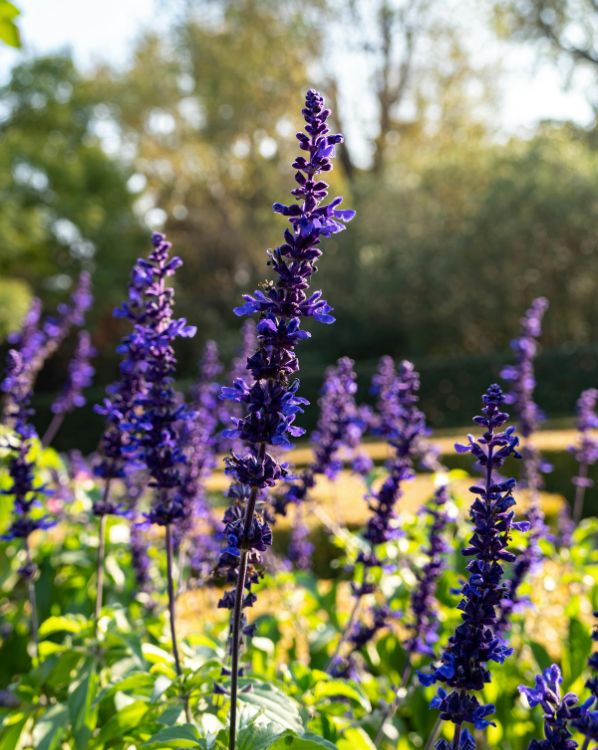
Salvia is a bold, beautiful addition to any coneflower garden, offering strong vertical lines, vibrant color, and outstanding pollinator appeal.
Its tall flower spikes rise above soft green leaves and bloom in shades of blue, purple, red, or pink, depending on the variety. This vivid color stands out sharply against the rounded blooms of coneflowers, adding structure and dimension to the planting area.
Both salvia and coneflowers love full sun and well-drained soil. They are tough, drought tolerant, and low maintenance, making them ideal partners in dry or challenging spots.
Salvia begins blooming in late spring or early summer and often reblooms after being deadheaded. This bloom cycle complements the timing of coneflowers, giving your garden a steady stream of color that carries through the heat of the season.
Pollinators flock to salvia. Bees, hummingbirds, and butterflies visit it constantly, and when planted near coneflowers, it increases the overall pollinator traffic in your space.
The slender spikes of salvia offer contrast to the spikey, cone-shaped center of coneflowers. This difference in flower shape creates visual variety without clashing in color or form.
Salvia also holds its shape well, growing in neat mounds or upright columns that keep the garden looking organized even during peak summer growth.
Prune salvia back after flowering, or individually deadhead each bloom, to keep it full and encourage another round of blooms.
Like coneflowers, it is deer resistant and tolerant of dry conditions, meaning you can plant the two together in areas that get less water or attention.
Whether you are building a formal border or a natural pollinator patch, salvia adds vibrant energy and structure that perfectly complements coneflowers. This pairing gives your garden color, movement, and life from the ground up.
Little Bluestem Grass
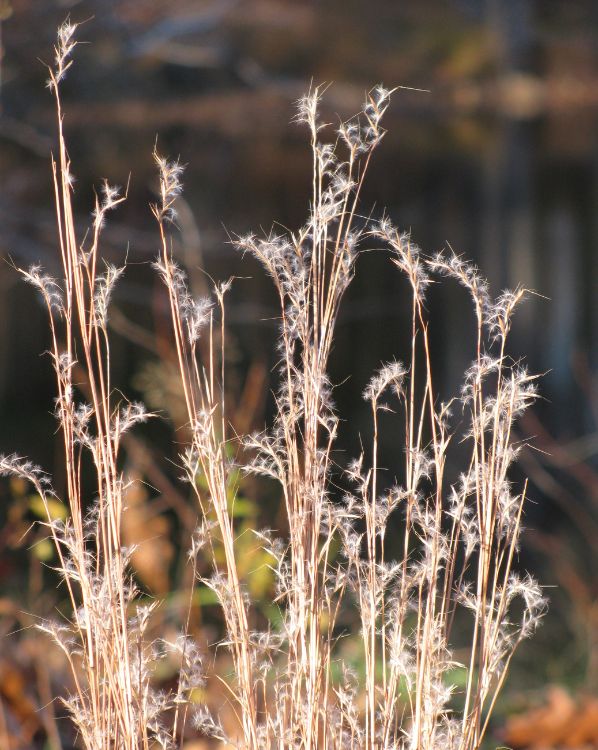
Little bluestem grass is a graceful, upright native grass that pairs beautifully with coneflowers in both structure and color.
While coneflowers bring bright blooms and bold flower heads, little bluestem offers texture, movement, and seasonal interest that lasts well beyond the summer.
This grass starts as a tidy bluish-green clump in spring and early summer, growing to a height of about one to two feet tall. As summer progresses, the foliage develops blue-green tones with hints of red or bronze, providing a soft contrast to the purples, pinks, and whites of coneflower blossoms.
In late summer to early fall, little bluestem produces delicate flower spikes that add height of up to five feet and sway gently with every breeze.
The combination of upright blooms and flowing grass creates a prairie-like effect that feels natural and serene.
Both plants prefer full sun and well-drained soil. They can tolerate dry conditions, poor soil, and heat, making them ideal for low-maintenance and water-wise gardens.
Little bluestem is a great structural element. Its narrow habit allows it to fit between flowering plants without crowding them, and it helps hold the shape of the bed as blooms begin to fade.
In fall, the foliage turns a rich rust-orange or burgundy, giving your garden a stunning glow even as other plants begin to go dormant.
The grass also provides cover for small wildlife and remains attractive through winter, offering interest when most perennials are cut back.
Because it is a prairie plant and deer resistant, little bluestem blends seamlessly into wildflower gardens, natural landscapes, and pollinator patches.
When combined with coneflowers, it adds vertical interest, seasonal color shifts, and a calm, steady presence in the background. This pairing feels intentional, layered, and beautifully balanced from midsummer into the cold months ahead.
Final Thoughts
Coneflowers are bold, reliable, and beautiful on their own, but the right companions make them even better.
Plants like Russian sage, black-eyed Susans, yarrow, salvia, and little bluestem grass offer contrast in color, height, and texture while sharing the same love for sun and well-drained soil.
Together, they form a vibrant, low-maintenance garden that supports pollinators and thrives through heat and drought.
Each plant complements the others, filling gaps, extending the bloom season, and adding natural beauty that feels effortless.
With thoughtful pairings, your coneflower garden can stay colorful, healthy, and full of life from summer through fall.