
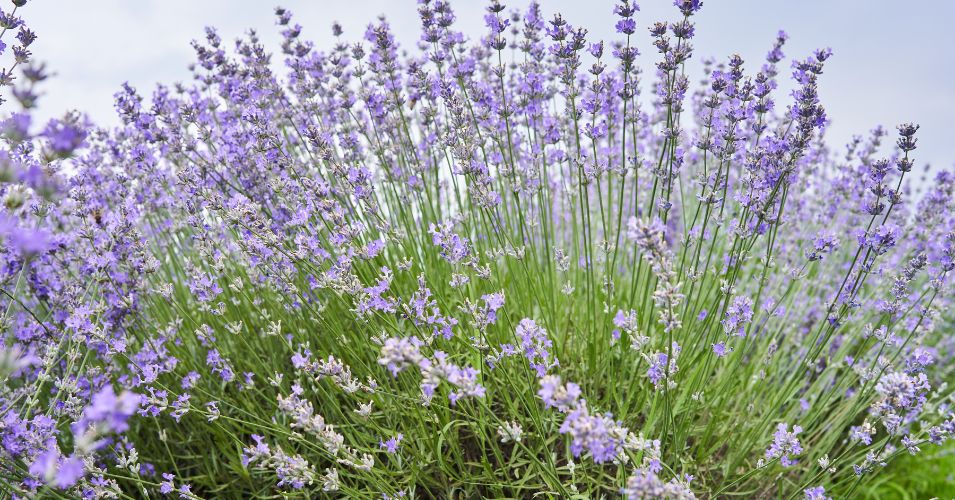
Lavender has earned its place in gardens thanks to its fragrant flowers, silvery foliage, and ability to attract bees.
Even so, it is not always the right plant for every outdoor space. Heavy soil, humid summers, or harsh winters can make it difficult to grow successfully, prompting many gardeners to look for alternatives.
Fortunately, there are plenty of attractive alternatives that offer beautiful blooms, pleasant scents, and plenty of seasonal interest.
Whether you want to fill a sunny border, create a wildlife-friendly garden, or try something different, these plants can provide the same charm while being better suited to your growing conditions.
Plants That Thrive in Hot and Sunny Gardens
Hot, sunny gardens can be difficult places to grow plants that prefer cooler temperatures or consistent moisture. While lavender is often recommended for these conditions, it is far from the only option.
Many plants are just as happy baking in the sun and can produce months of color with very little maintenance. If your garden has well-drained soil and receives full sun for most of the day, these alternatives are well worth considering.
Rosemary is one of the closest matches to lavender in both appearance and growing habits. Native to the Mediterranean, it thrives in warm climates with long, dry summers and dislikes sitting in wet soil.
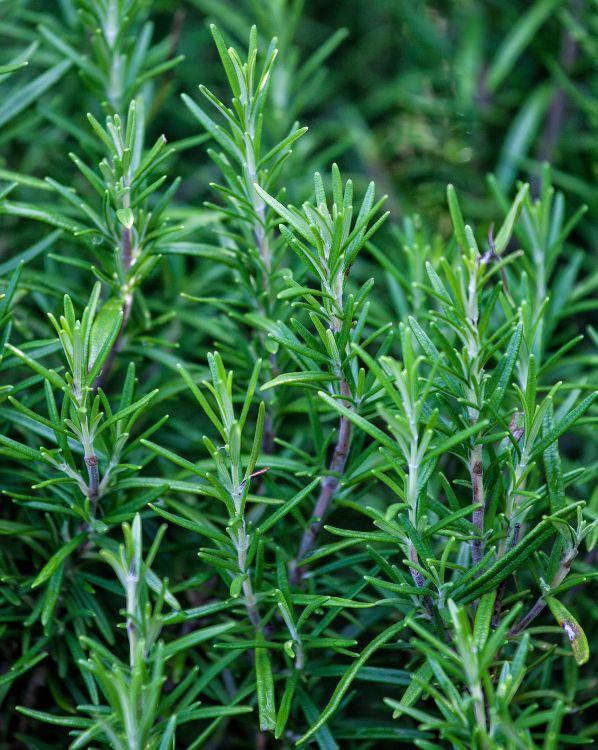
Once established, it needs very little watering, making it a practical choice for gardeners looking to reduce maintenance. The evergreen foliage provides year-round interest, while clusters of pale blue flowers appear during spring and sometimes again later in the season.
There are plenty of ways to include rosemary in the garden. It looks attractive lining pathways, planted as a low hedge, or mixed with other drought-tolerant herbs and shrubs. It also grows well in containers, which is especially useful in colder climates where plants may need protection during winter.
Russian sage is another reliable option for sunny locations where other plants may struggle. It copes well with heat, dry soil, and periods without rain, producing tall stems covered in soft purple flowers throughout much of summer.
The silvery foliage gives borders a lighter appearance and provides contrast against darker green plants.
Because of its height, Russian sage is often planted towards the back of borders or alongside ornamental grasses, where it creates movement as the stems sway in the breeze. It also works well in natural style planting schemes and cottage gardens, adding color without demanding constant attention.
For gardeners who enjoy the look of lavender but need something even tougher, Russian sage is an easy choice.
Flowering Alternatives That Attract Pollinators
One of the biggest reasons people grow lavender is the steady stream of bees and butterflies it brings into the garden. If supporting pollinators is your main goal, there are plenty of other flowering plants that provide just as much value while adding their own unique character.
By choosing a mix of species, you can also extend the flowering season and provide nectar for much longer.
Catmint is often one of the first plants recommended as a lavender substitute, and it is easy to see why. Its soft purple-blue flowers create a similar effect, especially when planted in generous drifts along borders or pathways.

It performs best in full sun but also copes with light shade, making it suitable for more gardens than lavender. Once established, catmint handles dry spells well and asks for little more than an occasional trim to encourage another flush of flowers.
The relaxed shape of catmint makes it ideal for softening the edges of paths, filling gaps between shrubs, or spilling over low walls. Throughout the flowering season, bees and butterflies regularly visit the blooms, bringing extra life and movement to the garden.
Hyssop is another excellent plant for attracting beneficial insects. It prefers sunny positions and well-drained soil, growing particularly well in areas with warm summers and relatively dry conditions.
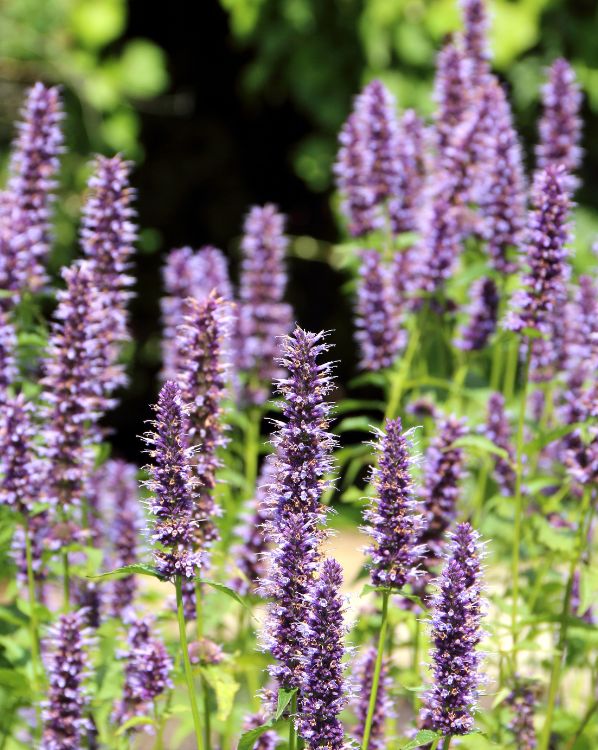
During summer, upright flower spikes appear in shades of blue, purple, pink, or white, creating a colorful display that lasts for weeks.
Its neat, upright habit makes hyssop a versatile addition to herb gardens, wildlife gardens, and mixed borders. The aromatic leaves add another layer of interest, while the flowers provide a reliable food source for pollinators throughout the season.
If you want a garden that feels busy with bees while still looking colorful and tidy, hyssop is a rewarding alternative to lavender.
Fragrant Plants That Create a Relaxing Garden
Few things make a garden feel more inviting than a pleasant fragrance drifting through the air.
A scented border can completely change the atmosphere, especially during warm evenings when the perfume from nearby flowers becomes more noticeable. If lavender is not the right fit for your garden, there are plenty of other plants that can provide the same welcoming experience.
Mock orange is often grown for one reason above all else. Its flowers produce a rich, citrus-scented fragrance that can easily fill a small garden while in bloom. The shrub is happiest in full sun, although it also grows well with a little afternoon shade.
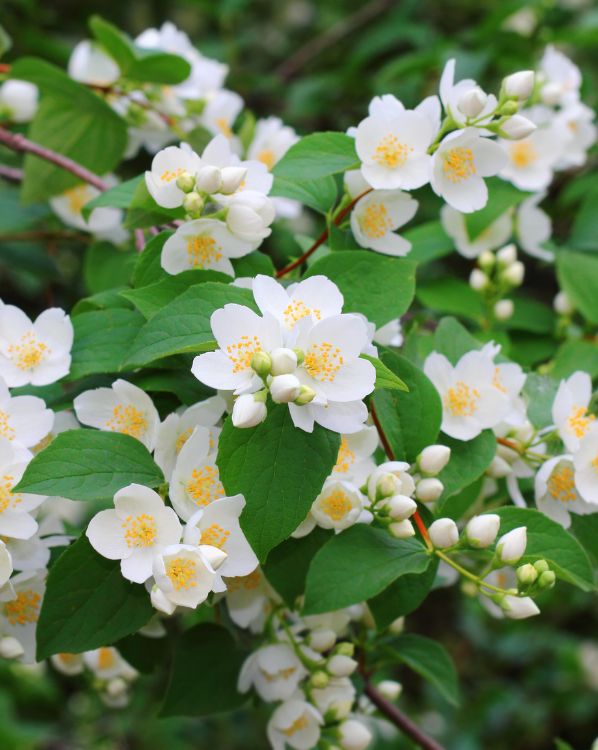
Most well-drained soils suit it, and once established, it is a dependable choice for many temperate climates.
Because it develops into a substantial shrub, mock orange is often planted near patios, along boundaries, or as part of a mixed border. When it flowers in late spring and early summer, it becomes a natural focal point that draws people outdoors to enjoy its scent.
Garden phlox offers a different kind of fragrance. Rather than coming from a shrub, its sweet perfume rises from large clusters of colorful flowers that bloom throughout summer.
It prefers full sun in cooler regions but appreciates some protection from intense afternoon heat in warmer climates. Unlike many drought-tolerant plants, it benefits from soil that stays reasonably moist.
Its upright growth makes it useful for adding height towards the middle or back of a border, where the flowers stand above surrounding plants without dominating the space. It also blends beautifully with cottage garden planting, bringing color, fragrance, and butterflies together in one display.
Low Maintenance Choices for Everyday Landscapes
Some plants seem to look after themselves. Once they have settled into the garden, they continue returning year after year with very little attention. If you would rather spend your weekends enjoying your garden than constantly working in it, choosing reliable plants can make all the difference.
Yarrow is one of the toughest flowering perennials you can grow. It thrives in full sun and copes with dry, less fertile soils that would leave many other plants struggling. Throughout the summer, broad flower heads appear in shades ranging from soft white to bright yellow, pink, orange, and red, bringing long-lasting color with very little effort.
Its natural appearance makes it particularly effective in wildlife gardens, cottage borders, and informal planting schemes. Even after flowering, the sturdy stems continue adding structure until they are cut back later in the season.
Santolina is another dependable choice, though it creates interest differently. Its compact shape and silvery foliage provide color throughout the year, while small yellow flowers appear above the leaves during summer.
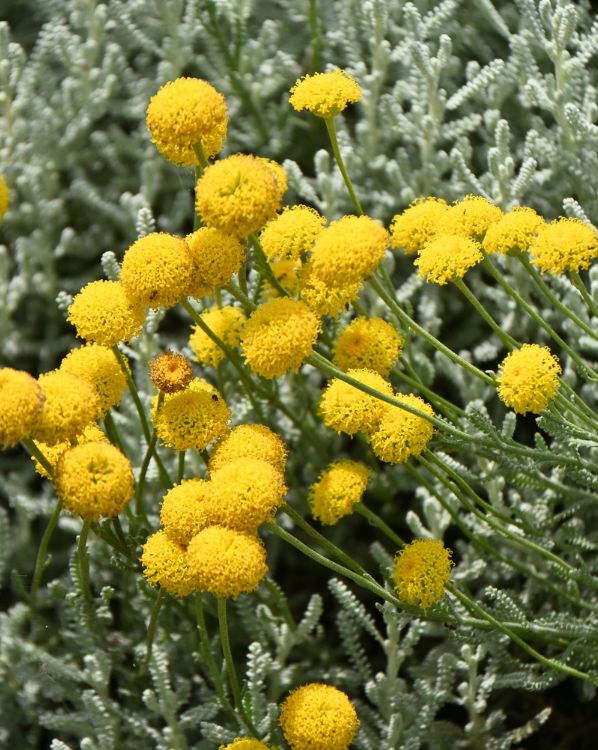
It enjoys full sun and free-draining soil, making it especially suitable for dry climates where watering is kept to a minimum.
Gardeners often use santolina to edge pathways, define borders, or add texture to gravel gardens and Mediterranean-inspired planting.
An occasional trim helps it maintain its neat, rounded shape, but beyond that, it asks for very little, making it an excellent option for low-maintenance landscapes.
Choosing Plants for Shaded Areas
Not every garden is blessed with full sun. Trees, fences, and nearby buildings can leave borders in the shade for much of the day, making it difficult to grow lavender.
Rather than fighting those conditions, it is often easier to choose plants that naturally prefer a little less sunlight. Many of them bring just as much character to the garden, whether through fragrance, flowers, or attractive foliage.
Sweet box is one of those plants that tends to surprise people. Its tiny white flowers are easy to overlook, yet they release a remarkably strong fragrance during late winter when very little else is blooming.
It grows comfortably in partial or full shade and prefers moist, well-drained soil, making it a reliable choice for woodland gardens and sheltered borders.
The glossy evergreen leaves keep the shrub looking fresh year-round, so it never leaves a space once the flowers have faded. Placing it near an entrance, seating area, or garden path means its sweet scent can be enjoyed every time you walk past.
Lungwort brings color to the garden much earlier in the year than many flowering plants. Clusters of blue, pink, purple, or white blooms appear in spring, often changing shade as they open. Even after the flowers disappear, the silver-marked leaves continue to draw attention and brighten areas that might otherwise look dull.

Cool, shaded parts of the garden suit lungwort best, especially where the soil stays evenly moist. It settles naturally beneath deciduous trees, around shrubs, or at the front of shaded borders, where its patterned foliage provides interest long after the flowering season has ended.
Final Thoughts
Finding an alternative to lavender is less about replacing one plant and more about choosing something that suits the way your garden grows. Every outdoor space is different, and the plants that thrive in one location may struggle in another.
Instead of looking for an exact match, focus on what matters most to you. That might be fragrance, colorful flowers, year-round structure, or a welcoming space for bees and butterflies.
Once you start planting with your own conditions in mind, it becomes much easier to build a garden that looks healthy and feels balanced throughout the seasons.
The right choice is the one that settles in naturally and continues rewarding you year after year. Sometimes, trying something different is exactly what helps a garden reach its full potential.