
Tall perennials do more than fill space. They shape the entire mood of a garden. A few towering blooms can turn a flat flower bed into a layered, eye-catching landscape that feels lush and alive.
Whether you want privacy along a fence, dramatic color behind shorter flowers, or plants that attract butterflies and birds, tall perennials bring lasting beauty year after year.
Unlike annuals that need replacing each season, these dependable plants return stronger over time.
Tall Cottage Garden Perennials Full of Romantic Charm
Few garden styles feel as inviting and timeless as a cottage garden. Tall perennials are one of the main reasons these spaces look so full and enchanting.
Their soft colors, overflowing blooms, and natural movement create a relaxed atmosphere that feels almost storybook-like. When planted together, these flowers blur hard edges and make even a small yard feel lush and layered.
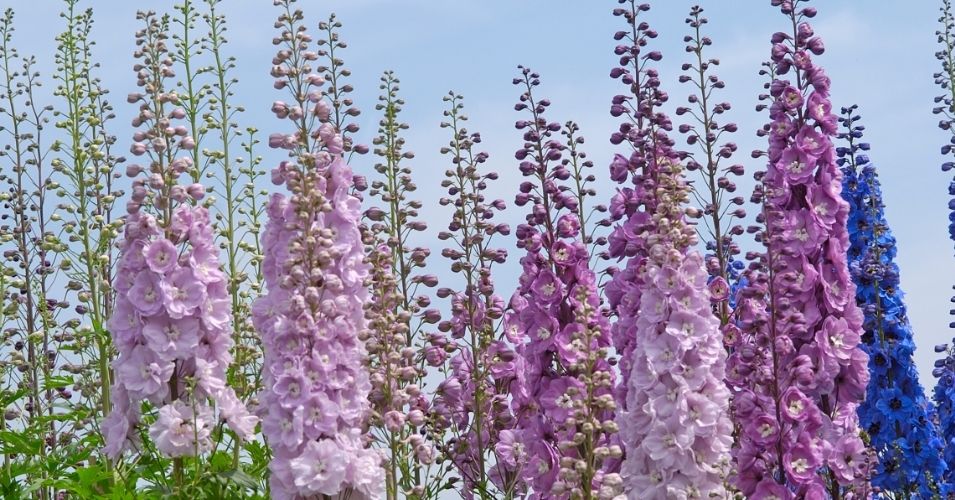
Delphiniums are among the most loved cottage garden perennials for adding height. Their towering flower spikes rise above surrounding plants in shades of blue, purple, pink, and white. They instantly draw attention and give flower beds a graceful vertical shape.
Hollyhocks create a similar effect, especially when planted along fences or walls. Their tall stems are covered in blooms during summer, bringing old-fashioned charm that never feels outdated.

Foxgloves are another favorite for romantic gardens. Their bell-shaped flowers attract bees while adding a soft woodland feel. They pair beautifully with roses, peonies, and lavender because their vertical shape contrasts with rounder flowers.
Garden phlox also works well in cottage-style borders. It grows tall without looking stiff and fills the garden with bright clusters of blooms that last deep into summer.
What makes cottage garden perennials so appealing is the way they interact with one another. Plants spill over pathways, lean gently into neighboring flowers, and create a layered look that feels effortless. The garden never appears too perfect or overly planned. Instead, it feels alive and welcoming.
Tall cottage perennials also help smaller flowers stand out. Low-growing plants like catmint, dianthus, and creeping thyme look even more colorful when framed by towering blooms behind them. This mix of heights gives the garden depth and keeps the eye moving naturally through the space.
Shade-Loving Tall Perennials That Brighten Dark Corners
Shady gardens often get overlooked when people plan colorful landscapes, but the right tall perennials can completely transform these cooler spaces.
Instead of looking dull or empty, shaded corners can become rich in texture, height, and long-lasting color. Tall, shade-loving plants also help gardens feel fuller by softening fences, walls, and dark edges beneath trees.
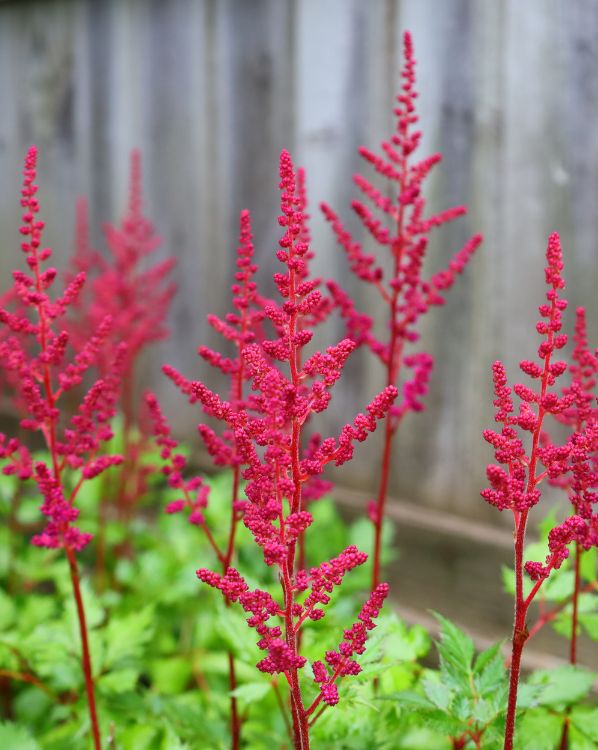
One of the most elegant choices for shade is astilbe. Its feathery flower plumes rise above deep green foliage, bringing softness to areas that need more life. Shades of pink, white, red, and lavender brighten dark beds without feeling overwhelming.
Goat’s beard creates an even bolder effect with large creamy flower sprays that almost resemble giant astilbe blooms. It works especially well in woodland-style gardens where a natural look is preferred.
For dramatic foliage, Rodgersia is hard to ignore. Its oversized, textured leaves give shaded spaces a tropical appearance, while tall flower stalks add extra height in summer.
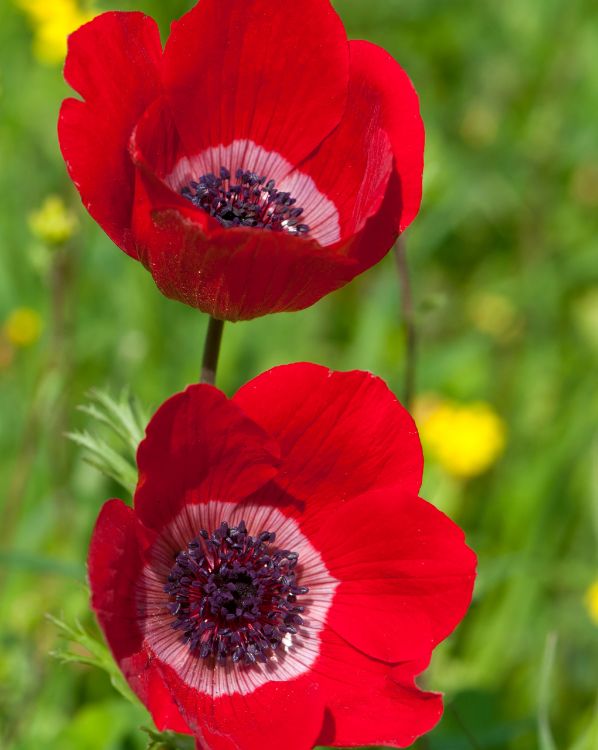
Japanese anemones also thrive in partial shade and provide delicate blooms later in the season, when many woodland plants begin to fade. Their tall stems sway gently in the breeze, helping darker areas feel lighter and more open.
Texture plays a huge role in shade gardens because flowers are often softer and more subtle than those in sunny spaces. Plants like Ligularia bring large glossy leaves that create contrast beside finer foliage.
Meanwhile, bugbane sends tall, bottlebrush-shaped flowers high above garden beds and adds movement to still areas beneath trees.
Layering different leaf shapes is what truly makes shade gardens stand out. Broad foliage mixed with airy blooms keeps the space from looking flat or heavy. Tall shade perennials also reflect light in surprising ways, especially when white or pale colored flowers are included.
These plants prove that shade does not have to limit creativity. In many cases, it creates an entirely different kind of beauty that feels cooler, calmer, and deeply relaxing.
Late Season Bloomers That Keep the Garden Colorful
Many gardens reach their peak in early summer, then slowly lose color as temperatures rise and flowers fade.
Late-season blooming perennials solve that problem by stepping into the spotlight just when the landscape needs fresh energy. These tall plants keep flower beds vibrant well into late summer and fall while adding height and movement.
Joe Pye weed is one of the standout stars of the late-season garden. Its towering mauve flower clusters attract butterflies in huge numbers and create a wild, natural appearance. Despite its impressive size, it blends beautifully with ornamental grasses and other prairie-style plants.
New England asters also become major focal points toward the end of the growing season. Their bright purple, pink, and blue flowers provide color when many other perennials are beginning to fade.
For warm golden shades, goldenrod delivers bold color without demanding much maintenance. Modern varieties are more refined than the wild roadside types many people imagine.
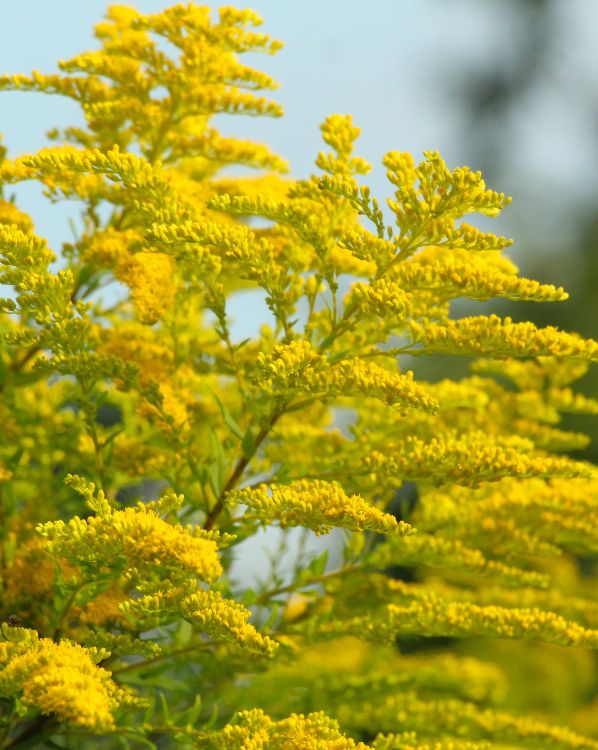
They pair especially well with asters because the contrasting colors create a striking autumn display. Japanese anemones continue blooming into fall, producing elegant flowers that float above the garden on slender stems.
Texture becomes even more important later in the season. Plants like ornamental grasses add softness and movement, while flowering perennials provide bursts of color between fading greenery.
Helenium, also known as sneezeweed, introduces fiery red, orange, and yellow blooms that match the rich tones of autumn landscapes.
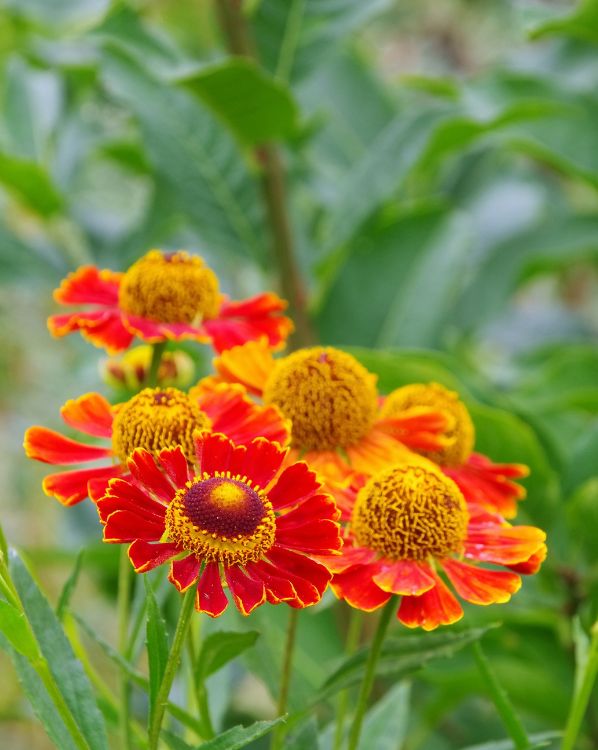
Late-blooming perennials are not only beautiful but also practical. Pollinators rely on these flowers as food sources when nectar becomes harder to find. Bees and butterflies often gather heavily around fall-blooming plants during warm afternoons.
A garden filled with late-season perennials never feels tired or empty. Instead, it evolves through the months and finishes the year with texture, color, and dramatic height that still captures attention even as cooler weather arrives.
Keeping Tall Perennials Upright and Healthy
Tall perennials bring beauty and structure to the garden, but their height can sometimes create challenges. Heavy rain, strong wind, and rapid growth may cause stems to bend or flop over if plants are not properly supported.
Fortunately, a few simple habits can keep these towering blooms looking healthy and upright throughout the season.
The first step is choosing the right location. Most tall perennials grow stronger when they receive enough sunlight and proper air circulation. Plants crowded too closely together often stretch toward light, creating weak stems that collapse more easily. Giving each plant enough room allows it to develop thicker growth and better stability.
Support systems work best when added early. Stakes, cages, and plant supports are much easier to hide when stems are still developing.
Waiting until a plant begins falling apart usually makes the garden look messy and can damage roots during installation. Natural-looking supports made from bamboo or thin metal frames blend into flower beds without drawing attention.
Watering also affects stem strength. Deep watering encourages roots to grow downward rather than remain near the soil surface. Shallow roots make plants more vulnerable during storms and dry weather. Adding mulch around the base helps keep the soil evenly moist while protecting roots from heat stress during summer.
Some gardeners also use a technique called the Chelsea chop. This involves trimming back certain perennials in late spring to encourage bushier growth and shorter, sturdier stems.
Plants like garden phlox, asters, and sedum often respond especially well to this method. The blooms may appear slightly later, but the plants usually become fuller and easier to manage.
Feeding tall perennials carefully is equally important. Too much fertilizer can cause rapid soft growth that bends under the weight of flowers. Balanced feeding encourages healthier stems and more controlled growth throughout the season.
Healthy tall perennials reward gardeners year after year with dramatic color, movement, and texture. A little maintenance keeps them standing proudly and ensures they remain one of the most eye-catching features in the landscape.
Final Thoughts
Tall perennials have a way of transforming ordinary gardens into spaces that feel layered, vibrant, and full of personality.
From romantic cottage blooms to bold prairie plants and graceful shade lovers, these towering flowers create lasting impact in every season. They add height, movement, texture, and color while helping gardens feel more balanced and alive.
One of the greatest advantages of tall perennials is their ability to return stronger year after year. As they mature, they fill borders with richer color and create a more established landscape with very little extra effort.
Many also support pollinators, bringing butterflies, bees, and birds into the garden throughout the growing season.
With thoughtful plant choices and simple care, tall perennials can become the feature that ties an entire landscape together. Whether planted in formal beds or relaxed cottage borders, they bring a sense of drama and beauty that smaller plants alone cannot match.