
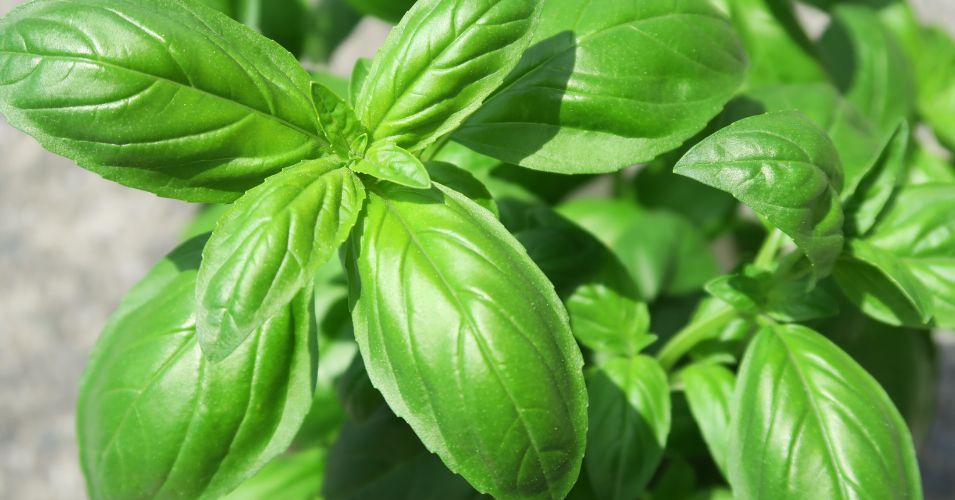
There is nothing quite like picking fresh basil and adding it straight to a meal. Whether it is growing in a backyard, a raised bed, or a small pot on the kitchen windowsill, basil rewards a little care with an endless supply of fragrant leaves.
One of the biggest factors behind healthy growth is choosing the right fertilizer. Natural options provide basil with the nutrients it needs while improving the soil.
In this guide, you’ll discover the recommended natural fertilizers for basil, how to use them properly, and the simple feeding habits that keep plants thriving all season long.
Why Basil Needs the Right Nutrients
Basil has a reputation for being easy to grow, but it is also surprisingly hungry.
Every time it pushes out a flush of fresh leaves, it uses nutrients from the soil. If those nutrients are not replaced, growth gradually slows, and the plant starts producing smaller leaves with less of the rich aroma basil is known for.
Unlike vegetables grown for their fruit, basil is all about leafy growth. That is why nitrogen is so important. It fuels the production of fresh green leaves, helping plants stay full and bushy instead of thin and leggy.
Phosphorus supports healthy roots, giving basil a strong foundation from the moment it is planted. Potassium helps the plant cope with hot weather, frequent harvesting, and other everyday stresses that come with the growing season.
The soil itself plays a big part in how well those nutrients are delivered. Loose, fertile soil holds enough moisture for the roots while still allowing excess water to drain away.
It also creates the right conditions for beneficial organisms that gradually release nutrients as organic matter breaks down. Healthy soil feeds basil in a way that feels steady rather than overwhelming.
Basil grown in containers often needs more regular feeding than plants growing in the ground. Potting mix contains a limited supply of nutrients, and frequent watering slowly washes many of them away. Garden beds usually hold nutrients for longer, although even outdoor plants appreciate an occasional boost during periods of rapid growth.
When basil gets the nutrition it needs, the results are hard to miss. New leaves appear quickly after harvest, stems stay sturdy, and the plant keeps producing rather than slowing down halfway through summer.
Rather than becoming woody and sparse, healthy basil continues rewarding you with fragrant leaves that are perfect for everything from salads to homemade pesto.
Natural Fertilizers for Basil
Natural fertilizers do more than feed basil. They also improve the soil, making it easier for roots to absorb water and nutrients over time. Instead of delivering a sudden burst of nutrition, most organic options release nutrients gradually, which suits basil’s steady growth habit.
Compost is often the first choice for good reason. It adds organic matter, improves soil structure, and provides a wide range of nutrients without being too strong. Mixing compost into the soil before planting or spreading a thin layer around established plants gives basil a reliable source of nutrition throughout the season.
Worm castings are another excellent option if you want to encourage healthy growth without worrying about overfeeding. Rich in beneficial microbes and readily available nutrients, they support vigorous plants while helping maintain healthy soil. A light application around the base of the plant is usually enough to make a noticeable difference.
For gardeners looking to encourage faster leafy growth, fish emulsion is a popular choice. Its high nitrogen content helps basil bounce back after repeated harvesting and encourages fresh shoots to develop. Because it is concentrated, it should always be diluted before use to avoid stressing the roots.
Seaweed fertilizer offers something slightly different. While it is not especially high in nitrogen, it contains valuable trace minerals that support overall plant health. Many gardeners use it alongside compost or fish emulsion rather than relying on it by itself.
Compost tea is another gentle option that works well throughout the growing season. It delivers small amounts of nutrients while introducing beneficial microorganisms that help keep the soil active and healthy. Used every couple of weeks, it provides steady support without encouraging excessive growth.
There is no single natural fertilizer that works best in every garden. Instead, the healthiest basil usually comes from combining a few organic options.
Compost builds the soil, worm castings provide ongoing nutrition, and occasional applications of fish emulsion or seaweed fertilizer help keep plants growing strongly from spring until the final harvest.
How to Feed Basil Without Overdoing It
Feeding basil is less about sticking to a strict schedule and more about paying attention to the plant.
Healthy basil usually tells you when it is happy. It keeps producing fresh leaves, the color stays vibrant, and new growth appears after every harvest. If all of that is happening, there is little reason to add more fertilizer.
Many gardeners make the mistake of feeding basil too often, thinking it will lead to faster growth. Unfortunately, that approach can backfire.
A plant that receives too much fertilizer often grows tall and soft instead of full and bushy. The leaves may look impressive at first, but they can lose some of the strong fragrance and flavor that make fresh basil so enjoyable.
If you enriched the soil with compost before planting, basil may not need another feeding for several weeks. After that, a light application of an organic fertilizer every three to four weeks is usually enough for plants growing in the ground.
Basil in containers often needs a little more attention because nutrients gradually leach from the potting mix as it is watered regularly.
It also helps to water before applying liquid fertilizers. Moist soil allows the roots to absorb nutrients more evenly and reduces the risk of plant stress. Once feeding is finished, continue watering as usual rather than letting the soil dry out completely.
Regular harvesting works alongside fertilizing. Every time you pinch off the growing tips, the plant responds by producing more branches and more leaves. That extra growth uses nutrients, so an occasional feeding helps replace what has been used without overwhelming the plant.
When in doubt, use less rather than more. Basil recovers much more easily from slightly lean conditions than it does from excessive fertilizer. A gentle feeding routine encourages steady growth, healthy foliage, and better flavor throughout the season.
Should You Use Synthetic Fertilizers on Basil?
Synthetic fertilizers have their place, but they are not the first choice for every basil plant. They work quickly because the nutrients are immediately available to the roots.
If basil is struggling from a clear nutrient shortage, that fast response can be useful. The downside is that it becomes much easier to apply more than the plant actually needs.
One of the most common results of overusing synthetic fertilizer is rapid leafy growth that looks healthy from a distance but lacks the rich aroma people expect from fresh basil. The plant may also become more vulnerable to weak stems and fertilizer burn if applications are too strong or too frequent.
Organic fertilizers behave differently. They release nutrients gradually as natural materials break down, giving basil a more consistent supply of nourishment over time. At the same time, they improve the soil itself by adding organic matter that supports beneficial microbes and better moisture retention. Those benefits continue long after the nutrients have been used.
That does not mean synthetic fertilizers should be avoided completely. Some gardeners prefer them because they are easy to measure and deliver predictable results. They can also be helpful for container plants that have exhausted the nutrients in their potting mix.
If you decide to use a synthetic fertilizer, look for a product with a slightly higher nitrogen content, such as a 10-5-5 or 12-6-6 NPK ratio. These formulas encourage leafy growth without supplying excessive phosphorus, which basil does not need in large amounts.
Apply at half the recommended strength whenever possible, especially for container-grown plants, to reduce the risk of overfertilizing.
For most people growing basil at home, natural fertilizers remain the better long-term solution. They encourage healthy growth without pushing the plant too hard, and they improve the soil at the same time.
Synthetic fertilizers can still be useful in certain situations, but they work best as an occasional supplement rather than as the main source of nutrition.
Common Fertilizing Mistakes That Hold Basil Back
Growing healthy basil is often more about avoiding mistakes than finding the perfect fertilizer.
Many gardeners start feeding as soon as a plant looks slightly unhappy, but fertilizer is not a cure-all. In fact, using it at the wrong time can slow basil down rather than help it recover.
Overfeeding is easily the most common mistake. Basil responds to excess nutrients by producing quick, soft growth that looks lush at first. It sounds like a good result, but those leaves are often less fragrant, and the stems can become so weak that they bend under their own weight.
Slow, steady growth almost always produces a stronger and more productive plant.
Another habit that causes trouble is fertilizing on a fixed schedule without checking how the basil is actually growing. A plant that is producing fresh leaves every week probably has all the nutrients it needs. Adding more simply because the calendar says it is time rarely offers any real benefit.
Poor watering habits are sometimes mistaken for nutrient deficiencies. Leaves that turn yellow or begin to droop may be reacting to soggy roots or dry soil rather than a lack of fertilizer. Before reaching for another feed, it is worth checking the soil moisture and making sure the plant receives enough sunlight each day.
It is also easy to overlook the condition of the soil itself. Basil planted in rich, compost-filled soil usually needs far less fertilizer than basil growing in tired or compacted soil. Improving the soil often has a greater impact than changing fertilizers, especially over the long term.
The simplest approach is usually the most successful. Feed lightly, observe how the plant responds, and make small adjustments when necessary. Basil is a forgiving herb, and it rewards patience far more than heavy-handed fertilizing.
A healthy plant does not need constant attention. It simply needs the right conditions to keep doing what it naturally does best.
Final Thoughts
The best natural fertilizer for basil is the one that supports healthy, consistent growth without encouraging excess. Compost is an excellent place to start, while worm castings, fish emulsion, and seaweed fertilizer can all provide extra nutrition when the plant needs it.
Remember that fertilizer is only one part of successful basil care. Healthy soil, regular watering, plenty of sunlight, and frequent harvesting all work together to keep plants productive. When those basics are in place, feeding becomes a way to maintain growth rather than rescue struggling plants.
Instead of chasing rapid results, focus on building a healthy growing environment. Basil responds well to that steady approach, rewarding you with full plants, fragrant leaves, and a harvest that lasts throughout the season.