
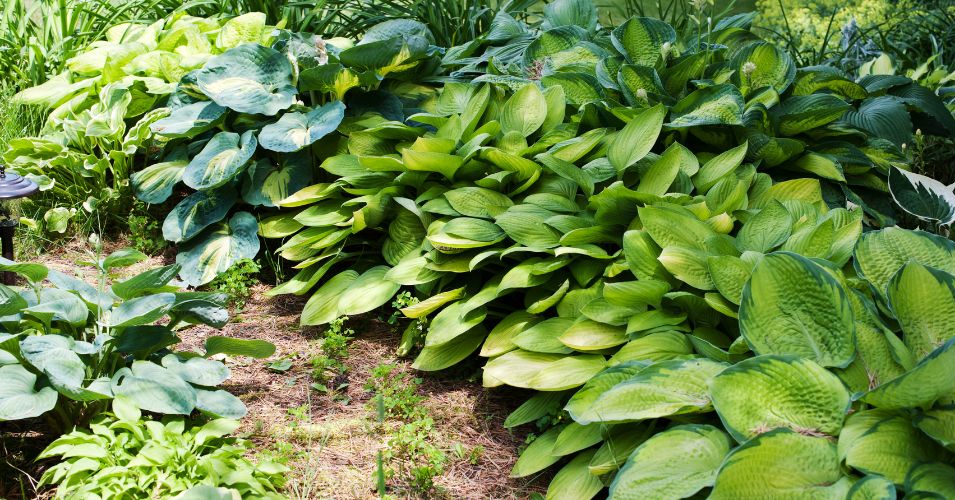
Hostas are often the first plant that comes to mind when gardeners want lush, leafy texture in their landscapes. Their large leaves can brighten a planting bed and create the kind of full, established look that many people love.
The problem is that most hostas are far happier in shade than they are in direct sunlight.
If you’ve tried growing hostas in a sunny spot, you’ve probably noticed scorched leaves, fading color, or plants that never seem to look their best. Fortunately, there are plenty of alternatives that offer a similar visual effect without struggling in bright conditions.
From broad-leaved perennials to striking ornamental grasses, these sun-loving plants can fill the same role as hostas while bringing their own unique character to the garden.
Why Hostas Struggle in Full Sun
Few foliage plants have the same visual appeal as hostas. Their broad leaves instantly soften garden beds and create the lush greenery many gardeners strive for. The problem is that hostas were never designed for life under intense sunlight.
In nature, hostas grow in woodland settings where tree canopies shield them from the strongest rays of the day. They are accustomed to dappled light, cooler temperatures, and soil that stays consistently moist. Move them into a location that receives full sun from morning until evening, and the difference quickly becomes noticeable.
The leaves often tell the story first. What was once smooth, vibrant foliage can begin developing brown edges or pale patches. In particularly hot climates, entire sections of the leaf may dry out and become brittle. Even a healthy Hosta can start looking worn down after weeks of relentless sun exposure.
Watering helps, but it is not always enough. Many gardeners assume that extra moisture will solve the problem, only to discover that heat and direct sunlight continue to take a toll on the plant’s appearance. The larger the leaves, the more moisture they lose during hot weather. As temperatures climb, hostas must work harder to stay hydrated.
Sunlight can also affect leaf color. Blue hostas are especially vulnerable because the powdery coating that creates their distinctive color gradually fades when exposed to strong sun. Variegated varieties may lose some of their contrast as well, making them less eye-catching than they would be in partial shade.
This does not mean hostas are poor plants; far from it. They perform best in environments that match their natural growing conditions. For gardeners with sunny yards, choosing plants that naturally thrive in bright light is often a much easier way to achieve the same full, leafy look.
Bergenia Offers the Closest Hosta-Like Appearance
If there is one plant that consistently appears on lists of Hosta alternatives, it is Bergenia. A single glance is usually enough to understand why. Its large, rounded leaves create the same sense of fullness that gardeners love about hostas, making it one of the easiest substitutions for sunny areas.
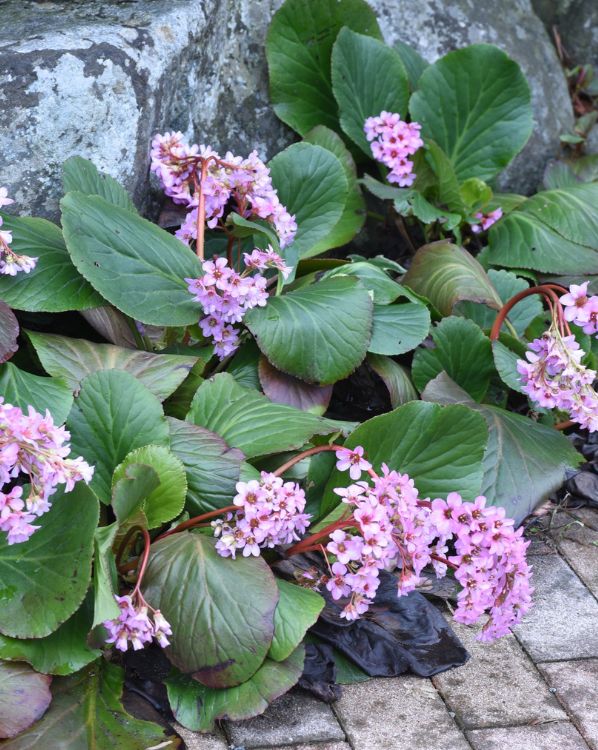
The foliage is what steals the show.
Bergenia forms dense clumps of thick green leaves that remain attractive for much of the year. While Hosta leaves tend to feel soft and delicate, Bergenia foliage has a tougher, almost leathery texture. That extra durability helps it withstand conditions that would leave many hostas looking stressed.
Sunny borders, open garden beds, and foundation plantings are all places where Bergenia can shine. It appreciates moisture but is generally more forgiving than hostas as temperatures rise. Once established, it can handle periods of heat without constantly demanding attention.
Another reason gardeners appreciate Bergenia is its ability to provide interest beyond summer. As cooler weather arrives, the leaves often take on rich shades of burgundy, bronze, or purple. Instead of disappearing into the background at the end of the growing season, the plant develops an entirely new look.
Spring brings a bonus. Clusters of bright flowers appear on upright stems above the foliage, introducing shades of pink, magenta, or white. These blooms arrive early enough to add welcome color when much of the garden is still waking up from winter.
Bergenia may not be an exact copy of a Hosta, but it captures the same visual effect remarkably well. The broad leaves, tidy growth habit, and reliable performance make it one of the closest matches available for gardeners who want a Hosta-inspired look without worrying about too much sun.
Canna Lilies Bring Bold Foliage to Sunny Spaces
If your favorite thing about hostas is the way they fill a garden bed with large, eye-catching leaves, canna lilies deserve a place on your shortlist. They create the same sense of abundance, but they do it in full sun without complaint.
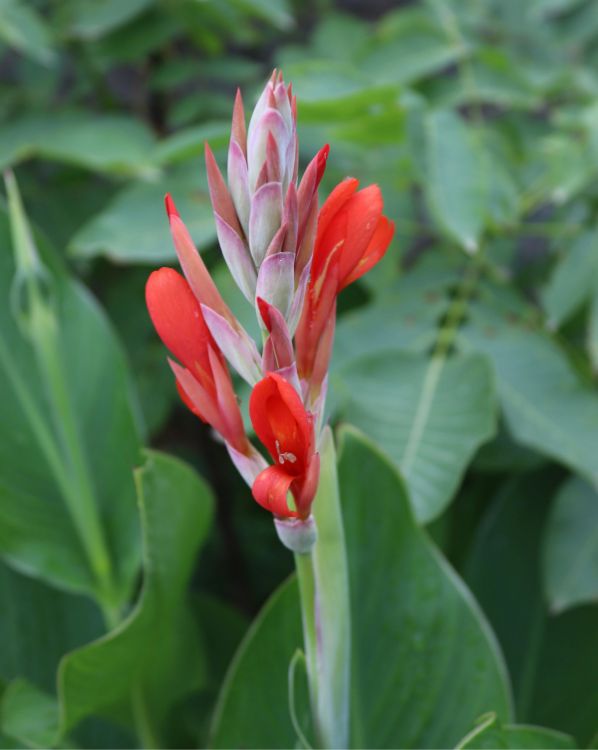
Cannas are impossible to ignore once they start growing. By midsummer, many varieties have developed into tall, leafy clumps that stand well above surrounding plants. Their broad leaves can be nearly as impressive as their flowers, which is saying something considering how colorful the blooms are.
The foliage is what makes them such a strong alternative to hostas. Large paddle-shaped leaves unfurl throughout the season, giving the plant a lush, tropical appearance. Even when cannas are not in bloom, they still draw attention because of their size and texture. Planting several cannas can create the same full, leafy effect that gardeners often use hostas to achieve in shady areas.
Unlike hostas, canna lilies seem to thrive when summer heat arrives. The long, sunny days that cause many shade plants to struggle are exactly what cannas enjoy. Given warmth, moisture, and sunlight, they grow with remarkable speed.
Many gardeners are surprised by the range of foliage colors available. Some varieties feature rich green leaves, while others display shades of bronze, burgundy, or nearly black foliage. Those darker leaves can add dramatic contrast to flower beds and help break up large areas of green.
Of course, the flowers are a bonus. Bright blooms appear above the foliage in shades of red, orange, yellow, and pink, bringing even more energy to the garden. Yet the leaves remain the plant’s greatest asset when viewed as a Hosta substitute.
For sunny yards that need a bold foliage plant, few options make a stronger statement than this one. Cannas bring height, texture, and a sense of drama that can completely change the character of a landscape.
Brunnera, Rodgersia, and Other Large-Leaved Alternatives
Not every gardener wants a tropical-looking landscape. Sometimes the goal is to recreate the soft, leafy character that makes hostas so appealing. That is where plants like Brunnera, Rodgersia, and a handful of other large-leaved perennials come into the picture.
Rodgersia is often the first plant experienced gardeners mention when discussing Hosta alternatives. Its foliage has real presence.
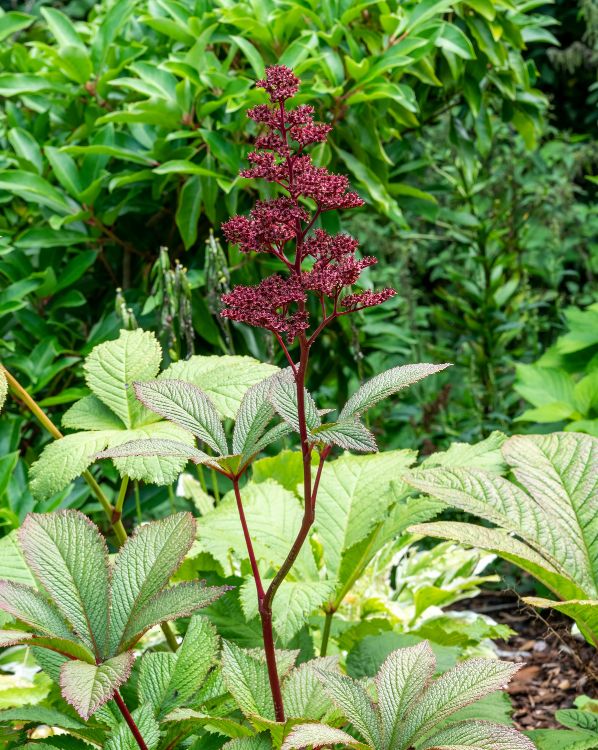
The leaves spread outward in large clusters, creating a dense and established look that feels at home in cottage gardens, woodland borders, and mixed perennial beds. From a distance, a mature Rodgersia planting can provide much of the same visual weight as a group of hostas.
Brunnera offers something slightly different. The leaves are not as massive, but their heart-shaped form gives them a familiar appearance. Many varieties feature silver markings that catch the light and brighten darker corners of the garden. In spring, delicate blue flowers float above the foliage, adding another layer of charm.
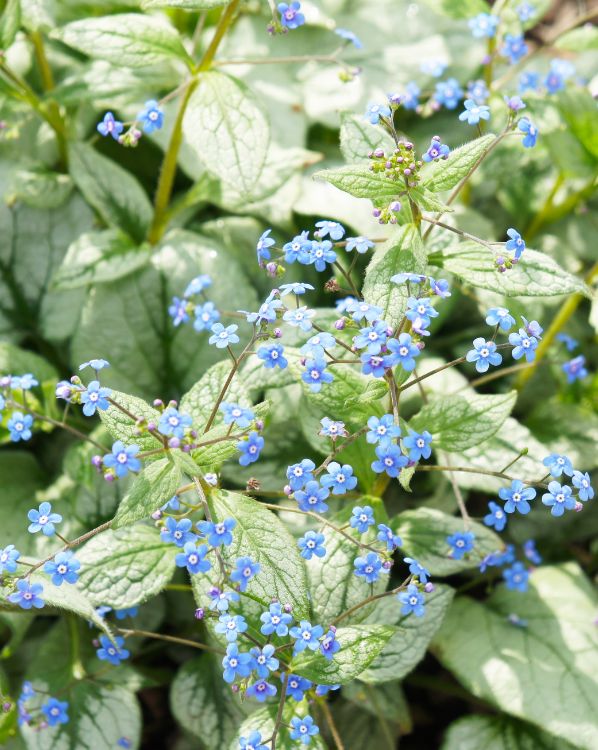
Other plants can also help fill the role of Hosta in sunnier settings. Leopard plant produces bold leaves that stand out among finer textures. Hardy hibiscus contributes impressive foliage and follows it up with enormous blooms later in the season. Darmera produces large, rounded leaves that make a strong visual impact, particularly near water features or in consistently moist soil.
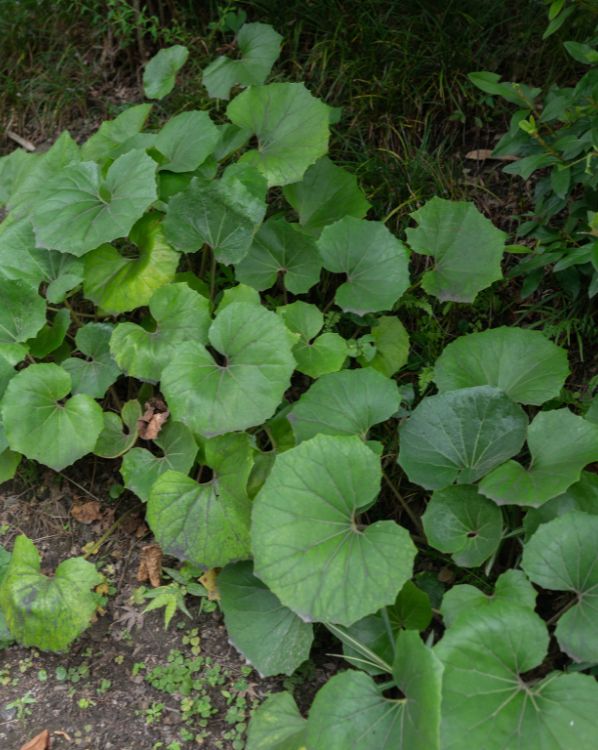
What makes these plants so useful is their ability to provide texture first and flowers second. That is one of the qualities people love most about hostas. The leaves do much of the work.
By combining a few of these alternatives, gardeners can build a landscape that feels full and layered even in areas where traditional hostas would struggle. The result is a garden with the same lush character but far greater flexibility when sunlight becomes part of the equation.
Ornamental Grasses and Foliage Plants That Fill the Same Garden Role
Sometimes it is not the leaf shape that people miss when they cannot grow hostas in full sun. It is the way hostas make a garden feel complete. A mature clump can fill an awkward gap, soften the edge of a pathway, or provide a calm backdrop for showier plants.
Several ornamental grasses and foliage perennials can accomplish the same thing in sunny spaces.
Fountain grass is one of the easiest examples. Its arching blades form neat mounds that naturally fill empty areas in a planting bed.
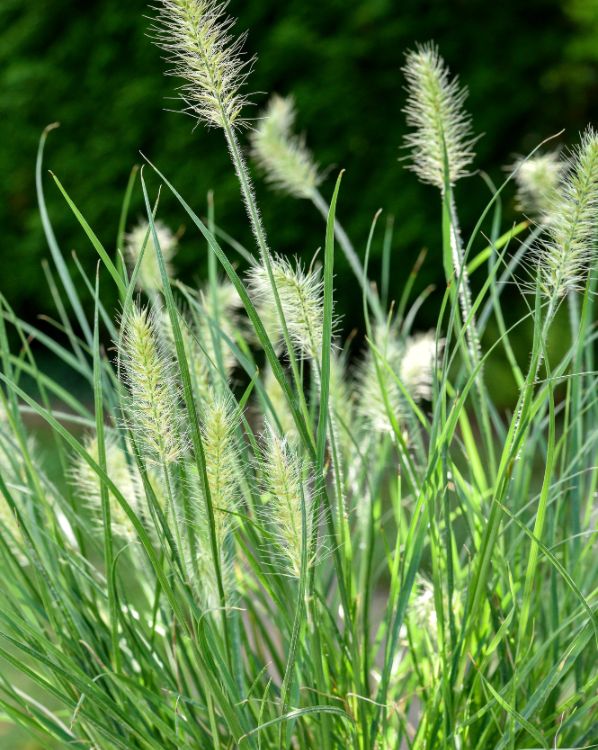
As the season progresses, soft plumes rise above the foliage and sway with every breeze. That movement brings a different kind of beauty to the garden, especially in late summer, when many perennials begin to slow down.
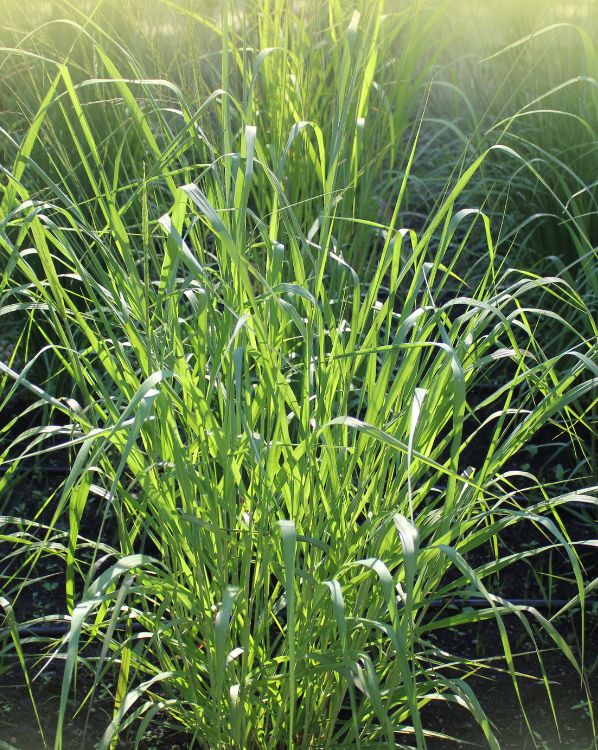
Switchgrass is another strong option. It grows upright rather than outward, making it useful for adding height and structure without overwhelming nearby plants. Many varieties also develop attractive shades of gold, red, or burgundy as autumn approaches, extending their appeal well beyond summer.
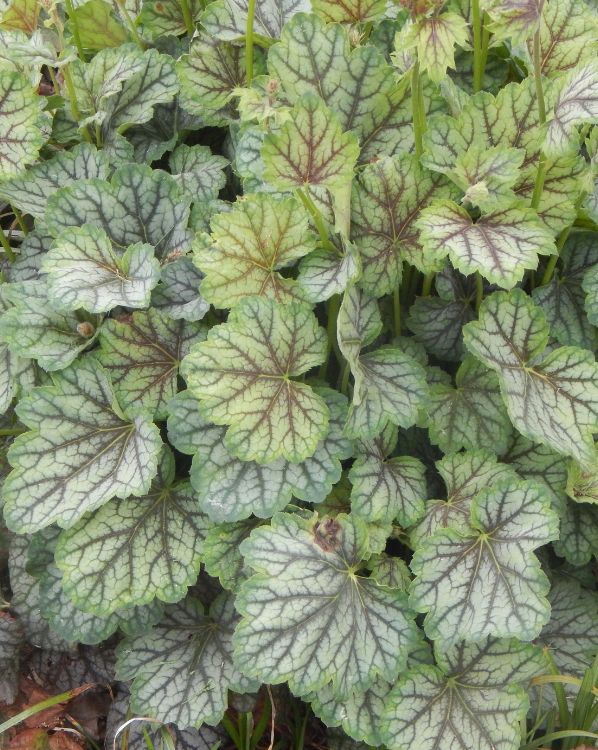
If you prefer foliage plants over grasses, coral bells are worth a look. Their leaves come in an impressive range of colors, from deep purple and copper to lime green and silver. A group of heucheras can provide season-long color much like a collection of hostas, but they are often better suited to sunnier locations.
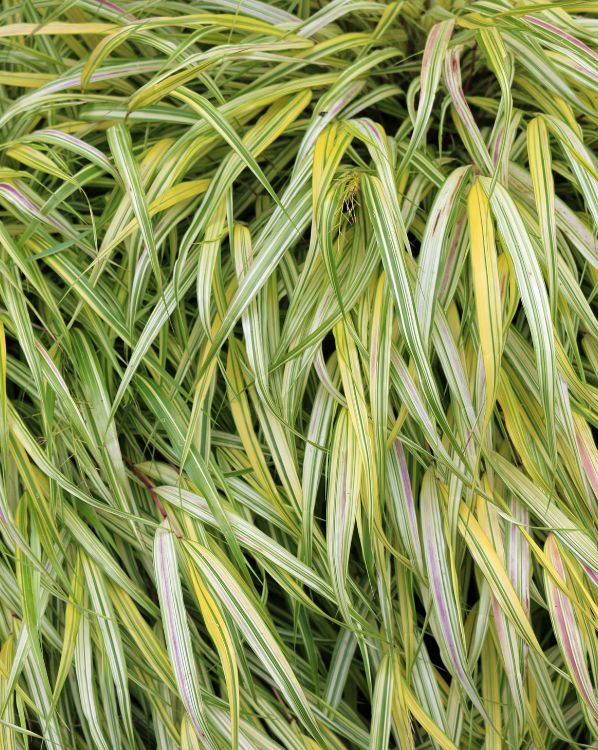
Japanese forest grass can also be surprisingly effective in areas that receive partial sun. Its cascading foliage spills gently over borders and retaining walls, creating a softer, more relaxed appearance than many upright plants.
What all of these plants have in common is their ability to occupy space beautifully. They may not look exactly like hostas, but they perform a similar job in the landscape. They fill gaps, add texture, and help garden beds feel established rather than sparse. In many sunny gardens, that role is every bit as important as flowers.
Final Thoughts
A sunny garden does not mean you have to give up the lush look that makes hostas so popular.
From Bergenia and canna lilies to Rodgersia and ornamental grasses, there are plenty of plants that can deliver the same sense of fullness while thriving in brighter conditions.
The best choice depends on your space, climate, and personal style. Whether you prefer bold tropical foliage or a more traditional garden feel, the right sun-loving alternative can provide all the texture and presence you’re looking for without the challenges that hostas often face in full sun.