
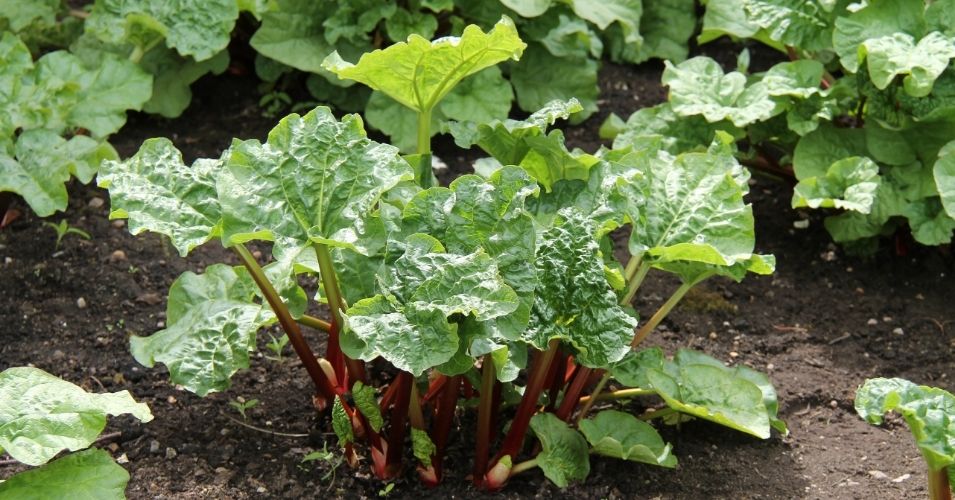
Rhubarb is one of the first crops to wake up in spring, sending up bright red stalks while the rest of the garden still looks sleepy.
But the secret to that early, vigorous growth begins long before the snow melts. How you treat your rhubarb during winter determines how well it performs when the weather warms.
This hardy perennial can survive freezing temperatures, but a little attention before and during winter helps it rest properly and return stronger each year. Protecting the crowns, managing moisture, and preparing the soil all help keep your rhubarb patch healthy and productive.
How Rhubarb Handles the Cold Season
Rhubarb is a tough, resilient plant that actually benefits from winter’s chill. While it might look like it disappears completely beneath the frost, the plant is far from lifeless. What you see above ground dies back, but below ground, the crown and root system enter dormancy, storing energy for the next growing season.
This natural rest period is crucial for rhubarb. The cold weather signals the plant to slow its metabolism and conserve strength. When spring returns and the soil begins to warm, the rhubarb crowns use those stored nutrients to push out new shoots, often long before most vegetables show signs of life.
Because rhubarb needs this cold rest, it actually thrives in climates where winter temperatures drop below freezing. Without a period of dormancy, the plant becomes weak, producing thin, spindly stalks the following year. In mild or warm regions, gardeners sometimes mimic this cold rest by refrigerating divided roots or crowns for several weeks before replanting.
Still, while rhubarb is hardy, it isn’t indestructible. Repeated freezing and thawing, especially in exposed soil, can damage the crowns.
These fluctuations cause a problem known as frost heave, where the soil expands and contracts, sometimes pushing the plant out of the ground. When this happens, the crowns can dry out or freeze completely. Protecting them from these extremes helps the plant stay healthy through winter’s ups and downs.
Rhubarb’s large roots also need insulation to prevent them from drying out in frozen soil. Unlike shallow-rooted plants that can rely on quick moisture recovery in spring, rhubarb’s roots dive deep, and once damaged, they take a long time to heal. Proper mulching and moisture management help keep them protected until growth resumes.
If you’ve ever wondered why some rhubarb plants return stronger than others, the answer often lies in how well they endured the winter. Those that were given care and protection during their dormancy emerge early, with thick, flavorful stalks. Understanding this natural rhythm helps you work with the plant’s needs rather than against them, ensuring many more years of reliable harvests.
By seeing winter as part of rhubarb’s life cycle rather than an interruption, you can take small, smart steps that give it exactly what it needs: rest, protection, and the promise of renewal.
Cleaning and Cutting Back After the Final Harvest
Once you’ve finished harvesting rhubarb for the year, it’s tempting to walk away and let the plant fade on its own. But a minor cleanup before winter goes a long way in keeping the crowns healthy and disease-free. Proper end-of-season care helps the plant enter dormancy in good condition and prevents problems from spreading when growth resumes in spring.
After your final harvest (usually by midsummer in most regions) let the remaining leaves stay on the plant for several weeks. These leaves continue photosynthesizing, helping the roots store up energy for the winter ahead. By early fall, you’ll notice the leaves starting to yellow and the stalks softening. This is your cue that the plant is naturally preparing for dormancy.
Once the foliage has completely died back, cut it down to about an inch or two above the crown. Leaving tall, decaying stalks invites rot, slugs, and fungal diseases. Use clean, sharp shears and dispose of the old leaves rather than composting them, since rhubarb foliage contains oxalic acid and may harbor pests or diseases.
This cleanup also gives you a chance to inspect the crowns closely. Look for any soft or blackened spots that could indicate crown rot, a fungal problem that thrives in cold, soggy conditions. If you spot any signs of rot, carefully remove the affected parts and improve drainage around the plant to prevent recurrence.
Clearing away weeds and debris from the base of the plant is equally important. Weeds compete for moisture and nutrients, while dead leaves and stems can trap moisture against the crown, encouraging decay. A tidy bed allows air to circulate more freely and helps prevent mildew and mold from forming.
After cleanup, avoid the urge to fertilize. Feeding rhubarb late in the season can stimulate new growth that will be damaged by frost. The plant doesn’t need extra energy right now. It’s entering its rest period. Instead, focus on protecting what’s already there.
A final task before the cold truly sets in is to apply a layer of mulch or compost over the cleaned area. This acts as both insulation and a light nutrient source that will break down slowly over winter. It’s the perfect way to wrap up the season and set your rhubarb bed up for success in spring.
Cutting back and cleaning up might feel like saying goodbye for the season, but it’s actually the start of your next crop’s success. A few hours of attention now ensures that when the ground thaws, your rhubarb will wake up strong, healthy, and ready to grow again.
Protect the Crowns from Deep Freezes and Frost Heave
When temperatures drop below freezing, rhubarb crowns face their toughest test of the year. These thick, knobby structures sit just below the soil surface and act as the plant’s energy reservoir.
If they freeze solid or are pushed out of the ground by shifting soil, the plant’s health and productivity can suffer for seasons to come. That is why protecting the crowns through winter is one of the most important steps in long-term rhubarb care.
The biggest winter threat to rhubarb is frost heave. This happens when soil repeatedly freezes and thaws, causing it to expand and contract. Each time it moves, the rhubarb crown can be lifted closer to the surface, exposing it to dry air and bitter cold. Once exposed, even a few nights of hard frost can kill off sections of the crown or damage the growing points that produce next year’s stalks.
To prevent this, start by checking that your rhubarb bed drains well before winter arrives. Crowns sitting in heavy, waterlogged soil are more likely to be damaged when the ground freezes. If the area tends to hold water, you can raise the bed slightly or mix in compost to improve structure and drainage before adding protective layers.
Once the ground begins to cool but before it freezes solid, cover each crown with a generous mound of mulch. Use loose, insulating materials like straw, shredded leaves, or pine needles. These help trap air, which holds heat and keeps the soil temperature more stable. Aim for a layer about four to six inches deep. In colder regions, a thicker cover of up to eight inches may be needed.
Avoid using dense or heavy materials that could pack down tightly, such as wet grass clippings. Compacted mulch can suffocate the crown and trap excess moisture, which encourages rot. It is better to use something fluffy that breathes while still protecting against the cold.
For extra protection in extremely cold climates, you can add a lightweight covering, such as burlap or frost cloth, over the mulch. This shields the bed from wind while still allowing air circulation.
Check the mulch periodically throughout the winter, especially after heavy rain or wind. Add more if it blows away or becomes compacted. Keeping the crowns consistently covered ensures that the temperature around them remains steady, even during sharp cold snaps.
A well-insulated rhubarb crown sleeps soundly through the winter. By spring, it will emerge healthy and full of energy, ready to send up the thick, vibrant stalks that make this plant such a rewarding part of the garden year after year.
Managing Moisture and Mulch Through Winter
While protecting rhubarb from freezing temperatures is essential, maintaining the right balance of moisture throughout winter is equally vital. Too much water can lead to rot, while too little can cause the crowns to dry out. Achieving that balance means paying attention to how mulch, soil type, and weather interact throughout the cold season.
The first rule is to make sure the soil drains well before you apply mulch. Rhubarb does not like to sit in soggy soil, and if water collects around the crowns, it can lead to crown rot. Adding organic matter, such as compost, before winter helps improve soil structure. It allows excess water to drain away while still holding enough moisture for the plant’s roots to access during mild spells.
Once you have applied your winter mulch, it becomes the plant’s main line of defense against both drying and freezing. Mulch helps regulate soil temperature and prevents sudden fluctuations that can harm the crown. It also acts as a sponge, soaking up excess moisture and slowly releasing it when conditions dry out.
Straw and shredded leaves are ideal choices because they insulate without becoming compacted. If you use compost as part of your mulch layer, keep it under a lighter material, such as straw, so it doesn’t hold too much water directly against the crown.
It’s essential to monitor your rhubarb bed throughout the winter. During prolonged dry spells or in areas with little snow cover, you may need to lightly water the soil around the base on warmer days. The goal is to keep the soil slightly moist, not wet. Watering when the ground is frozen, however, should be avoided, as moisture can freeze around the crown and cause damage.
If your garden experiences heavy rain, check that water isn’t pooling in low spots. Standing water for even a few days in winter can be deadly for rhubarb. Improving drainage or creating a slight mound under each plant can prevent this issue.
As winter progresses and temperatures fluctuate, your mulch may break down or shift. Add more if you notice bare spots or exposed crowns. The proper thickness of mulch acts like a natural thermostat, keeping the soil comfortable and steady for months.
As spring approaches, gradually pull back the mulch as the soil warms. This allows air and sunlight to reach the crowns and prevents excessive moisture buildup as temperatures rise.
Good moisture management during winter is one of the simplest ways to ensure a vigorous rhubarb patch in the growing season ahead. By keeping the crowns protected, the soil healthy, and the moisture balanced, you set the stage for strong, steady growth and a generous harvest once the weather warms again.
How to Prepare the Bed for a Strong Spring Return
As winter begins to fade and the first signs of warmth return, rhubarb stirs beneath the soil. Preparing the bed properly at the end of the cold season ensures your plants wake up strong and healthy, ready to produce those crisp, colorful stalks that mark the arrival of spring. The work you do in this stage sets the tone for the entire growing year.
The first task is to check your mulch. As temperatures rise and the ground softens, begin removing the thick protective layer you added in the fall. Do this gradually rather than all at once. Pulling it away too early can expose the crowns to late frosts, while leaving it on too long can trap moisture and cause the new shoots to rot. Remove a little at a time until you can see the tips of new growth pushing through the soil.
Once the mulch is cleared, take a few minutes to assess the crowns. Healthy crowns should feel firm and solid. If you find soft or mushy areas, trim them away with a clean knife. This prevents rot from spreading and encourages the emergence of new, healthy shoots. If you notice any crowns pushed out of the ground by frost heave, gently press them back down, or mound fresh soil around them.
Next, focus on feeding the soil. Rhubarb is a heavy feeder, drawing up large amounts of nutrients to fuel its vigorous spring growth. Before the stalks start growing rapidly, work in a generous layer of compost or well-rotted manure around the base of each plant. This enriches the soil and provides a steady supply of nutrients for months to come. Avoid letting compost pile directly on top of the crowns; keep it an inch or two away to prevent rot.
You can also add a slow-release organic fertilizer to support balanced growth. Rhubarb doesn’t need too much nitrogen early in the season, as this can encourage excessive leaf growth at the expense of strong stalks. A fertilizer labeled for vegetables or fruiting plants is ideal.
If your rhubarb bed has become crowded over the years, late winter or early spring is also the perfect time to divide it. Each section of the crown should have at least one or two visible buds. Dividing and replanting keeps the plants productive and prevents overcrowding, which can lead to thinner stalks and reduced yields.
Finish by smoothing the soil surface and giving the bed a light watering if the soil is dry. From this point on, nature takes over. As days lengthen and the air warms, your rhubarb will begin sending up sturdy shoots, ready to grow into the first harvest of the season.
Preparing the bed for spring is a satisfying process. It marks the moment when months of quiet rest give way to renewal and growth. With healthy soil, tidy crowns, and a refreshed bed, your rhubarb will reward your winter care with abundance year after year.
Final Thoughts
Caring for rhubarb in winter is not about constant work but about thoughtful timing. Each step, from cleaning the bed and cutting back the stalks to insulating the crowns and managing moisture, helps the plant rest safely through the cold.
Rhubarb rewards patience. By understanding its natural cycle and giving it what it needs during dormancy, you set the stage for strong, flavorful stalks that return reliably every spring.
When you see the first red shoots breaking through the soil, you’ll know your care made the difference. Winter may be a season of rest, but in your rhubarb patch, it’s also the quiet foundation for another year of growth and harvest.