
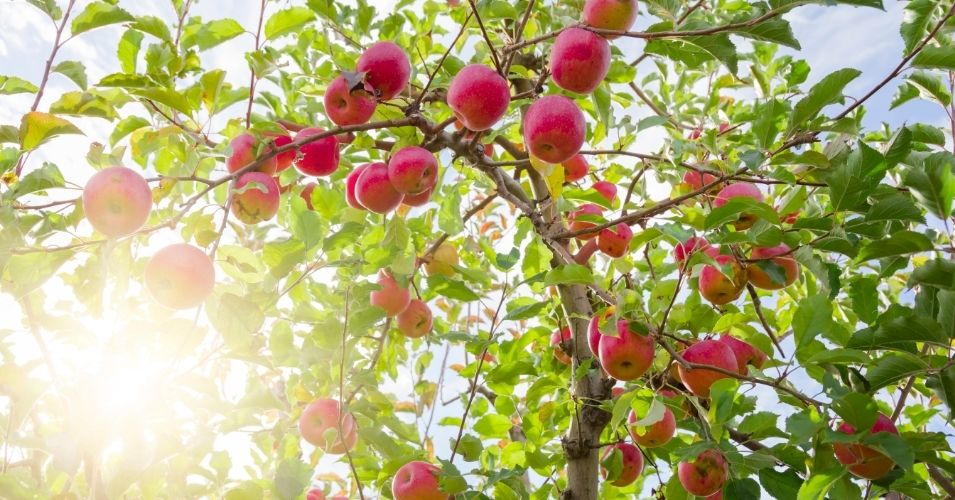
Apple trees begin spring with a steady rise of energy that moves from the roots into the branches, and this shift sets the foundation for the fruit they will produce later in the year.
The season invites the tree to stretch, rebuild, and prepare for new growth after months of winter rest. Spring care gives apple trees the strength they need for blossoms, new shoots, and a more stable structure that can carry the weight of developing fruit.
This guide will show you how to support your apple trees in spring so they grow with confidence and develop healthier fruit throughout the season.
How Apple Buds Reveal the Tree’s Spring Direction
Apple buds act as the first clear signal of how the tree plans to grow during spring, and paying close attention to them helps you understand what the season will look like for your tree.
Buds form during the previous year, but spring warmth awakens them, revealing whether the tree is preparing for strong growth, a light bloom, or a season that needs extra support. By studying the buds early, you can make better choices to guide the tree toward healthy development.
Begin by looking at the shape and size of the buds. Flower buds are usually plumper and rounder than leaf buds, and their fullness offers early hints about the tree’s potential fruit load.
A tree with many full flower buds may require thinning later in the season to protect branch strength, while a tree with fewer buds may need nurturing to encourage new growth and better blossom production. Leaf buds, on the other hand, indicate where new shoots will form, shaping the tree’s structure for future years.
Next, observe how evenly the buds appear along the branches. When buds cluster tightly in certain areas, the tree may grow unevenly, which can affect airflow and sunlight distribution once the leaves open.
Even spacing usually leads to more balanced growth. If you notice large gaps where buds failed to form or appear dried out, those areas may have been affected by winter conditions or age. These sections can be pruned later to help the tree direct its energy toward healthier growth.
Color is another important clue. Healthy buds should appear firm and lively, often showing hints of green or pink as they prepare to open. Buds that look shriveled, dark, or brittle may have been damaged by frost or lack of moisture. Identifying weak buds early prevents wasted energy and helps you understand which parts of the tree need extra attention.
Finally, monitor how quickly the buds swell as temperatures rise. Rapid swelling usually indicates strong root activity and good internal energy, while slow movement may hint at soil or moisture issues that require adjustment.
By paying close attention to apple buds in spring, you learn the tree’s natural direction for the season and can support it with the kind of care that leads to stronger growth and healthier fruit.
The Role of Ground Quality in Strong Apple Growth
Ground quality is one of the most important factors in how well an apple tree grows in spring, because the soil beneath the tree determines how easily the roots can absorb nutrients, water, and oxygen.
Healthy spring soil helps the tree build strong branches and produce blossoms with greater energy, while poor ground conditions can hold back growth even if the tree appears healthy above the surface. Understanding the connection between soil and tree strength allows you to shape a more productive season.
Begin by examining the soil texture around the tree. Apple roots grow best in soil that feels loose and crumbly rather than tight and compacted. Soil that became compacted during winter can limit root movement and slow early-season growth.
Gently loosening the top layer allows roots to access more air and encourages the development of new feeder roots. Avoid digging too deeply, since apple roots often stay closer to the surface and benefit most from airflow in the upper layers.
Next, check how well the soil drains after rainfall. Apple trees do not tolerate standing water around their roots, and soggy soil can starve the roots of oxygen.
If the ground remains wet for long periods, consider adjusting the slope, adding organic material, or lightly raising the planting area to help water move more freely. Good drainage protects the tree from early-season root problems and encourages stronger development as temperatures rise.
Nutrient content also plays a major role in ground quality. Apple trees respond well to soil enriched with gentle organic matter, such as compost or well-aged manure.
These materials feed the soil slowly and improve structure without overwhelming the tree. A balanced environment supports leaf growth, root development, and blossom formation simultaneously.
Finally, observe the presence of weeds or competing plants around the base of the tree. Thick weeds can steal nutrients and moisture during early spring, leaving the apple tree with less energy. Keeping the area clean and lightly mulched allows the roots to receive what they need without interference.
By improving and maintaining ground quality early in the season, you give your apple tree a strong foundation that supports healthy growth, balanced structure, and better fruit production throughout spring and beyond.
Ways to Maintain Moisture for Steady Apple Development
Apple trees rely on steady moisture during the early part of spring because this is when roots become more active and begin supplying energy to developing buds and new shoots. Moisture does not just hydrate the tree.
It supports nutrient movement, encourages deeper root growth, and helps the tree build strength for the season ahead. Maintaining the right balance prevents stress that can weaken blossoms or slow early development.
Begin by checking the soil regularly to understand how quickly it dries. Apple trees prefer soil that remains gently moist rather than soaked, and allowing the top few inches to dry slightly before watering again supports healthy root activity.
If the soil stays wet for too long, the roots may lack oxygen, and this can slow growth. By feeling the soil with your fingers or using a simple moisture gauge, you can learn how your specific ground responds to spring weather.
Watering should be done slowly so the moisture can move deeper into the soil rather than run off the surface. A slow soak encourages roots to grow downward, giving the tree greater stability as winds increase later in the season.
Deep roots also help the tree handle hot summer days with less stress. Avoid quick sprinkling because this often wets only the surface, encouraging shallow roots that cannot support strong development.
Mulching can help maintain steady moisture without trapping excess water. A light layer of wood chips or straw around the base keeps the soil cool and reduces evaporation. It also helps prevent weeds from taking moisture away from the tree. Leave a small gap around the trunk to allow airflow and prevent moisture from contacting the bark directly.
Observe how rainfall influences the soil throughout spring. Some weeks may bring enough natural water, while others may require you to supplement the tree by hand.
Adjust your watering schedule based on weather patterns instead of following a fixed routine. Apple trees respond best when moisture is adjusted to match their environment.
With consistent and thoughtful moisture management, your apple tree will develop stronger roots, healthier leaves, and more reliable blossoms that set the stage for a successful fruiting season.
Structural Adjustments That Improve Future Apple Yield
Spring is one of the best times to make structural adjustments to an apple tree because the branches are easier to evaluate before the leaves fully open.
These adjustments help shape the tree to encourage stronger growth, better airflow, and more productive fruiting for the season ahead. A well-structured apple tree can support heavier fruit loads and develop healthier branches that last for years.
Begin by studying the tree’s overall shape. Apple trees benefit from an open structure that allows light to reach the center. Light exposure is essential for both leaf health and flower production.
If the interior appears crowded or shaded, consider thinning out a few small or weak branches. Opening the center does not just improve the amount of sunlight. It increases airflow, helping prevent leaf problems on humid spring days.
Next, look at branch angles. Branches that grow straight upward may look strong, but they often produce fewer fruits. Angled branches, especially those growing outward, tend to develop more fruiting spurs.
If a branch is growing too vertically, you can guide it into a better position by tying it gently to a support or placing a spacer between branches. This simple adjustment encourages better fruiting for years to come.
Removing damaged or crossing branches also improves the structure. When branches rub against one another, the bark can wear down, creating openings for disease.
Clearing away these problem areas early in spring helps the tree direct its energy into healthier growth. Strong, spaced branches support blossoms more evenly and reduce the risk of breakage later when apples gain weight.
Shortening overly long branches can help redirect energy into developing fruiting spurs. This does not require heavy cutting. A light trim encourages the tree to focus on building fruit-producing wood rather than stretching too far outward.
By making these structural adjustments in spring, you help your apple tree grow with better shape, healthier branches, and greater potential for a strong harvest. Thoughtful guidance now leads to a more productive and balanced tree throughout the growing season.
Problems to Watch for During the First Weeks of Spring
Apple trees begin their spring season with renewed energy, but the first few weeks also bring challenges that can affect growth if not noticed early.
Identifying problems at this stage helps the tree stay strong as it forms buds, leaves, and the earliest signs of fruit. By learning what to watch for, you can respond quickly and prevent small issues from becoming larger setbacks later in the season.
Start by examining the bark and lower trunk. Apple trees sometimes experience cracking or swelling after winter, especially if temperatures shift quickly. The bark should look smooth and firm.
If you see areas that appear soft, dark, or damaged, moisture or cold may have stressed the tissue. Cleaning away debris around the base can improve airflow and reduce pressure on these vulnerable spots. A healthy trunk supports the entire structure of the tree.
Next, inspect the branches for early signs of disease. Some fungal issues appear as dark spots or patches on young twigs, while others create a powdery layer on the surface.
Catching these conditions during the first weeks of spring gives you time to remove affected areas and improve airflow before warm weather encourages the disease to spread. Proper spacing between branches also reduces moisture buildup during rainy days.
Look closely at the buds as they begin to swell. Healthy buds should appear full and evenly shaped. Buds that fail to open or appear shrunken may have been damaged by late-winter frost or fluctuating temperatures. If you notice many weak buds in one area, prune the affected section to help the tree redirect its energy toward stronger parts.
Pests also become active in early spring. Tiny insects such as aphids, leafhoppers, or early caterpillars may gather on the undersides of leaves or around new buds.
These pests can weaken young growth and slow the tree’s progress. Most can be removed with water, gentle soap mixtures, or by pruning small affected areas.
Finally, stay aware of how the soil behaves during spring weather. Sudden rainfall can create soggy conditions that stress the roots, and long dry spells can weaken new shoots. Adjusting watering routines based on weather helps the tree maintain steady growth.
By catching these early-season problems, you support your apple tree before growth accelerates, giving it the strength it needs to carry buds, blossoms, and future fruit with confidence.
Final Thoughts
Spring sets the foundation for your apple tree’s entire growing season, and the attention you give during these first weeks shapes how well it blossoms and produces fruit.
Simple habits such as watching for early signs of problems, guiding growth, and adjusting moisture levels help the tree stay balanced as temperatures rise.
When you respond to the tree’s needs early, you give it the best chance to grow strong branches, healthy buds, and better fruit. With patient spring care and steady observation, your apple tree can reward you with a thriving season filled with strength, color, and dependable harvests.