
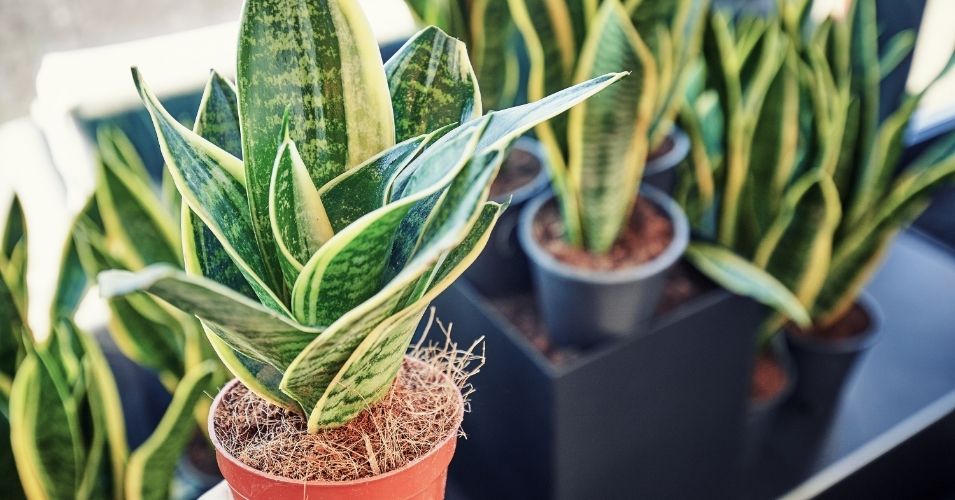
Snake plants, also known as Sansevieria or mother-in-law’s tongue, are a popular houseplant. They are famous for their toughness and striking upright leaves. They’re the kind of houseplants that seem almost indestructible, thriving even when other plants wilt.
But winter brings a new set of challenges for these hardy greens. Shorter days, cooler temperatures, and dry indoor air can quietly stress them out.
The good news is that snake plants don’t need much to stay healthy through the cold season. With just a few minor adjustments to watering, light, and temperature, you can help your plant sail smoothly through winter and stay just as strong in spring.
How Snake Plants React to Cold Weather
Snake plants have a reputation for being nearly indestructible, but even these resilient houseplants respond noticeably to the chill of winter. When temperatures drop and sunlight fades, their growth naturally slows.
This is not a sign of trouble but a sign of adaptation. In colder months, snake plants enter a rest phase in which energy use decreases, allowing them to conserve energy until warmth and light return.
During spring and summer, snake plants thrive on steady light and warmth. Their roots actively absorb water, and their tall, fleshy leaves store it for later use. But once winter arrives, their metabolism slows.
The reduced daylight and cooler temperatures signal to the plant to stop growing and conserve energy. You may notice that new leaves stop forming and older ones hold steady. This is normal dormancy, a natural pause that protects the plant from overexertion.
Because growth slows, the plant’s needs change. The most significant difference is water use. Snake plants don’t drink as much during winter. Overwatering at this time can easily lead to root rot, one of the most common problems these plants face. Roots that stay wet too long in cold soil start to decay, and that damage can spread quickly through the plant.
Cold drafts can also harm snake plants. While they can tolerate brief dips in temperature, anything below 50 degrees Fahrenheit may cause damage. You might notice soft, discolored patches or drooping leaves if the plant gets too cold. Keep your snake plant away from drafty windows, exterior doors, or vents that blow cold air.
Most snake plants prefer consistent indoor temperatures between 60 and 75 degrees during winter. They also benefit from a bit of humidity, especially when indoor heating dries out the air. A small bowl of water or a nearby humidifier can prevent the leaf tips from turning brown.
Understanding how your snake plant reacts to cold weather helps you care for it more confidently. The plant isn’t suffering; it’s simply resting. Keep it warm, avoid overwatering, and protect it from cold drafts, and it will stay strong all winter long, ready to grow again once spring sunshine returns.
Adjust Watering Habits for the Winter Months
Watering habits make or break a snake plant in winter. These sturdy plants are built to handle drought, but too much water during the cold season can spell disaster. Because their growth slows dramatically, their need for moisture drops, and it’s up to you to adjust your care routine.
In the warmer months, snake plants actively absorb water and use it to grow new leaves. But when winter comes, that process nearly stops. Their thick, waxy leaves hold plenty of stored moisture, so the soil should stay on the dry side. A good rule of thumb is to water every four to six weeks, depending on how cool and dark your home is. Sometimes, you can even go longer.
Always check the soil before watering. Press your finger about an inch into the potting mix. If it feels completely dry, go ahead and water. If it feels slightly damp, wait a few more days. Snake plants handle dryness far better than they handle wet feet.
When you do water, do it thoroughly but carefully. Pour room-temperature water slowly around the base until it runs out of the drainage holes, then allow the pot to drain completely. Never let water sit in the saucer beneath the pot. Cold, stagnant water around the roots can quickly lead to rot.
Lighting also affects watering frequency. A snake plant near a bright window may dry out faster than one kept in a darker corner. Adjust based on how quickly the soil dries, not by a fixed schedule. If you move the plant to a low-light spot for winter, reduce watering even more.
Watch for signs from your plant. Mushy, drooping leaves mean too much water, while wrinkled or curling leaves signal thirst. If that happens, water lightly and let it drain well.
In winter, less truly is more. Think of watering as maintaining the plant’s balance rather than fueling growth. By keeping your snake plant just moist enough to stay healthy, you help it rest peacefully through winter and wake strong and ready for new life when spring arrives.
Find the Right Spot for Light and Warmth
Light and warmth are two of the most important factors to consider when caring for your snake plant in winter. Both change dramatically as the seasons shift, and your plant’s health depends on how well you adjust to those changes.
Even though snake plants are famous for surviving low light, they still need enough brightness to maintain their strength and color during the darker months.
During summer, your snake plant might have thrived in a shaded corner or on a table far from the window. But winter light is weaker and shorter, so your plant needs a little help to stay healthy. Move it closer to a bright window where it can soak in as much indirect sunlight as possible. East- or south-facing windows are best, as they provide gentle light through the day without scorching the leaves.
Avoid placing your plant right against the glass. Cold windows can chill the leaves, especially at night. Keep the pot a few inches away or set it on a small stand to allow airflow and protection from drafts. If your home gets very little sunlight during winter, a small LED grow light can make a huge difference. Position it about a foot above the plant and leave it on for eight to ten hours a day to mimic natural daylight.
Temperature is just as crucial as light. Snake plants prefer steady warmth between 60 and 75 degrees Fahrenheit. Keep them away from radiators, heat vents, or fireplaces, as the hot, dry air can dehydrate the leaves and cause crispy edges. At the same time, avoid cold, drafty areas like doorways or windows that leak air. Rapid temperature swings can cause soft spots or leaf discoloration.
If your snake plant’s leaves start losing color or its growth slows more than usual, that’s a sign it needs more light. Move it to a brighter, warmer spot and give it time to adjust.
A consistent, cozy environment is key. If you’d be comfortable sitting there yourself, your snake plant will feel comfortable too. With enough light and warmth, it will rest peacefully through winter and stay strong for spring growth.
Common Winter Problems and How to Avoid Them
Snake plants are remarkably tough, but even the hardiest houseplants face challenges during winter. Cold air, low light, and dry conditions can all cause stress. Most problems come from overwatering or exposure to cold, but with a few adjustments, your snake plant will stay healthy all season.
Root rot is the number one winter issue. Because snake plants use less water during dormancy, the soil stays wet longer. Constant moisture suffocates the roots, leading to root rot. Signs include yellowing leaves, mushy stems, and a musty smell. To prevent this, always let the soil dry out completely before watering, and ensure your pot drains well. Empty saucers right after watering, so water never sits beneath the pot.
Cold damage is another common problem. Snake plants can’t handle freezing temperatures or cold drafts. If they sit near a chilly window or door, their leaves may soften or collapse at the base. Move your plant away from cold glass or drafty spots, and keep indoor temperatures above 60 degrees Fahrenheit whenever possible.
Dry air from indoor heating can also cause leaf tips to brown. While snake plants tolerate dryness, you can make them more comfortable by increasing humidity slightly. A small bowl of water, a nearby humidifier, or grouping plants can all help.
Another issue in winter is low light. Without enough brightness, your snake plant’s color fades, and new leaves may appear thin and weak. Move it closer to a window or use a grow light to supplement the shorter days.
Dust buildup can also interfere with your plant’s health. When windows stay closed, dust settles faster on leaves, blocking light. Wipe them gently with a soft, damp cloth every few weeks to keep them clean.
Finally, hold off on fertilizer until spring. Feeding during dormancy can overwhelm the plant and damage the roots.
In winter, less is more. By keeping your snake plant warm, dry, clean, and in steady light, you’ll prevent most problems before they start and keep your plant thriving all season long.
End-of-Winter Care to Boost Growth in Spring
As winter fades and daylight gradually stretches longer each day, your snake plant begins to wake from its quiet rest. This transition from dormancy to growth is gentle but vital.
How you care for your plant now determines how quickly and powerfully it rebounds when spring arrives. Giving it a slow, steady reintroduction to light, warmth, and water helps it shift naturally into its active growing season.
You’ll notice the first signs of awakening when the leaves feel firmer and stand more upright. Their color may deepen to a brighter green, and new shoots may begin to peek from the soil. These are cues that your plant is ready for renewed attention. Start by giving it more light.
Move it closer to a bright window where it can catch soft morning or late afternoon sunlight. If you’ve been using a grow light through the winter, gradually extend its duration to match the lengthening days. Avoid sudden full-sun exposure, as snake plants can scorch easily after months of low light. Increase brightness slowly over a week or two to let the plant adjust.
Next, ease into a more frequent watering routine. During winter, snake plants need very little water, but as they wake, they start using moisture again. Check the soil about halfway down. If it feels dry, give the plant a thorough soak and allow the excess to drain completely. Never let water sit at the bottom of the pot.
Take this time to tidy up your plant, too. Trim away any wrinkled or damaged leaves to help it channel energy into fresh growth. Wipe down the remaining leaves with a soft, damp cloth to remove dust so they can absorb light more effectively.
Late winter is also the ideal time to check if your snake plant has outgrown its container. If the roots are coiled tightly at the bottom or poking through the drainage holes, repot into a slightly larger pot with fresh, well-draining soil. A mix designed for succulents or cacti works best.
Hold off on fertilizing until new growth is steady, usually a few weeks into spring. Feeding too early can overwhelm roots that are still waking. When the time comes, use a diluted liquid fertilizer once a month during the active growing season.
Patience is the key during this stage. Snake plants awaken slowly, responding to warmth and light at their own pace. With consistent care, they’ll regain their rhythm and reward you with firm, glossy leaves and fresh, vibrant growth that signals the true return of spring.
Final Thoughts
Snake plants might seem nearly indestructible, but winter care still matters. Cold air, dim light, and extra moisture can all challenge even the toughest plant if you’re not careful.
By keeping your snake plant warm, giving it just enough light, and holding back on watering, you create the perfect balance for survival and strength.
When spring finally returns, your patience will pay off. You’ll see fresh, upright leaves and vibrant color that prove your plant rested well and is ready to grow again. Winter might slow it down, but your care ensures it never stops thriving.