
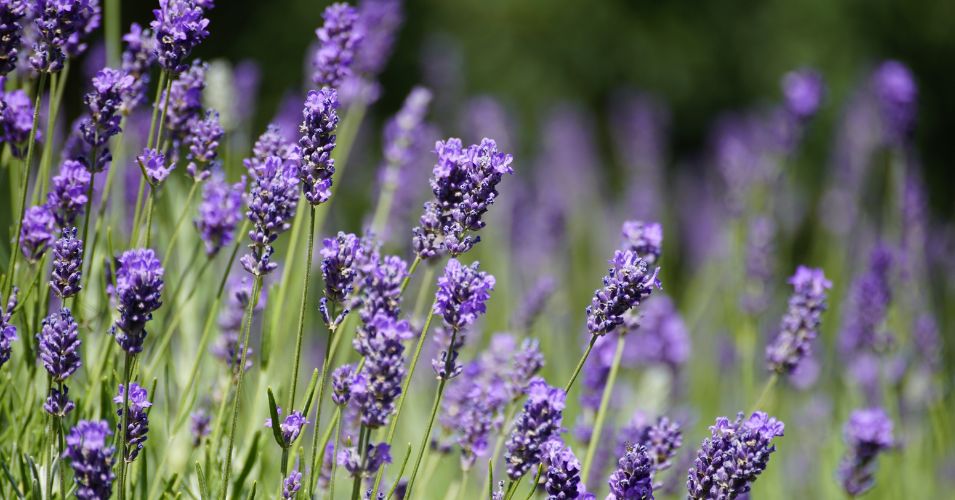
Lavender seems to come alive in summer. Its purple flowers begin to open, bees gather around the blooms, and its familiar fragrance drifts through the garden on warm days.
Although lavender is known for being easy to grow, summer can bring a few challenges. Hot weather, watering mistakes, and poor growing conditions can all affect how well the plant performs.
The good news is that lavender does not ask for much. With a few simple care practices, you can keep your plants healthy, encourage more flowers, and enjoy their beauty throughout the season.
Why Summer Can Be Challenging for Lavender
At first glance, summer seems like the perfect season for lavender. The days are long, the sun is strong, and the plant is covered in fragrant purple blooms. Since lavender comes from the sunny Mediterranean region, many gardeners assume it can handle anything summer throws at it.
The reality is a little more complicated.
Lavender loves sunshine, but extreme summer conditions can still put pressure on the plant. Weeks of scorching temperatures can dry the soil faster than expected, especially during heat waves. Even established plants may show signs of stress when hot weather lingers day after day.
One challenge many gardeners do not expect is that too much water can be just as harmful as too little.
During summer, people naturally water their gardens more often. While thirsty annuals and vegetables may appreciate the extra moisture, lavender usually does not. Its roots prefer soil that drains quickly. When water sits around the root zone for long periods, problems can develop beneath the surface before any visible symptoms appear.
Summer thunderstorms can create similar issues.
A heavy downpour may seem like welcome relief after a stretch of dry weather, but poorly drained soil can stay wet for days afterward. Lavender roots struggle in these conditions, and prolonged moisture often leads to weak growth or root damage.
Container-grown plants face a different set of obstacles. The soil inside a pot heats up much faster than garden soil. On particularly hot afternoons, moisture can disappear surprisingly quickly. A lavender plant that looked perfectly healthy in the morning may appear tired and droopy by evening.
Flowering itself also demands energy. Throughout the summer, lavender focuses on producing blooms and fragrance. That beautiful display requires resources, which means stressed plants may start to lose their vibrant appearance sooner than expected.
The good news is that lavender rarely asks for complicated care. Most summer problems begin when conditions stay too wet, too crowded, or too extreme for too long. Once you understand what the plant prefers, keeping it healthy becomes much easier.
Getting Water Levels Just Right
If there is one aspect of lavender care that confuses gardeners the most, it is watering.
Many people see a hot summer day and instinctively reach for the hose. While that approach works for many plants, lavender often responds better when gardeners show a little restraint.
The biggest mistake is watering on a fixed schedule.
Lavender does not care whether it is Tuesday or Saturday. What matters is the condition of the soil. Some weeks may require watering, while others may not. Rainfall, temperature, wind, and soil type all influence how quickly moisture disappears.
Before adding water, take a moment to check the soil around the plant. If it still feels damp a few inches below the surface, there is usually no need to water yet. Lavender prefers a drying cycle between waterings, and constantly moist soil can create more problems than dry soil.
When it is time to water, think depth rather than frequency.
A thorough soak encourages roots to grow deeper into the ground, where moisture remains available for longer. Frequent light watering tends to keep roots near the surface, making the plant less resilient when temperatures climb.
New lavender plants need a little more attention. Because their root systems are still developing, they cannot access water as efficiently as mature plants. During their first growing season, regular monitoring is important, particularly during hot spells.
Potted lavender is often the exception to the rule. Containers lose moisture much faster than garden beds, especially when they sit in full sun for most of the day. Even so, the goal remains the same. Water deeply, then allow the soil to begin drying before watering again.
Morning is generally the best time to provide water. The plant can absorb what it needs before the afternoon heat arrives, and excess moisture has time to evaporate from the soil surface.
Learning when not to water is often the secret to growing beautiful lavender. Once gardeners become comfortable with that idea, they usually find that their plants are stronger, healthier, and far more productive throughout the summer months.
The Secrets to More Flowers and Stronger Plants
There is a noticeable difference between a lavender plant that survives summer and one that puts on a spectacular show.
The healthiest plants seem almost effortless. Their silvery foliage stays dense, flower spikes rise above the leaves, and the fragrance drifts across the garden whenever a breeze passes. While it may look like luck, there are usually a few simple reasons behind such performance.
Sunlight sits at the top of the list.
Lavender is not a plant that enjoys hiding in the shadows. The more direct sun it receives, the more energy it has available for producing flowers. Plants growing in bright, open locations often develop stronger stems and fuller blooms than those tucked into partially shaded corners of the garden.
Good drainage plays an equally important role.
Lavender naturally grows in rocky, well-drained environments where water moves through the soil quickly. When roots spend too much time in damp ground, the plant often responds by producing weaker growth and fewer flowers. In contrast, lavender growing in the right soil tends to stay compact and vigorous.
Many gardeners are surprised to learn that lavender rarely benefits from heavy feeding.
In fact, too much fertilizer can have the opposite effect. Instead of producing more flowers, the plant may focus its energy on leafy growth. The result is a larger plant with fewer blooms and less of the classic lavender shape people admire.
A light trim after flowering can also help maintain strength and appearance. Removing faded flower stems keeps the plant tidy and prevents it from wasting energy on seed production.
Perhaps the biggest secret is consistency rather than perfection.
Lavender does not need constant attention. It simply responds well to stable conditions. Plenty of sunshine, well-drained soil, and sensible care often produce better results than complicated routines. Give the plant what it naturally prefers, and it will usually reward you with a stronger structure and a far more impressive display of flowers.
When and How to Harvest Lavender
The sight of lavender reaching full bloom is hard to ignore.
The flower spikes stand tall above the foliage, bees move from bloom to bloom, and the fragrance becomes stronger with each warm day. At that stage, many gardeners start wondering whether it is finally time to harvest.
The answer depends on what you want from the flowers.
If your goal is to dry lavender for arrangements, sachets, or homemade projects, it is usually best to cut the stems before all the flowers have fully opened. At this point, the buds still contain plenty of fragrance and tend to hold their shape better once dried.
Waiting too long can sometimes lead to disappointment.
Fully opened flowers look beautiful in the garden, but they are more likely to drop from the stems during handling and drying. Harvesting slightly earlier often produces the best balance between appearance and scent.
Timing matters during the day as well.
Early morning is widely considered the sweet spot for harvesting lavender. Once the dew has disappeared but before the strongest afternoon heat arrives, the flowers are typically at their most aromatic. It is a small detail, yet it can make a noticeable difference.
When cutting stems, avoid removing large sections of old woody growth. Instead, follow each flower stem downward and make a clean cut above the leafy part of the plant. This helps maintain the plant’s shape and supports healthy growth after flowering.
As stems are collected, gather them into loose bundles rather than tightly packed bunches. Good airflow is important during the drying process. A cool, dry room with plenty of ventilation usually works well.
Many gardeners view harvesting as the end of lavender’s summer display.
In reality, it is simply another stage in the season. A careful harvest not only provides fragrant flowers for months to come, but also helps keep the plant neat, balanced, and ready for future growth.
Common Summer Mistakes That Can Harm Lavender
Lavender is often described as a low-maintenance plant, and that is true to a point. The problem is that many gardeners hear “low maintenance” and assume the plant can thrive under any conditions. Summer is usually when that assumption gets tested.
One of the quickest ways to run into trouble is by treating lavender like every other plant in the garden.
When temperatures climb, it is tempting to water everything more frequently. Roses, annual flowers, and vegetable crops may appreciate the extra moisture, but lavender often does not. Soil that stays wet for long periods can create issues below the surface long before the foliage begins to show obvious signs of stress.
Too much kindness can be a problem in other ways as well.
Gardeners sometimes reach for fertilizer when a plant is not flowering as heavily as expected. With lavender, that decision can backfire. Extra nutrients often encourage soft leafy growth while reducing the abundance of blooms. The plant may become larger, but not necessarily more attractive.
Location mistakes tend to reveal themselves during summer too.
A lavender plant that seemed perfectly happy in spring may struggle once nearby shrubs and perennials fill out. Suddenly, the plant receives less sunlight and less airflow than it did earlier in the year. The result is often weaker growth and fewer flowers.
Poor drainage remains one of the most common causes of trouble.
A heavy summer storm can leave water sitting around the roots for days, especially in dense soil. Lavender is far more tolerant of dry conditions than waterlogged ones, which is why drainage matters so much.
Then there is pruning.
Many gardeners become enthusiastic after flowering and cut back more than they should. Removing spent blooms is helpful, but cutting deeply into old woody stems can slow the plant’s recovery.
Most summer problems are not caused by neglect. They are usually the result of good intentions applied at the wrong time. Understanding what lavender naturally prefers makes it much easier to avoid these setbacks and enjoy a healthier plant throughout the season.
Final Thoughts
Part of lavender’s appeal is that it asks for little. Give it sunshine, well-drained soil, and a little room to grow, and it will usually reward you with months of color and fragrance.
Summer is when lavender takes center stage in the garden. With a bit of attention during hot weather and a few simple care habits, you can enjoy healthy plants and beautiful blooms throughout the season.
Sometimes, the best thing you can do for lavender is resist the urge to fuss over it. Let the plant do what it does best, and it will often thrive with surprisingly little effort.