
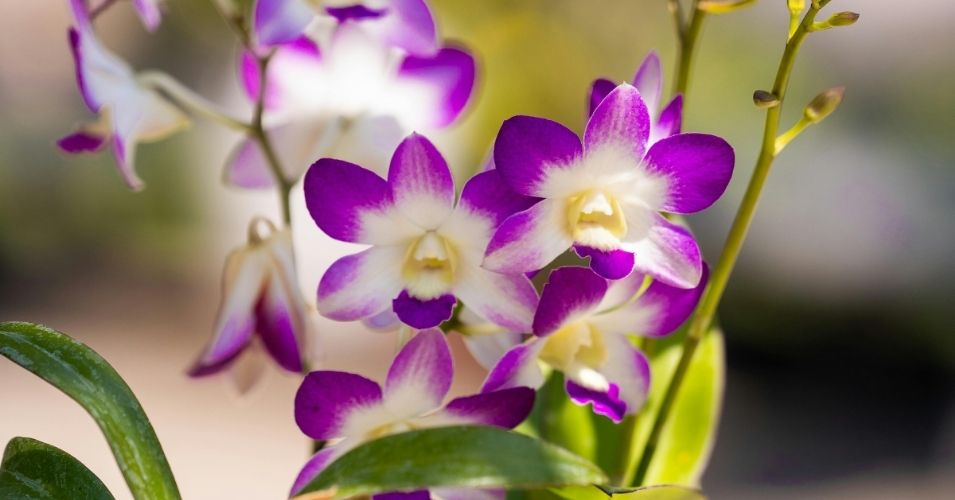
Orchids have a reputation for being delicate, but summer is actually one of the best times to help them thrive if you understand what they need. The longer days, warmer temperatures, and increased humidity can all work in your favor.
At the same time, these same conditions can quickly cause stress if care is not adjusted.
In this guide, you will discover simple but powerful ways to care for your orchid during the summer months without feeling overwhelmed.
Find the Perfect Light Balance
Summer sunlight can be both a gift and a challenge for orchids. These plants love bright conditions, but direct sun during the hottest part of the day can quickly damage their leaves.
The goal is not maximum light, but the right kind of light that supports growth without causing stress.
A healthy orchid often tells you how it feels through its leaves. Rich green leaves usually mean the plant is comfortable, while yellowing or reddish tones may suggest it is getting too much sun.
On the other hand, very dark green leaves can signal that it needs more light to thrive.
Placement becomes especially important during the summer months. A spot near an east-facing window often works well because it provides gentle morning light without the harsh intensity of midday rays.
If your orchid sits near a south or west-facing window, consider using a sheer curtain to soften the light. This small adjustment can make a big difference in preventing leaf burn.
Outdoor placement is also an option in warm climates, but it requires care. Orchids should never be placed in direct afternoon sun outside. A shaded patio or a location under a tree where light is filtered can mimic the plant’s natural environment.
Keep in mind that light conditions change throughout the season. What worked in spring may become too intense by mid-summer. Take a moment each week to observe how sunlight moves across your space. Small changes in positioning can help your orchid stay comfortable and continue growing steadily.
When you get the balance right, you will often notice stronger leaves and the potential for new blooms. Light is one of the most powerful tools you have, and learning to adjust it with the season can completely transform how your orchid performs.
Water Your Orchid Without Overdoing It
Watering orchids in summer can feel confusing at first. The heat causes moisture to evaporate faster, which might make it seem like your plant needs constant watering. In reality, orchids prefer a careful rhythm rather than frequent soaking.
The key is to let the roots guide your decisions. Healthy orchid roots are firm and often appear silvery when dry. After watering, they turn green as they absorb moisture. This natural color shift is one of the easiest ways to know when your plant is ready for another drink.
Instead of following a strict schedule, check the growing medium regularly. Stick your finger into the potting mix or lift the pot to feel its weight. If it feels light and dry, it is time to water. If there is still moisture present, waiting a little longer can prevent problems.
Overwatering is one of the most common mistakes during summer. Warm conditions can make it seem like more water is always better, but soggy roots can quickly lead to rot. Orchids need air around their roots, so proper drainage is just as important as watering itself.
When you do water, do it thoroughly. Allow water to run through the pot until it drains freely from the bottom. This helps flush out any built-up salts and ensures that all roots receive moisture. Afterward, let excess water drain completely so the plant does not sit in a pool.
Humidity also plays a role in how often you water. In naturally humid environments, orchids may need less frequent watering because they absorb moisture from the air. In drier indoor spaces, you might need to check them more often.
With a bit of observation and patience, watering becomes less of a guessing game. Paying attention to your orchid’s signals will help you create a routine that supports healthy roots and steady growth throughout the summer.
Manage Heat and Airflow Indoors
Summer warmth can encourage orchids to grow, but too much heat inside your home can quietly create stress. Orchids are not fans of stagnant, hot air. They prefer a gentle balance where warmth is paired with steady airflow.
A room that feels slightly warm but fresh is usually ideal. If the air becomes heavy or still, moisture lingers around the leaves and roots. This can invite problems such as mold or rot, especially during humid days.
One of the simplest ways to improve conditions is by increasing air movement. A small fan placed across the room can help circulate air without blowing directly on the plant. The goal is not to dry out the orchid, but to keep the environment from becoming stale.
Placement within the room also matters. Avoid putting orchids too close to heat sources such as radiators or sun-heated glass. Even a windowsill can become much hotter than the surrounding air during peak sunlight hours. Moving the plant just a short distance can significantly reduce heat stress.
It is also helpful to think about nighttime conditions. Orchids benefit from a slight drop in temperature after sunset. This natural shift helps them maintain healthy growth cycles. Opening a window during cooler evenings can create a more balanced environment if outdoor conditions allow.
Humidity and airflow work together delicately. While orchids enjoy moisture in the air, high humidity without movement can cause issues. A well-ventilated space keeps that moisture beneficial rather than harmful.
By paying attention to both temperature and air circulation, you create a space that feels closer to an orchid’s natural habitat. This balance supports stronger leaves, healthier roots, and a plant that is better prepared to handle the intensity of summer.
Feed Your Orchid for Strong Summer Growth
Summer is a time when many orchids are actively growing, which means they benefit from regular feeding.
During this season, the plant uses more energy to produce leaves, roots, and sometimes flower spikes. Providing the right nutrients can make a noticeable difference in its overall health.
Orchids do not need heavy feeding, but they do respond well to consistency. A balanced orchid fertilizer applied at a reduced strength is often the best approach. Many growers follow a simple routine of feeding lightly every week or two instead of giving large amounts at once.
It helps to think of feeding as support rather than force. The goal is to give the plant what it needs without overwhelming it. Too much fertilizer can build up in the growing medium and damage the roots. This is why gentle, diluted applications tend to work better.
Timing also plays a role in how effective feeding can be. Applying fertilizer when the orchid is already well watered helps prevent root burn. A dry plant can absorb nutrients too quickly, which may lead to stress instead of growth.
Flushing the pot with plain water from time to time is another important habit. This clears away any excess minerals that may have accumulated. Keeping the roots clean allows them to absorb nutrients more efficiently during each feeding.
Pay attention to how your orchid responds. New roots, fresh leaves, and steady growth are signs that your feeding routine is working. If the plant seems sluggish or shows signs of stress, adjusting the frequency or strength can help restore balance.
With a thoughtful approach, feeding becomes an easy part of your summer care routine. Providing steady nutrients gives your orchid the energy it needs to grow strong and, in many cases, prepare for beautiful blooms in the seasons ahead.
Spot Problems Before They Spread
Summer creates ideal conditions for growth, but it can also speed up the development of problems if you are not paying close attention.
The combination of warmth, moisture, and longer days can invite pests and disease to appear more quickly than expected. Catching issues early is the key to keeping your orchid healthy.
Start by observing your plant regularly. A quick daily glance and a more careful weekly check can reveal small changes before they turn into bigger concerns. Look closely at the leaves, roots, and flowers. Healthy orchids usually have firm leaves, steady color, and clean surfaces.
Discoloration is often one of the first warning signs. Yellow patches, dark spots, or unusual markings can point to sun stress, infection, or pest activity. If you notice anything that looks out of place, take action right away rather than waiting to see if it improves on its own.
Pests are more active during warmer months. Tiny insects such as aphids, spider mites, and mealybugs can settle on leaves and stems without being noticed at first.
Check under leaves and around the base of the plant where they tend to hide. If you spot them early, removing them with a gentle wipe or rinse can prevent a larger infestation.
Root health should not be overlooked. Since many orchids grow in clear pots or loose bark, it is possible to inspect the roots without disturbing the plant. Healthy roots are firm and light in color. Mushy or dark roots may indicate rot, often caused by excessive moisture or poor airflow.
Fungal and bacterial issues can also develop quickly in humid conditions. Soft spots, foul smells, or spreading patches on leaves are signs that something is wrong.
Improving airflow and adjusting watering habits can often prevent these problems from worsening.
Consistency is what makes the difference. Regular observation allows you to respond early, when solutions are simple and effective. By staying attentive, you give your orchid the best chance to stay strong and continue thriving throughout the summer.
Final Thoughts
Caring for orchids in summer does not have to feel complicated. Small adjustments in light, water, airflow, and feeding can make a noticeable difference in how your plant responds to the season.
The most important habit is paying attention. Your orchid will show you what it needs through its leaves, roots, and overall growth. When you learn to read these signals, care becomes more intuitive and less stressful.
With patience and consistency, summer can become a season of strong growth and renewed vitality. Your orchid will not only survive the heat but truly flourish.