
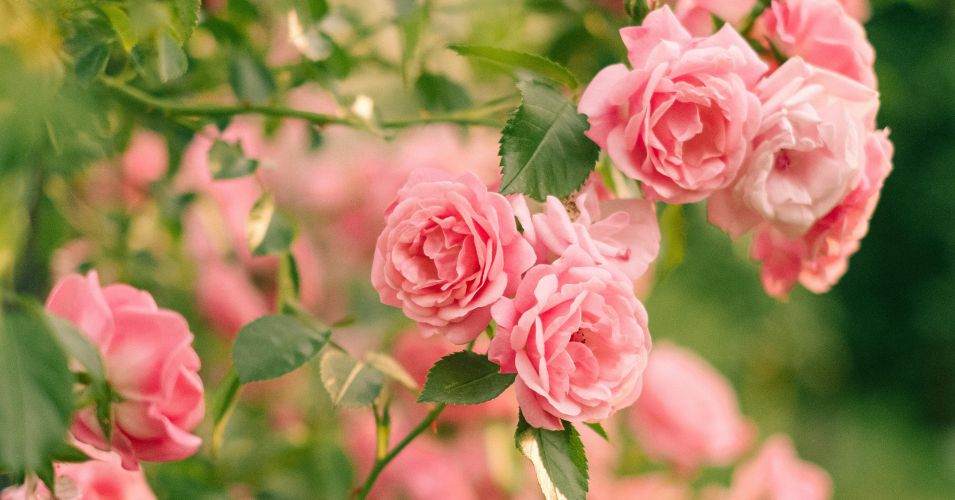
Roses have a reputation for being fussy, but watering them does not have to be complicated. The biggest mistake many gardeners make is treating every week the same, even though the weather and the plant’s needs are constantly changing.
A rose that is happy in cool spring weather may need much more attention during a hot summer, while the same plant can go much longer without water once fall arrives.
Understanding how watering changes from season to season makes it much easier to grow healthy roses that reward you with strong growth, vibrant foliage, and plenty of beautiful blooms.
Spring Wakes Your Roses Up
Spring is when roses shake off their winter rest and begin growing with surprising speed. Tiny leaf buds soon turn into fresh stems, and before long the first flower buds start to appear. One of the biggest factors behind healthy spring growth is consistent watering.
That does not mean reaching for the hose every few days.
Spring weather rarely follows a pattern. One week may bring several days of rain, while the next feels almost like early summer. Because conditions change so often, it is much better to check the soil than stick to a schedule.
Press your finger into the soil about two inches deep near the base of the plant. If it feels dry, give your rose a thorough watering. If it is still damp, leave it for another day or two before checking again. This simple habit is far more reliable than watering on the same day every week.
New roses need closer attention than established plants. Their roots are still settling into the surrounding soil, so they dry out faster. In many gardens, they benefit from deep watering once or twice each week if rainfall is limited. Older roses usually cope much better because their roots reach deeper into the ground where moisture lasts longer.
Roses growing in containers also need more frequent checks during spring. Potting mix dries out much faster than garden soil, especially once temperatures begin to rise. Even if roses in your flower beds still have plenty of moisture, those in pots may already be ready for another deep watering.
Whenever you water, soak the soil slowly rather than giving it a quick spray. Water that sinks well below the surface encourages roots to grow deeper, helping the plant cope with the hotter months that are still to come.
Morning is the best time to water. The cooler air allows more moisture to soak into the ground instead of disappearing through evaporation. It also gives any splashes on the leaves plenty of time to dry before evening arrives.
Adding a layer of organic mulch around the base of the plant makes spring watering even more effective. Mulch slows moisture loss, keeps the soil at a more even temperature, and reduces weeds that compete for water. Just leave a small gap around the stem so air can circulate freely.
A little attention in spring pays off for months. Healthy roots formed early in the season give roses the strength to produce fuller plants and more impressive blooms as the year progresses.
Summer Demands More Attention
If spring is about building momentum, summer is when roses put that energy to work. Bushes are covered in flowers, new buds continue to form, and warm weather pushes the plants to grow quickly. All of that activity requires plenty of water.
Heat changes everything.
Soil that stayed moist for several days in spring can dry much faster during a hot spell. Strong sunshine, warm winds, and long daylight hours all pull moisture from the ground, sometimes quicker than you might expect.
Instead of watering little and often, aim for a deep soak whenever the soil begins to dry. Many people assume roses should be watered every day during summer, but that is rarely necessary. Frequent light watering only moistens the surface, encouraging shallow roots that dry out quickly.
In most gardens, a deep soak every few days is far more beneficial. During an extreme heatwave, newly planted roses or those growing in containers may need daily watering, but established roses in the ground usually do not.
Checking the soil is still the best guide. A quick look at the surface is not enough because the top layer often dries long before the roots do. Dig down a couple of inches before deciding whether your roses really need water.
Early morning remains the ideal time to water. The roots have time to absorb moisture before temperatures climb, and less water is lost to evaporation. If you have no choice but to water later in the day, try to keep the leaves as dry as possible.
Try to avoid watering during the hottest part of the afternoon if possible. High temperatures increase evaporation, meaning less moisture reaches the roots where it is needed most.
Do not panic if your roses look slightly wilted during the hottest part of the afternoon. Many varieties naturally droop for a few hours when temperatures peak, then recover once the evening cools things down. If the soil below the surface is still moist, watering immediately may do more harm than good.
Mulch becomes especially valuable during summer. A generous layer helps the soil stay cooler and slows the rate at which moisture escapes. That helps the soil stay evenly moist, reducing how often you need to water.
A regular watering routine throughout summer helps flowers last longer, supports healthy foliage, and gives the plant enough energy to keep producing fresh blooms instead of struggling through the heat.
Fall Calls for Smarter Watering
After months of rapid growth and nonstop flowering, roses begin to settle down. You may still see new blooms, especially during a mild autumn, but the plant is no longer growing with the same intensity it showed in summer. That change should be reflected in your watering routine.
There is no need to stop watering the moment the weather cools.
Roses still need moisture while their roots remain active, but they will usually go much longer between watering sessions. The exact timing depends on rainfall, temperature, and the type of soil in your garden. Instead of following the calendar, take a minute to check the soil every few days.
Keep in mind that not every shower provides enough water. A light rain may only wet the surface, while steady rainfall can soak the soil deeply enough to keep your roses satisfied for several days.
If the top couple of inches feel dry, water deeply. If the soil is still damp below the surface, leave it alone and check again later. This simple habit prevents overwatering, which becomes much easier to do once evaporation slows.
Early fall often catches gardeners by surprise. A few warm, sunny weeks can dry the soil almost as quickly as summer, particularly in gardens with sandy soil. Later in the season, cooler days and regular rain usually mean you can water much less often.
Newly planted roses should still be watched carefully. Their roots have not spread very far yet, so they rely on you more than established plants do. Older roses are generally better equipped to cope with short dry periods because they can reach moisture deeper underground.
If you use mulch around your roses, leave it in place. It continues to slow moisture loss while helping the soil stay at a steadier temperature as the weather changes from week to week.
Think of fall watering as preparation rather than maintenance. A rose that goes into winter with well-hydrated roots is in a much stronger position to handle the colder months ahead. You are not trying to encourage fresh growth. You are simply helping the plant finish the season in the best condition possible.
Winter Is the Season to Hold Back
Winter is the one season when watering may be an occasional task instead of a routine. Most roses spend these months dormant, conserving energy until warmer weather returns. Since they are barely growing, they use far less water than they do during the rest of the year.
That said, dormant does not mean completely inactive.
Roots can still dry out if the weather stays unusually dry for several weeks. In regions with mild winters and very little rain, an occasional deep watering may still be needed. Check the soil first. If it is still moist beneath the surface, there is no reason to add more water.
Gardeners in colder climates often have even less to do. Once the ground freezes, watering is unnecessary because frozen roots cannot absorb moisture. At that point, it is better to leave the plants alone until temperatures rise again.
Roses growing in containers are the exception. Because pots hold less soil, they lose moisture more quickly than roses planted in the ground. Sheltered containers tucked under eaves or against walls may receive very little natural rainfall during winter, making occasional soil checks worthwhile even while the plant is dormant.
It is also worth paying attention to drainage during the colder months. Waterlogged soil is just as harmful as dry soil, and roses do not enjoy sitting in wet ground for long periods. If puddles regularly collect around your plants after heavy rain, improving drainage before spring arrives can save you problems later.
Winter care is often about knowing when to do nothing. Many gardeners feel they should be watering simply because weeks have passed since the last time, but roses do not follow the calendar.
A quick check of the soil tells you far more than any fixed schedule ever will. Once new shoots appear in spring, you can gradually increase watering again as the growing season begins.
Signs Your Roses Need More or Less Water
Roses have a way of telling you when something is off. The trick is noticing the small changes before they turn into bigger problems. Once you know what to look for, deciding when to water becomes much easier than sticking to a fixed routine.
Start with the soil rather than the leaves. The surface often dries out first, especially on warm or windy days, but that does not always mean the roots need water. Push your finger a couple of inches into the soil near the base of the plant. If it feels dry, it is time for a deep soak. If it still feels moist, leave the hose where it is.
A thirsty rose usually looks less lively than normal. Leaves may begin to droop, flower buds can stay smaller than expected, and blooms often fade sooner during hot weather. If dry conditions continue, some leaves may develop brown edges or begin to fall earlier than they should.
Overwatering creates almost the opposite problem. The soil remains wet for days, leaves start turning yellow, and the plant may seem to stop growing even though it has received plenty of water.
Constantly wet soil also makes it easier for root diseases to develop, which can be much harder to fix than a simple lack of water.
Remember that not every wilted leaf means your rose needs watering. During the hottest part of a summer afternoon, many roses look slightly tired before recovering once the temperature drops later in the day. That is why checking the soil is always more reliable than judging the plant from a distance.
How you water matters just as much as how often. Aim the water at the base of the plant instead of spraying the leaves. A watering can, soaker hose, or drip irrigation system all help deliver moisture where the roots can absorb it while keeping the foliage drier.
Over time, you will begin to recognize what is normal for your own garden. Some roses dry out faster because they receive more afternoon sun. Others may need less water because they grow in heavier soil that holds moisture for longer.
Spending a few minutes observing your plants each week is often the best guide you could ask for.
Final Thoughts
Watering roses is less about following rules and more about building good habits. Seasons change, weather changes, and even the needs of the same rose can change from one month to the next.
Checking the soil before watering, giving the roots a deep soak when they need it, and adjusting your routine as conditions change will keep your plants in far better shape than watering on autopilot. Before long, you’ll find yourself relying less on advice and more on what your own roses are telling you.
Every garden is different, and that is part of what makes growing roses so rewarding. The more time you spend observing your plants, the easier it becomes to spot exactly when they need water. Before long, checking the soil will feel more natural than following any watering schedule.