
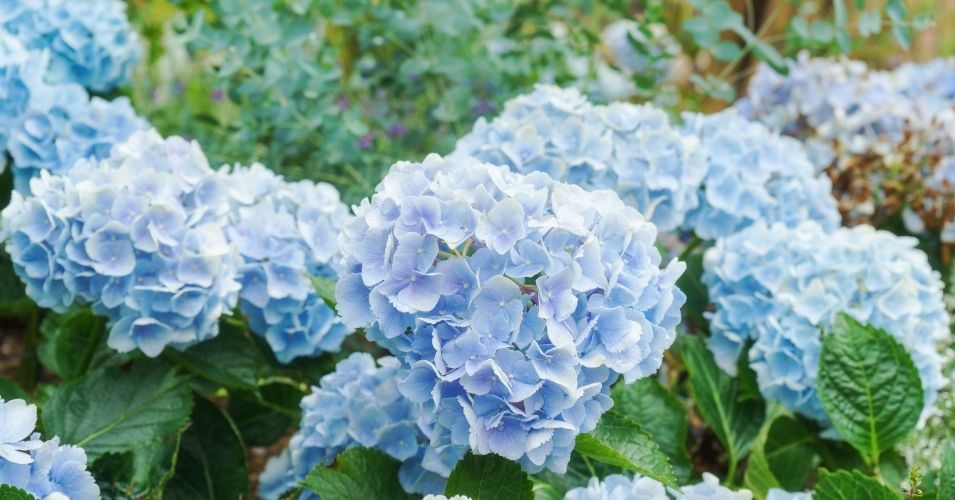
Hydrangeas are cherished for their stunning blooms that light up summer gardens, but as fall draws to a close and winter approaches, many gardeners worry about how to keep these plants safe until the next growing season.
Cold weather, frost, and strong winds can damage their buds and roots, leaving them struggling to bloom the following year.
Fortunately, with the right steps taken from fall through winter, hydrangeas can rest securely and return in spring ready to burst with flowers.
Preparing them properly now ensures stronger growth, healthier plants, and the dazzling blossoms you look forward to each summer.
Prepare Hydrangeas in Fall
Preparing hydrangeas in fall is one of the most important steps to ensure their survival through winter and their ability to bloom again the following summer.
While hydrangeas are resilient, they are also sensitive to temperature swings, frost, and improper care as the growing season ends. By focusing on key tasks in autumn, you can help your hydrangeas transition into dormancy and avoid damage that could compromise next year’s flowers.
One of the first steps is to stop fertilizing late in the season. Fertilizer encourages new growth, and tender shoots that appear in fall rarely have time to mature before the first frost arrives.
These vulnerable stems often die back quickly in cold weather, wasting the plant’s energy. Instead, let your hydrangeas naturally slow their growth and focus on strengthening their existing wood and root systems.
Watering in fall is just as critical. While hydrangeas are known for their love of moisture during the summer, many gardeners mistakenly cut back on water once cooler weather sets in. Going into winter with dry roots makes the plant more susceptible to frost damage.
Giving your hydrangeas a deep watering before the ground freezes ensures their roots remain hydrated through dormancy, especially in regions where snowfall may not provide consistent moisture.
Another key part of fall preparation is cleaning around the base of the plant. Fallen leaves and old blooms can harbor pests or fungal spores that overwinter in the soil and attack when spring returns. Removing debris not only keeps the area tidy but also lowers the risk of disease.
In some cases, you may also want to deadhead or remove spent blossoms. While it is not necessary for plant survival, it prevents wet flowers from collecting moisture and weighing down branches. For larger mophead and lacecap varieties, trimming away old flower heads can reduce stress on stems during winter storms.
Preparing hydrangeas in fall is about guiding them into dormancy in a healthy state. By reducing fertilizer, providing moisture, cleaning the base, and tidying spent blooms, you give your hydrangeas the best possible start to their long winter rest. This thoughtful preparation pays off when strong, vibrant growth appears again in spring.
Mulch and Soil Insulation for Roots
Mulching is one of the most reliable ways to protect hydrangeas from the damaging effects of winter. While their above-ground stems and buds can be delicate, the crown and root system are the true lifeline of the plant.
Protecting these parts with a thick insulating layer of mulch ensures that your hydrangeas have the stability they need to survive even the coldest months.
The primary reason mulch is so effective is its ability to regulate soil temperature. Without insulation, the soil experiences cycles of freezing and thawing during winter, especially in climates with fluctuating temperatures.
These cycles can heave the soil upward, disturb the roots, and expose the crown to frost. Mulch acts like a blanket, keeping the soil temperature steady and preventing these harmful shifts.
Organic materials are best for mulching hydrangeas. Straw, pine needles, shredded bark, or compost all work well.
Spread a thick layer about six to eight inches deep around the base of the plant, making sure to cover the crown but leaving a small gap around the stems to prevent rot. In colder regions, some gardeners pile mulch up even higher to create a mound that fully shields the crown and lower stems. This is helpful for mountain and bigleaf hydrangeas, but not necessary for smooth and panicle hydrangea.
Another benefit of mulch is its ability to retain soil moisture. Even in dormancy, hydrangea roots require some level of hydration. Winter winds and dry spells can deplete moisture quickly, leaving roots stressed. Mulch locks in soil moisture, ensuring the plant does not suffer from dehydration while it rests through the winter.
Timing is key when applying mulch. Wait until after the first hard frost to cover your hydrangeas. Adding mulch too early may trap warmth in the soil, encouraging the plant to keep growing instead of entering dormancy. Once the ground cools, mulching provides protection without disrupting the plant’s natural seasonal rhythm.
As spring arrives, gradually pull back the mulch to allow fresh shoots to emerge without obstruction. This gradual process ensures your hydrangeas are not shocked by sudden exposure to lingering cold. With mulch in place through winter, your hydrangeas have the best chance of emerging in spring strong, healthy, and ready to produce another season of blooms.
Prune Choices for Different Hydrangea Types
Pruning hydrangeas before winter can be confusing, and this is where many gardeners unintentionally reduce the number of blooms they will enjoy the following season.
The reason is that different types of hydrangeas produce flowers on either old wood, new wood, or sometimes both. Understanding the type you have in your garden is essential before deciding whether or not to prune in fall.
Hydrangeas that bloom on old wood, such as bigleaf and oakleaf varieties, form their flower buds during the summer and fall of the previous year. If you prune these in late fall or winter, you remove the buds that would have bloomed in spring and summer.
For these hydrangeas, heavy pruning should be avoided until after they flower the following year. Light pruning, such as removing dead or damaged stems, is acceptable in fall, but anything beyond that risks cutting away next season’s blossoms.
New wood bloomers, such as panicle and smooth hydrangeas, are much more forgiving. They produce flower buds on new growth in the spring, which means you can prune them back in late fall without sacrificing the next year’s flowers. Many gardeners cut these varieties down to a third or even half their size in autumn, which encourages vigorous new growth and larger blooms the following summer.
Some hydrangeas can bloom on both old and new wood, making pruning choices more flexible. However, even with these varieties, it is often best to wait until spring to perform heavy pruning. By delaying, you can assess which stems survived the winter and shape the plant accordingly.
A general rule for all types is to remove weak, dead, or crossing stems in fall. Cleaning up the plant reduces disease risk and improves air circulation. However, when in doubt about your hydrangea type, it is safer to prune minimally in fall and do more shaping in spring.
By tailoring your pruning decisions to the specific hydrangea variety, you avoid the disappointment of bare stems and instead prepare the plant to deliver the full display of blooms you expect. Pruning wisely ensures both health and beauty for your hydrangeas when the warm season returns.
Protective Coverings Against Winter Cold
In regions with harsh winters, mulching alone may not provide enough protection for hydrangeas. Cold winds, ice, and heavy snow can damage delicate buds, stems, and crowns. Adding protective coverings creates a barrier that shields the plant from the elements and greatly increases its chances of surviving unscathed until spring.
One of the simplest protective coverings is burlap. Wrapping burlap loosely around the plant creates a windbreak that prevents drying winds from damaging buds and stems.
Unlike plastic, burlap allows air to circulate, which helps prevent moisture buildup that could lead to mold or rot. You can wrap the entire shrub or build a burlap screen around it for shelter.
Another option is to create a protective cage. Drive stakes into the ground around the hydrangea and form a circle or square.
Fill the space between the stakes and the plant with straw, shredded leaves, or pine needles, then wrap the outside with burlap or garden fabric. This method provides insulation while also cushioning the plant from the weight of heavy snow.
For smaller hydrangeas, individual coverings such as overturned baskets or wire cones filled with leaves can provide targeted protection. These coverings act as mini shelters that trap warmth around the plant and shield it from frost and snow.
Snow itself can also act as insulation, but it is not always reliable. In areas with inconsistent snow cover, protective coverings are especially valuable. Without them, sudden temperature drops or freezing rain can cause damage to exposed buds and stems.
When applying coverings, it is important to wait until after the first hard frost. Covering too early can trap warmth and prevent the plant from entering dormancy. In spring, coverings should be removed gradually as the weather warms, to avoid shocking the plant with sudden exposure.
Protective coverings are a simple but highly effective way to safeguard hydrangeas through winter. By adding this layer of defense, you ensure that your plants emerge healthy and ready to bloom beautifully when the growing season begins again.
Spring Readiness After Winter Care
When winter begins to fade and the first signs of spring appear, it is time to turn your attention back to hydrangeas. After months of rest beneath mulch, soil, and protective coverings, your plants are preparing to awaken and push out new growth.
The way you transition them from dormancy into the growing season has a lasting impact on their health and ability to bloom. Spring readiness is about removing protection gradually, refreshing the soil, and giving your hydrangeas the energy they need to begin the new cycle with strength.
The first task is to remove mulch and coverings slowly. Do not rush to uncover your hydrangeas at the first hint of warm weather. Late frosts can still occur, and exposing tender buds too early leaves them vulnerable.
Begin by pulling back some mulch or opening the coverings during the day, then replace them at night if temperatures are still unpredictable. This gradual process helps the plant adjust without shock.
Once the danger of frost has passed, you can fully uncover your hydrangeas. At this point, inspect the stems carefully. Trim away any dead, brittle branches that did not survive the winter.
Look for signs of green inside the stems by gently scratching the surface with your fingernail. Living wood will show green beneath the bark, while dead stems will be dry and brown. Removing the dead wood clears space for healthy shoots to thrive.
Spring is also the time to refresh the soil. Add a layer of compost or organic matter around the base of the plant to restore nutrients that may have been depleted over winter. Hydrangeas are heavy feeders, and this boost encourages vigorous new growth. A balanced, slow-release fertilizer applied in early spring can also help provide steady nutrition as the plant wakes up.
Watering should resume consistently once growth begins. Hydrangeas love moisture, and supplying enough water in spring sets the foundation for strong stems and large flower clusters later in the season. Be mindful to water deeply, allowing moisture to reach the root zone rather than just the surface.
By easing your hydrangeas out of dormancy with careful steps, you prepare them for months of lush foliage and spectacular blooms. With protection removed, dead wood cleared, soil refreshed, and moisture restored, your hydrangeas are fully ready to begin another season of beauty.
Final Thoughts
Hydrangeas are hardy, but they benefit greatly from extra care as they face the challenges of winter.
From preparing them in fall, insulating their roots with mulch, and pruning according to type, to adding protective coverings and checking them in spring, each step ensures that your plants remain healthy and strong.
The effort put into overwintering hydrangeas pays off when they reemerge full of life. A thoughtful approach keeps buds safe, roots protected, and crowns secure, allowing the plant to thrive for another year.
With steady care from fall through winter and into spring, hydrangeas will reward you with their iconic blossoms, filling your garden with color and charm once the warmth of summer returns.