
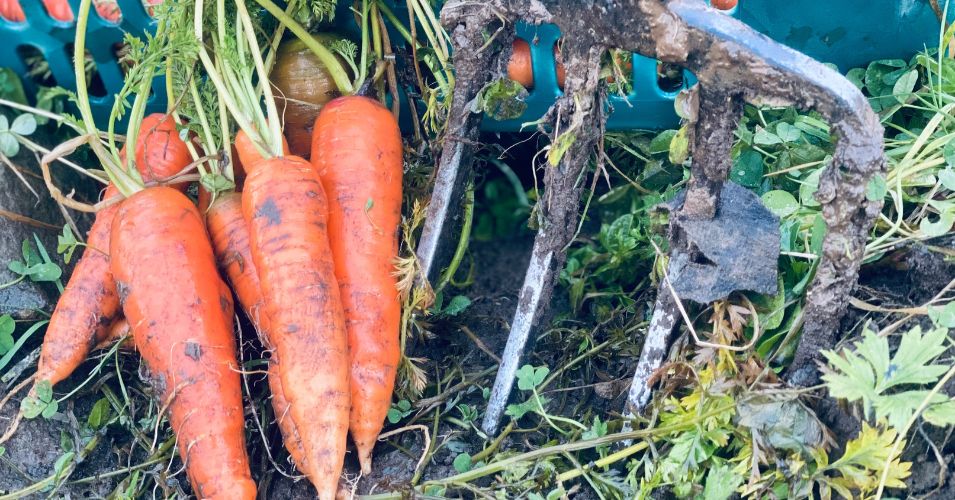
When most people think of gardening, they imagine spring planting and summer harvests, but fall is actually one of the best times to grow vegetables.
Cooler temperatures, fewer pests, and gentler sunlight create excellent conditions for many crops that thrive in cold weather.
By planning carefully, you can fill your table with fresh, nutritious produce long after summer has ended. Some vegetables even improve in flavor after a light frost, becoming sweeter and more tender.
Knowing which vegetables grow well in autumn ensures your garden continues to provide food and satisfaction as the seasons change.
Kale
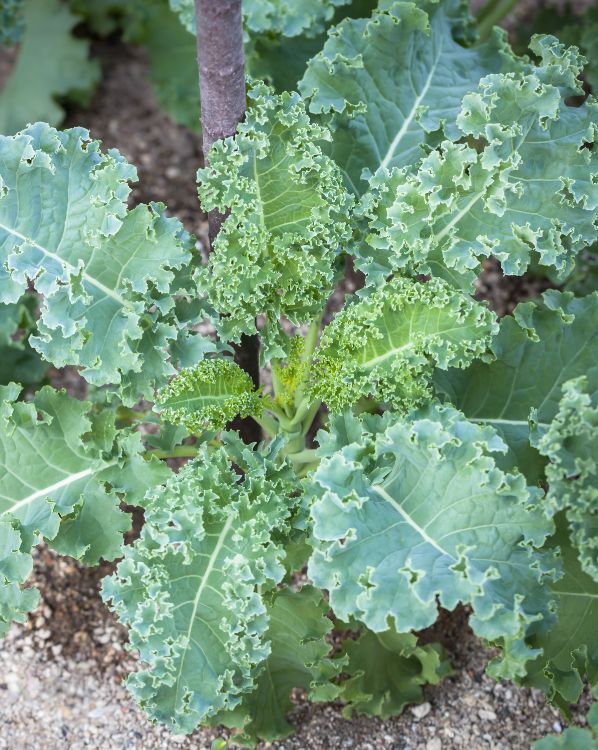
Kale is one of the hardiest leafy greens you can grow, making it a perfect choice for fall planting. Unlike many vegetables that wilt or struggle once the weather cools, kale thrives in the crisp air of autumn.
In fact, its flavor actually improves after being touched by frost. The cold temperatures cause the plant to convert starches into sugars, giving the leaves a sweeter taste that is far more enjoyable than the sometimes bitter flavor of summer grown kale.
Planting kale in late summer or early fall gives it enough time to establish before the chill of winter sets in. Kale can tolerate temperatures as low as 20 degrees Fahrenheit, which means it will keep producing long after other vegetables have finished for the year.
In milder climates, it can even continue growing throughout the winter, providing a steady supply of nutrient rich greens for months.
Another reason kale is a standout for fall gardening is its versatility. You can harvest the leaves when they are young and tender for fresh salads or wait until they are larger and use them in soups, stews, and sautés.
The outer leaves can be picked while the plant continues to grow from the center, giving you a continuous harvest without having to replant. This cut and come again method makes kale one of the most efficient crops for cold weather gardens.
Kale is also relatively easy to care for. It grows best in full sun but can tolerate partial shade, which is especially helpful in the shorter days of fall. The soil should be rich in organic matter and kept consistently moist to encourage steady growth.
Adding a layer of mulch around the base of the plants helps retain moisture, insulates the roots, and prevents weeds from competing for nutrients.
Packed with vitamins A, C, and K, along with iron and calcium, kale is a powerhouse vegetable that supports both your garden and your health. By planting it in fall, you ensure that your garden remains productive and colorful well beyond the end of summer.
Carrots
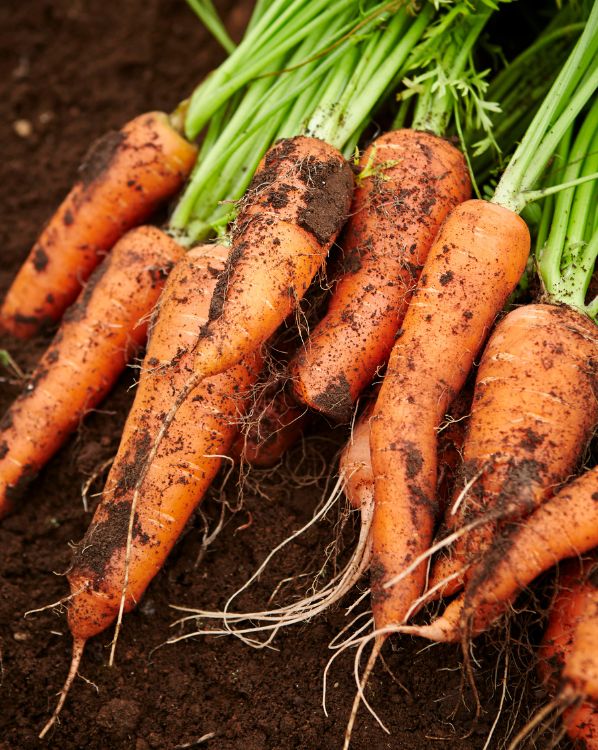
Carrots are another excellent vegetable to grow in fall, as they not only tolerate cool weather but actually become sweeter when exposed to frost.
Just like kale, the cold triggers the conversion of starches into sugars, giving fall grown carrots a rich, sweet flavor that is unmatched by their summer counterparts. Harvesting crisp, brightly colored carrots in late autumn is one of the most rewarding experiences for gardeners.
Planting carrots in late summer allows the roots to develop fully before the soil becomes too cold. Carrots prefer loose, well drained soil that is free of rocks and debris, which allows the roots to grow long and straight.
Raised beds are especially ideal for fall carrots, as they provide better soil structure and warmth during the cooling months. Keeping the soil consistently moist ensures even germination and helps prevent the roots from splitting.
One of the advantages of carrots is their ability to remain in the ground well into winter if the soil does not freeze too hard. By covering the bed with a thick layer of straw or mulch, you can insulate the soil and continue harvesting carrots for weeks or even months after the first frost.
This makes them an excellent crop for extending the garden season and enjoying fresh vegetables during the colder months.
Carrots also come in a wide variety of colors, from classic orange to purple, yellow, and even white. These varieties can add visual appeal to your meals while still offering the same crisp texture and nutritional benefits.
Carrots are high in beta carotene, fiber, and vitamin K, making them a healthy and versatile addition to your fall harvest.
Whether eaten raw, roasted, or added to soups and stews, carrots grown in fall provide unbeatable flavor and nutrition. By planting them late in the season, you can take full advantage of their natural sweetness and enjoy fresh, homegrown vegetables even as the days grow shorter and cooler.
Spinach
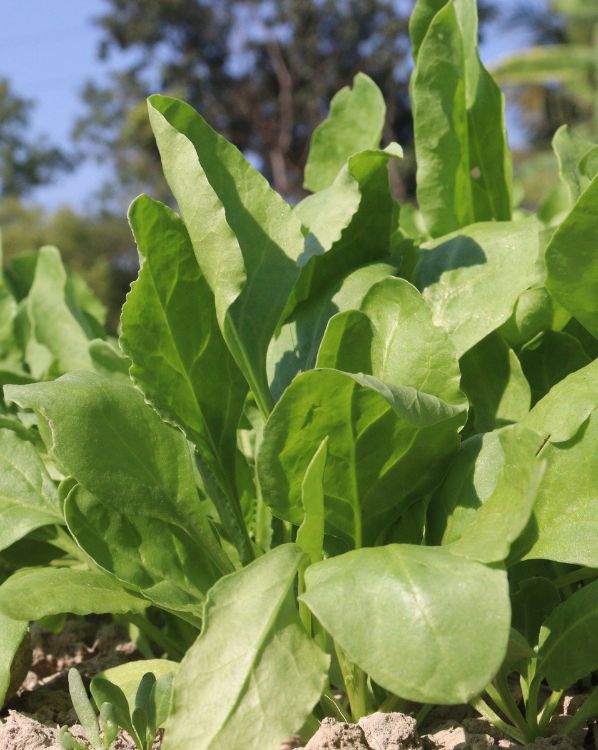
Spinach is one of the best vegetables to plant in fall because it thrives in cool weather and actually struggles in the heat of summer. When grown in autumn, spinach produces tender, flavorful leaves that are perfect for fresh eating or cooking.
Its ability to tolerate frost makes it an ideal choice for extending the harvest well into the colder months. In fact, spinach can survive temperatures as low as the mid 20s, and with some protection, it can even last through winter in certain climates.
The key to success with spinach is timing. Planting in late summer or early fall allows the plants to establish strong roots before the days become too short. Spinach grows best in soil that is rich in organic matter and consistently moist.
Mulching around the plants helps retain moisture and keeps the soil cool, which is exactly what spinach prefers. It can grow in partial shade, making it a good option for areas of the garden that receive fewer hours of sun in autumn.
Spinach is also quick to mature. Many varieties are ready to harvest in as little as 30 to 40 days, making it possible to enjoy multiple rounds of planting throughout fall.
Harvesting can be done by picking individual outer leaves as needed, which allows the center to continue producing. This cut and come again approach provides a steady supply of greens for salads, smoothies, and cooked dishes.
One of the most appealing qualities of spinach is its nutritional value. It is rich in iron, calcium, vitamins A and C, and antioxidants. Eating spinach from your own garden ensures that you get the freshest possible leaves, which retain more nutrients and flavor than store bought options.
Fall grown spinach often tastes sweeter than spring crops, since the cool weather reduces the chance of the plant bolting, or going to seed. With proper care and timing, spinach can become a staple of your fall harvest, delivering both flavor and nutrition right up until winter sets in.
Broccoli
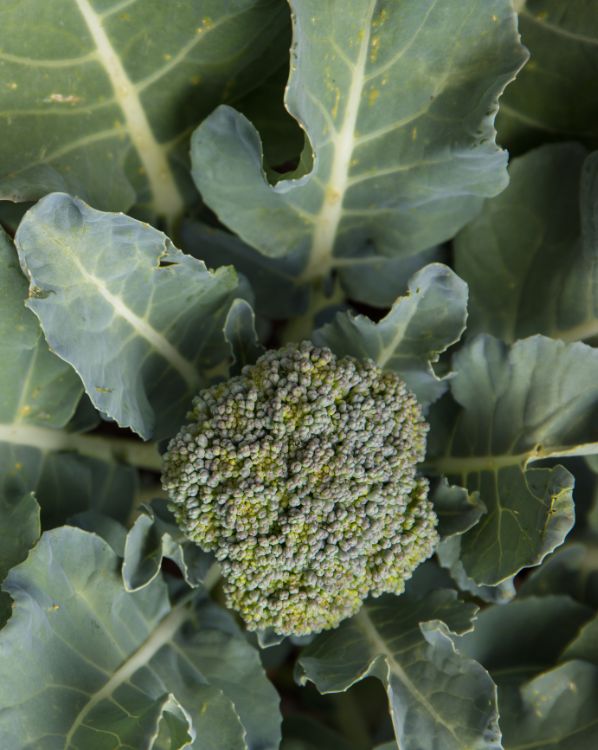
Broccoli is a cold-loving vegetable that thrives in fall conditions, making it one of the top crops for autumn planting.
While summer heat often causes broccoli to bolt and turn bitter, the cool temperatures of fall allow it to develop tender florets with excellent flavor. Many gardeners find that broccoli planted for fall harvest is superior in taste and texture to spring crops.
Planting broccoli in late summer gives it enough time to mature before hard frost arrives. Most varieties take between 70 and 100 days to reach harvest, so it is important to plan ahead based on your local climate.
Starting seeds indoors and transplanting them outdoors once the weather cools can give you a head start. Broccoli grows best in full sun with soil that is fertile, well drained, and rich in organic matter. Consistent moisture is essential, as dry conditions can cause the plants to become stressed and produce smaller heads.
One of the advantages of growing broccoli in fall is that cooler temperatures reduce the risk of pests like cabbage worms and aphids. These pests are far less active in autumn, which means your plants are more likely to thrive without heavy damage.
This natural reduction in pest pressure makes fall an easier season for growing broccoli compared to spring or summer.
Broccoli is also a highly productive vegetable. After harvesting the central head, side shoots often continue to grow, providing additional harvests well into the season. This makes it a reliable and rewarding crop for home gardeners who want maximum value from their planting space.
Nutritionally, broccoli is a powerhouse, loaded with vitamins C and K, fiber, and antioxidants that support overall health. Roasted, steamed, or eaten raw, fresh broccoli from your fall garden offers unmatched flavor compared to store bought options.
By including broccoli in your fall garden, you can enjoy hearty harvests that carry you into winter. With proper timing and care, this resilient vegetable rewards gardeners with both quantity and quality, proving that fall is one of the best seasons to grow it.
Radishes
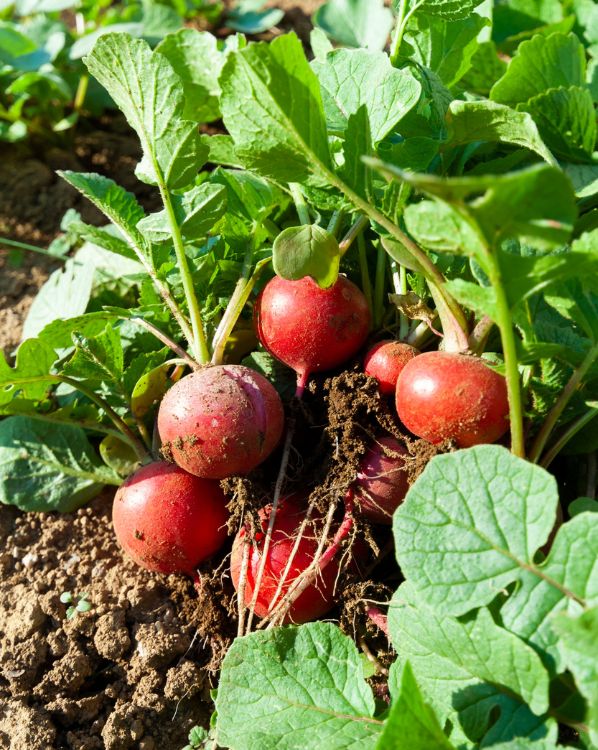
Radishes are one of the easiest and fastest vegetables to grow, making them a perfect choice for fall planting. Unlike some crops that require months of care, radishes can mature in as little as 25 to 30 days.
This quick turnaround makes them an ideal option for gardeners who want to enjoy fresh harvests even as the days grow shorter. The cool weather of autumn is especially favorable for radishes, as it prevents them from becoming too spicy or woody, which often happens in the heat of summer.
Planting radishes in late summer or early fall allows you to take full advantage of their fast growth cycle. Because they germinate quickly, you can plant successive rounds every couple of weeks for a continuous harvest.
This method keeps your garden productive right up until frost. Radishes prefer loose, well drained soil to allow the roots to grow freely without obstruction. Adding compost improves soil fertility and ensures steady growth.
One of the wonderful things about radishes is their versatility. They can be eaten raw in salads for a crisp, peppery bite, roasted to bring out their sweetness, or pickled for a tangy treat.
The greens are also edible and can be used in soups, salads, sautés, or pesto, adding even more value to the crop. Fall grown radishes often develop a milder, sweeter flavor than those grown in hot weather, making them more enjoyable for a wider range of palates.
Radishes also serve a useful role in the garden beyond their culinary appeal. They can function as a quick growing cover crop, helping to break up compacted soil and improve its structure.
Their fast germination makes them excellent companions for slower growing vegetables, filling in gaps and maximizing the use of space. Some varieties, like daikon radishes, produce long roots that penetrate deeply, which helps aerate the soil and prepare it for spring planting.
Because radishes grow so quickly, they are a rewarding crop for beginner gardeners and children. The nearly instant results make gardening feel accessible and exciting, while the vibrant colors and crisp textures add variety to meals.
By including radishes in your fall garden, you enjoy a crop that is simple, versatile, and perfectly suited to the season.
Final Thoughts
Fall is not the end of the gardening season but rather a fresh opportunity to grow vegetables that thrive in cooler weather.
Kale, carrots, spinach, broccoli, and radishes each bring unique flavors, nutritional benefits, and garden advantages that make them excellent choices for autumn planting.
These crops take advantage of the crisp air, fewer pests, and gentler sunlight to produce some of their best harvests. Many even improve in flavor after frost, offering sweetness and tenderness that summer crops cannot match.
By planting thoughtfully in fall, you extend your harvest season, enjoy healthier produce, and keep your garden active until winter fully arrives. Cold weather gardening proves that every season can bring abundance and joy when you choose the right vegetables.