
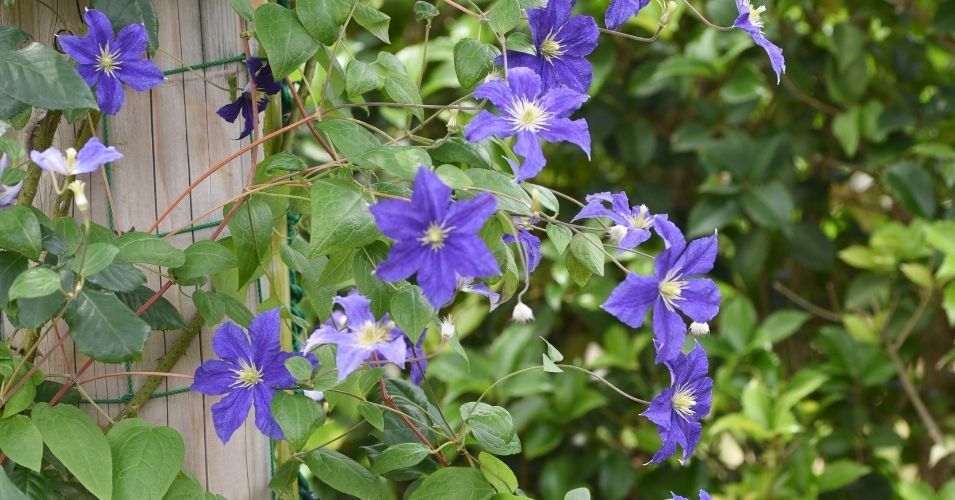
Clematis begins spring with a quiet shift that feels full of potential, and its vines often surprise gardeners with how quickly they respond once the weather warms.
The stems that looked still during winter suddenly begin to stretch, and the plant prepares itself for a season of growth that can be both dramatic and rewarding. Spring is the moment when clematis benefits most from guidance that helps its vines grow in the right direction and develop strength for the months ahead.
This guide will show you what clematis needs during its earliest season so it can rise, climb, and bloom with confidence.
Winter Impact Review for Clematis
Clematis often carries the marks of winter in subtle ways, and reviewing these effects in early spring helps you understand how the vine handled the colder months and what it needs as it begins to grow again.
Winter can cause changes in both the roots and the stems, and noticing these early clues gives you the chance to offer the right support before new growth appears. A thoughtful review of winter effects allows you to prepare the plant for a stronger season ahead.
Begin by looking closely at the base of the plant where the crown meets the soil, because this is the part that often shows the earliest signs of winter stress. If the crown appears firm and solid, it likely handled the cold well, but if it looks soft or discolored, it may have been exposed to moisture that lingered during winter.
A firm and healthy crown usually means the root system is ready to wake up without trouble. If the soil around the crown feels compacted from winter weather, loosening it gently with your fingers can help the plant breathe again.
Next, examine the stems that remained above ground during winter, and check whether they are brittle, dry, or unusually dark. Some clematis varieties naturally lose more of their stems than others, but if the wood snaps easily or appears hollow, it may have been damaged by the cold.
Removing dead or weak stems early creates more room for new shoots to rise without competition from unhealthy growth. Healthy stems often show swollen buds, a sign that the vine is ready to resume climbing.
You may also notice changes in the soil itself after winter snow and rain, and this can influence how the roots respond in early spring. If the soil stays too wet during winter, the roots may be stressed, and aerating the surface helps fresh air reach deeper layers.
A healthy root zone should feel stable and firm, not overly soggy or compacted. This early care gives the clematis a better chance of sending out strong, new shoots.
By reviewing the winter impact with care and patience, you help your clematis recover from the cold season and prepare for vigorous spring growth. This early attention strengthens the plant before it begins its upward climb, setting the stage for a healthier, more productive flowering season.
Understanding Clematis Pruning Groups in Spring
One of the most important spring decisions you can make for clematis involves pruning, and the correct approach depends entirely on which pruning group your plant belongs to. Clematis varieties are divided into three main groups based on when they bloom, and pruning at the wrong time can reduce or even eliminate flowers for the season. Knowing your vine’s group ensures that your spring care supports, rather than interrupts, its natural flowering cycle.
Group 1 clematis bloom on old wood, meaning their flower buds formed on old wood during the previous growing season. These varieties typically flower in early to mid-spring. In most cases, they require little to no spring pruning. Remove only dead or damaged stems, and avoid cutting back healthy growth, since doing so may remove this year’s blooms. If shaping is needed, wait until flowering is finished.
Group 2 clematis bloom on both old and new wood. They often produce an early flush of flowers in late spring, followed by a lighter second display later in summer. In early spring, prune lightly by trimming back weak or dead stems and cutting healthy stems just above a strong pair of buds. This encourages balanced growth while preserving the first round of flowers.
Group 3 clematis bloom entirely on new wood produced in the current season. These varieties benefit from harder pruning in early spring. Cut stems back to about 12 to 18 inches above the ground, just above a strong set of buds. This encourages vigorous new growth that will carry that year’s blooms and helps keep the vine tidy and manageable.
Taking time to identify your clematis pruning group gives you confidence as the growing season begins. When pruning matches the plant’s natural flowering habit, your vine responds with healthier growth, stronger stems, and a more reliable and abundant display of blossoms throughout the season.
Direction Choices for Clematis Vines
Clematis vines naturally reach upward in search of light, and choosing the right direction for them in spring helps the plant grow with balance and stability as the season unfolds.
Clematis does not cling on its own like ivy, so guiding the vines early ensures they follow a path that supports both structure and appearance. Offering clear direction at the start of the growing season allows the plant to climb confidently without struggling to find a place to attach.
Begin by selecting the structure you want the clematis to grow on, and this could be a trellis, an archway, a fence, or even another plant with strong and sturdy branches. The structure should be tall enough to support the vine’s natural habit, since clematis prefers climbing rather than sprawling.
Make sure the support is secure so it can handle the weight of the vine as it thickens through spring and summer. A stable structure encourages the plant to settle into its path without difficulty.
Once you choose the direction, gently guide the stems toward the structure by weaving them through the openings or tying them loosely with soft garden twine. Clematis attaches itself by wrapping its leaf stems around thin supports, so providing narrow places for these leaf stems to grip helps the plant climb naturally.
Avoid forcing the stems too sharply in one direction, because soft spring growth can bend easily. Gentle adjustments are best during this time.
As new shoots appear, continue to guide them upward to prevent tangling or crowding at the base. If the vines begin moving away from the structure, redirect them early before they become too long.
Regular guidance helps the plant create even coverage and allows air to move through the foliage. Good airflow reduces the risk of moisture problems and ensures the plant receives light on all sides.
Choosing the right direction helps your clematis grow with purpose and grace, and this early effort gives the vine the confidence it needs to climb steadily throughout the season. With gentle help and a clear path to follow, your clematis will rise beautifully, creating a display that adds structure and color to your garden.
Fertilizer Options That Strengthen Early Growth
Clematis begins its spring season with a burst of energy, and the right fertilizer options help support this momentum so the plant can develop strong stems, healthy leaves, and reliable early shoots.
Fertilizing clematis is not about overwhelming the plant with high levels of nutrients, but rather about offering a balanced approach that encourages steady growth without causing stress.
Understanding which fertilizers work best for early spring helps you give your clematis the foundation it needs for the rest of the year.
Many gardeners start with a balanced granular fertilizer that includes equal parts nitrogen, phosphorus, and potassium, because this blend supports both leaf development and root strength. Applying a small amount around the base of the plant allows the nutrients to work gradually as the soil warms.
Avoid placing fertilizer directly on the crown, since early spring growth can be tender. A gentle application encourages the vine to wake up naturally while receiving small, steady boosts of nourishment.
Organic fertilizers are another excellent option because they release nutrients slowly and help improve soil texture over time. Compost, aged manure, and worm castings add mild nutrients without overwhelming the plant, and they also support beneficial soil organisms that help the roots absorb what they need more efficiently.
Mixing a small amount of organic material into the top layer of soil helps the clematis build strength at a steady pace. The slow-release process keeps the plant balanced as new shoots begin to form.
Low nitrogen fertilizers can also be helpful in early spring, especially for varieties that produce abundant flowers later in the season.
Too much nitrogen can create leafy growth without strong blooms, so using a blend with slightly higher phosphorus helps the roots focus on stability rather than excess foliage. Healthy roots support healthier vines, which ultimately leads to better flowering potential.
Liquid fertilizers can also offer gentle early support, especially when the weather is still cool. A diluted liquid formula applied at the soil level provides quick but mild nourishment that encourages new shoots to rise with vigor. Using liquids sparingly prevents overfeeding and keeps the growth steady rather than rushed.
Choosing the right fertilizer for your clematis in early spring helps strengthen its foundation, nourishes the roots, and prepares the plant for the climbing and blooming season ahead. With balanced care and mindful feeding, your clematis will start the year with healthy momentum that carries through every stage of growth.
Root Shade Methods for Better Clematis Comfort
Clematis grows best when its roots stay cool, and creating shade around the base of the plant helps keep the root zone protected from warm spring sunlight. This need for cool roots comes from the way clematis naturally grows in the wild, where the vine climbs toward the light while the base stays shaded by surrounding vegetation.
Offering shade at the lower part of the plant helps maintain moisture, prevents stress, and gives the clematis a more comfortable place to grow.
One of the easiest ways to shade the roots is to plant low-growing companion plants around the base of the clematis. Plants such as hostas, hardy geraniums, and small ornamental grasses create a natural shelter that keeps sunlight from hitting the soil directly.
These companions help the clematis stay cool while also adding texture and color to the garden. Keeping the companion plants small ensures they do not compete heavily for nutrients.
A layer of mulch is another effective way to shade the root area. Mulch helps block the sun from warming the soil too quickly and also holds moisture, keeping the roots from drying out.
Organic mulch, such as shredded bark, leaf mold, or composted wood chips, also improves soil quality over time. Applying a light layer around the base, without touching the stem directly, gives the plant steady comfort throughout spring.
Decorative stones or flat rocks can also create shade by covering small areas of soil near the root zone. These stones absorb heat during the day while shielding the ground beneath them, helping maintain a more stable temperature. Using stones sparingly prevents overcrowding and allows plenty of air movement around the plant.
Small garden panels or wooden boards placed on the soil surface can also provide shade. These temporary barriers keep direct sunlight from reaching the base without interfering with the vine’s upward growth. Adjusting their placement as the season changes ensures the clematis always receives the right amount of comfort.
By keeping the root area shaded in creative, gentle ways, you provide your clematis with a cool, steady environment that supports healthy growth. These shade methods help the plant conserve energy, maintain moisture, and rise into spring with greater strength and ease.
Final Thoughts
Clematis rewards careful spring attention with months of elegant growth, and the effort you invest early shapes how well the vine performs for the rest of the season.
Small checks, thoughtful adjustments, and gentle guidance all contribute to a healthier plant that climbs with confidence and blooms with greater vitality.
When you give your clematis the steady support it needs in spring, you create the foundation for a season filled with color, structure, and lasting beauty.