
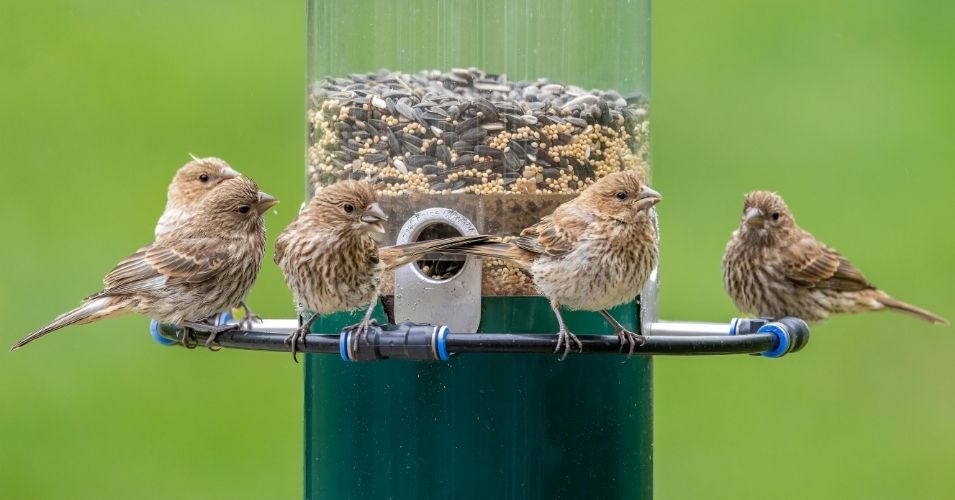
Feeding backyard birds is one of the simplest joys of gardening and wildlife watching. A well stocked bird feeder turns your yard into a lively hub where sparrows, cardinals, finches, and chickadees gather.
Yet not all foods are safe for them, and some items people place in feeders can actually do more harm than good. Knowing what to avoid is just as important as knowing what to provide.
By choosing the right foods, you help keep birds healthy, encourage them to return often, and create a safe space where they can thrive throughout the year.
Bread and Baked Goods
Bread is one of the most common items people toss into bird feeders or scatter on the ground, but it is one of the worst foods you can offer. Although birds may eagerly peck at bread, it offers little nutritional value.
Bread is essentially filler that makes birds feel full without giving them the proteins, fats, and essential nutrients they need to survive.
When birds fill up on bread, they may lack the energy and nutrition required for migration, winter survival, or feeding their young. Over time, this can weaken bird populations in your area.
Another major problem with bread is its tendency to grow mold quickly, especially in damp outdoor conditions. Moldy bread is dangerous because it can cause aspergillosis, a fungal infection that affects the lungs of birds and is often fatal.
Even small amounts of mold can harm birds, making old or discarded bread a serious risk. Many people think they are being kind by feeding leftovers, but they may be spreading disease.
Baked goods such as donuts, cookies, crackers, or chips are no better. These foods often contain sugar, salt, preservatives, and oils that are not safe for birds.
Just as processed junk food is harmful to humans, it is far worse for wildlife that has no natural way to process these ingredients. Birds’ digestive systems are designed for seeds, grains, and natural food sources, not refined flour and additives.
Instead of bread or baked goods, you can provide whole grains like oats or bird safe seed mixes that include sunflower seeds, millet, or safflower. These foods give birds the calories and nutrients they need while supporting their natural diets.
Fruits such as apple slices, orange halves, or raisins soaked in water are also safe alternatives. By offering nutrient rich foods rather than bread, you help keep wild birds strong, healthy, and more likely to return to your feeder.
Raw Rice and Uncooked Beans
Another common misconception is that birds can eat raw rice or uncooked beans. While these foods may seem natural and harmless, they pose real dangers when placed in bird feeders.
Raw rice, for example, can expand in the digestive system of smaller birds when it absorbs water, leading to discomfort or even internal damage. Although larger birds may tolerate it better, the risks outweigh the benefits, especially since rice provides limited nutrition compared to other grains.
Uncooked beans are even more hazardous. Raw beans, especially kidney beans, contain a compound called hemagglutinin. This naturally occurring toxin is harmful to birds and can interfere with digestion or even cause poisoning.
Humans also cannot eat raw beans safely, and the same is true for wildlife. Cooking neutralizes this toxin, but cooked beans spoil quickly outdoors and may attract harmful bacteria, making them unsuitable for feeders.
Beyond safety concerns, raw rice and beans lack the essential nutrients birds need. They are not rich in the fats and proteins required for energy, particularly during migration or cold weather when birds must eat constantly to maintain body heat.
Providing low value food like raw beans or rice can cause birds to waste time and energy without receiving the nutrition they need to survive.
Better alternatives include offering cracked corn, millet, or black oil sunflower seeds, all of which are safe and nutrient dense. These seeds provide the right balance of fats, carbohydrates, and proteins to fuel birds’ active lives. Suet cakes, which combine fat with seeds or dried fruit, are especially helpful during winter when high energy food is critical.
By avoiding raw rice and beans in feeders, you not only protect birds from potential harm but also encourage them to thrive with healthier, natural food choices. Small adjustments in what you offer can make a substantial difference in the well-being of the feathered visitors in your garden.
Salty or Sugary Snacks
It can be tempting to share snack foods like chips, pretzels, crackers, or even cookies with birds, especially when these items are already on hand. However, salty and sugary snacks are some of the worst choices for feeders.
Birds’ bodies are not designed to process excess salt, and even small amounts can disrupt their delicate electrolyte balance. Too much salt can cause dehydration, kidney failure, or even death in small species.
While a single crumb may not seem harmful, repeated exposure to salty foods can be dangerous over time.
Sugary foods such as cookies, donuts, or breakfast cereals also pose significant risks. Birds do not naturally consume refined sugar, and their systems cannot manage it in the same way humans can.
Sugary snacks may provide a quick burst of calories but without the essential nutrients birds need. Over time, these foods can weaken immune systems, reduce fertility, and cause long term health problems. In addition, sticky or processed treats can coat birds’ beaks and feathers, interfering with grooming and flight.
Another issue with offering snack foods is the presence of preservatives, artificial flavors, and unhealthy fats. These additives may extend shelf life for humans but have no place in a bird’s diet.
Processed foods often break down poorly in birds’ digestive systems, which are adapted for simple, natural ingredients such as seeds, insects, and fruits. Offering these snacks in feeders also attracts pests like squirrels, raccoons, or rats, creating more problems for the garden.
Instead of salty or sugary snacks, focus on providing natural, nutrient rich options. Black oil sunflower seeds, unsalted peanuts, cracked corn, or dried fruit make excellent substitutes that are both safe and appealing to a wide range of bird species.
These foods deliver the healthy fats and proteins birds need for energy, particularly during migration and colder months. By avoiding human snack foods and offering natural alternatives, you help wild birds stay strong, healthy, and ready to thrive.
Milk and Dairy Products
Another type of food that should never be placed in bird feeders is milk and other dairy products. While mammals, including humans, can digest lactose as infants, birds lack the necessary enzymes to break it down.
This means that even small amounts of milk can cause digestive distress in birds, leading to bloating, diarrhea, or dehydration. Over time, these problems can become life threatening, especially for smaller species with delicate systems.
Cheese, yogurt, and butter may seem less harmful, but they also contain varying amounts of lactose and fat that birds cannot process properly.
Feeding dairy products not only puts stress on their digestive systems but also provides little in terms of useful nutrition. Birds need simple, natural foods that match what they would eat in the wild, not processed dairy items created for human diets.
Spoilage is another concern with dairy. Milk, yogurt, and soft cheeses spoil quickly outdoors, especially in warm weather, and spoiled dairy can harbor harmful bacteria that make birds sick.
Even in colder months, the risk of contamination is high. Offering dairy products can also attract unwanted animals like raccoons, skunks, or stray pets, which may disturb or harm the birds you are trying to feed.
A far better alternative to dairy is offering protein rich options that birds can safely digest. Mealworms, either dried or live, are excellent sources of nutrition for insect eating birds such as bluebirds, robins, and wrens.
For those looking to provide fat as an energy source, suet is a safe and traditional choice. Suet cakes, often mixed with seeds or fruit, give birds the calories they need without the risks associated with dairy.
By avoiding milk and dairy products in feeders, you ensure that the food you offer matches the natural diet of wild birds. Choosing safer alternatives helps them stay healthy, supports their natural feeding habits, and prevents digestive problems that could shorten their lives.
Avocado and Chocolate
Some foods are not just unhealthy for backyard birds; they are downright toxic.
Two of the most dangerous are avocado and chocolate, both of which can cause serious illness or even death in wild birds. While these items are common in human diets, they should never be offered in bird feeders.
Avocado contains a compound called persin, which is harmless to people but poisonous to birds and many other animals. Even small amounts of avocado flesh, skin, or pit can cause breathing difficulties, fluid around the heart, and sudden weakness.
For smaller birds, just a bite or two can be fatal. Because avocado is such a popular food in households, scraps often find their way outdoors, but this well-intentioned habit can have devastating consequences for the birds that visit your yard.
Chocolate is another major danger. It contains theobromine and caffeine, both of which are stimulants that birds cannot process safely. These substances can disrupt their nervous system, cause seizures, or lead to heart failure.
Dark chocolate and cocoa powder are especially hazardous because they contain the highest concentrations of theobromine. Even a crumb of a brownie, cookie, or candy bar left out for birds can be enough to cause harm.
The risk is not only from the main ingredients but also from added sugars and fats, which make chocolate products even more unsuitable for wildlife. Unlike seeds and fruits, which birds digest naturally, processed chocolate treats linger in their systems and create stress their bodies are not equipped to handle.
Instead of placing avocado or chocolate outdoors, stick with safe, nutrient rich foods such as sunflower seeds, suet, and fresh fruit. These options fuel birds with the calories and proteins they need without exposing them to toxins.
By keeping avocado and chocolate far from your feeders, you help ensure that the visitors in your garden remain healthy and safe.
Final Thoughts
Feeding wild birds is a rewarding experience, but it comes with responsibility.
Offering the wrong foods, such as bread, raw rice, beans, dairy, or processed snacks, can harm rather than help. Birds need simple, nutrient rich foods that mirror their natural diets, not human leftovers.
By choosing safe alternatives like sunflower seeds, nyjer, suet, fruits, and peanuts, you provide the energy and nutrition birds need to thrive. These foods not only keep birds healthy but also encourage them to return, filling your yard with movement and song.
The key is mindful feeding. When you take care to offer safe, nourishing foods, you transform your bird feeder into more than a feeding station. It becomes a sanctuary where wildlife finds support and your garden becomes a place of beauty, life, and connection with nature.