
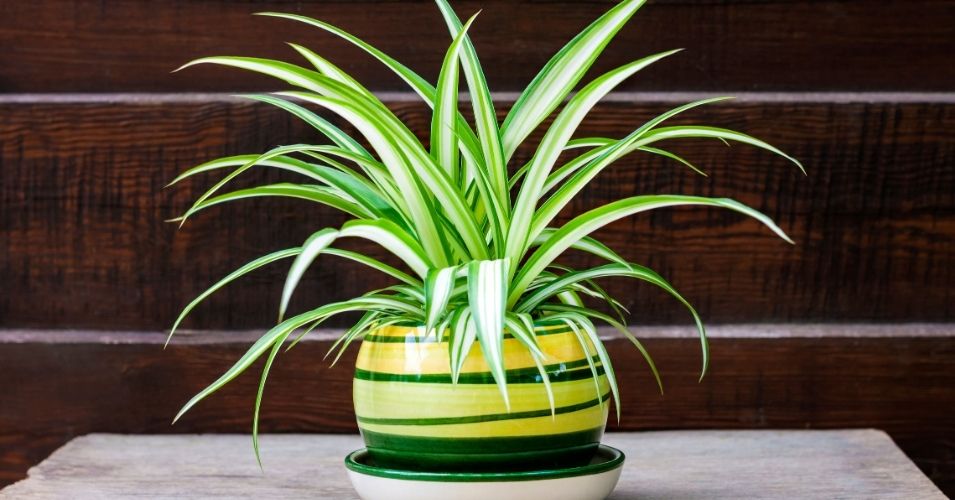
Spider plants are among the most forgiving and cheerful houseplants you can grow. Their arching leaves, striped in green and white, bring life to any space, and their tiny baby plantlets make them easy to share with friends.
But when winter arrives, spider plants need a little extra care to stay at their best. Shorter days, cooler air, and dry indoor heat can challenge their usual resilience.
With a few thoughtful adjustments to watering, light, and humidity, your spider plant can stay healthy, complete, and vibrant all season long. Winter doesn’t have to slow its charm. It just requires gentle attention.
Understand How Spider Plants Slow Down in Winter
Spider plants are famous for their resilience and ability to thrive in a wide range of indoor environments. But even these hardy houseplants feel the seasonal slowdown that winter brings.
As the temperature drops and daylight hours shorten, spider plants naturally shift into a slower growth rhythm. Understanding what this means helps you care for them properly without overwatering or overfeeding, and without worrying when they seem less active.
In spring and summer, spider plants grow quickly, sending out new leaves and producing long stems covered in baby plantlets. During winter, that energy changes direction.
Instead of focusing on outward growth, the plant conserves resources, strengthening its roots and maintaining existing foliage. You might notice that new shoots appear less frequently or that the plant seems to pause its production of offshoots entirely. This isn’t a sign of distress. It’s simply the plant’s way of resting and preparing for another burst of growth when the days grow longer again.
Because of this slower pace, your spider plant’s needs change, too. It won’t require as much water or fertilizer, and its tolerance for cold drafts will be lower. It becomes more sensitive to its environment, meaning small changes in temperature or moisture can have a greater effect than usual.
You may also notice that the leaves lose some of their bright green color, or that some tips turn brown. This is a common reaction to reduced light and drier indoor air rather than a sign of poor health. The key is to provide stability: steady temperatures, soft light, and consistent but careful moisture.
It’s important to avoid forcing growth during winter. Many people make the mistake of fertilizing too often or watering too much, thinking their plant needs a “boost.” In reality, spider plants benefit most from rest. They will reward you with vigorous new growth once the warmth and light of spring return.
By understanding that this slower period is part of the plant’s natural rhythm, you can support your spider plant’s quiet phase instead of fighting it. The result is a more vigorous, healthier plant that thrives year after year, weathering the seasons with ease and grace.
Choose the Best Indoor Location During the Cold Season
Finding the right spot for your spider plant in winter can make all the difference between a thriving houseplant and one that struggles. During the colder months, light levels drop, temperatures fluctuate, and indoor air becomes drier.
A few thoughtful adjustments to placement can keep your spider plant comfortable, healthy, and growing steadily, even as conditions outside turn harsh.
Start by thinking about light. Spider plants love bright, indirect sunlight. In summer, they can handle being a bit farther from a window because the light is stronger. But in winter, the sun sits lower in the sky, and days are shorter, so your plant may need to move closer to a bright window to soak up enough energy. East- or north-facing windows are ideal because they provide gentle brightness without harsh rays that can scorch the leaves.
Avoid placing your spider plant directly against cold glass, though. Windowpanes can become much colder than room temperature, especially at night, and leaves that touch the glass may develop cold damage or water-soaked spots. Keep the pot a few inches away from the window, or use a plant stand or shelf to lift it slightly.
At the same time, you’ll want to avoid drafts. Spider plants don’t like sudden temperature changes, and cool air from windows or doors can stress them quickly. Similarly, placing the plant too close to a heater or vent can cause dry air and leaf burn. The goal is to find a middle ground: a bright location with consistent, moderate warmth and no direct exposure to cold or heat sources.
Another trick is to rotate your spider plant every couple of weeks. This helps all sides of the plant get equal light and keeps its growth even and full. If your home has particularly dark corners, consider using a small grow light for a few hours each day. Spider plants adapt well to artificial lighting, and this extra boost can prevent pale or drooping leaves.
Lastly, remember that spider plants enjoy company. Grouping them near other houseplants helps create a slightly more humid microclimate, which benefits all your greenery. Just make sure air can still circulate freely between them.
Choosing the right winter location is really about stability and balance. Your spider plant doesn’t need a tropical environment. It simply needs a calm one. With gentle light, consistent warmth, and protection from extremes, it will stay lush and happy all season long, ready to burst into new life when spring arrives.
Water, Feeding, and Soil Care for the Winter Months
During the warmer months, spider plants seem almost unstoppable. They grow quickly, produce babies, and use up plenty of water. But in winter, their pace slows dramatically, and that means their watering and feeding needs change too.
One of the most common mistakes plant owners make during this time is caring for their spider plant as if it were still summer. The key to winter success is moderation.
Spider plants prefer soil that stays slightly moist but never soggy. In winter, when growth slows, their roots take up water more slowly, and evaporation from the soil also decreases. This means the potting mix stays wet for much longer. If you water too often, the roots may sit in damp soil, which can lead to root rot. This is a condition that is hard to fix once it starts.
The best approach is to check the soil before watering. Stick your finger about an inch into the potting mix. If it feels dry, it is time to water. If it still feels damp, wait a few more days. In most homes, this means watering about every 10 to 14 days, though it may vary depending on how warm or dry your space is. Always water slowly until it drains from the bottom of the pot, then empty any excess water from the saucer to prevent it from soaking back into the roots.
Temperature matters too. Use room-temperature water, since cold water can shock the roots. Letting your water sit out overnight before using it also allows chlorine to evaporate, which spider plants appreciate.
Feeding is another habit that should pause in winter. Since spider plants aren’t growing as actively, they don’t need extra nutrients. Fertilizing during this time can do more harm than good by causing a buildup of minerals in the soil. These minerals can burn the delicate root tips and cause brown edges on the leaves. Wait until spring to resume monthly feeding with a diluted, balanced fertilizer.
Soil condition also plays a significant role in keeping your plant healthy. Spider plants prefer loose, well-draining potting soil. If you notice the surface becoming compacted, gently loosen it with your fingers to improve airflow and drainage. Avoid repotting during winter unless absolutely necessary, as disturbing the roots while they’re in their resting phase can stress the plant.
Good watering habits, healthy soil, and a break from feeding help your spider plant rest comfortably through winter. These small adjustments give its roots a chance to stay strong and ready for fresh growth when the days grow longer again.
Managing Dry Air and Keeping Leaves Healthy
One of the biggest challenges spider plants face in winter is dry indoor air. When the heat is on and the windows are closed, humidity levels drop sharply, leaving your plant’s leaves vulnerable to browning, curling, or losing their shine.
Spider plants come from naturally humid environments, so giving them a touch more moisture in the air makes all the difference between dull, tired foliage and lush, vibrant leaves.
The first step to keeping your spider plant’s leaves healthy is to observe the air in your home. If you notice that your own skin feels dry or that static electricity becomes more common, your indoor humidity is probably low. Spider plants begin showing stress in similar ways. Brown edges, crispy tips, or slight drooping at the ends of their arching leaves are signs that your plant needs a bit more moisture in the surrounding air.
To increase humidity, try a few simple methods. Misting your spider plant lightly once or twice a week can provide a quick boost. Use a fine spray to avoid leaving water droplets sitting on the leaves for too long. Another easy option is to place your plant on a tray filled with pebbles and a shallow layer of water. As the water evaporates, it gently raises the humidity around your plant without soaking the roots.
If your home is very dry, a small humidifier is worth the investment. Keeping humidity between 40 and 60 percent will keep spider plants and most other houseplants happy through winter. You can also group your spider plants near other indoor plants. Together, they naturally create a more humid microclimate as they release moisture through their leaves.
Light also plays a significant role in leaf health. During winter, spider plants may not get as much sunlight, which can cause their leaves to lose some color or look less glossy. Move your plant to a brighter spot where it gets plenty of indirect light. A few hours near an east-facing window or under a grow light can help restore its natural shine.
Finally, keep the leaves clean. Dust settles faster in winter because homes are closed up, and it can block the light your plant needs. Gently wipe each leaf with a damp, soft cloth every few weeks. This simple act not only improves the look of your plant but also helps it breathe and absorb light more efficiently.
With consistent humidity, gentle light, and clean leaves, your spider plant will maintain its bright color and glossy texture even when the air outside is cold and dry. It is all about creating a comfortable indoor environment that mirrors the tropical balance these resilient plants naturally love.
Winter Troubleshooting and Simple Fixes
Even though spider plants are tough and adaptable, the combination of low light, dry air, and cooler indoor temperatures in winter can cause a few issues. The good news is that these problems are easy to fix once you know what to look for. A bit of observation and timely care will help your plant stay strong through the season.
The most common winter issue is yellowing leaves. This usually happens when the plant is getting too much water. In cold months, the soil stays moist for longer, so spider plants do not need frequent watering. If leaves begin to yellow, check the soil before watering again. Let the top inch dry completely and make sure the pot drains well. If the soil feels soggy or smells musty, the roots may need a break from excess moisture.
Another problem is pale or faded foliage. Spider plants rely on bright but gentle light to maintain their vivid green and white stripes. When light levels drop, their color can fade. Move your plant to a brighter spot or use a grow light for a few hours each day. Avoid direct sunlight, especially through cold glass, as this can cause leaf burn or cold shock.
Limp leaves are often a sign of stress from cold drafts or inconsistent temperatures. Spider plants like stability, so avoid placing them near windows that get cold at night or next to radiators that produce bursts of heat. Keeping the temperature between 65 and 75 degrees Fahrenheit ensures steady growth and prevents sudden drooping.
If your spider plant’s leaf tips turn brown, the culprit might be a buildup of minerals or chemicals from tap water. To fix this, use filtered or distilled water, or let tap water sit overnight before using it. Trimming the damaged tips with clean scissors helps the plant look refreshed while new growth continues.
Pests can also appear in winter, especially if the air is too dry. Watch for small webs or sticky residue on the leaves, as well as signs of spider mites or mealybugs. Wipe affected areas with a damp cloth or a mild soap solution, and rinse gently. Increasing humidity around your plant helps discourage pests from returning.
If your spider plant still looks unhappy despite your efforts, check the roots. Healthy roots should be firm and white. If they look brown or soft, the plant might need repotting into fresh soil once the weather warms.
Most winter troubles stem from the environment rather than neglect. Spider plants are forgiving, but they depend on balance. Steady moisture, steady warmth, and steady light are the keys. By responding to their signals and making small adjustments, you can prevent most problems before they start and keep your plant thriving through every season.
Final Thoughts
Winter care for spider plants does not have to be complicated. It’s about slowing down your routine, paying attention to small details, and keeping conditions steady.
These plants are naturally tough and adaptable, but even they benefit from a bit of extra care during the cold months. With the right balance of warmth, humidity, and light, your spider plant will stay strong through winter’s challenges.
By spring, you’ll be rewarded with new shoots, vibrant leaves, and perhaps even a few baby plantlets. This is proof that your gentle winter care made all the difference.