
Fall is a season of change in the garden, when blooms fade, leaves fall, and plants begin preparing for rest.
For gardeners, it is also the perfect time to take steps that will ensure stronger growth and healthier displays in the coming year.
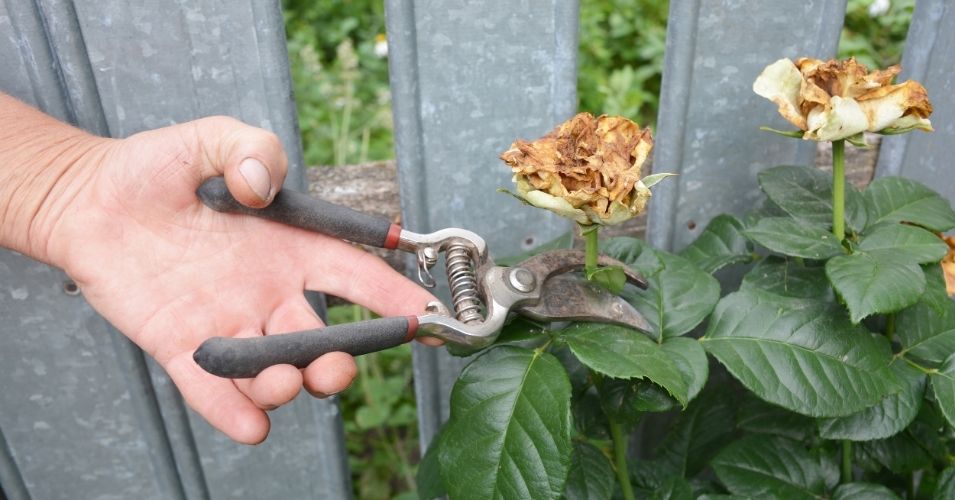
One of the most effective tasks is deadheading, the process of removing spent flowers to keep plants tidy and encourage renewed strength.
Some plants respond especially well to this care in fall, and by tending to them now, you help your garden look fresher while setting the stage for another season of beauty and productivity.
Roses
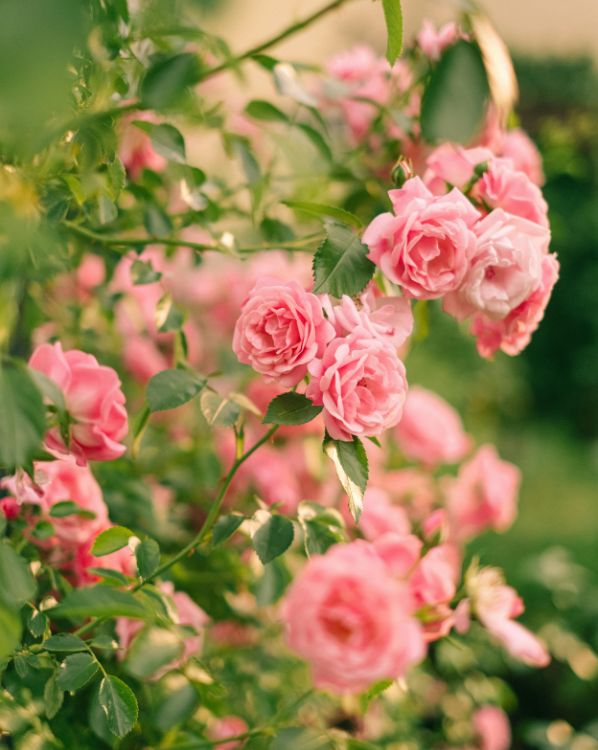
Roses are one of the most rewarding plants to deadhead in fall, not only for their beauty but also for the way they respond to proper seasonal care. By autumn, roses often hold onto faded blossoms that no longer add charm to the garden.
Removing these spent blooms helps redirect the plant’s energy away from seed production and back into strengthening its roots and canes for the winter ahead. If frosty weather is predicted, be sure to wait to remove spent blooms until after the frost has ended the growing season. Otherwise, deadheading will encourage new vulnerable flower buds.
Since roses are perennials that return year after year, extra care ensures they have the stamina to survive cold weather and flourish again when spring arrives.
Deadheading roses in fall also helps keep disease under control. Spent blooms and their stems can harbor fungal spores, such as black spot or powdery mildew, which are common in rose gardens.
If left in place, these diseases can overwinter in the plant’s tissues and return even stronger the next season. By cutting off the faded flowers and removing any damaged foliage, you are not only improving the plant’s appearance but also reducing the chance of infection spreading.
Clean pruning shears and proper disposal of the debris are important steps in this process.
Aesthetic value is another reason roses benefit from fall deadheading. Even though some rose varieties continue blooming into the cooler months, many of the later flowers look smaller or less vibrant.
Removing the tired blossoms gives your rose bushes a neater, more cared-for look as the garden transitions into fall. This tidiness also makes it easier to prepare the beds for mulching or other winter protection.
The technique for deadheading roses in fall is straightforward. Cut the stem just above the first set of healthy, outward-facing leaves. This encourages stronger growth in the right direction when the plant begins its new season.
Be sure to also trim back any stems that look weak, damaged, or diseased. This careful attention helps the rose bush channel its energy into strong canes that will support next year’s flowers.
By deadheading roses in fall, you are giving them the best chance at a long and healthy life. Roses are often called the queens of the garden, and with this extra effort, they will continue to reign over your landscape with color, fragrance, and elegance year after year.
Geraniums
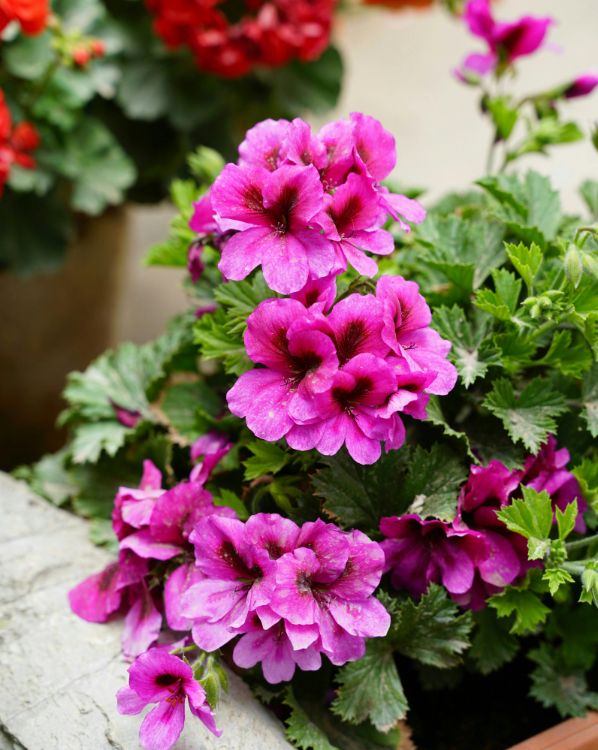
Geraniums are another plant that benefit greatly from deadheading in fall. Known for their clusters of bright blooms and rounded leaves, geraniums are a favorite for containers, borders, and flower beds.
As the season winds down, many of their flowers fade and wither, leaving behind dry heads that take away from their appearance.
Removing these spent blooms in fall revitalizes the plant and prevents it from wasting energy on seed development. Instead, the geranium can focus on root health and preparing for its next round of growth.
Deadheading geraniums also helps extend their bloom time. Even in early fall, some geraniums will attempt to push out new flowers if the old ones are removed.
This means that gardeners can enjoy splashes of color later into the season, long after many other plants have faded. By keeping the plant clean and free of dead blossoms, you encourage a more consistent flush of flowers right up until frost.
Another reason to deadhead geraniums in fall is to maintain plant health. Old flower clusters can trap moisture and create a breeding ground for fungal diseases like botrytis. When combined with the cooler, damp conditions of fall, these risks increase.
Removing spent flowers allows for better airflow around the plant and lowers the chances of disease taking hold. It also reduces the chance of pests hiding in decaying blooms.
The process of deadheading geraniums is simple but effective. Use scissors or pruners to snip off the faded flower stems at their base, being careful not to damage the leaves.
Removing the entire stem rather than just the top flower helps encourage stronger, fuller growth. At the same time, you can also remove yellowed or damaged leaves to keep the plant looking tidy and healthy.
For gardeners in colder climates, fall deadheading is especially important before bringing geraniums indoors for overwintering. A clean, well-trimmed plant is far less likely to carry pests or diseases into your home.
Whether grown outdoors or indoors, geraniums respond to fall care with resilience and renewed vigor. By deadheading them in autumn, you set the stage for brighter, healthier blooms in the next growing season.
Shasta Daisies
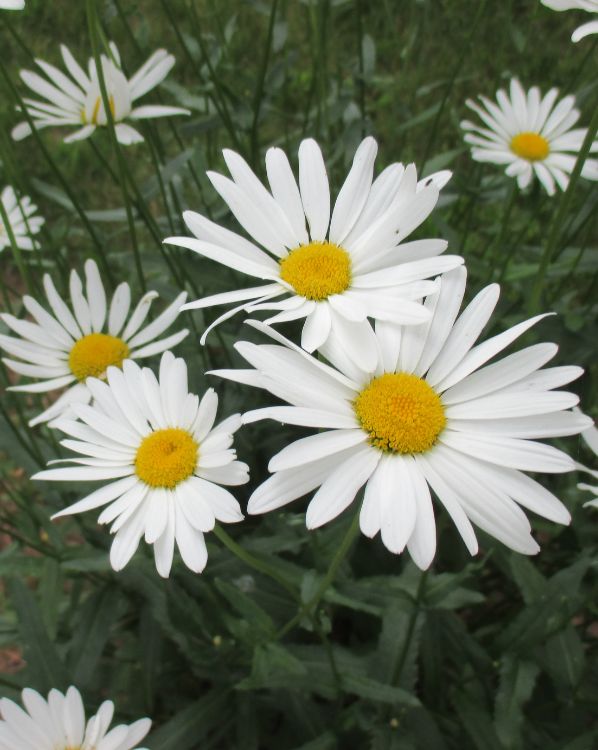
Shasta daisies are classic perennials that bring cheerful white blooms with golden centers to gardens through summer.
By the time fall arrives, however, their flowers often fade and their stems begin to topple, leaving behind a tangle of brown seed heads. Deadheading Shasta daisies in fall is one of the best ways to keep them healthy, reduce disease, and prepare them for an even stronger display next year.
One of the main reasons to deadhead Shasta daisies in fall is to control reseeding. While some gardeners enjoy surprise seedlings, Shasta daisies can spread aggressively if left unchecked.
Their seed heads scatter easily, and by spring, you may find clusters of unwanted seedlings in spots you never intended. Trimming back the spent blooms allows you to manage their spread while still maintaining a tidy garden.
Disease prevention is another important benefit. The old flowers and foliage of Shasta daisies can harbor fungal spores such as leaf spot or powdery mildew, both of which thrive in the cool, damp conditions of autumn.
If the seed heads and stems are left to decay over winter, these diseases can overwinter in the debris and reappear the following spring. Removing the spent growth reduces this risk and gives your daisies a clean start when the weather warms.
Deadheading also improves the overall look of your garden. As Shasta daisies decline, the once bright blooms lose their charm and make borders look messy.
Cutting back the old flowers tidies up beds and makes room for late-season plants like asters, sedums, or ornamental grasses to take center stage. It also makes mulching easier, which protects the root system from cold temperatures during winter.
To deadhead Shasta daisies, use sharp pruners to cut stems back to just above a set of healthy leaves, or down to the base if the plant is finished for the season. Remove any yellowed or diseased foliage at the same time. This not only keeps the plants neat but also helps them conserve energy for root growth over winter.
By deadheading Shasta daisies in fall, you keep them healthier, reduce the chance of disease, and prevent them from spreading too far.
This simple step ensures that when spring and summer return, your garden will once again be filled with their bright, daisy-like blooms that bring timeless charm to any landscape.
Zinnias
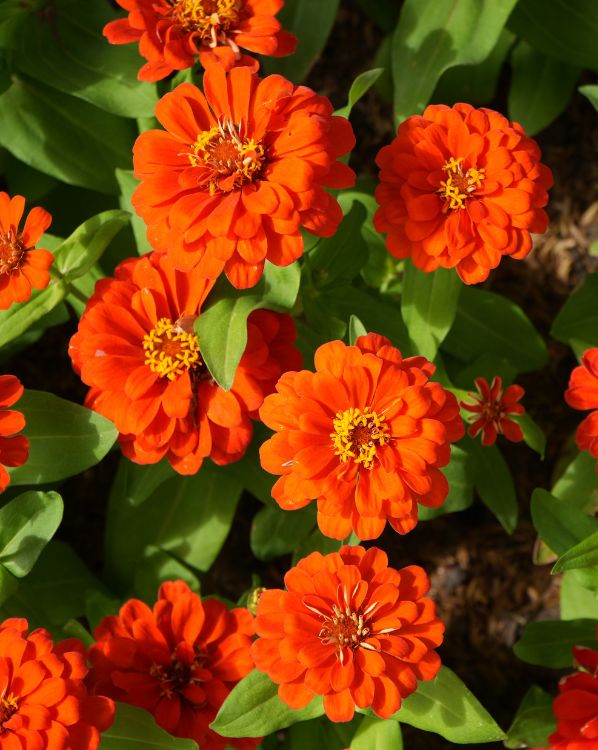
Zinnias are bright, cheerful annuals that fill gardens with bold color through summer and into fall. As the season progresses, however, their blooms eventually fade and turn brown, leaving behind seed heads that detract from their appearance.
Deadheading zinnias in fall keeps them looking tidy while also preventing them from scattering seeds across the garden. Since zinnias are annuals, they will not return on their own unless they reseed. While some gardeners enjoy surprise seedlings, most prefer to control where and how zinnias appear the next year.
Another advantage of fall deadheading is that it can extend the blooming season. If frost has not yet arrived, trimming away spent flowers encourages the plant to direct energy into producing more blooms rather than setting seed.
This means you can continue enjoying fresh bursts of color even as other annuals begin to decline. Deadheading zinnias also helps prevent overcrowding in future plantings, giving you more control over your garden design.
Zinnias are also prone to powdery mildew, especially in the cooler, damp conditions of fall. Old flower heads and foliage can contribute to this problem by harboring spores that persist over winter in garden debris.
By cutting off and discarding spent flowers, you reduce the chance of disease returning the following season. A clean bed makes it easier to prepare the soil for new plantings in spring, ensuring healthier growth overall.
Deadheading zinnias is a straightforward process. Simply snip off the spent blooms above a healthy set of leaves or side branches. This encourages branching, which can result in more flowers if the weather stays warm enough.
In colder regions, removing old flowers before frost makes it easier to pull the plants out completely once the season ends.
By deadheading zinnias in fall, you maintain their beauty, reduce disease, and control reseeding. These cheerful flowers may be annuals, but the care you give them now helps prepare your garden for a cleaner, healthier start in spring.
Their easy nature and vibrant colors make them a favorite worth tending to, even as the growing season comes to an end.
Marigolds
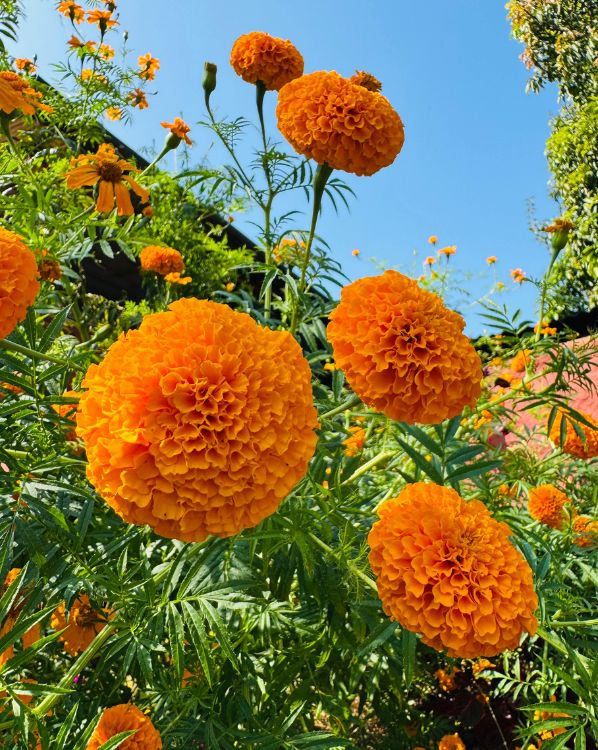
Marigolds are vibrant annuals that brighten gardens with their fiery shades of orange, red, and yellow, but like many flowering plants, they benefit greatly from deadheading in fall.
As marigolds age, their blossoms begin to shrivel and turn brown, leaving behind unsightly flower heads that take away from their cheerful display.
Removing these spent blooms encourages the plant to keep producing flowers until frost finally ends the season. In many gardens, marigolds are some of the last annuals to provide color, and with proper deadheading, they can remain attractive deep into autumn.
Another reason to deadhead marigolds in fall is to prevent them from putting energy into seed production. Once flowers fade, the plant naturally shifts its resources toward developing seeds rather than new blooms.
By trimming away these old flower heads, you redirect the plant’s energy back into producing fresh blossoms. This not only prolongs the blooming period but also ensures the plant remains healthier for the rest of its life cycle.
Deadheading also reduces the spread of disease. Marigolds, though generally hardy, can still suffer from fungal issues such as powdery mildew or leaf spot when conditions are cool and damp in fall.
Spent flowers can trap moisture and create a breeding ground for these problems. By removing them promptly, you lower the risk of disease spreading and keep the foliage clean and healthy.
For gardeners who enjoy saving seeds, marigolds offer another option. Instead of allowing all the flowers to go to seed naturally, you can selectively leave a few blooms on the plant while deadheading the rest. This allows you to harvest seeds from chosen flowers for replanting the next year, while still keeping the majority of the plant neat and blooming.
Deadheading marigolds is simple. Use scissors or your fingers to pinch off faded flowers just above the nearest set of healthy leaves. This quick task can be done every few days, keeping the plants in top shape.
By taking the time to deadhead marigolds in fall, you extend their season, protect them from disease, and ensure that your garden continues to glow with their warm colors even as the days grow shorter.
Final Thoughts
Deadheading in fall is a simple but powerful way to keep your garden looking neat and prepare plants for healthier growth next year.
Roses, geraniums, Shasta daisies, zinnias, and marigolds all respond especially well to this care. By removing their spent flowers, you prevent disease, reduce unwanted reseeding, and encourage stronger root systems that carry them through winter.
This task also improves the overall appearance of the garden, keeping beds tidy as the season winds down.
With just a little effort now, you ensure that these dependable bloomers return brighter, healthier, and more abundant when spring and summer arrive again.