
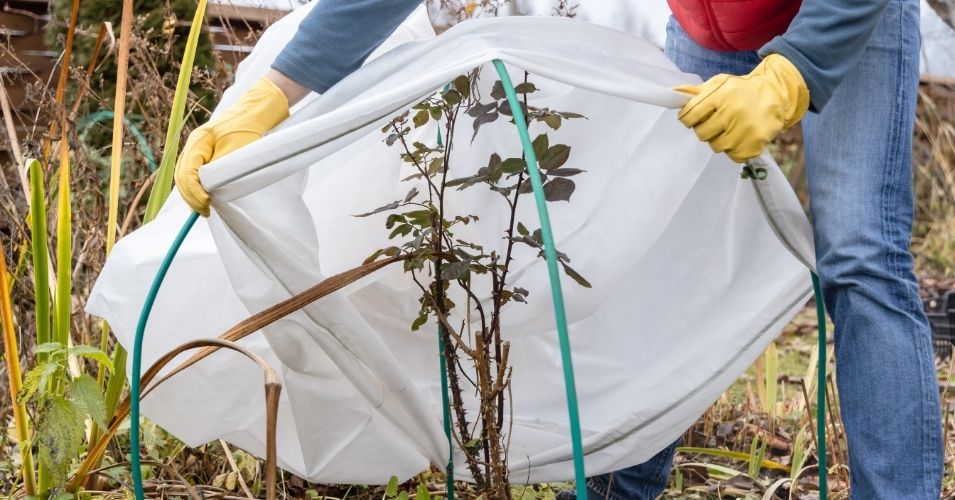
Winter brings a shift in the garden, where frost and freezing temperatures threaten plants that cannot withstand the cold. Yet many tender or half-hardy plants can survive if given the right protection through overwintering.
This process allows gardeners to carry their favorite plants from one season to the next, saving time, money, and effort when spring arrives.
Knowing which plants benefit from overwintering and the right time to act is the key to success.
By understanding the needs of each type, you can enjoy healthier gardens, fuller blooms, and even earlier harvests in the following year.
Geraniums
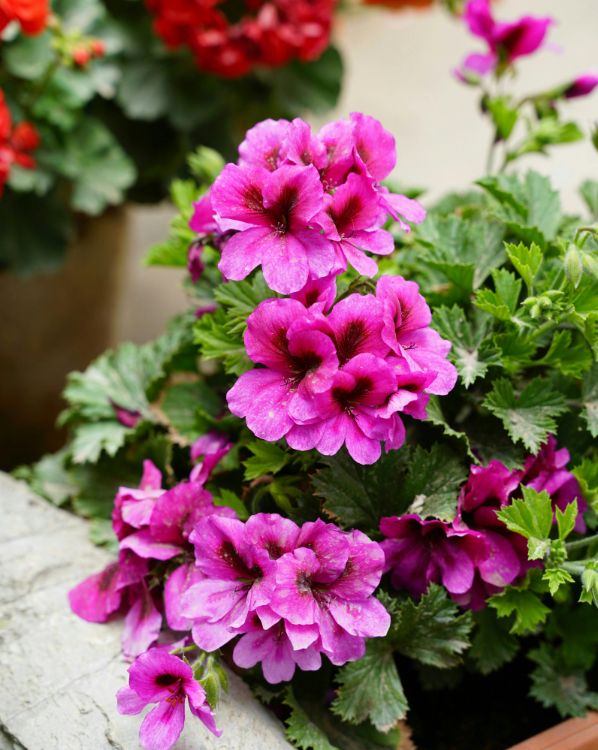
Geraniums are some of the most popular garden and container plants, loved for their clusters of colorful flowers and easy care. However, in many climates they cannot survive the freezing temperatures of winter.
This makes overwintering an essential practice for anyone who wants to save their plants for another season. By taking the right steps at the right time, geraniums can be carried successfully through the cold months and return to bloom again in spring.
The best time to begin overwintering geraniums is just before the first hard frost. Waiting too long can damage the plants, while bringing them in too early can make them struggle with the change from outdoor to indoor conditions.
Before frost arrives, you can decide whether to keep geraniums as potted plants indoors, store their bare roots, or grow cuttings for the following season. Each method works, and the choice depends on your space and preference.
Bringing entire potted geraniums indoors is one of the simplest approaches. Before moving them, trim back leggy growth and inspect the plants for pests. Place them near a sunny window where they will receive several hours of light each day.
Water sparingly during winter, as the plants enter a semi-dormant state and do not need as much moisture. Too much water can cause root rot, so it is important to let the soil dry slightly between waterings.
For gardeners with limited space, storing bare-root geraniums is another option. To do this, gently dig up the plants before frost, shake off the soil, and hang them upside down in a cool, dry place such as a basement or garage.
Once a month, mist the roots lightly to prevent them from drying out completely. When spring arrives, the roots can be replanted in fresh soil to produce new growth.
A third method is to take cuttings from healthy geraniums in fall and root them indoors. This allows you to start fresh, compact plants for the next season while saving space. Cuttings should be about four inches long and placed in moist soil or water until roots form.
Overwintering geraniums ensures that you do not have to start from scratch each year. It also allows you to preserve favorite varieties and enjoy fuller, more mature plants when the weather warms again. By acting before frost and choosing the right method, geraniums can thrive year after year.
Dahlias
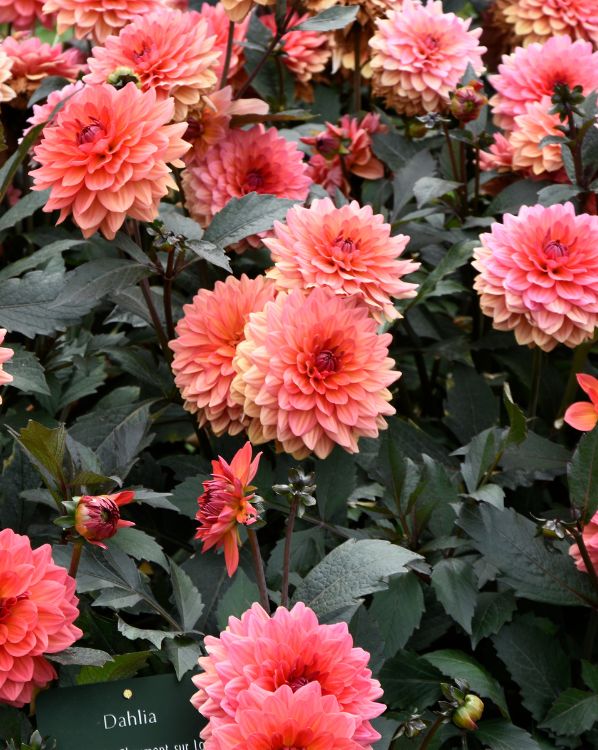
Dahlias are famous for their showy blooms in a wide range of colors and forms, making them a highlight of summer and fall gardens. However, these stunning plants are not frost hardy, and their tubers will not survive freezing soil.
To keep them for another year, gardeners must lift and store the tubers before winter arrives. Overwintering dahlias is a bit more work than with some plants, but the rewards are worth the effort.
The timing for overwintering dahlias begins after the first light frost blackens the foliage. At this point, the tubers beneath the soil have finished storing energy from the season’s growth and are ready to rest.
Waiting too long, however, risks losing them to deeper freezes. Once the foliage has been killed back, cut the stems down to a few inches above the soil and carefully dig around the tubers with a garden fork. Be gentle, as dahlia tubers are easily damaged.
After lifting the tubers, it is important to clean and cure them properly. Brush off excess soil, but avoid washing with water, as moisture can encourage rot during storage. Allow the tubers to dry for several days in a cool, dark place with good air circulation. Once dry, trim off any remaining foliage and prepare them for storage.
The ideal storage environment for dahlia tubers is cool and slightly humid, such as a basement, garage, or root cellar where temperatures stay between 40- and 50-degrees Fahrenheit.
Tubers can be placed in boxes filled with peat moss, sawdust, or vermiculite to help maintain the right moisture balance. Check them periodically throughout the winter, discarding any that show signs of rot and lightly misting if they begin to shrivel.
Come spring, the tubers can be divided before planting, allowing you to multiply your collection. Each tuber with a healthy eye has the potential to grow into a new plant, rewarding your overwintering efforts with even more blooms.
By lifting and storing dahlias before frost, you protect their tubers from harsh winter conditions and ensure they return with vigor. This process not only saves money but also allows you to keep prized varieties from one year to the next, filling your garden with dazzling color season after season.
Peppers
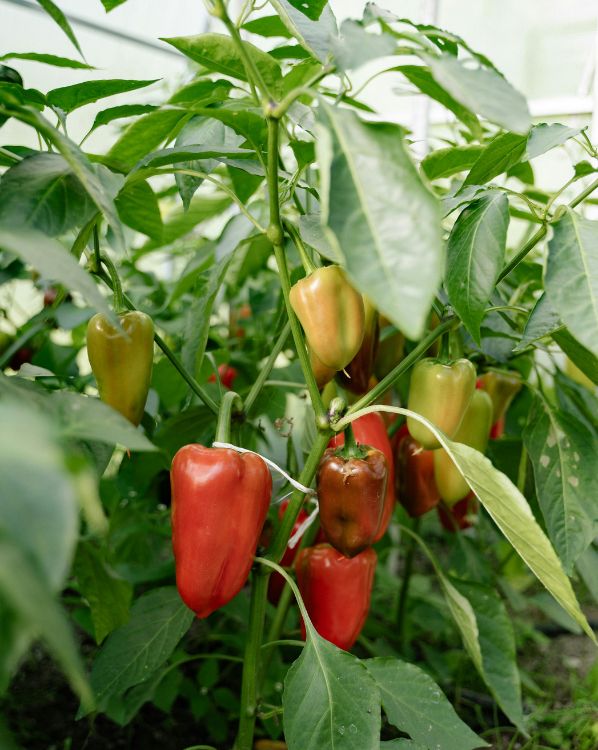
Peppers are warm season plants that flourish in summer heat, but they are highly sensitive to cold. Even a light frost can damage or kill them, which is why overwintering is an excellent option for gardeners who want to save their plants.
While peppers are usually grown as annuals, they are actually tender perennials in their native climates, and with the right care they can survive for several years. By overwintering peppers, you not only preserve your plants but also gain a head start on the next growing season with more mature, productive specimens.
The process of overwintering peppers should begin before the first frost of fall. Start by carefully digging up the plants if they are in the ground or simply bringing containers indoors if they were grown in pots.
Before moving them, trim back excess foliage by about one third. This helps reduce stress on the plant and makes it easier to manage indoors. Inspect the plants for pests such as aphids or spider mites, since bringing them inside without treatment can lead to infestations. Washing the leaves with a gentle spray of water or applying insecticidal soap helps keep problems in check.
Once indoors, peppers should be placed in a location with bright, indirect sunlight. A south facing window works well, though in darker climates supplemental grow lights may be needed.
Keep the soil lightly moist, but avoid overwatering, as cooler indoor conditions can make roots more susceptible to rot. During this resting period, peppers may drop many of their leaves, which is normal. The goal is not to force them into active growth but to keep them alive until spring.
Some gardeners prefer overwintering peppers in a semi dormant state. This involves placing them in a cool room, such as a basement or garage, where temperatures remain above freezing but light is limited. In this case, water sparingly, just enough to keep the roots from drying out completely.
When spring arrives, peppers can be gradually acclimated back to outdoor conditions. With a little patience, overwintered plants bounce back with new growth, often producing fruit earlier and more abundantly than young seedlings. By overwintering peppers, you extend the life of your plants and enjoy a head start on the growing season.
Fuchsias
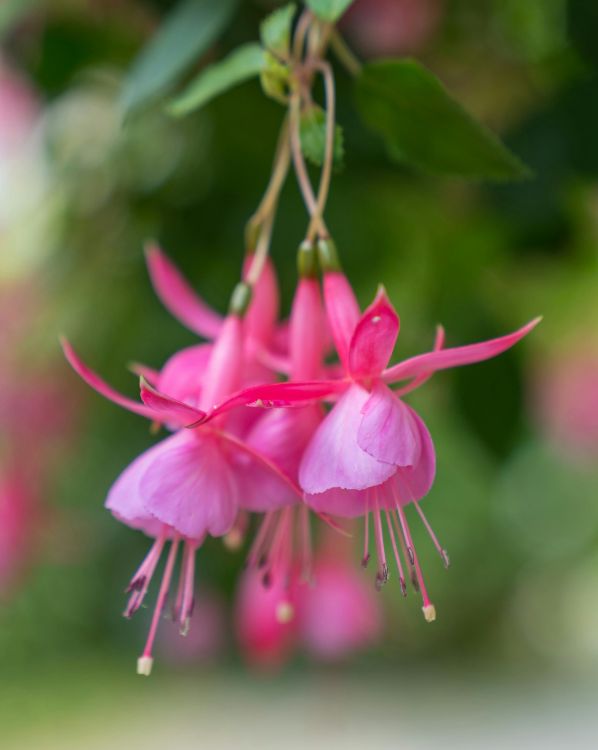
Fuchsias are treasured for their graceful, pendulous flowers that resemble dangling lanterns. They add elegance and color to containers, hanging baskets, and garden beds throughout the warmer months.
However, fuchsias are not hardy in colder climates, and their delicate stems and roots cannot survive freezing temperatures. Overwintering fuchsias is the key to enjoying them year after year, allowing you to protect your favorite varieties and save the expense of buying new plants each spring.
The timing for overwintering fuchsias is just before the first frost arrives. At this stage, you can decide between keeping them actively growing indoors or encouraging them into dormancy. Both methods are effective, but the choice depends on the amount of space and light you have available.
For those who want to keep fuchsias blooming, the plants can be moved indoors to a bright, cool room with plenty of light. Trim them back by one third to reduce their size and encourage compact growth.
Water regularly but avoid overwatering, as the cooler indoor air slows their growth and reduces their need for moisture. With proper care, fuchsias may continue to flower indoors, though usually less profusely than they do outdoors in summer.
Alternatively, many gardeners prefer to overwinter fuchsias in a dormant state. This method requires less light and attention. To do this, cut the plants back more severely, leaving only a few inches of stem.
Place them in a cool, dark location such as a basement or garage where the temperature stays just above freezing. Water sparingly every few weeks to keep the roots from drying out completely. During this rest period, the plant conserves energy and prepares for the following growing season.
When spring returns, gradually reintroduce fuchsias to light and warmth. If overwintered in dormancy, new shoots will begin to appear as the weather warms.
Repotting in fresh soil and providing fertilizer encourages strong growth and abundant flowers. By early summer, fuchsias will be ready to cascade with their signature blooms once again.
Overwintering fuchsias requires some effort, but it pays off in stunning displays year after year. Whether you choose to keep them growing indoors or let them rest in dormancy, the reward is a stronger, more established plant that continues to bring charm and elegance to your garden.
Basil
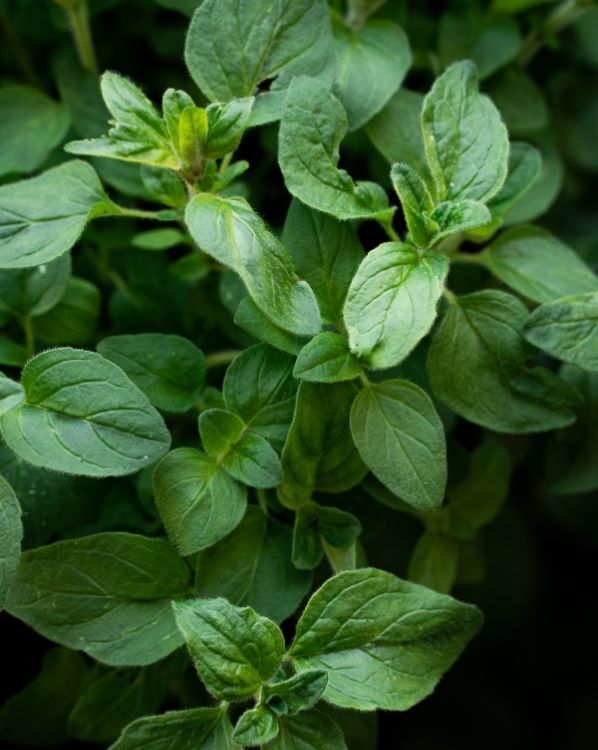
Basil is one of the most popular herbs grown in home gardens, prized for its fragrant leaves that add flavor to countless dishes. However, basil is also one of the most sensitive plants to cold weather.
Even a light frost can kill it, which means overwintering is the only way to preserve it once temperatures begin to drop. While basil is typically grown as an annual, with the right steps it can be carried through winter indoors, giving you fresh herbs year-round and saving you from starting new plants every spring.
The best time to begin overwintering basil is before the first frost in fall. Once nighttime temperatures consistently drop into the low 40s, it is time to move the plants indoors.
Basil can be overwintered as a whole plant in pots or by taking cuttings and rooting them for new growth. Each method has its benefits and choosing one depends on how much space and light you have available.
If you decide to bring in a full basil plant, dig it up from the garden or transfer it into a pot if it is not already in one. Trim back any damaged or overly large stems to make it more manageable.
Place the plant in a sunny window where it can receive at least six hours of direct light each day. In darker climates, supplemental grow lights may be necessary to keep the plant healthy. Water consistently, keeping the soil slightly moist but never soggy, as basil roots are prone to rot if left in standing water.
Another effective way to overwinter basil is by taking cuttings. Choose healthy stems about four to six inches long, remove the lower leaves, and place the cuttings in water or directly into moist potting soil.
Within a couple of weeks, roots will form, and you will have fresh new plants that can grow indoors all winter. This method produces compact, vigorous plants and saves space compared to overwintering mature ones.
Basil is a fast grower, and even indoors it can provide a steady supply of leaves for cooking. Harvest lightly during winter to avoid stressing the plant and pinch off flower buds to encourage leafy growth. By late spring, your overwintered basil can be moved back outdoors to continue growing in warm weather.
Overwintering basil requires attention, but the payoff is worth it. With careful timing and proper indoor conditions, this tender herb can thrive year-round, offering fragrance, flavor, and freshness straight from your own plants.
Final Thoughts
Overwintering is a powerful way to extend the life of your favorite plants, protecting them from frost and giving them a chance to thrive again when warmer days return. Geraniums, dahlias, peppers, fuchsias, and basil all benefit from this extra care, each with its own method and timing.
By learning the right techniques for each plant, you can save money, preserve special varieties, and enjoy stronger, more established growth in the next season. Overwintering also gives you the satisfaction of keeping your garden alive even during the quiet months of winter.
With preparation, patience, and consistency, overwintering transforms your garden into a cycle of renewal, ensuring that beauty, harvests, and fragrance return each year without starting from scratch.