
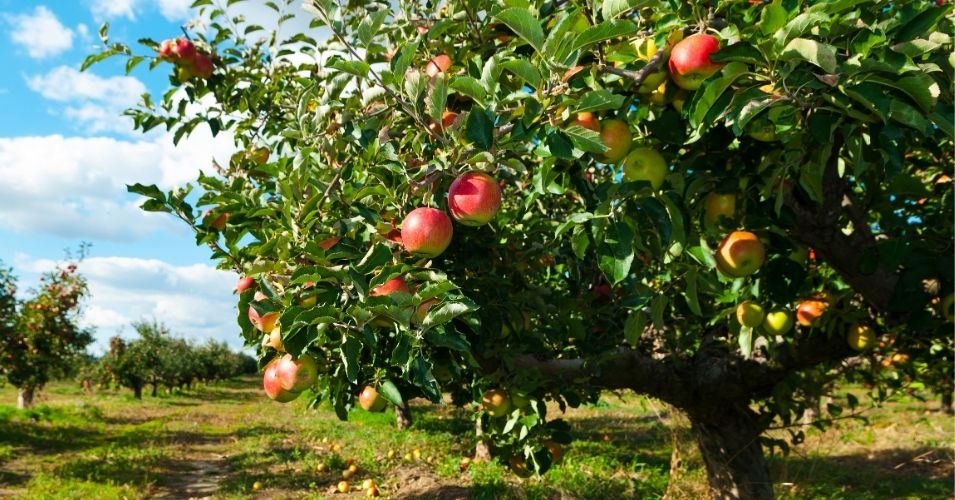
As fall settles in and the air turns crisp, apple trees begin their quiet transition toward dormancy. The harvest season may be winding down, but your work as a gardener is far from over.
What you do in fall will shape the health and productivity of your trees for the coming year.
From soil care and pruning to protection against pests and frost, every action taken now builds a stronger foundation for spring growth.
Caring for apple trees in fall is about preparing them for rest while also setting the stage for next season’s fruit.
Water Needs of Apple Trees in Fall
Apple trees rely on steady moisture to stay strong, even after the harvest is over. Many gardeners make the mistake of stopping watering once fruit is collected, thinking the trees no longer need much care.
In reality, the roots are still active in fall, storing energy and preparing for winter dormancy. Without proper water during this time, apple trees can suffer stress that carries into the following growing season.
The cooler temperatures of fall slow down evaporation, so apple trees require less frequent watering than in summer. However, long dry stretches can still harm the roots, especially if the soil becomes too hard.
Checking the moisture level of the ground is the best way to know when water is needed. Insert your finger a few inches into the soil near the base of the tree. If it feels dry at that depth, it is time to give the tree a deep soak.
Shallow watering does little good because it only dampens the surface and does not reach the deeper roots. Apple trees benefit from slow, thorough watering that allows moisture to penetrate deeply into the ground.
This encourages the roots to grow downward, where they will be better protected from cold temperatures. Using a soaker hose or drip system is a reliable way to deliver water evenly and avoid waste.
Mulching around the base of the tree also helps retain soil moisture through the fall season. A layer of straw, wood chips, or shredded leaves placed a few inches from the trunk will hold in water and keep the ground temperature stable. Mulch also reduces competition from weeds, which can steal water from the tree during dry spells.
The final watering before winter is especially important. Known as a deep watering or “last soak,” it helps the tree go into dormancy with plenty of moisture stored in the soil.
This last drink ensures the roots do not dry out during the cold months when natural rainfall or snow may not be enough. Providing steady water throughout fall gives apple trees the resilience they need to face winter and return strong in spring.
Branch Care and Structure After Harvest
Once the fruit has been collected, apple trees shift their energy away from production and toward preparing for rest.
Fall is an excellent time to look closely at the branches and overall structure of your tree. Addressing issues now not only improves health but also makes pruning and care easier in the seasons to come.
The first step is to remove any broken, damaged, or diseased branches. These weak points can invite pests or spread infection if left untreated through the winter. By cutting them away in fall, you protect the tree from carrying these problems into the next growing cycle. Always use clean, sharp pruning tools to make smooth cuts that heal quickly.
Thinning out crowded areas of growth is another important task. Branches that cross or rub against each other create wounds that can become entry points for disease. Removing smaller, unnecessary branches opens the tree’s canopy, allowing better airflow and light penetration. This helps reduce moisture buildup, which is a common cause of fungal problems.
It is also wise to clear away any suckers growing from the base of the trunk or water sprouts shooting straight up from branches. These fast-growing shoots drain energy from the tree without adding to its strength or productivity. Removing them in fall keeps the tree’s resources focused on maintaining healthy wood.
Though heavy pruning should usually wait until late winter or early spring, fall branch care is about maintenance and health. By clearing away weak or unnecessary growth, you prepare your apple tree for a restful dormancy and give it the best possible start when growth resumes.
Proper branch care after harvest ensures your tree remains strong, balanced, and ready for future seasons of fruit.
Soil Preparation for the Coming Year
The condition of the soil beneath your apple tree in fall has a direct impact on how well it will perform in the year ahead. After a full season of growth and fruit production, the soil has given up nutrients that need to be replenished.
Fall is the perfect time to restore balance, improve structure, and make sure the ground is ready to support another round of blossoms and apples when spring arrives.
One of the most effective steps is adding organic matter. Spreading compost, aged manure, or leaf mold around the base of the tree replenishes nutrients while also improving soil texture.
These materials break down over the winter months, releasing nutrients slowly into the ground so they are available as soon as the roots become active again in spring. The organic matter also boosts beneficial microbes that strengthen the soil’s natural ecosystem.
Testing the soil’s pH is another valuable task in fall. Apple trees prefer soil that is slightly acidic, usually in the range of 6.0 to 6.8. If the soil has become too acidic, adding lime can bring it back into balance. If it is too alkaline, sulfur can be applied. Making these adjustments in fall gives them time to take effect before the growing season begins.
Mulching also plays an important role in soil preparation. A layer of mulch insulates the ground, helping to regulate temperature swings and protect the roots from sudden freezes.
It also prevents soil erosion from heavy rains and keeps weeds from taking hold around the base of the tree. Organic mulch such as shredded bark, straw, or leaves will also enrich the soil as it breaks down.
Avoid applying heavy doses of chemical fertilizer in fall, since the tree is preparing for dormancy and does not need a flush of new growth. Instead, focus on gentle soil improvement through organic methods.
By preparing the soil thoughtfully in fall, you create a healthy foundation that will carry your apple tree into the next year with renewed strength and vigor.
Pest and Disease Defense in Fall
Even though apple trees slow down in fall, pests and diseases do not always go away. In fact, this season is critical for managing potential problems before they overwinter and reappear stronger in the spring. Taking steps now helps break the cycle and reduces the chance of future infestations.
One of the simplest and most effective tasks is cleaning up fallen leaves and fruit from around the base of the tree. These materials often harbor insects, fungal spores, and bacteria that will linger through winter if left in place.
By raking them up and disposing of them, you remove hiding spots for pests and reduce the spread of disease. Do not compost diseased leaves or fruit, as this can carry the problem into next season.
Inspecting the bark and branches is also important. Look for signs of scale insects, borers, or other pests that may be settling in for the cold months.
Scraping away loose bark or using a gentle horticultural oil spray can help manage overwintering insects. Horticultural oil works by smothering eggs and larvae, making it harder for them to survive until spring.
Fungal diseases such as apple scab or powdery mildew can leave behind spores in fall. Pruning out infected branches and removing debris helps lower the chances of these problems spreading next year.
Some gardeners also apply dormant sprays, such as a copper-based solution, once the tree has lost its leaves. These sprays create a protective barrier and reduce the survival of fungal spores.
Wrapping the base of the trunk with a protective guard can also help. This prevents rodents like voles or rabbits from chewing on the bark during winter, which can weaken or even kill young trees. Keeping grass trimmed around the tree base makes it less attractive to these small animals.
Fall pest and disease defense is about prevention more than treatment. By cleaning thoroughly, removing problem material, and applying protective measures, you stop many issues before they begin. This seasonal care sets your apple tree up for a healthier, more productive year when growth returns in spring.
Apple Tree Readiness for Winter Cold
As the final leaves fall and the days shorten, apple trees begin their journey into dormancy.
This natural rest period is essential for their survival, but the sudden arrival of cold weather can cause stress if the tree has not been properly prepared. Taking steps in fall to help your apple trees face winter ensures that they emerge strong and ready for growth in spring.
One of the most important tasks is protecting the root zone. A thick layer of mulch around the base of the tree helps shield the roots from extreme temperature changes.
Spread straw, shredded bark, or leaves around the drip line, leaving a small gap near the trunk to prevent rot. This insulation stabilizes soil temperatures and keeps moisture in place, giving the roots a protective blanket against frost.
Another concern is trunk injury from temperature swings. On sunny winter days, the trunk can heat up, only to cool rapidly at night.
This cycle can cause cracks in the bark known as sunscald. Wrapping the lower trunk with tree guards or using a white tree wrap reflects sunlight and prevents sudden changes in temperature. This simple step can make the difference between a healthy trunk, and one weakened by winter injury.
Moisture also plays a role in readiness. A deep watering before the ground freezes is critical, especially if fall has been dry. This last soak allows the roots to store enough moisture to last through the months when frozen soil prevents water absorption. Trees that enter winter well hydrated are less likely to suffer from stress.
Young apple trees require special care since their bark and roots are more vulnerable to cold. Adding extra mulch and securing protective wraps gives them a better chance of surviving their first winters. For older, established trees, consistent fall care reduces the risk of damage and supports their long-term productivity.
By paying attention to insulation, hydration, and trunk protection, you prepare your apple trees for the challenges of winter. With these safeguards in place, the trees can rest peacefully and awaken in spring ready to bloom again.
Final Thoughts
Apple trees may appear quiet in fall, but beneath the surface they are storing energy and preparing for months of rest. What you do now sets the stage for their future health and harvests.
Watering deeply, improving the soil, tending the branches, and protecting them from pests all play a part in guiding your tree safely into winter.
When spring returns, the rewards of fall care become clear in strong blossoms and healthy growth.
Apple trees are generous companions when given the right attention. By caring for them as the seasons shift, you ensure they remain fruitful for years to come.