
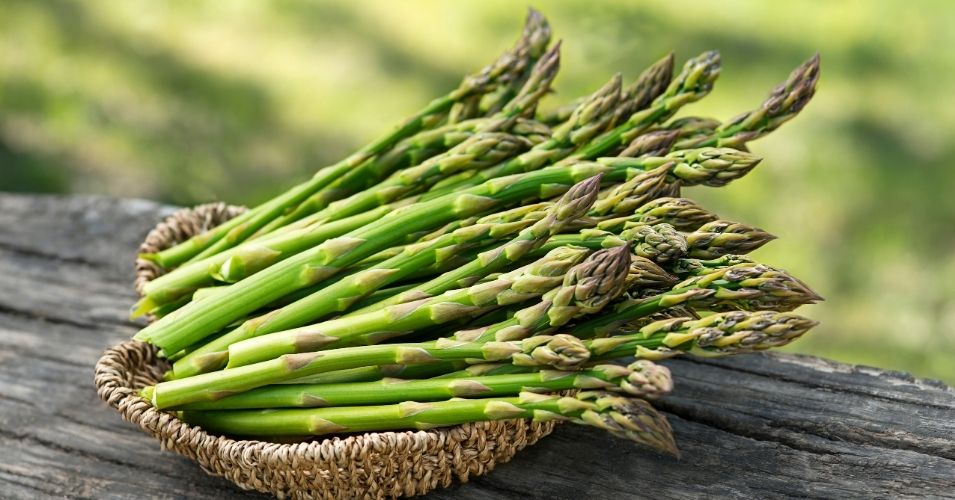
Spring is a time of excitement for asparagus growers. After months of quiet winter rest, asparagus crowns begin sending up fresh green spears that signal the start of a new harvest season.
Unlike many vegetables, asparagus is a perennial crop that can produce for decades when properly cared for. The steps you take in spring help determine how strong and productive your plants will be for years to come.
By learning how to support asparagus during this critical season, you can enjoy healthier plants, better harvests, and a more rewarding garden experience.
How Asparagus Wakes Up After Winter
As winter fades and soil temperatures begin to rise, asparagus plants start a slow and steady return to life. Beneath the surface, thick crowns that have lain dormant for months prepare to send up new shoots, powered by stored energy.
During cold months, asparagus remains dormant. The feathery foliage from the previous season dies back, and energy is stored deep in the roots. This reserve fuels spring growth and determines how productive the plant will be.
When the soil warms to about fifty degrees, roots become active again and begin absorbing moisture and nutrients. Soon after, small bumps appear on the soil surface and quickly grow into tightly packed spears pushing toward sunlight.
Each spear represents years of accumulated strength. Healthy crowns can produce dozens of shoots over a season when supported properly. Growth usually begins slowly because cool nights and unpredictable weather can delay development.
Some asparagus beds wake up earlier than others. Sun exposure, soil warmth, and drainage influence timing. Young plants often emerge later than mature ones because established crowns respond more quickly to warming conditions.
As spears grow, they stretch rapidly. In warm weather, they may gain several inches in a single day. This rapid growth requires steady moisture, as dry soil leads to thin, weak spears.
At the same time, overly wet soil reduces oxygen and weakens roots. Balanced moisture remains essential for healthy development. Early spring is also when new feeder roots form, supporting nutrient uptake for months ahead.
Avoid heavy disturbance during this period. Digging, compacting soil, or stepping on beds can damage fragile growth. Removing old mulch and debris helps the soil warm faster and encourages even emergence.
Watching your asparagus bed closely during this time builds valuable experience. Over time, you learn how weather and soil conditions affect growth patterns and harvest timing.
Preparing Beds and Soil for Healthy Growth
Spring is the ideal time to prepare asparagus beds for a productive season. Because asparagus remains in place for many years, soil quality and structure matter more than for most vegetables.
Begin by clearing away dead stems, weeds, and leftover debris. This improves airflow, reduces disease risk, and allows sunlight to reach the soil surface.
Loosen the top layer of soil carefully without disturbing deep roots. Gentle cultivation improves oxygen flow and water absorption while protecting established crowns.
Asparagus prefers loose, well-draining soil rich in organic matter. Compacted soil restricts root growth and limits nutrient uptake. Adding compost improves texture and fertility.
Spread 2 to 3 inches of compost or well-rotted manure over the bed. Work it lightly into the surface to avoid root damage. This organic matter feeds soil organisms and improves moisture retention.
Soil pH is especially important for asparagus. Plants grow best in slightly acidic to neutral soil, between 6.5 and 7.5. A soil test in spring helps guide corrections.
If the soil is too acidic, adding lime gradually raises the pH. If the soil is too alkaline, organic matter helps balance conditions over time.
Drainage should be checked early. Standing water after rain signals poor drainage, which can rot crowns. Raised beds or improved soil structure may be needed.
Mulching after soil preparation helps retain moisture and regulate temperature. Straw, shredded leaves, and grass clippings work well when applied lightly.
Avoid heavy foot traffic in asparagus beds. Compaction reduces oxygen and weakens roots. Create paths if needed to protect planting areas.
Consistent soil care each spring builds stronger crowns and increases long-term productivity. Healthy soil supports thicker spears, better harvests, and longer-lasting beds.
Water and Nutrient Care for Strong Spears
Healthy asparagus spears depend on steady water and balanced nutrition, especially during spring when growth is rapid. Because spears emerge quickly and grow rapidly, they require consistent support from the soil.
Asparagus roots spread widely but remain fairly shallow, which makes them sensitive to changes in moisture levels. Dry soil slows growth, leading to thin, woody spears, while overly wet soil weakens roots and limits oxygen.
Aim to keep the soil evenly moist throughout spring. Deep watering once or twice a week is usually better than frequent light sprinkling because it encourages deeper root growth and improves drought resistance.
Before watering, check soil moisture by feeling several inches below the surface. If it feels dry, it needs watering. If it feels cool and damp, waiting is better. Water early in the morning whenever possible to reduce evaporation and disease risk.
Nutrients are just as important as water during spear production. Asparagus requires substantial energy to push up new shoots, and the soil must supply adequate minerals. Nitrogen supports spear thickness and leafy growth, phosphorus encourages root development, and potassium strengthens overall health.
Apply a balanced fertilizer in early spring as spears begin emerging. Follow the package directions carefully, as overfeeding can weaken plants. Organic options such as composted manure, fish emulsion, and aged compost provide slow, steady nutrition and improve soil structure.
Avoid heavy fertilizing late in spring because excess nitrogen encourages fern growth at the expense of strong spears. Side dressing with compost midway through the season helps replenish nutrients without stressing roots.
Mulch works together with feeding by preserving moisture and reducing nutrient loss. A thin layer keeps soil temperature stable and protects shallow roots. Watch for signs of imbalance, such as pale leaves or small spears, and adjust care gradually.
With proper water and nutrient management, asparagus produces thicker, more tender spears and maintains strong crowns for future seasons.
When and How to Harvest Without Harming Plants
Correctly harvesting asparagus is essential for long-term productivity. Spring harvests provide delicious spears, but careless picking can weaken plants and reduce future yields.
Newly planted asparagus should not be harvested in the first two years. Young crowns need time to build strong root systems before supporting regular cutting. In the third year, light harvesting is usually safe and should be limited to two or three weeks.
Mature beds can be harvested for six to eight weeks in spring. Stopping at the right time protects plant health and allows energy storage for future growth. Begin harvesting when spears reach six to eight inches tall and feel firm.
Thin or floppy spears should be left to grow into ferns, as they support root development. Cut spears at ground level using a sharp knife, or snap them gently by hand. Both methods work when done carefully.
Avoid damaging nearby emerging spears while harvesting. Moving slowly and watching closely prevents accidental injury. Harvest every one to two days during peak growth to keep spears tender.
Stop harvesting when the spear diameter becomes thin or when fern growth begins dominating the bed. Allowing plants to grow freely at this stage rebuilds energy reserves.
After harvest season ends, continue watering and feeding to support fern development. Healthy ferns mean stronger crowns next year.
With careful timing and gentle technique, you can enjoy fresh asparagus while protecting long-term productivity.
Protecting Asparagus and Supporting Long-Term Health
Long-term success with asparagus depends on steady protection and thoughtful care throughout spring. Healthy plants are better able to resist disease, pests, and environmental stress when supported early in the season.
One of the most important habits is regular inspection. Checking spears, ferns, and soil each week helps you notice small problems before they become serious. Common spring pests include asparagus beetles and aphids, which feed on tender growth and weaken plants if left untreated.
Look for small black or orange beetles, clusters of eggs, or chewed leaves. Early detection makes control much easier and prevents large infestations. If pests appear, remove them by hand when possible. Rinsing plants with water can also reduce small populations.
Mild insecticidal soap works well for heavier infestations when applied carefully. Use it in the morning so leaves can dry during the day. Avoid harsh chemical treatments unless necessary because strong sprays may harm beneficial insects and soil organisms.
Disease prevention begins with good airflow and cleanliness. Keeping beds weed-free and properly spaced reduces moisture buildup on foliage. Watering at the base of plants instead of overhead helps keep stems and leaves dry.
Mulch should be refreshed each spring. Old, compacted mulch can trap moisture and create hiding places for pests. Replacing it improves airflow and temperature regulation around roots.
Weed control is another essential task. Weeds compete for nutrients and water while providing shelter for insects. Remove them regularly by hand or with light cultivation to protect shallow roots.
Soil health plays a major role in plant resistance. Adding organic matter each year supports beneficial microbes that improve nutrient uptake and strengthen natural defenses.
Protect plants from physical damage caused by tools, pets, and foot traffic. Broken spears and compacted soil weaken crowns and slow recovery. Creating clear paths around beds helps prevent accidents.
Late spring weather changes can also stress plants. Sudden heat or heavy rain may require adjustments in watering and mulching. Staying flexible helps maintain balance.
By combining careful monitoring, gentle pest control, and healthy soil practices, you create strong asparagus beds that remain productive for many years.
Final Thoughts
Caring for asparagus in spring is about building strong foundations that support long-term growth and reliable harvests. The choices you make during this season shape plant health for years to come.
When soil is prepared well, water and nutrients are balanced, and harvesting is done carefully, asparagus responds with thicker spears and stronger crowns. Consistent routines matter more than occasional heavy effort.
By observing your plants closely and responding to their needs, you develop confidence and skill as a grower. With patience and steady care, your asparagus bed can remain productive, healthy, and rewarding season after season.