

When winter arrives, the garden changes from a place of color and motion to one of quiet rest. The flowers fade, the leaves fall, and what remains often looks like a tangle of stems and seed heads. But this sleepy season is the perfect moment to give your garden a reset.
Cutting back the right plants in winter clears away decay, strengthens roots, and helps everything come back fuller when spring returns. It’s not about tidying up for looks. It’s about giving your plants the best possible start for the year ahead.
Let’s explore which plants truly benefit from a good winter cutback.
How Winter Cutting Helps Plants Rest and Regrow
Winter cutting is more than a way to make your garden look tidy. It’s a process that helps your plants recover from the previous growing season and prepare for the next one.
During the colder months, most perennials and many shrubs go dormant. Their visible parts die back, but underground, life continues. Roots are still alive, storing energy and nutrients for the burst of growth that will come with warmer weather. Cutting back in winter supports that quiet cycle of renewal.
Removing dead or dying stems helps the plant redirect its energy. Instead of wasting resources trying to keep weak or diseased growth alive, the plant focuses on building a stronger root system. This stored energy becomes the spring’s fuel. Healthy roots mean faster sprouting, thicker foliage, and more abundant blooms.
Winter cutting also protects plants from disease. Dead stems and leaves often harbor pests, mold, and fungal spores that can spread when temperatures rise. By cleaning away the debris before spring, you stop problems before they start. This simple act can make the difference between a thriving garden and one that struggles year after year.
There’s another significant benefit: cutting back at this time of year allows air and light to reach the soil once the snow melts. This helps prevent rot and encourages healthy soil microbes to thrive. A clean, well-maintained garden bed also warms up faster in early spring, assisting plants to wake up sooner.
It’s not just about the plants either. Working in your garden during the quiet of winter can be peaceful and satisfying. There’s no rush, no summer heat, and no buzzing insects. It’s a time to slow down, observe your garden’s bones, and notice the subtle shapes and patterns that are often hidden beneath lush summer growth.
However, it’s important to remember that not every plant benefits from being cut in winter. Some depend on old stems to protect new shoots or feed wildlife. The key is to know which plants enjoy a trim now and which ones prefer to rest untouched until spring.
When done thoughtfully, winter cutting becomes part of a natural rhythm. It gives your garden the care it needs when it needs it most, ensuring that when spring arrives, your plants have the strength to burst back into color and life.
Perennials That Need a Cold-Season Reset
Perennials are the backbone of many gardens, returning year after year with little effort. But even the toughest perennials need help staying healthy, and winter is the perfect time to give them a reset. Cutting them back during dormancy not only tidies up your beds but also keeps disease and decay from spreading underground.
Start with daylilies, which collapse into a soggy mass after frost. Leaving that mushy foliage in place can invite mold and slugs. Cutting the plants down to a few inches above the soil keeps the area clean and gives new shoots room to grow freely once spring arrives.
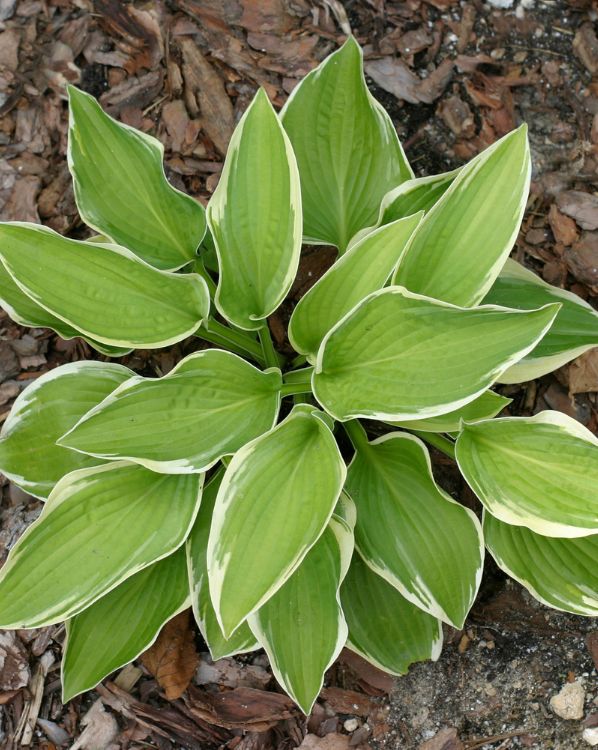
Hostas are another classic candidate for winter cutting. Their broad leaves turn to slime after the first hard freeze, creating the perfect hiding spot for pests. Once the leaves have died back entirely, trim them close to the ground and clear away the debris. You’ll be rewarded with fresh, healthy growth when temperatures rise.
Bee balm and coneflowers can also benefit from a cold-season trim. These plants produce seed heads that feed birds through early winter, so it’s best to wait until mid to late winter to cut them back. Once the birds have had their share, remove the spent stems to prevent powdery mildew and other fungal issues that can linger in old plant material.
Catmint, coreopsis, and Shasta daisies also appreciate being cut back before spring. Old, brittle stems can trap moisture and harbor disease, while a clean cut helps the plant focus on root development. Trim them to a few inches above the soil, and consider adding a light layer of mulch to protect the crowns during freezing nights.
If you grow peonies, winter cleanup is essential. After frost kills the foliage, cut the stems to ground level and remove all dead material. This step helps prevent botrytis blight, a common fungal disease that affects peonies in damp conditions.
While you’re working, take a moment to look for emerging crowns or new buds near the soil line. Avoid damaging these delicate parts as you cut.
By removing dead growth during the cold months, you reduce disease risk, improve airflow, and give your perennials a clean slate. When spring comes, they’ll use their stored energy to produce lush, vibrant foliage and strong flowers.
Winter cutting might seem harsh, but it’s actually a kind gesture. It tells your perennials that rest time is here, and that when they wake, they’ll do so refreshed and ready to thrive once more.
Woody Plants That Gain Strength from Winter Cuts
Woody plants are the framework of a garden. They bring structure, color, and texture year-round, even when flowers fade and leaves fall. While they may look tough and self-sufficient, many of them benefit from a bit of attention in winter.
A careful cut during dormancy can help them grow stronger, stay healthier, and bloom more beautifully when the warm season returns.
When trees and shrubs are dormant, their energy is stored deep within their roots and trunks. Cutting during this time allows you to shape them without interrupting growth. It also gives wounds a chance to heal slowly before new sap begins to flow in spring.
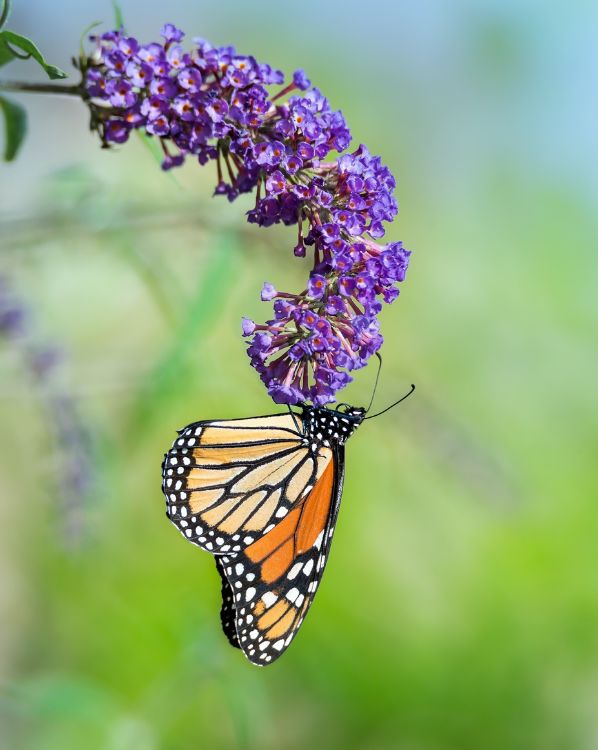
One of the best woody plants to cut back in winter is the butterfly bush (Buddleia). It blooms on new wood, meaning the stems that grow in spring will carry that year’s flowers. Pruning it down to about one foot above the ground each winter keeps it compact and encourages an explosion of new blooms when summer arrives.
Panicle hydrangeas (Hydrangea paniculata) are another good example. Unlike bigleaf hydrangeas that bloom on old wood, these tough varieties flower on new stems. Trimming them back in winter promotes fuller, more abundant clusters and prevents the plant from becoming leggy over time.
Red twig dogwood also benefits from a winter cut. Its bright red branches are a highlight of the cold season, but the color fades as stems age. Removing a few of the oldest branches each year at the base encourages fresh, colorful growth that makes the plant stand out against snow or frost.
Rose of Sharon (Hibiscus syriacus) can be trimmed now as well. Pruning in winter helps control its size and prevents it from becoming unruly. It also promotes more blooms since flowers form on new growth.
If you have summer-blooming spirea, give it a light winter pruning to remove weak or dead stems. This keeps it dense and encourages more vibrant flowers.
When pruning woody plants, always start with damaged or diseased branches. Remove them completely to prevent decay from spreading. Then thin out crossing branches to allow sunlight and air to reach the interior.
It’s essential to use sharp, clean tools. Dull blades can tear bark, leaving wounds that heal slowly and invite disease. Cut at a slight angle just above a healthy bud or junction to help water drain naturally and prevent rot.
The beauty of pruning woody plants in winter is that you can clearly see their shape. Without leaves in the way, it’s easier to visualize how each cut will influence future growth.
By cutting back at the right time, you’re not only keeping these plants neat but helping them thrive. They’ll grow back sturdier, better balanced, and bursting with new life when the sun returns.
Grasses and Groundcovers That Love a Clean Slate
Ornamental grasses and hardy groundcovers bring movement, texture, and depth to the garden. They sway in the breeze and stay beautiful long after flowers fade. But by late winter, most of them start to look tired. Giving them a good cutback before spring wakes the garden helps them rejuvenate and keeps them looking fresh for the growing season ahead.
Many ornamental grasses benefit significantly from being cut down in winter. Species like switchgrass, fountain grass, and little bluestem enter dormancy in late fall, leaving behind tall golden stalks. These stalks protect the crowns of the plants through cold weather, so it’s best to leave them standing until late winter. Once the harshest cold has passed, cut them back to about 3 to 6 inches above the ground.
Trimming them too early can expose their crowns to frost damage, but cutting too late can prevent new shoots from emerging. Late winter strikes the perfect balance. The cut encourages healthy, even growth and prevents the clumping or patchy appearance that can happen if old foliage remains.
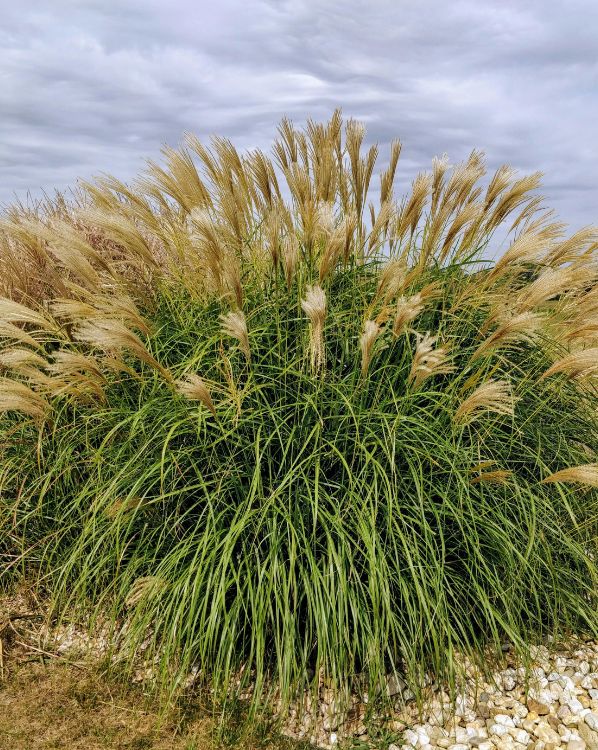
For miscanthus and feather reed grass (Calamagrostis), use sharp shears or electric trimmers to remove the old growth. Bundle the stalks together before cutting for easier cleanup. The result is a neat, rejuvenated clump ready to push out bright green shoots when spring sunlight returns.
Groundcovers like creeping phlox, sedum, and liriope also appreciate a winter cutback. Trimming away old or damaged foliage prevents rot and disease while encouraging new, healthy leaves to emerge. For liriope, cut back to just above the soil line before new blades appear. For creeping phlox, trim lightly to maintain shape and prevent it from becoming woody at the center.
Heuchera (coral bells) can also benefit from a gentle cleanup in late winter. Remove any tattered or frost-damaged leaves, but leave the crown intact. This refreshes the plant without harming its delicate roots.
One of the most significant advantages of cutting back grasses and groundcovers in winter is the aesthetic reward. As the snow melts and spring arrives, you’ll have clean, open beds instead of matted, brown clumps. It also gives space for bulbs and early blooms to shine through without competition.
While ornamental grasses can look stunning in winter with their frosty plumes, it’s important not to let that beauty linger too long. Once you start seeing green shoots at the base, it’s time to act quickly before old growth smothers the new.
A clean slate doesn’t just make your garden look fresh; it also makes it feel fresh. It helps it breathe. By removing the old growth, you allow sunlight, air, and water to reach the soil again. The result is stronger roots, faster growth, and a landscape that feels alive with movement and texture all season long.
What to Leave Standing for Beauty and Wildlife
Not everything in your garden should be trimmed back when winter arrives. Some plants are best left standing, both for their beauty and the life they bring to the colder months. Leaving certain flowers, grasses, and seed heads in place adds character to your garden while providing food and shelter for wildlife that depend on them for survival.
One of the most striking plants to leave standing through winter is coneflower (Echinacea). When its purple petals fall away, the dark seed heads remain like small sculptures rising above the snow. Birds such as goldfinches and chickadees feed on those seeds all season long. The tall, sturdy stems also hold their shape, catching frost and glimmering in low winter light.
Rudbeckia and aster varieties serve a similar purpose. Their dry seed heads provide a steady food source for birds while the stalks create safe perches and protection from the wind. Cutting them too early would rob your garden of both color and life during the quiet season.
Ornamental grasses, especially varieties like switchgrass and feather reed grass, should also stay standing until late winter. Their golden plumes sway gently in the cold air, creating movement and texture when everything else lies flat. These grasses also provide hiding spots for overwintering insects and small mammals, helping maintain a balanced ecosystem right in your backyard.
Shrubs with berries, such as winterberry holly, viburnum, and beautyberry, are winter treasures. Their clusters of bright fruit feed birds and add splashes of red and purple to the garden when most plants have faded. Leaving these shrubs untouched through winter ensures wildlife has food during the hardest months of the year.
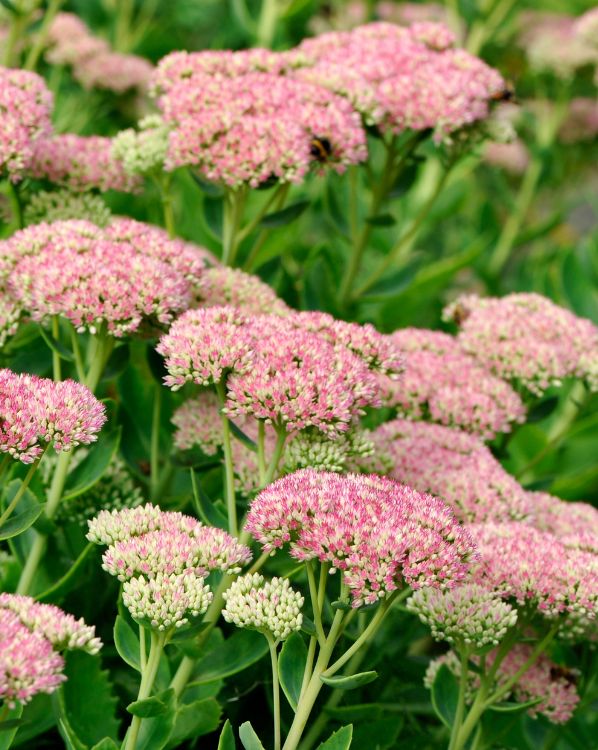
Even dried flower stalks from plants like sedum and bee balm have a place in the winter landscape. They add structure, break up the flatness of the garden bed, and catch snow in beautiful, delicate ways. When the sun hits them on frosty mornings, the sparkle can be breathtaking.
By allowing these plants to stand through winter, you turn your garden into a living, breathing landscape rather than an empty patch of dirt. It’s a reminder that the garden never truly sleeps. It simply shifts its purpose. During the summer, it provides food for pollinators. During winter, it shelters and sustains.
Leaving some plants standing isn’t laziness; it’s stewardship. It keeps the rhythm of nature intact, offering refuge and nourishment to creatures that repay you later by pollinating your flowers and keeping pests in check.
When spring arrives and the snow melts, that’s the time to cut everything back and prepare for new growth. Until then, let your garden hold its shape, full of life, beauty, and quiet strength through the coldest season.
Final Thoughts
Winter cutting isn’t just about keeping your garden neat. It’s about helping it live better.
Each plant has its own rhythm, and knowing when to prune and when to let it grow is what separates a good gardener from a great one.
By trimming the right plants now and letting others stand, you give your garden the perfect balance between order and life.
The result is a space that doesn’t just survive winter but thrives through it, ready to burst into color and energy when spring finally returns.
Every thoughtful cut you make today becomes the promise of new growth tomorrow.