
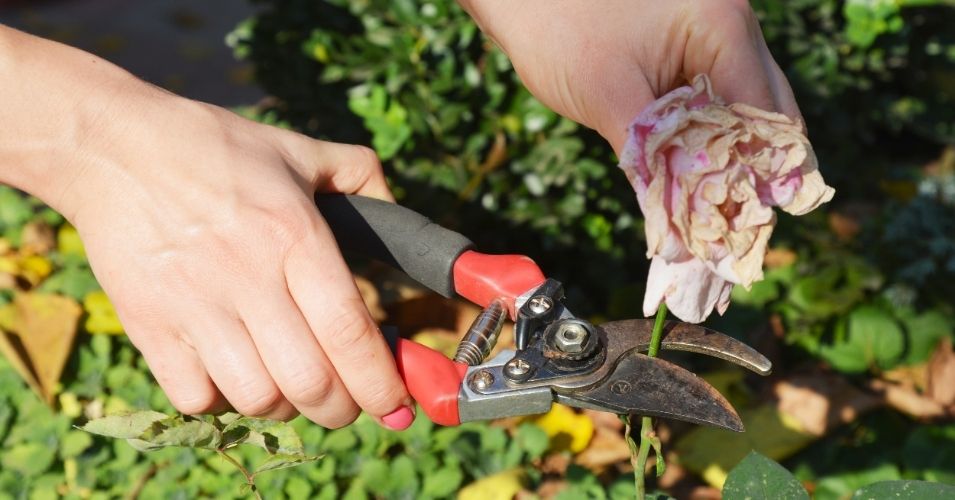
Fall is more than just a time of fading leaves and cooler air. For gardeners, it is also an opportunity to shape the health of next year’s garden.
While some plants prefer to be left alone until spring, others respond especially well to fall pruning. Giving these plants attention before winter not only tidies up your beds but also builds a foundation for stronger growth and fewer problems when warm weather returns.
By learning which plants welcome a fall trim, you can take simple steps now that lead to healthier shrubs, brighter flowers, and more productive harvests next year.
Roses
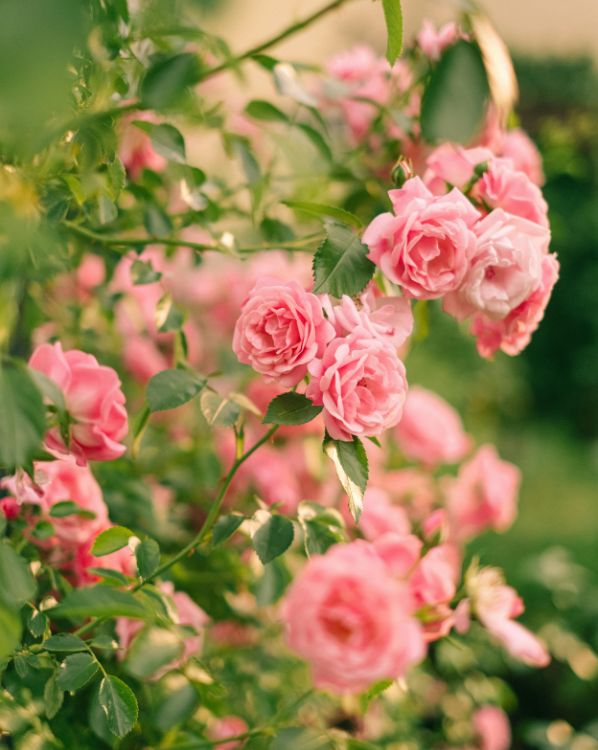
Roses are often called the queens of the garden, and with good reason. Their blooms bring color, fragrance, and elegance to borders and beds all summer long.
Yet by the time fall arrives, many rose bushes are left with faded flowers, thinning leaves, and stems that look weary from months of growth. This is the moment when a gentle autumn trim can make all the difference.
Pruning roses in fall is not about shaping them dramatically or encouraging new flushes of flowers. Instead, the goal is to prepare the plants for winter dormancy and reduce stress from disease and damage.
By removing the tired growth, you allow the bush to rest more easily and conserve its energy for the following spring.
One of the most important steps is cutting away any stems that show signs of black spot, mildew, or rust.
These fungal diseases are common on roses and can survive winter if diseased wood is left in place. By trimming and discarding infected material, you reduce the risk of spores returning in spring and give the plant a clean slate for the new growing season.
Another reason to prune in fall is to protect the plant from physical damage. Tall, weak canes can be broken by strong autumn winds or the weight of heavy snow. Cutting these back by a third reduces the chance of breakage and keeps the bush compact, which makes it easier to protect with mulch or coverings once frost arrives.
When pruning roses in fall, always use sharp, clean shears to make precise cuts just above a set of outward-facing leaves. This ensures the plant will regrow in the right direction without crowding the center.
Avoid hard pruning at this time of year, since roses do best when detailed shaping is saved for spring.
A modest autumn trim keeps roses healthier, reduces problems with disease, and prevents damage over winter. With this careful attention, your roses will wake from dormancy stronger and more resilient, ready to reward your effort with fresh growth and spectacular blooms next year.
Hydrangeas
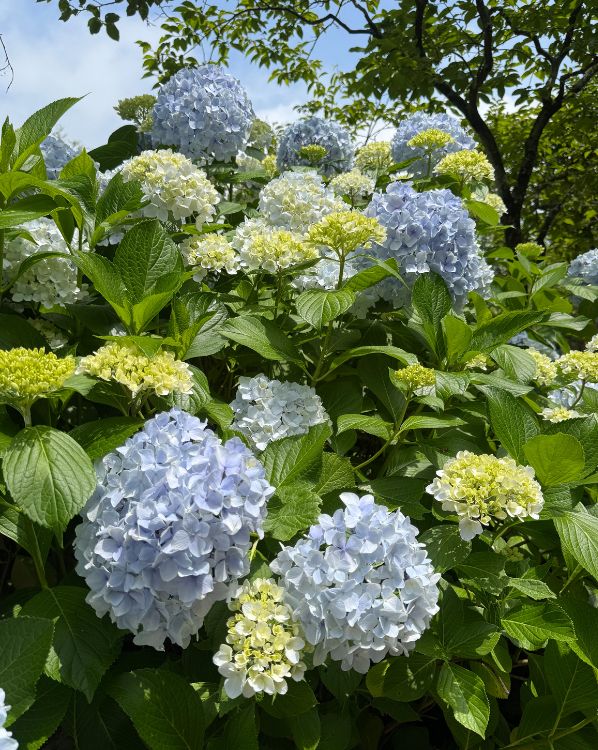
Hydrangeas are among the most beloved shrubs in the garden, admired for their large, showy clusters of flowers that brighten borders through summer and into fall.
While not every hydrangea should be pruned in autumn, certain types respond very well to a trim before winter arrives. Knowing which ones welcome this care is the key to success.
The most reliable hydrangeas to prune in fall are smooth hydrangeas (Hydrangea arborescens) and panicle hydrangeas (Hydrangea paniculata).
Unlike bigleaf or oakleaf hydrangeas, which bloom on old wood, these two types bloom on new growth. That means cutting them back in autumn will not sacrifice the following year’s flowers. Instead, it helps them store strength in their roots and encourages larger, healthier blooms when the warm season returns.
For smooth hydrangeas such as the popular ‘Annabelle,’ pruning in fall often involves cutting stems back to about 12 to 18 inches above the soil. This prevents the plant from becoming too tall and floppy while also stimulating a strong framework of new shoots.
Panicle hydrangeas, including varieties like ‘Limelight’ or ‘Pinky Winky,’ can also be cut back by a third of their height if desired. This reduces the risk of heavy snow or ice snapping their branches during winter storms.
Another benefit of fall pruning for these hydrangeas is disease reduction. Old flowers and leaves can harbor fungal spores that linger through winter. By trimming away the spent blooms and thinning crowded stems, you improve airflow around the plant and reduce the chances of problems like powdery mildew returning in spring.
When pruning hydrangeas in autumn, be sure to remove weak, damaged, or crossing stems as well. This allows the plant to focus its energy on a strong, healthy structure that can support the weight of next year’s blossoms.
Always use clean, sharp tools, and avoid over-pruning, since leaving some structure helps protect the crown during cold weather.
By giving smooth and panicle hydrangeas a thoughtful trim in fall, you set them up for a spectacular return the following season. Their flower heads will be fuller, their shape more balanced, and their overall health stronger.
This small step of care ensures that hydrangeas continue to be one of the most reliable and rewarding shrubs in your garden year after year.
Fruit Trees
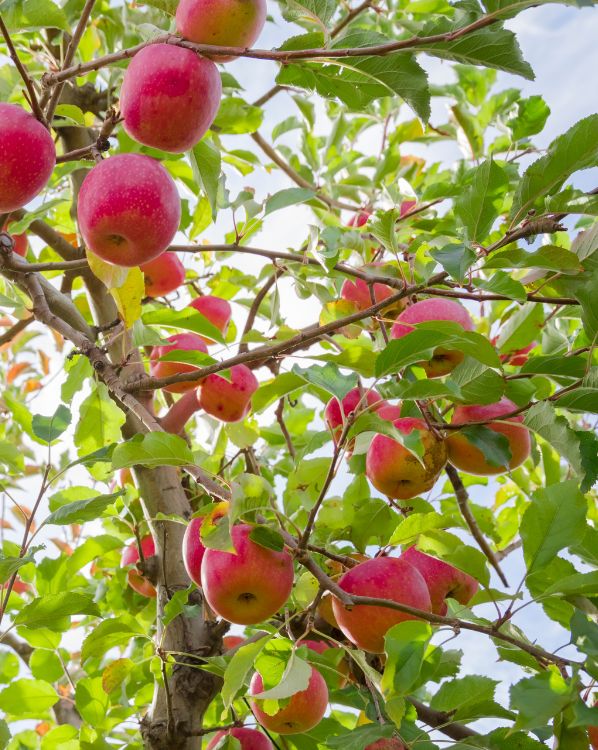
Fruit trees are often the backbone of a productive garden, offering blossoms in spring and harvests in summer and fall. Yet many gardeners overlook the importance of pruning them at the right time.
For certain fruit trees such as apple and pear, fall can be an excellent season to conduct light pruning that sets the stage for healthier growth and more abundant harvests the following year.
The main purpose of pruning fruit trees in fall is not to drastically reshape them, but rather to remove what is weak, diseased, or damaged.
After a long season of producing fruit, many trees are left with broken branches, deadwood, or limbs weakened by pests or disease. If these are left in place over winter, they can provide hiding places for fungi and insects that will reinfect the tree in spring.
By cutting away problem wood in fall, you reduce these risks and give the tree a cleaner start.
Another important reason to prune fruit trees before winter is to improve airflow and light penetration. Apple and pear trees in particular benefit from an open canopy that allows sunlight to reach developing fruit.
By thinning crowded branches in fall, you set the framework for stronger growth the following season. This not only helps the tree stay healthier but also leads to better fruit quality when harvest time comes around again.
Fall pruning also protects the tree from physical damage. Long, weak branches are especially vulnerable to snapping under the weight of snow and ice. By shortening these or removing poorly placed limbs, you keep the tree more compact and resilient during harsh weather.
When pruning fruit trees in autumn, use sharp, clean tools and make cuts just above a bud or branch junction.
Avoid heavy pruning, since removing too much can stimulate tender new growth that may not harden off before winter. The best approach is light, careful trimming that removes obvious problems and sets the structure for spring.
By giving apple and pear trees this seasonal attention, you improve their health, reduce diseases, and prepare them for a productive year ahead. The results are stronger trees, better fruit, and a garden that thrives with both beauty and bounty.
Lavender
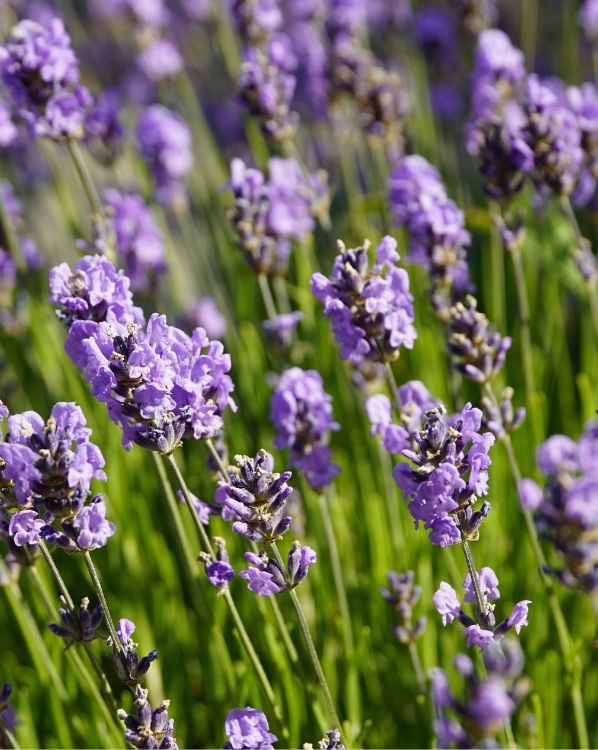
Lavender is cherished for its soothing fragrance, silvery foliage, and vibrant purple blooms that attract bees and butterflies.
While it may appear tough, lavender quickly loses its shape and vigor without regular pruning. Fall offers one of the best opportunities to give this plant the attention it needs to remain strong and healthy year after year.
As summer ends, lavender stems often become woody at the base, while the upper growth turns floppy and faded. If left untrimmed, the plant can become straggly, with bare patches that weaken its overall structure.
A light pruning in fall prevents this decline and encourages the plant to produce fresh, dense growth when spring arrives.
The key to pruning lavender successfully in autumn is to focus on removing the spent flower stems and cutting back some of the green growth without touching the woody base.
Cutting into old wood can damage the plant and prevent regrowth, but trimming above it stimulates new shoots. This balance ensures the plant maintains a compact, rounded shape that is both attractive and resilient.
Another benefit of fall pruning is protection from weather damage. Long, brittle stems left over winter can break under the weight of snow or be damaged by high winds. By shortening these stems, you reduce the risk of breakage and allow the plant to rest more comfortably through the colder months.
Pruning also reduces the risk of disease. Old flower stalks and decaying foliage can harbor fungal spores, especially in damp autumn conditions. By clearing these away, you lower the chances of rot and keep the crown of the plant healthier.
When pruning lavender, use sharp shears and aim to cut the plant back by about one third of its height, always leaving a cushion of green growth above the woody base. Dispose of the trimmings rather than leaving them around the plant, since the dry stems decompose slowly and can create clutter in the bed.
With thoughtful fall pruning, lavender remains compact, vigorous, and ready to burst back into bloom next year. The effort is small, but the reward is a fragrant, healthy plant that continues to bring charm and color to the garden season after season.
Clematis
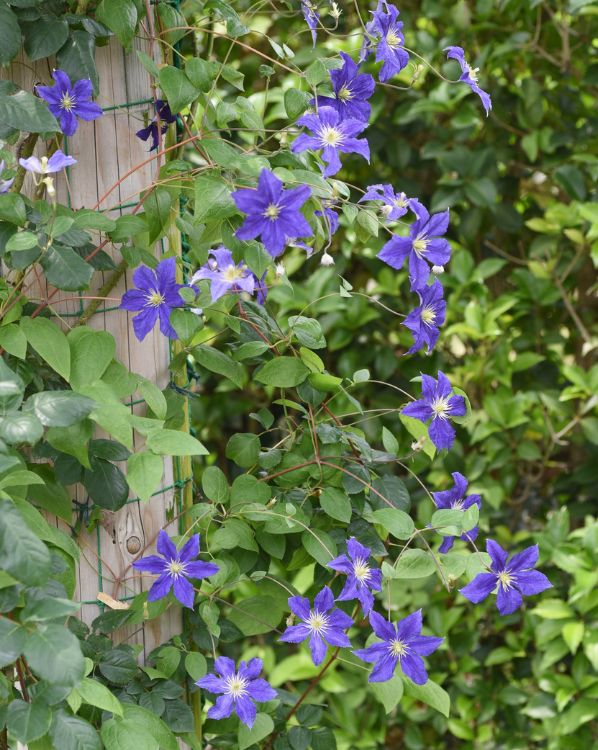
Clematis is one of the most beloved climbing plants in the garden, draping fences, trellises, and arbors with cascades of flowers in shades of purple, pink, red, and white. But while it is admired for its beauty, many gardeners are often confused about when and how to prune it.
The answer depends on the type of clematis you are growing, and for some varieties, fall is the perfect time for a thorough cutback.
Clematis plants are divided into three pruning groups. Group 1 blooms on old wood and should not be pruned in fall.
Group 2 blooms on both old and new wood, requiring only light pruning after its first flush of flowers.
But Group 3 clematis, which includes popular varieties such as ‘Jackmanii,’ ‘Polish Spirit,’ and many late-blooming hybrids, flowers on new growth. This group benefits greatly from pruning in fall because it prepares the plant for a fresh and vigorous display the following year.
For these varieties, fall pruning involves cutting all the stems down to about 12 to 18 inches above the ground. While it may feel dramatic, this method encourages the plant to push out strong, new shoots in spring.
Without pruning, Group 3 clematis can become tangled, woody, and less productive, with fewer flowers scattered among masses of old stems. A seasonal cut keeps the plant neat and ensures a more spectacular bloom.
Another benefit of pruning clematis in fall is disease prevention. Old, congested stems are prone to problems such as clematis wilt and powdery mildew, both of which can linger in tangled growth.
By removing the old stems and disposing of the debris, you give the plant a healthier start and reduce the risk of recurring problems.
Fall pruning also protects the plant from winter weather. Long, brittle vines left standing can whip around in the wind, causing damage to the crown or to nearby structures. Cutting them back keeps the plant more compact and less vulnerable to storms.
When pruning clematis, use sharp, clean shears and cut each stem just above a healthy set of buds near the base. After pruning, apply mulch around the crown to insulate the roots during the colder months.
Come spring, the plant will reward your care with an abundance of fresh growth and blossoms that once again transform your garden with climbing color and elegance.
Final Thoughts
Fall pruning is not about giving every plant in the garden a trim. It is about knowing which ones benefit most from seasonal attention and which should be left for spring.
Roses, hydrangeas, fruit trees, lavender, and Group 3 clematis all respond positively to careful fall pruning, each gaining strength, resilience, and a cleaner start for the coming year.
By removing weak or diseased growth, preventing damage, and encouraging healthier structures, you give these plants the best chance to thrive when warm weather returns. The results are stronger blooms, tastier harvests, and a garden that greets spring with renewed energy.
With thoughtful pruning in fall, you prepare not just for survival through winter, but for a flourishing season ahead.