
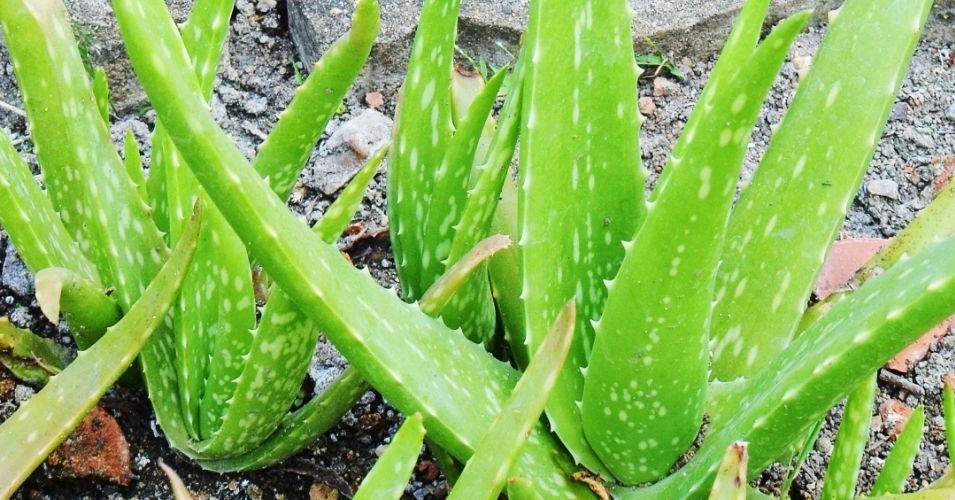
As summer gives way to cooler days, aloe vera plants begin to slow their growth and prepare for a restful season.
This shift means your approach to their care should change as well. Fall is not a time of heavy feeding or constant watering but rather of balance, protection, and gentle adjustments that keep the plant thriving.
Aloe vera is a resilient succulent, yet the wrong conditions during this season can stress it and cause damage.
With the right care in fall, your aloe will remain healthy and ready for a fresh burst of growth when warmer months return.
Water Needs of Aloe Vera in Fall
Aloe vera is well known for its ability to store water in its thick and fleshy leaves. During summer, the plant may use this storage more quickly as the heat speeds up evaporation and growth.
Once fall arrives, the weather begins to cool, and aloe slows its growth, which means its thirst decreases as well. This seasonal change makes it important to adjust your watering habits to avoid stressing the plant.
Instead of following a strict watering schedule, focus on the condition of the soil. Aloe vera prefers to have its soil dry out completely before receiving more water. In fall, this drying period can take much longer than it does in summer.
Press your finger about two inches into the soil to test. If it feels dry at that depth, your aloe is ready for water. If it still feels damp, wait a few more days before watering again.
When you do water, give the soil a deep soak so the roots receive enough moisture. Be sure to allow all excess water to drain from the pot. Aloe vera does not tolerate standing water, and damp soil in cooler fall weather can quickly lead to root rot. Always empty saucers beneath pots to ensure no water collects at the bottom.
The leaves themselves are a guide during fall. Their plump and firm texture shows that the plant has enough stored water. If you notice the leaves becoming wrinkled or thinning, that is a signal the plant needs a drink. However, this is less common in fall because aloe usually holds water for longer in its leaves during this season.
In short, watering aloe vera in fall is a careful balance. Too much water risks root damage, while too little can eventually cause stress. By reading the soil and watching the leaves, you can provide just the right amount to keep your aloe strong until spring growth begins again.
Light Requirements During Shorter Days
Aloe vera loves sunlight, and during summer it usually gets plenty without effort. In fall, however, the days grow shorter, and the angle of the sun shifts lower in the sky.
This change can reduce the amount of light your plant receives indoors. Because aloe relies on intense light to keep its leaves firm and upright, you may need to adjust its placement as the season progresses.
Aloe vera benefits from at least six hours of bright light each day. A sunny south or west-facing window is ideal in fall since these directions capture the strongest rays of the sun. Keep windows clean and free of dust so the plant receives as much natural light as possible. Rotating your aloe every week or two also ensures the leaves grow evenly on all sides.
If you live in an area where fall skies are often cloudy, natural light alone may not be enough. In such cases, a grow light can provide the support your aloe needs. A full-spectrum LED grow light placed about 6 to 12 inches above the plant works well. Keep the light on for 10 to 12 hours a day when daylight is scarce.
Be careful not to give your aloe too much direct sun even in fall. If placed right up against glass in a strong afternoon window, the leaves can still scorch, leaving brown or faded spots. Aim for bright, indirect sunlight as the main source of energy, with only a little direct sun during morning or late afternoon hours.
Without enough light, aloe vera will begin to stretch toward the nearest source in a condition known as etiolation. The leaves will grow longer, thinner, and weaker, losing their usual compact shape. By noticing this change early, you can move the plant to a brighter location and keep it healthy.
In fall, providing consistent light ensures your aloe has the energy to store nutrients and water for the slower months ahead. Whether from natural sunlight or supplemented with grow lights, maintaining proper exposure keeps your plant strong and ready for winter rest.
Best Soil and Containers for the Season
Aloe vera thrives when its roots have the right environment. Soil and container choices play a significant role in keeping the plant healthy through the cooler fall season.
Because growth slows during this time, the plant becomes more vulnerable to problems caused by soil that holds too much moisture. That is why fast-draining soil and the right pot are essential.
The best soil for aloe vera in fall is a cactus or succulent mix. These blends are designed to drain quickly while still holding just enough moisture for the plant to absorb. If you cannot find a pre-mixed succulent soil, you can make your own. Combine regular potting soil with sand or perlite to improve drainage. This added texture helps prevent water from lingering around the roots during cooler months when evaporation slows.
The container you choose is just as important as the soil. Aloe vera should always be placed in a pot with a drainage hole at the bottom. Without it, water can collect and cause root rot, especially in fall when watering needs are reduced.
Clay or terracotta pots are excellent choices because they allow extra moisture to evaporate through their walls. This natural drying process creates a healthier environment for aloe roots.
Plastic or ceramic pots can work too, but you must be more careful with watering since they hold moisture longer. If you use these containers, make sure to check the soil regularly and allow it to dry fully before adding water again.
Avoid oversized pots since they hold more soil than the plant needs, which can keep the roots damp for too long in fall. A snug pot that matches the root size is always safer.
Repotting in fall is generally not recommended unless your aloe is outgrowing its container or showing signs of poor drainage. The plant is entering a slower season and prefers stability.
If a change is necessary, gently move it into a slightly larger pot with fresh succulent soil and give it time to adjust before temperatures drop further.
By choosing the right soil and container in fall, you give aloe vera a stable base that protects it from excess moisture and keeps the roots healthy. This foundation supports the plant through fall and helps it enter winter with strength.
How to Manage Temperature Changes
Temperature shifts in fall can be tricky for aloe vera. During summer, the plant enjoys warm weather and steady sunlight.
As fall approaches, nights become cooler, and the difference between daytime and nighttime temperatures grows wider. Aloe vera can tolerate mild fluctuations, but sudden or extreme changes can put stress on the plant.
Aloe vera prefers temperatures between 55- and 80-degrees Fahrenheit. In fall, many homes remain within this range during the day, but nights can sometimes dip lower.
If your aloe is kept outdoors, it is important to monitor the forecast closely. Once nighttime temperatures begin to fall below 50 degrees, it is time to bring your aloe indoors. Exposure to cold drafts or frost can quickly damage the leaves.
Indoors, place the plant in a spot where it will not be exposed to cold air from open windows or doors. Drafts can shock aloe vera and cause the leaves to lose their firm texture. Heating vents can also create issues. If the plant is too close, the dry, hot air can dehydrate the leaves. Aim for a balanced location with steady, moderate temperatures away from both cold drafts and direct blasts of heat.
If you notice the leaves beginning to turn soft or discolored after a chilly night, that is a sign the plant has been stressed by low temperatures. Move it to a warmer spot right away and give it time to recover. Do not overwater during recovery, as cold-damaged roots are especially sensitive to excess moisture.
For those living in regions with unpredictable fall weather, consider keeping aloe vera in a container that is easy to move. This way, you can shift the plant indoors on cold nights and return it outside during mild days. Portable placement ensures it receives the benefits of fresh air and light while staying safe from sudden temperature drops.
By carefully managing temperature changes in fall, you protect your aloe vera from seasonal stress. A stable environment allows the plant to focus on conserving its energy for the months ahead, ensuring it remains strong and resilient.
Preparing Aloe Vera for Winter Rest
As fall progresses, aloe vera naturally begins to slow its activity in preparation for winter. This period is not one of growth but rather of rest, where the plant conserves its energy and adapts to cooler and darker conditions.
Helping aloe through this transition ensures it will stay healthy and be ready to thrive once spring returns.
One of the first steps in preparing aloe vera for winter is adjusting watering to the plant’s slower pace. Because aloe uses less water in colder months, it is best to reduce watering even further as fall draws to a close.
Always let the soil dry completely between waterings, and in late fall, you may only need to water once every three or four weeks. Remember that aloe’s leaves hold moisture, and overwatering during dormancy is the most common cause of damage.
Fertilizing should also stop in fall as the plant slows its growth. Giving nutrients at this stage can do more harm than good since aloe cannot use them efficiently when resting. Hold off on feeding until spring when new growth begins again. This pause in fertilizing gives the plant time to reset and prevents chemical buildup in the soil.
Placement during fall is another key factor. Aloe vera still needs bright light, even as the days grow shorter, so make sure it has access to the sunniest window in your home. If natural light is limited, a grow light can provide the support it needs. Keeping light levels steady helps the plant remain strong through its slower season.
Temperature control also plays a role in winter preparation. Keep the plant in a room that stays above 55 degrees Fahrenheit, away from drafts and heating vents. Stable temperatures reduce stress and make it easier for aloe to hold its energy through winter.
Cleaning the plant is an often-overlooked part of fall care. Dust on the leaves can block sunlight and limit photosynthesis. Wipe the leaves gently with a soft, damp cloth to keep them clear. This small step ensures that even during its rest, aloe can still capture the light it needs.
By the time winter arrives, your aloe vera should be settled into a routine of less water, no fertilizer, bright but gentle light, and steady temperatures. With these preparations complete, the plant can rest peacefully until it is ready to grow again in spring.
Final Thoughts
Caring for aloe vera in fall is all about balance and adjustment. The plant does not need as much water or fertilizer, but it still depends on steady light and a safe environment.
By noticing the changes in the season and responding with gentle care, you protect your aloe from stress.
Fall is a time for your aloe to rest and gather strength for the year ahead. With patience and careful attention, you can guide it smoothly through this season.
In return, the plant will reward you with renewed growth and vitality when the warmth of spring arrives once more.