
Summer is not just a time for enjoying your garden. It is also one of the most important seasons for shaping how your plants will grow, bloom, and thrive in the months ahead.
Many gardeners think pruning is for spring or fall, but summer cutting can be just as effective when done right.
With the right approach, you can encourage stronger growth, prevent disease, and even get a second wave of flowers.
Here are five key groups of plants you should focus on cutting back during summer.
Perennials That Benefit From a Summer Reset
By the time summer reaches its peak, many perennials begin to look a little tired. Their early blooms fade, stems stretch out, and leaves may start to yellow or flop over.
This is the perfect moment to step in and give them a fresh start. Cutting back certain perennials during summer can feel drastic at first, but it often leads to healthier plants and even a second round of flowers.
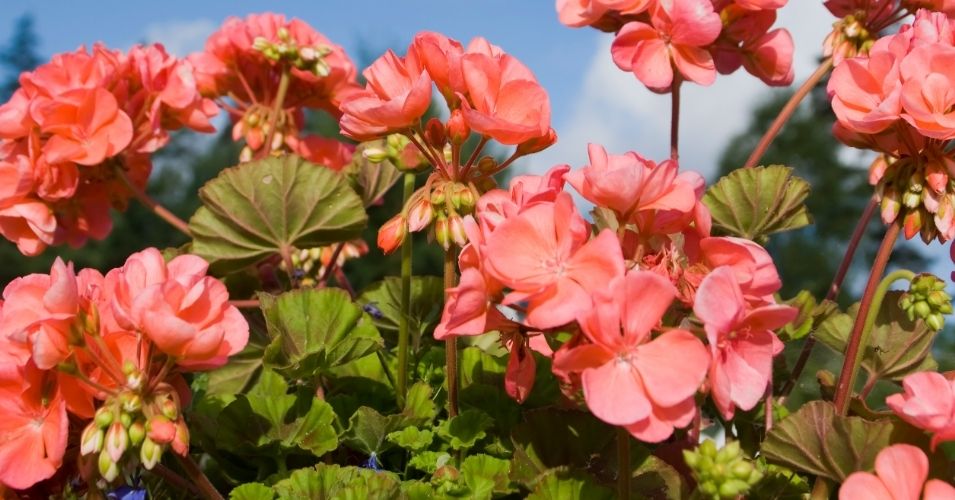
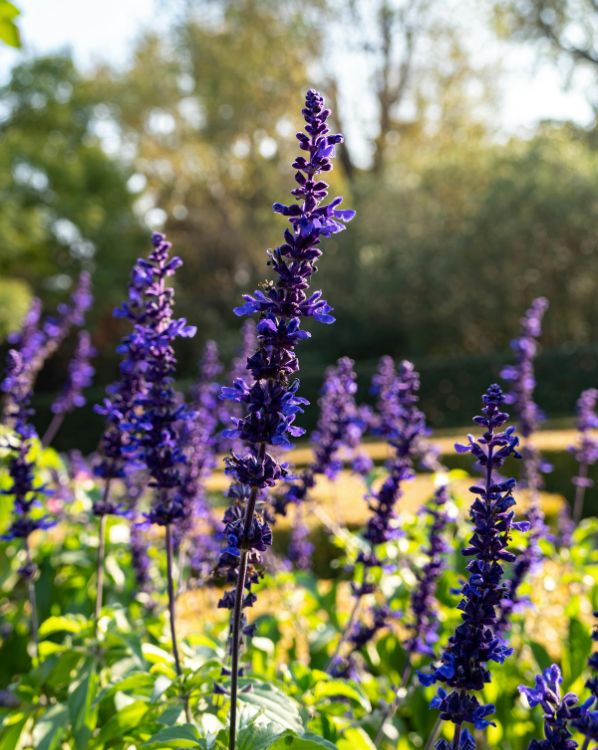
Plants like Geranium, Salvia, and Catmint respond especially well to this treatment. After their first flush of blooms, trimming them by about one-third can encourage compact growth and fresh buds.
When cutting, aim just above a set of healthy leaves or a visible node, since this is where new shoots will emerge. Avoid cutting too close to the base unless the plant is very overgrown, as leaving some leafy growth helps it recover faster.
Another group worth cutting back includes perennials that tend to flop, such as Coreopsis and Shasta Daisy.
Once their main flowering period slows down, a firmer trim can help prevent them from collapsing under their own weight. In this case, you can cut stems down to a few inches above the ground if they look especially worn out.
This more aggressive approach often triggers a fresh mound of growth and can lead to a late summer bloom cycle.
It is important to use clean, sharp tools when cutting back your plants, since dull blades can tear stems and leave them open to disease. Try to prune during cooler parts of the day, such as early morning or evening, to reduce stress on the plant.
Watering after pruning supports recovery, and a light feeding can give an added boost if the soil is lacking nutrients. While it may seem like you are limiting growth, you are actually guiding the plant toward a stronger, more balanced form.
Herbs That Thrive With Frequent Trimming
Herbs are some of the most rewarding plants to cut back in summer because they respond almost instantly. In fact, many herbs grow better the more you harvest them.
Regular trimming keeps them bushy, flavorful, and productive instead of tall and woody. If you leave them alone for too long, they often become sparse and lose their strong taste.
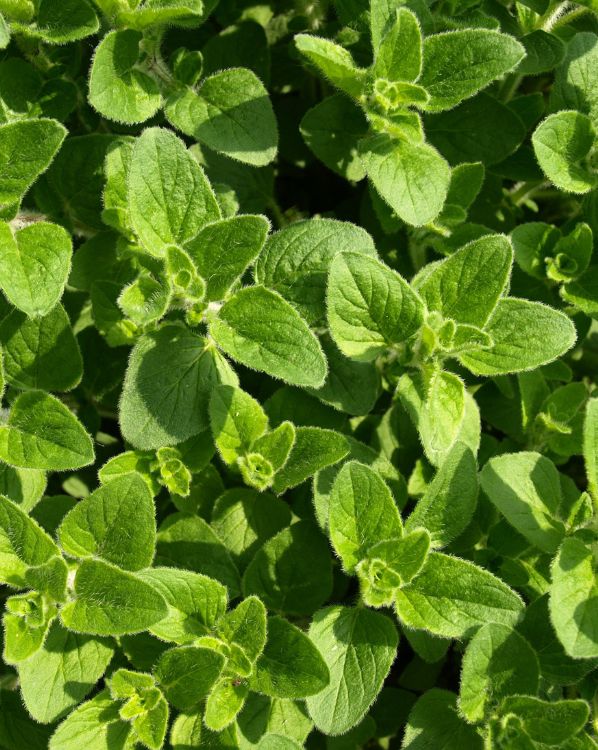
Popular kitchen herbs like Basil, Mint, and Oregano benefit greatly from consistent cutting.
Pinching back the top leaves just above a pair of growing nodes encourages the plant to branch out. This small detail makes a big difference, since each cut can lead to two new stems forming.
With basil in particular, removing flower buds as soon as they appear is essential. Once it starts flowering, the leaves’ flavor can decline, so regular checks help keep it at its best.
Woody herbs like Thyme and Rosemary also benefit from trimming, though they require a gentler touch. Always cut within the soft green growth and avoid slicing into the older woody parts, since those sections may not regrow.
Shaping these plants lightly and often is better than doing one heavy cut, which can stress them.
Timing and frequency matter when harvesting herbs. It is best to cut them in the morning after the dew has dried but before the sun becomes too strong, since this is when their essential oils are most concentrated.
Never remove more than one-third of the plant at a time, as this allows it to continue growing without setback. With a steady rhythm of trimming and a bit of attention to your cutting technique, your herb garden will stay lush, productive, and full of fresh flavor all summer long.
Flowering Plants That Reward You With More Blooms
Some flowering plants seem to give their all early in the season, then slowly lose momentum as summer goes on. What many gardeners do not realize is that a simple trim can completely change that pattern.
With the right cuts, you can encourage these plants to produce fresh buds and extend their display well into late summer. This technique, often called deadheading or cutting back, helps redirect the plant’s energy away from seed production and back into flowering.
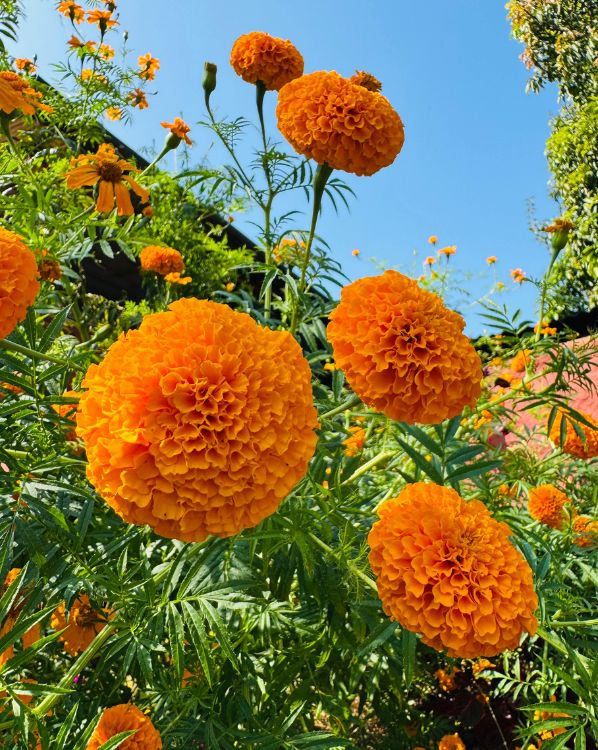
Plants like Petunia, Marigold, and Zinnia are excellent examples. Regularly removing faded blooms keeps them looking neat and encourages new flowers to form.
When deadheading, pinch or snip just above a healthy set of leaves or a branching point. This small detail helps the plant produce new stems rather than leaving gaps.
Some flowering plants benefit from a more noticeable trim once they start to look stretched or sparse. Cosmos and Sweet Alyssum can be cut back by about one-third to refresh their shape.
This may reduce blooms for a short time, but it often leads to a fuller, more colorful display shortly after. It is best to make these cuts just above a leafy section so the plant can quickly push out new growth.
Timing and consistency make a big difference. Try to check your flowering plants every few days and remove spent blooms before they form seeds. Use clean scissors or pruners to avoid damaging the stems, and water the plants after trimming to support recovery.
Regular attention and careful cutting will keep these flowering plants producing waves of color throughout the summer.
Shrubs That Need Shaping After Early Growth
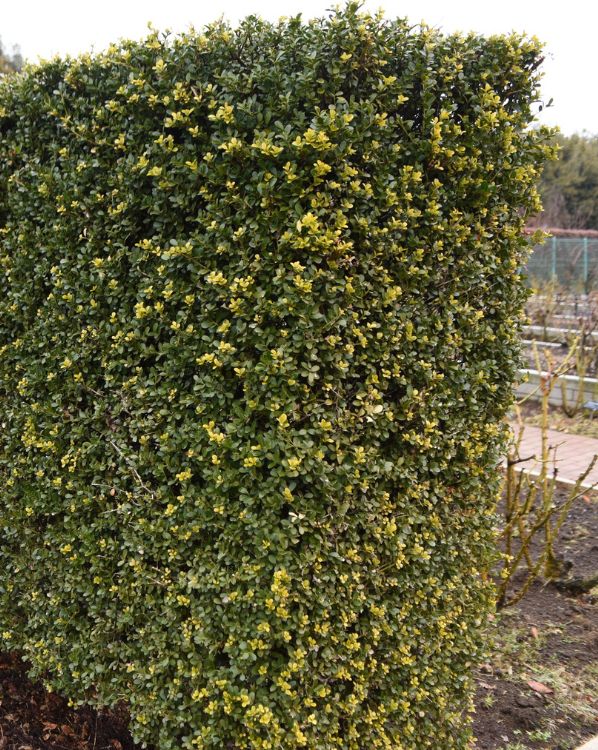
Many shrubs put on a strong burst of growth in spring, then settle into a slower pace as summer arrives. By this stage, they can look uneven or slightly overgrown, which makes summer the ideal time for light shaping.
A careful trim helps maintain structure, improves air circulation, and keeps the plant looking balanced without interfering with future growth.
Shrubs like Boxwood, Lavender, and Spirea respond well to summer pruning. After their first growth phase or flowering period, you can lightly shape them by trimming back the outer edges.
Focus on removing uneven or overly long stems to create a more uniform appearance. For flowering shrubs like spirea, cutting back just after blooms fade can sometimes encourage a second, lighter round of flowers.
It is important to avoid cutting too deeply into older wood, especially with shrubs that do not regrow easily from hard pruning. Instead, aim to trim just the newer growth, which is usually softer and lighter in color.
For plants like lavender, cut back to just above the woody base while leaving enough green growth for recovery. This keeps the plant compact and prevents it from becoming too woody over time.
Choose a dry day for pruning, and always use sharp, clean tools to make smooth cuts. Step back occasionally as you trim to check the overall shape and avoid overcutting any one area.
A steady and thoughtful approach helps keep your shrubs neat, healthy, and well-formed throughout the season.
Fast-Growing Plants That Quickly Get Out of Control
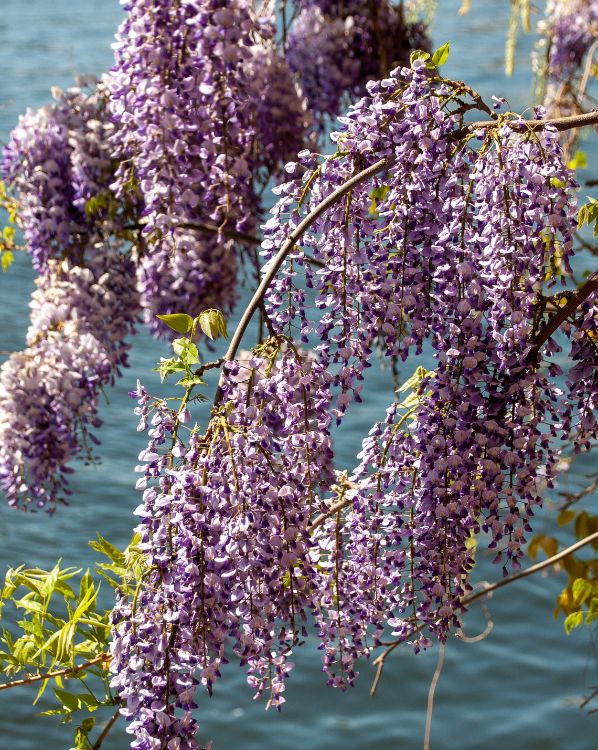
Some plants seem to grow faster the warmer it gets. In early summer, they may look lush and exciting, but by mid-season, they can start to take over your garden space.
Without regular trimming, these fast growers can crowd out neighboring plants, block sunlight, and create a tangled, messy appearance. Cutting them back during summer is less about appearance and more about keeping balance in your garden.
Plants like Mint, Lemon Balm, and Wisteria are known for their rapid spread. Left alone, they can quickly dominate beds and borders. Regular pruning helps keep their growth in check and prevents them from overwhelming nearby, slower-growing plants.
When cutting mint and lemon balm, you can be fairly bold and trim them down to just a few inches above the soil, since they regrow quickly from their base. This kind of reset keeps them fresh, leafy, and far less invasive.
Vigorous climbers like Wisteria need a more controlled approach. Instead of cutting everything back at once, focus on shortening long, trailing shoots and removing any stems that are heading in unwanted directions.
Trim back to a bud or side shoot to guide future growth. This helps maintain the plant’s structure while keeping it from spreading too far.
Fast-growing ornamentals such as Honeysuckle and Virginia Creeper also benefit from regular attention.
These can quickly cover fences, walls, and even nearby plants if left unmanaged. Cutting them back every few weeks during peak growth helps keep them in their place and encourages denser, more attractive foliage.
Always remove any weak or tangled stems first, then shape the plant to fit your space. Consistent trimming and a watchful eye will keep even the most energetic plants under control without losing their charm.
Final Thoughts
Summer pruning is not about cutting for the sake of cutting. It is about understanding how plants grow and stepping in at the right moment to guide that growth in a better direction. A few well-placed cuts can lead to fuller plants, longer flowering periods, and a more balanced garden overall.
The key is to observe your plants regularly and respond to what you see. Some will need a light trim, while others benefit from a more noticeable reset. Always use clean tools, cut with intention, and avoid removing too much at once.
With a steady approach, your garden will stay healthy, vibrant, and easier to manage throughout the entire season.