
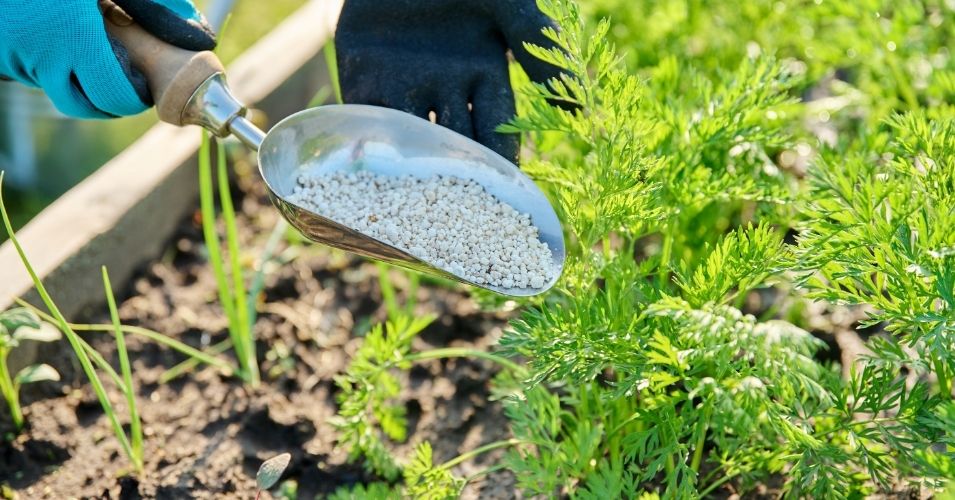
Summer is the season when gardens feel alive in every direction. Leaves stretch wider, flowers bloom brighter, and fruits begin to form under the warmth of long sunny days.
But this burst of growth also means your plants are using up nutrients faster than at any other time of year. If you truly want your garden to thrive, summer feeding is essential, not optional.
Knowing which plants benefit most from fertilizing during this season can make the difference between average growth and a lush, vibrant display.
Let’s explore the plants that need that extra boost right now.
Flowers That Thrive With a Midseason Boost
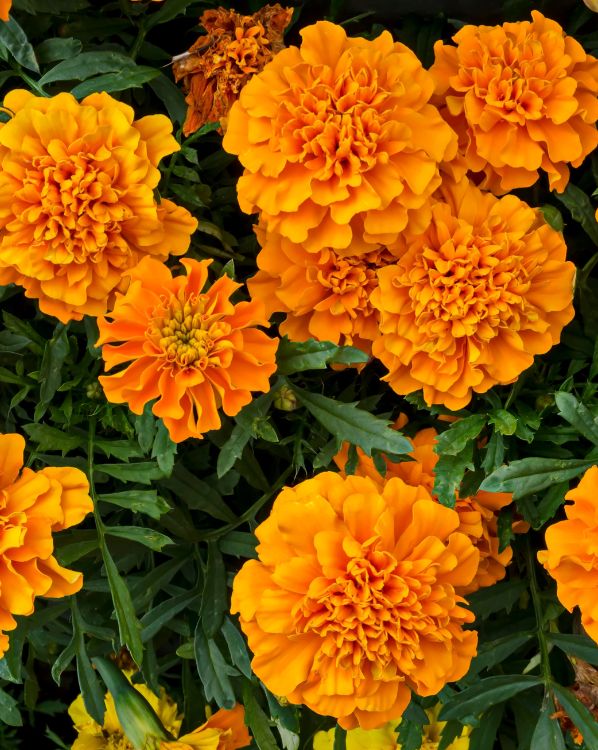
Summer is when many flowering plants reach peak performance, producing bright colors and continuous blooms that define the season.
This level of activity requires a steady supply of nutrients, especially for annuals that grow and flower all within a single year. Without extra feeding, even the healthiest plants can begin to slow down, producing fewer blooms and showing signs of fatigue as the weeks pass.
Petunias, marigolds, geraniums, and begonias are classic examples of flowers that benefit greatly from summer fertilizing. These plants are often described as heavy feeders because they quickly deplete nutrients as they produce new buds.
A balanced liquid fertilizer applied every couple of weeks can help maintain strong growth and vibrant color. For gardeners who prefer less frequent work, slow-release granules mixed into the soil can provide a steady supply over time.
Perennials also appreciate a midseason refresh, though they may not need feeding as often as annuals. Roses, in particular, respond well to summer fertilization, rewarding the effort with fuller blooms and healthier foliage.
Adding nutrients during active blooming encourages repeat flowering and helps the plant recover from earlier growth cycles. A fertilizer slightly higher in phosphorus can support bloom production without pushing excessive leafy growth.
It is important to water plants well before and after applying fertilizer, especially during hot weather. This prevents root stress and ensures nutrients are absorbed efficiently.
Deadheading spent flowers can also improve results, allowing plants to focus their energy on producing new blooms instead of maintaining old ones.
With consistent care and timely feeding, your flower beds can remain colorful and lively throughout the summer.
Vegetables That Demand Extra Nutrients in Heat
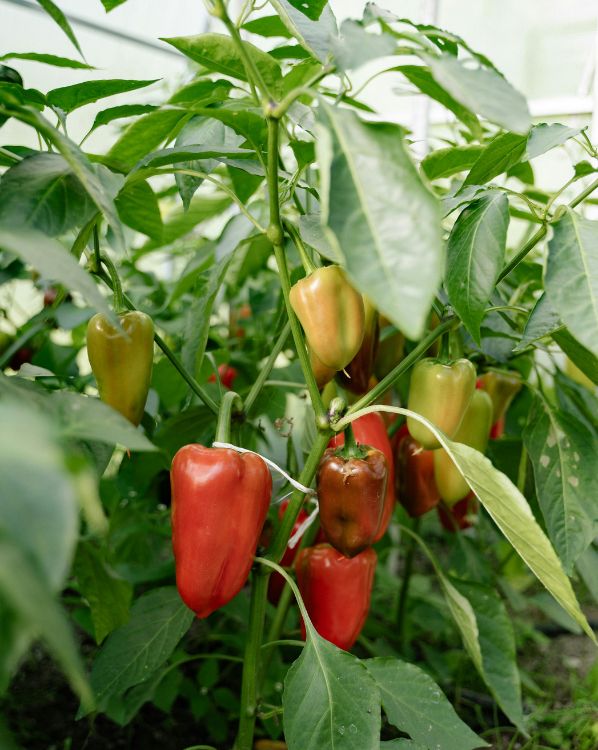
Vegetable plants grow rapidly during summer, often producing leaves, flowers, and fruits all at once. This intense activity places high demands on the soil, which can quickly become depleted if nutrients are not replaced.
Fertilizing during this period helps maintain steady growth and supports the development of healthy, productive crops.
Tomatoes, peppers, and cucumbers are among the most nutrient-hungry vegetables in a summer garden. As they begin to set fruit, their need for potassium and phosphorus increases.
Feeding them regularly promotes stronger fruit development and helps prevent common problems such as low yields or uneven ripening. A balanced fertilizer or one designed specifically for fruiting plants works well when applied every couple of weeks.
Leafy vegetables such as lettuce, spinach, and kale also benefit from summer feeding, though their needs are slightly different. These plants rely more on nitrogen to produce lush, green leaves.
A lighter, more frequent feeding schedule can keep them growing quickly without overwhelming the soil. Consistent watering is especially important for leafy crops, as heat can cause them to bolt or become bitter if stressed.
Root vegetables like carrots and beets need a more balanced approach. Too much nitrogen can lead to excessive leaf growth at the expense of root development.
Using a gentle fertilizer with even nutrient levels helps support steady progress below the surface while still maintaining healthy tops.
Timing plays a key role in successful fertilizing. Early-morning or late-evening applications are best, as cooler temperatures reduce the risk of stress and allow nutrients to soak into the soil more effectively.
By maintaining proper nutrition and care, your vegetable garden can remain productive even during peak summer heat.
Fruit Plants That Reward Summer Feeding
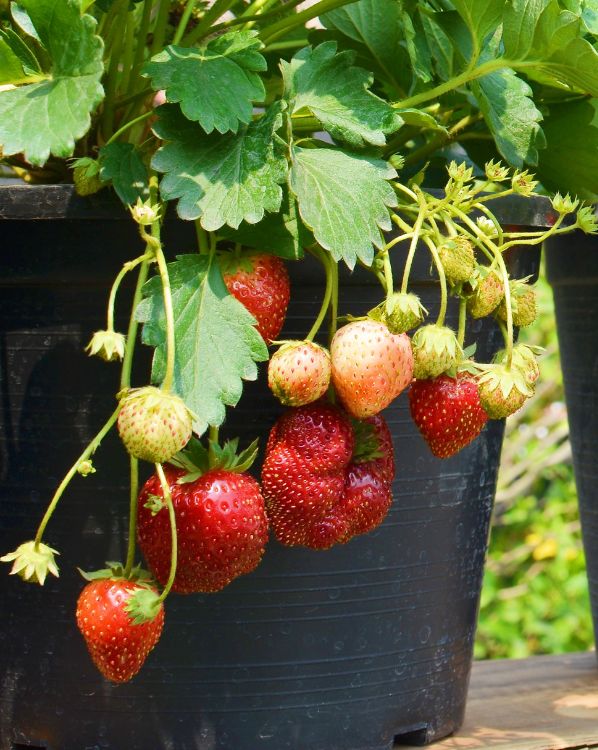
Summer is a critical time for fruit-producing plants, as this is when energy shifts from leafy growth to developing sweet, full-sized harvests.
During this stage, plants draw heavily from the soil to support both fruit formation and overall health. Without added nutrients, yields can be smaller, and fruits may lack the flavor and texture gardeners hope for.
Strawberries, blueberries, and raspberries are popular garden fruits that benefit from careful summer feeding. Once fruit begins to form, these plants rely more on potassium to improve size, taste, and color.
A fertilizer formulated for fruiting plants can help boost these qualities while also strengthening the plant for continued production. For berry plants, maintaining slightly acidic soil conditions is also important, especially for blueberries, which are more sensitive to imbalances.
Fruit trees such as apple, pear, and plum trees can also benefit from a well-timed nutrient boost. While heavy fertilizing earlier in the season encourages leaf growth, a lighter summer feeding supports fruit development without overstimulating the tree.
Applying a balanced fertilizer around the root zone helps ensure nutrients reach deep into the soil where roots can absorb them effectively.
It is important to avoid overfeeding during this stage. Too much fertilizer can lead to rapid leafy growth rather than fruit production, reducing the overall harvest.
Watering deeply after feeding helps carry nutrients into the soil and prevents buildup near the surface. Mulching around the base of fruit plants can also help retain moisture and regulate soil temperature during hot weather.
With thoughtful care and the right feeding approach, fruit plants can produce a more abundant and flavorful harvest, making the extra effort well worth it.
Lawn and Grass Care During Peak Growth
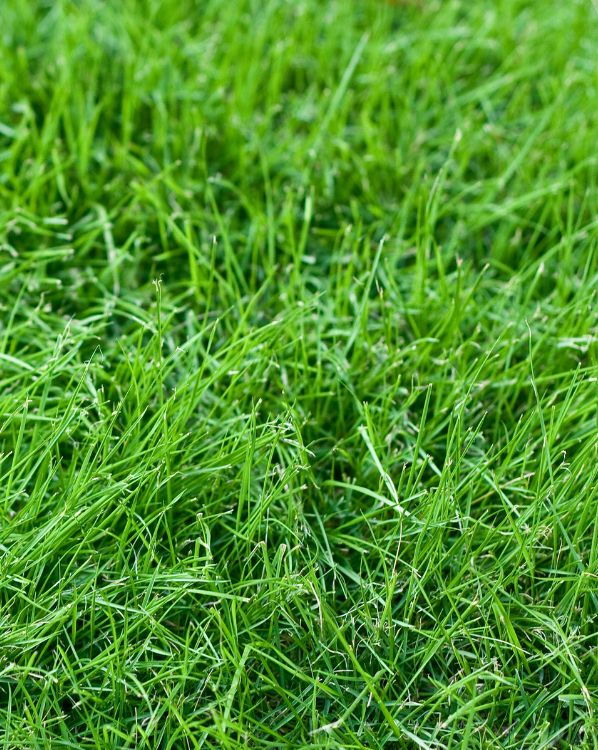
During summer, lawns often experience their most active period of growth, especially when they receive regular watering and sunlight.
Grass requires significant nutrients to maintain its color, density, and resilience. Without proper feeding, lawns can quickly lose their rich green appearance and become thin or stressed under intense heat.
Common lawn grasses such as Kentucky bluegrass, perennial ryegrass, and fescue varieties benefit from a steady supply of nutrients during this time.
A summer fertilizer that includes a balanced mix of nitrogen, phosphorus, and potassium can help maintain healthy growth while improving resistance to heat and foot traffic. Nitrogen plays a key role in keeping grass green, but it should be applied carefully to avoid excessive growth that can lead to more frequent mowing.
Applying fertilizer at the right time makes a noticeable difference. Early morning or late evening is ideal, as cooler temperatures reduce the chance of burning the grass.
Watering the lawn before and after feeding helps nutrients move into the soil and reach the root system more effectively. This also prevents fertilizer from sitting on the blades, which can cause damage.
Mowing habits also play a part in how well your lawn responds to fertilizing. Keeping grass slightly taller during summer helps shade the soil, reducing moisture loss and protecting roots from heat stress.
Leaving clippings on the lawn can return small amounts of nutrients into the soil, supporting ongoing growth.
When properly cared for with balanced feeding and watering, your lawn can stay lush, resilient, and green through the toughest summer conditions.
Potted Plants That Need Consistent Nourishment
Plants grown in containers live in a very different environment compared to those planted in the ground. Their roots are limited to a small amount of soil, which means nutrients are used up quickly and washed away more easily with frequent watering.
During summer, when heat speeds up growth and increases water needs, potted plants can run out of essential nutrients faster than expected. Regular feeding becomes one of the most important parts of keeping them healthy and attractive.
Popular container choices like petunias, calibrachoa, geraniums, and fuchsias are known for their long blooming periods, but they require steady nourishment to keep producing flowers.
A diluted liquid fertilizer applied once a week can provide a reliable supply of nutrients without overwhelming the plant. This method allows for better control and ensures that plants receive what they need during peak growth.
Herbs grown in pots, such as basil, parsley, and mint, also benefit from consistent feeding. These plants are often harvested regularly, which encourages new growth but also increases their nutrient demand.
A balanced fertilizer helps maintain strong flavor and healthy leaves. It is best to avoid overfeeding herbs, as too much fertilizer can affect taste and texture.
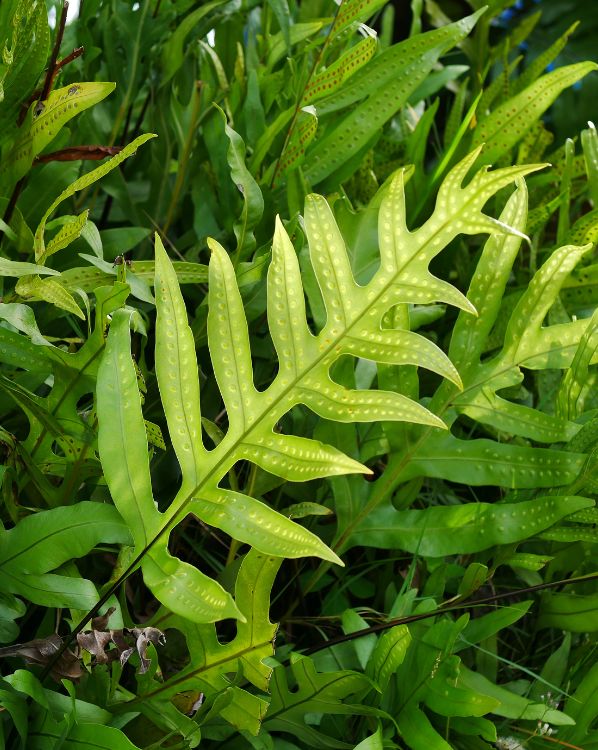
Indoor plants placed outside for the summer, including ferns, snake plants, and peace lilies, may also need extra attention.
Exposure to brighter light and warmer temperatures can increase their growth rate, meaning they use more nutrients than they would indoors. Feeding them lightly every few weeks can help them adjust and thrive in their temporary outdoor setting.
Good drainage is essential for all potted plants. Excess fertilizer can build up in containers if water does not flow through properly, which may harm roots. Occasionally, flushing the soil with clean water can help prevent this problem.
With steady care and thoughtful feeding, container plants can remain vibrant and full throughout the summer.
Final Thoughts
Summer fertilizing is not about doing more work, but about giving plants the support they need during their most active period.
Flowers, vegetables, fruits, lawns, and potted plants all respond to the right nutrients in different ways, but the goal remains the same: healthy growth, strong structure, and lasting beauty.
By paying attention to each plant’s needs and adjusting your approach, you can create a garden that continues to thrive even in the heat.
Consistency matters more than perfection. A simple routine of feeding, watering, and observation can lead to impressive results over time.
With the right balance, your garden will not just survive the summer. It will flourish in it.