
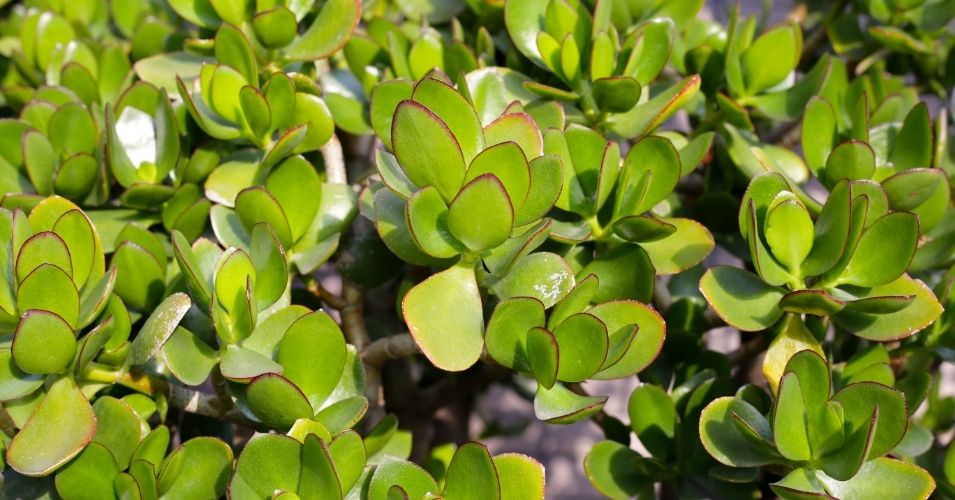
Caring for a jade plant in summer can feel both exciting and a little confusing, especially as the days grow longer and temperatures rise.
This hardy succulent loves sunlight and warmth, but too much of a good thing can quickly turn into stress for the plant.
With the right balance of light, water, and attention, your jade plant can thrive and even show off vibrant new growth during the hottest months of the year.
This guide will walk you through simple, practical ways to keep your jade plant healthy, happy, and looking its best all summer long.
The Best Light Conditions for Your Jade Plant
Jade plants love sunlight, and summer gives them plenty of it. Still, more light does not always mean better results.
A jade plant thrives in bright conditions, but it prefers a balance that mimics its natural environment. Indoors, a spot near a south-facing or west-facing window works well because it receives strong light for several hours each day.
If the sunlight feels intense through the glass, you can soften it slightly with a sheer curtain. This allows the plant to enjoy brightness without being overwhelmed.
Outdoors, jade plants can benefit from fresh air and natural sunlight. However, moving a plant straight from a shaded indoor spot to full outdoor sun can cause damage. Leaves may develop brown or white patches, which are signs of sunburn.
It is best to introduce outdoor light gradually over several days. Start with a shaded patio or a spot that receives morning sun, then slowly increase exposure.
A healthy jade plant will show its satisfaction through firm leaves and a deep green color. Some varieties even develop a red tint along the edges when they receive enough light.
If your plant starts to stretch or look leggy, it is likely searching for more light. On the other hand, if the leaves look scorched or shriveled, the light may be too harsh. Adjusting placement can quickly solve these problems.
Finding the right lighting setup may take a bit of trial and error. Once you get it right, your jade plant will reward you with steady growth and a strong, compact shape throughout the summer.
How Much Water Does Your Jade Plant Really Need
Watering a jade plant in summer requires attention and restraint. It may seem like the heat calls for frequent watering, but jade plants store moisture in their thick leaves.
This means they do not need constant hydration. In fact, too much water is one of the most common reasons jade plants struggle.
A good approach is to let the soil dry out completely before watering again. You can check this by inserting your finger about an inch into the soil. If it still feels damp, wait a few more days. If it feels dry, it is time to water.
When you do water, do it thoroughly. Pour water until it drains out of the bottom of the pot. This ensures the roots receive enough moisture. After that, allow any excess water to escape and never let the plant sit in a saucer filled with water.
During very hot periods, you might notice the soil drying faster than usual. Even then, resist the urge to water too often. Instead, monitor the plant itself. Slightly soft leaves can indicate thirst, while mushy or yellowing leaves often point to overwatering.
The type of pot and soil also affects how often you need to water. Terracotta pots, for example, dry out more quickly than plastic ones. Well-draining soil helps prevent water from lingering around the roots.
Consistency matters more than frequency. By observing your jade plant and adjusting your routine based on its needs, you can keep it properly hydrated without risking root rot.
Soil and Pot Choices That Support Summer Health
The foundation of a healthy jade plant begins below the surface.
Soil and pot selection play a huge role in how well your plant handles the summer heat. A jade plant does best in soil that drains quickly and does not hold excess moisture. Standard potting soil on its own is often too dense, which can trap water around the roots and lead to rot.
A better option is a mix designed for succulents or cacti. These blends usually contain sand, perlite, or small gravel, which help water pass through easily. If you prefer to make your own mix, you can combine regular potting soil with coarse sand or perlite to improve drainage.
The goal is to create a light and airy texture that allows roots to breathe.
The type of pot you choose also matters more than many people realize. Terracotta pots are a popular choice for jade plants because they absorb moisture from the soil and help it dry faster. This can be especially helpful during the summer when overwatering becomes a risk.
Plastic pots retain moisture longer, which can be beneficial in very dry environments but may require extra caution.
Drainage holes are essential. Without them, water collects at the bottom, creating a soggy environment that jade plants cannot tolerate. Even a well-draining soil mix cannot compensate for a pot without proper drainage.
Repotting is sometimes needed if the plant has outgrown its container or if the soil has become compacted over time. Summer can be a good time for this, as the plant is actively growing and can recover more easily.
When the roots have enough space and the soil stays balanced, your jade plant can handle warm weather with much less stress.
Ways to Prevent Heat Damage and Common Pests
Summer brings warmth and light, but it can also introduce challenges that affect your jade plant’s health.
High temperatures can cause stress if the plant is exposed to intense sun for long periods without relief. Leaves may become wrinkled, faded, or develop dry patches.
To prevent this, keep an eye on how much direct sunlight your plant receives during the hottest part of the day. Providing some shade in the afternoon can make a big difference.
Good airflow is another important factor. Stagnant air combined with heat can create an uncomfortable environment for the plant. Placing your jade plant near an open window or in a well-ventilated outdoor spot helps it stay cool and reduces the risk of problems.
Pests tend to become more active during warm weather. Common invaders include mealybugs, spider mites, and scale insects. These pests often hide along stems or under leaves, where they feed on the plant’s sap. Early signs may include sticky residue, small white clusters, or fine webbing.
Regular inspection is one of the best ways to catch issues before they spread. If you notice pests, you can remove them gently with a cotton swab dipped in rubbing alcohol. For larger infestations, insecticidal soap can help control the problem without harming the plant.
Keeping your jade plant clean also reduces the risk of pests. Dust can build up on leaves, creating a more inviting surface for insects. Wiping the leaves occasionally helps maintain a healthy appearance and discourages unwanted visitors.
By staying attentive and making small adjustments, you can protect your jade plant from both heat stress and pest damage throughout the summer.
Tips to Help Your Jade Plant Grow Strong All Summer
A thriving jade plant does not happen by chance. It comes from small, consistent actions that support steady growth over time. Summer is an active season for jade plants, making it the perfect time to encourage fuller leaves and a stronger structure.
One simple way to promote healthy growth is by rotating your plant every week or two. This helps all sides receive equal light and prevents the plant from leaning toward one direction. A balanced shape not only looks better but also keeps the plant stable as it grows taller.
Pruning can also make a noticeable difference. If your jade plant becomes too leggy or uneven, trimming back certain stems encourages new branches to form. This results in a bushier and more compact appearance. Always use clean tools and avoid cutting too much at once, as gradual changes are easier for the plant to handle.
Feeding your jade plant during summer can provide an extra boost. A diluted, balanced fertilizer applied once a month is usually enough. Too much fertilizer can do more harm than good, so it is important to keep it light and consistent rather than frequent and heavy.
Cleaning the leaves is another small step that often gets overlooked. Dust can block sunlight and reduce the plant’s ability to absorb energy. Gently wiping the leaves with a soft cloth helps maintain their natural shine and keeps the plant functioning well.
Pay attention to how your jade plant responds to its environment. Slight changes in color, texture, or growth pattern can give clues about what it needs. Adjusting care based on these signals helps you stay ahead of potential issues.
With steady care and a bit of observation, your jade plant can grow stronger, fuller, and more vibrant throughout the summer months.
Final Thoughts
Caring for a jade plant in summer is all about balance.
Light, water, soil, and attention must work together to create the right environment. When each element is managed thoughtfully, the plant responds with steady growth and a healthy appearance.
It is important to stay observant and flexible. Conditions can change quickly during summer, and your plant may need small adjustments along the way. By responding to these changes early, you can prevent the most common problems before they take hold.
With patience and consistent care, your jade plant can thrive and remain a lasting part of your space for years to come.