
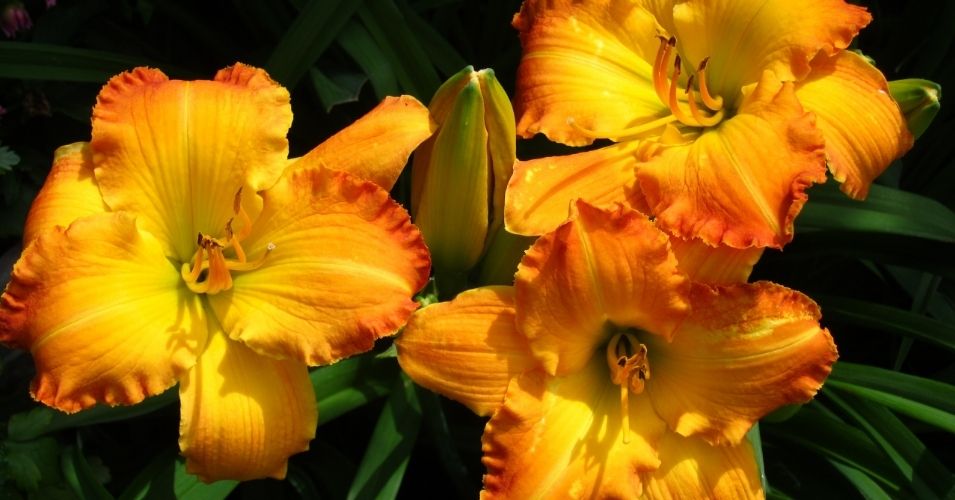
Spring brings a fresh start to the garden, and daylilies are among the first perennials to respond. Their green shoots rise from the soil with energy, promising the colorful blooms that make them a favorite in many landscapes.
But those early weeks of growth are more important than they might seem at first glance.
The way you care for daylilies in spring plays a major role in how well they grow and bloom during the rest of the season.
Whether you are growing daylilies for the first time or tending a well-established bed, spring care helps set the stage for a beautiful display later in the year.
Remove Winter Damage and Prepare the Bed
As spring arrives, one of the first tasks for daylily care is clearing away what winter left behind.
Old leaves, broken stems, and scattered debris often gather around the bases of plants during the colder months. Removing this material helps the garden look tidy and protects the plants’ health.
Start by gently pulling away any dead foliage that remained from the previous growing season. Daylily leaves often collapse and turn brown after winter frost. These dried leaves can trap moisture around the plant’s crown, which may encourage rot if left in place for too long.
Use clean garden scissors or pruning shears to trim away stubborn dead growth. Cut close to the soil surface, but be careful not to damage the emerging fresh green shoots. These new leaves are delicate at first and can snap easily if handled roughly.
Once the old plant material is removed, take a few moments to check the soil surface around each clump. Sometimes fallen leaves, small sticks, or compacted mulch can collect in the bed during winter storms. Clearing these materials allows sunlight and air to reach the soil more easily.
Good airflow is especially important early in the season. When air can circulate freely around the plants, the foliage dries faster after rain. This simple step helps reduce the chance of fungal problems developing later in the year.
After cleaning the bed, lightly loosen the top layer of soil around the daylilies with a hand fork or small garden tool. Avoid digging too deeply. The goal is to break up any crust that formed on the surface over winter.
Loosening the soil also improves water absorption. Spring rains will soak into the ground more easily rather than run off the surface.
Finally, check the spacing between your daylily clumps. If the bed looks crowded or tangled, note areas that may need to be divided later in the season. A quick inspection now makes future maintenance much easier.
Taking the time to remove winter damage and refresh the planting area gives your daylilies a clean, healthy start. The plants can focus their energy on producing strong leaves and forming the buds that will eventually become vibrant summer blooms.
Improve Soil Conditions for Stronger Daylilies
Healthy soil is the foundation of strong daylilies. These plants are known for their toughness, but they still perform best when the soil provides the right balance of nutrients, moisture, and drainage.
Spring is the ideal time to improve soil conditions before the plants enter their most active period of growth.
Begin by observing how the soil behaves after rain. If water tends to sit on the surface for long periods, the soil may be too compacted or heavy. Daylilies prefer well-drained soil that still holds enough moisture to support steady growth.
Adding organic matter is one of the simplest ways to improve almost any garden soil. Materials such as compost, well-rotted manure, or leaf mold can be spread around the base of the plants and gently worked into the top layer of soil.
Organic matter helps loosen heavy soil and also improves moisture retention in sandy areas. Over time, it breaks down and releases nutrients that support healthy root development.
Apply a layer about 2 to 3 inches thick around the daylilies. Keep the material slightly away from the crown of the plant so it does not trap excessive moisture against the stems.
As the season progresses, beneficial microorganisms in the soil will slowly break down this organic layer. This natural process enriches the soil and improves its structure year after year.
You may also consider adding a balanced garden fertilizer in early spring. Choose a product designed for flowering perennials and follow the recommended application rate carefully. Too much fertilizer can lead to lush leaves but fewer flowers.
For many gardeners, compost alone provides enough nutrients for healthy daylilies. The goal is steady growth rather than rapid bursts of foliage.
Another helpful step is refreshing the mulch around your plants. A light layer of mulch helps keep the soil temperature stable and reduces moisture loss during warmer days. It also slows the growth of weeds that compete with daylilies for nutrients and space.
Improving the soil may seem like a small task, but it has a lasting impact on plant health. When daylilies grow in rich, well-structured soil, they develop stronger roots and produce more reliable blooms throughout the growing season.
Water and Nutrients That Support Spring Growth
As temperatures rise and daylilies begin producing fresh leaves, consistent moisture becomes important. Spring rains often provide much of the water these plants need, but gardeners should still keep an eye on soil conditions.
The goal is to keep the soil evenly moist without allowing it to become soggy.
Daylilies develop strong root systems that store energy, yet those roots still rely on steady moisture during the early growing period. When the soil dries out for extended periods, plants may slow their growth and produce fewer flower buds later in the season.
Check the soil by pressing a finger a couple of inches below the surface. If the soil feels dry at that depth, it is time to water. Slow, deep watering is much better than a quick surface-level splash.
Watering deeply encourages roots to grow downward into the soil, where moisture remains more stable. Shallow watering can lead to weaker root systems that struggle during hotter weather.
Morning is usually the best time to water daylilies. This allows excess moisture on the leaves to dry as the day warms. Dry foliage helps prevent fungal problems that can sometimes develop when leaves remain wet for long periods.
Along with proper watering, nutrients also play a role in healthy spring growth. Daylilies are not heavy feeders, but they still benefit from a modest supply of nutrients as they begin forming new leaves and future flower stems.
A balanced fertilizer applied in early spring can provide this support. Look for a product that contains equal or similar amounts of nitrogen, phosphorus, and potassium. Apply it lightly around the base of the plants and water it into the soil.
Nitrogen encourages strong leaf growth, while phosphorus and potassium support root development and flowering potential.
Organic options such as compost tea or slow-release organic fertilizers can also work well. These tend to feed plants gradually while improving soil life.
With steady moisture and the right amount of nutrients, daylilies can build the energy they need for a productive growing season. Healthy foliage in spring often leads to stronger stems and more colorful blooms once summer arrives.
When and How to Divide Daylilies
Daylilies are known for their ability to grow into large clumps over time. While this makes them excellent for filling garden beds, crowded plants may eventually produce fewer flowers.
Dividing the clumps every few years helps keep them vigorous and encourages better blooming.
Spring is one of the best times to divide daylilies. The plants are just beginning their active growth, and cooler temperatures make the process easier on both the gardener and the plants.
Look for signs that your daylilies may need dividing. Large clumps with tightly packed fans of leaves are often good candidates. You may also notice that the center of the clump produces fewer flowers than the outer edges.
Begin by watering the area the day before you plan to divide the plants. Moist soil is easier to work with and helps protect the roots during the process.
Use a garden fork or shovel to dig around the clump, keeping a few inches of space between the tool and the base of the plant. Gently lift the entire clump from the soil, taking care not to break too many roots.
Once the clump is out of the ground, shake or rinse away excess soil so you can see the natural divisions within the plant. Daylilies grow in clusters of leaf fans connected by short rhizomes.
Use a sharp knife or your hands to separate the clump into smaller sections. Each section should contain several healthy fans and a good portion of roots.
Trim away any damaged or dead roots before replanting the divisions. This helps the plant direct its energy toward new growth.
Replant the sections at the same depth they were growing before. Space them far enough apart to allow room for future growth. Water the newly planted divisions thoroughly so the soil settles around the roots.
Within a few weeks, the plants usually begin producing new leaves. Dividing daylilies may take a little effort, but it rewards the garden with healthier plants and more vibrant blooms in the seasons ahead.
Protect Daylilies from Common Spring Problems
Spring growth brings fresh energy to the garden, but it can also attract a few problems that affect daylilies. Catching these issues early makes them much easier to manage and helps your plants stay healthy throughout the growing season.
One of the most common spring concerns is the appearance of pests. Aphids, thrips, and spider mites may gather on young leaves and flower stems as plants begin to grow. These small insects feed on plant sap and can weaken the foliage if their numbers increase.
Regularly inspecting your daylilies is a simple way to prevent larger infestations. Look closely at the undersides of leaves and along the developing stems. If you notice clusters of insects, a strong spray of water from a garden hose often removes many of them.
Encouraging beneficial insects in the garden can also help keep pests under control. Lady beetles and lacewings naturally feed on aphids and other soft-bodied insects. Planting a variety of flowering plants nearby can attract these helpful predators.
Fungal diseases can sometimes appear during damp spring weather. Leaf streak is one example that affects daylilies. It often begins as yellow or brown streaks on the leaves and may spread if conditions remain wet.
Proper spacing between plants and good airflow reduces the chances of fungal issues developing. When watering, aim the water toward the soil rather than spraying the leaves. This helps the foliage dry more quickly.
Another potential problem is weed competition. Early-spring weeds grow quickly and can compete for nutrients and moisture with your daylilies. Removing weeds while they are small prevents them from establishing strong root systems.
Applying a light layer of mulch around the plants helps suppress weed growth and keeps soil moisture more consistent.
It is also helpful to watch for physical damage. Late frosts, heavy rain, or strong winds may sometimes bend or injure tender new leaves. Most daylilies recover quickly, but removing severely damaged foliage keeps the plants looking tidy.
A little attention during spring can prevent many common issues from becoming serious problems. Healthy plants that grow in good conditions are naturally more resistant to pests and diseases.
With regular observation and simple care, your daylilies can continue growing strong and prepare for the colorful display that will follow in summer.
Final Thoughts
Caring for daylilies in spring does not require complicated techniques.
A few thoughtful steps can make a noticeable difference in how the plants perform during the rest of the year.
Cleaning the bed, improving the soil, providing steady moisture, and dividing crowded clumps all support healthy growth. Paying attention to early signs of pests or disease also helps protect the plants before problems spread.
When daylilies receive this early-season care, they reward the garden with strong foliage and reliable blooms.
With each passing season, these hardy perennials continue to return, bringing color and life to the landscape year after year.