
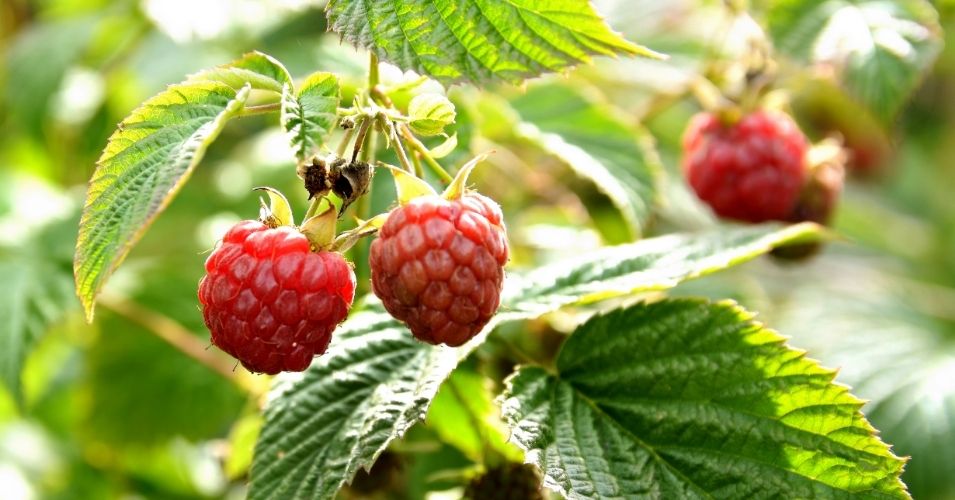
Spring is the moment when raspberry plants begin waking from their winter rest and preparing for a new season of growth.
Beneath the soil, the roots are already active, and soon fresh canes and leaves begin appearing above the surface. This early stage is important because the care given now will shape how healthy the plants become and how productive they will be later in the season.
Raspberries are resilient plants, but they respond best when you provide the right support during spring. Pruning old canes, encouraging new growth, and maintaining healthy soil conditions all help the plants gain strength.
With a little attention during these early weeks, raspberry plants can grow into vigorous patches that produce sweet fruit throughout the growing season.
Remove Old Raspberry Canes That Finished Their Job
Spring is the perfect time to tidy up raspberry plants and remove canes that completed their role the previous season.
Raspberry plants produce fruit on specific canes, and once those canes finish producing berries, they will not fruit again. These older canes often appear darker and may look drier or more brittle than the younger growth.
Leaving these old canes in place can make the raspberry patch crowded and hinder new growth. The plant benefits when you remove the canes that have already finished their work. Clearing them away allows the plant to direct its energy toward fresh growth.
You can usually identify old canes by their appearance. They often look woody and faded, while new canes appear greener and more flexible. The contrast between the two makes it easier to see which canes should remain and which ones can be removed.
Cutting the old canes close to the ground opens the space around the base of the plant. This simple step improves airflow and allows sunlight to reach the younger growth.
When light reaches the base of the patch, it helps stimulate healthy development in the canes that will later produce fruit.
Pruning also makes the raspberry patch easier to manage. With fewer old canes in the way, you can see the new shoots more clearly and guide their growth as spring continues. A tidy patch encourages stronger plants and a more organized growing space.
Removing old canes may seem like a small task, but it plays an important role in raspberry care. Each cleared stem allows the plant to focus on the canes that will soon carry leaves, flowers, and berries.
By starting the season with a clean and open raspberry patch, you give your plants the best chance to grow strong and productive.
Feed the Soil to Support Strong Spring Growth
As raspberry plants begin waking from their winter rest, the soil around them plays a central role in how well they grow. Healthy soil provides the nutrients needed for strong cane development, steady leaf growth, and future fruit production.
Giving attention to the soil early in the season helps set a strong foundation for everything that follows.
Spring is an ideal time to enrich the soil with organic matter. Adding a layer of compost around the base of the plants helps improve soil structure while slowly releasing nutrients. This creates a balanced environment where roots can expand and absorb what they need without stress.
Compost also helps the soil retain moisture more effectively. When the soil holds water evenly, the roots can access it more consistently, which supports steady growth during the early stages of the season. Over time, this leads to stronger canes that are better prepared to carry leaves and fruit.
If the soil needs an additional boost, a balanced fertilizer can be applied in early spring. This provides extra nutrients that support new growth as it begins. Applying nutrients at this stage helps the plant build energy before it enters the more demanding phases of flowering and fruiting.
It is important to apply compost or fertilizer carefully. Spread it evenly around the base of the plant, keeping it slightly away from the canes themselves. This allows nutrients to reach the roots without crowding the base or creating overly damp conditions.
Avoid overfeeding, as too many nutrients can lead to excessive leafy growth at the expense of fruit production. A moderate and steady approach helps the plant grow in a balanced way.
Taking time to care for the soil in spring supports the entire growing cycle. With the right nutrients in place, raspberry plants can develop strong roots and healthy canes that carry them through the season.
Well-nourished soil creates the conditions for steady growth, making it easier for the plants to thrive and produce a rewarding harvest later on.
Water Consistently as Growth Begins
As raspberry plants begin producing new growth in spring, consistent watering becomes essential for supporting healthy development. The roots become more active during this time, drawing moisture from the soil to fuel the growth of new canes and leaves. Maintaining the right level of moisture helps the plant grow steadily without interruption.
Raspberries prefer soil that stays lightly moist rather than dry or overly wet. If the soil dries out too much, new growth can slow, and young canes may struggle to develop properly. Checking the soil regularly helps you understand when watering is needed.
A simple way to monitor moisture is to feel the top layer of soil. If it feels dry to the touch, it is usually time to water. If it still feels slightly damp, the plant likely has enough moisture to continue growing without additional watering.
Watering deeply is more effective than frequent light watering. When water reaches deeper into the soil, it encourages the roots to grow downward and become more stable. Strong roots support stronger canes and help the plant handle changes in weather more easily.
It is best to water near the base of the plant rather than over the leaves. This directs moisture to the roots where it is needed most and helps keep the foliage dry. Dry leaves are less likely to develop problems and remain healthier as the season progresses.
Morning is often the best time to water. The soil has time to absorb moisture before temperatures rise, and any excess water can settle before cooler evening conditions arrive.
Consistent watering does not mean overwatering. Soil that stays too wet can limit airflow around the roots and slow their development. Keeping the balance between moisture and drainage is key to healthy growth.
By maintaining steady moisture during spring, you help raspberry plants build strength from the ground up. Well-watered plants grow more evenly and are better prepared to support leaves, flowers, and fruit in the months ahead.
Control Suckers and Unwanted Spread
Raspberry plants naturally spread by sending up new shoots from their root system. These shoots, often called suckers, can appear a short distance away from the main plant and quickly begin forming new growth.
While this spreading habit helps raspberries expand, it can also make the patch difficult to manage if left unchecked.
Controlling suckers early in the season helps keep your raspberry patch organized and productive. When too many shoots appear outside the desired growing area, they compete for nutrients, water, and light. This can reduce the overall strength of the main plants and create a crowded growing space.
Begin by identifying which shoots are growing within your intended row or patch and which ones are spreading beyond it. Shoots that appear outside this space can be removed to keep the plant contained. This allows the main patch to receive the full benefit of the available resources.
Removing suckers is a simple process. You can pull them gently from the soil when they are still young, or use a clean tool to cut them at ground level. Acting early makes the task easier and prevents the shoots from becoming more established.
Keeping the edges of your raspberry patch clear also improves airflow and makes it easier to move around the plants. A defined growing area makes it easier to observe the canes and maintain the patch throughout the season.
Some gardeners choose to leave a few suckers to expand their raspberry patch over time. In that case, selecting strong, well-placed shoots can help create new growth without overcrowding the space.
Regularly checking for new suckers during spring helps you stay in control of how your raspberries grow. Since these shoots can appear quickly, a little attention each week can prevent the patch from spreading beyond its intended area.
By managing unwanted spread early, you help the plant focus its energy where it matters most. This leads to stronger canes, better organization, and a more productive raspberry patch throughout the growing season.
Thin New Canes to Prevent Overcrowding
As raspberry plants produce new canes in spring, it is common for many shoots to grow close together. While this growth is a sign of a healthy plant, too many canes in one area can lead to overcrowding. Thinning these canes helps create space for the strongest stems to develop properly.
When canes are packed too closely, they compete for sunlight, moisture, and nutrients. This competition can result in weaker growth and reduce the plant’s ability to support leaves and fruit later in the season. Giving each cane enough room allows it to grow taller and stronger.
Start by observing how the canes are spaced within the patch. If several canes are clustered tightly together, selecting a few to remove can make a noticeable difference. Focus on keeping the healthiest and most vigorous canes while removing those that appear weaker or poorly positioned.
Weaker canes may look thinner, shorter, or less vibrant than the others. Removing these early helps the plant direct its energy toward the strongest stems. This simple step improves overall plant structure and supports more balanced growth.
Thinning also improves airflow within the patch. When air can move freely between the canes, the plants stay drier and more comfortable throughout the season. This creates better conditions for steady development.
Cut unwanted canes close to the ground using clean tools. Making a clean cut helps the plant recover quickly and reduces unnecessary stress. Removing excess growth early in the season is easier than waiting until the patch becomes dense.
It is not necessary to remove too many canes at once. A gradual approach helps maintain balance while still improving spacing. The goal is to create an open and manageable patch where each cane has room to grow.
By thinning new canes in spring, you guide the plant toward stronger and more organized growth. With fewer stems competing for resources, the remaining canes are better prepared to support healthy leaves and a productive harvest later in the season.
Final Thoughts
Spring is a key time for raspberry plants, as the care you give now shapes the entire growing season. Removing old canes, feeding the soil, and maintaining steady moisture all help support strong early growth.
Managing suckers and thinning new canes keeps the patch organized and allows the healthiest stems to develop fully. When raspberries have the right balance of nutrients, water, and space, they respond with steady growth and productive canes.
With a little attention in spring, your raspberry plants will be well prepared to produce a healthy and rewarding harvest.