
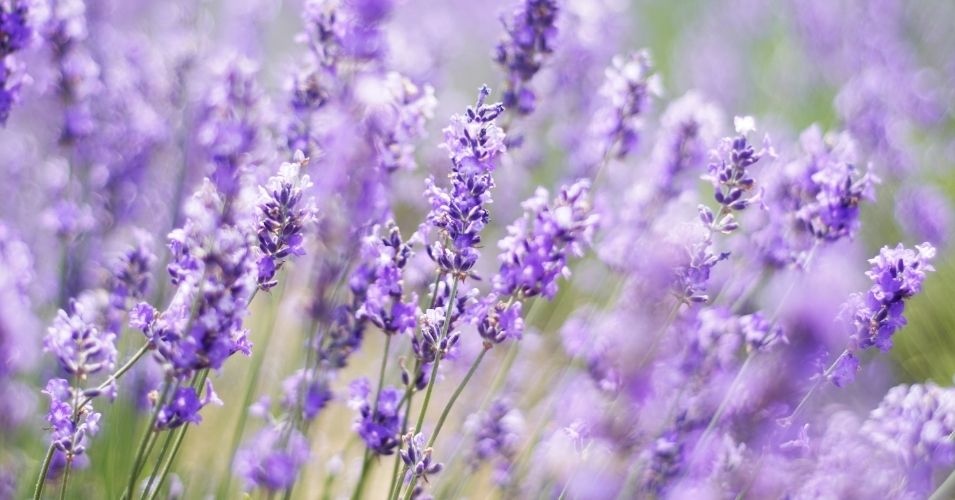
Lavender is a favorite in many gardens, known for its fragrance, silvery foliage, and clusters of purple blooms that attract pollinators.
Yet as fall progresses and winter sets in, lavender becomes vulnerable to cold winds, freezing temperatures, and excessive moisture that can lead to root rot.
Overwintering lavender properly ensures that this Mediterranean native plant survives the harsh months and returns healthy in spring.
With the right preparation and protection, you can enjoy years of beauty and fragrance from your lavender plants without losing them to winter stress.
Cut Back Lavender in Fall
As summer fades and lavender’s blooms begin to dry, the plant slowly shifts into dormancy. Fall is the right time to cut back lavender, but this process must be done with care.
Cutting back not only shapes the plant but also prepares it to withstand the weight of snow, cold winds, and damp conditions that winter brings. If left untrimmed, the plant can become woody, leggy, and more vulnerable to winter injury.
The key to fall pruning is moderation. Unlike some perennials that can be cut down to the ground, lavender should never be trimmed too harshly. Removing too much foliage or cutting into old woody stems can harm the plant and slow its recovery in spring.
Instead, cut back about one third of the current year’s growth, focusing on green, flexible stems while avoiding the hardened wood at the base. This approach helps the plant maintain a compact, mounded form that resists snow damage.
Timing is equally important. Wait until after the last flush of blooms has faded and cooler temperatures signal the start of dormancy. Trimming too early may encourage fresh growth that will be killed by frost.
Waiting too late, however, may leave the plant unpruned when winter arrives, making it more prone to breakage. A good rule of thumb is to cut back lavender in early to mid-fall, depending on your region’s climate.
Be sure to use clean, sharp shears for trimming to avoid tearing stems or introducing disease. As you cut, remove any dead or damaged branches to reduce the risk of rot and fungal problems over the winter months. Tidying up the plant also improves airflow around the crown, which helps prevent moisture buildup.
Cutting back lavender in fall is a gentle but vital task. By trimming carefully and at the right time, you encourage a healthier shape, reduce winter stress, and prepare the plant for a strong and fragrant revival in spring.
Mulch to Protect the Roots
Lavender’s roots are particularly sensitive to cold and moisture, making mulching a critical step in overwintering.
While lavender is hardy, it originates from dry, rocky regions of the Mediterranean, so its natural environment is quite different from the cold, wet conditions many gardens face in winter.
Adding mulch provides insulation that helps regulate soil temperatures and protects the crown from repeated freezing and thawing.
The best time to apply mulch is after the first frost, once the ground has begun to cool but before it freezes solid. This timing allows the plant to enter dormancy naturally before insulation is applied. If mulch is added too early, it can trap warmth and moisture, potentially causing rot or delaying the plant’s natural rest cycle.
Organic mulch materials are most effective. Options like straw, pine needles, shredded bark, or dry leaves work well to insulate lavender. Spread a layer about three to four inches thick around the base of the plant, taking care to keep mulch a couple of inches away from the crown.
Covering the crown directly can lead to moisture buildup and fungal diseases, which are especially dangerous for lavender. Instead, create a protective ring that shields the root zone while keeping the crown dry.
In regions with severe winters, extra measures may be needed. Gardeners often add evergreen boughs or breathable frost cloth over the mulch layer to provide additional insulation.
These coverings protect against icy winds and deep freezes while still allowing air to circulate. For young lavender plants with shallow root systems, this extra protection can mean the difference between survival and winter loss.
Mulch does more than protect against cold. It also helps conserve soil moisture during dry winter spells and prevents frost heave, which can push roots out of the ground. As the mulch breaks down, it enriches the soil with organic matter, benefiting the plant in the long run.
By mulching carefully and thoughtfully, you create a protective barrier that shields lavender’s delicate roots from the harshest conditions. This simple step ensures that your plants rest safely through winter and return strong, fragrant, and full of life in spring.
Shelter Plants in Harsh Winters
In regions with especially cold winters, lavender needs more than trimming and mulch to make it through the season. While some varieties, such as English lavender, are naturally more cold hardy, others like French or Spanish lavender are far more vulnerable to freezing temperatures.
Providing shelter during harsh winters gives the plants a fighting chance against prolonged frost, icy winds, and heavy snow that can break branches or damage the crown.
One simple yet effective method is to cover lavender with a breathable material such as burlap or garden fleece. These coverings help block the worst of the wind while still allowing air circulation, which is critical to prevent moisture buildup.
Plastic should never be used as a cover, since it traps moisture and creates conditions that can lead to rot. Burlap, on the other hand, offers insulation without suffocating the plant.
For added protection, many gardeners build a small frame around their lavender and drape the cover over it. This prevents the material from weighing down on the plant and allows air to move freely. Frames made from stakes or chicken wire are inexpensive and easy to assemble, yet they provide reliable support for winter coverings.
Snow itself can function as natural insulation, keeping soil temperatures stable beneath its blanket. However, relying solely on snow is risky since coverage can be inconsistent.
In areas where snow comes and goes, alternating between bare soil and deep freezes, lavender can suffer. Combining mulch at the base with a protective cover above ensures the plant remains shielded no matter what the conditions.
Young plants, or those grown in containers, are especially vulnerable in harsh winters. Container lavender can be moved to a sheltered spot such as an unheated garage, shed, or cold frame, where temperatures stay cold but not freezing. This prevents the roots from being exposed directly to severe cold while still allowing the plant to remain dormant.
By sheltering lavender thoughtfully, you give it the protection needed to withstand even the most unforgiving winters. This effort preserves its structure and safeguards the crown, ensuring it will reemerge healthy when spring finally brings warmth back to the garden.
Avoid Overwatering Before Dormancy
While many plants need consistent watering to prepare for winter, lavender is not one of them. In fact, one of the greatest risks to lavender in fall and winter is overwatering.
As a plant native to dry, rocky Mediterranean hillsides, lavender prefers lean conditions with sharp drainage. When excess water lingers in the soil as temperatures drop, the roots can become waterlogged and prone to rot, often killing the plant before spring arrives.
As the growing season winds down in late summer and early fall, it is important to reduce watering gradually. The plant should not be forced into drought stress, but the soil should be allowed to dry slightly between waterings.
This helps signal the plant to slow its growth and prepare for dormancy. Continuing to water heavily in fall only encourages tender new shoots, which are more vulnerable to frost and will not survive the winter.
If your lavender is planted in heavy clay or poorly draining soil, the risk of winter rot increases. Amending soil with sand, gravel, or organic matter improves drainage, but in fall it may also help to mound soil slightly around the plant to encourage water to run off rather than pool at the crown.
Raised beds or sloped planting areas are particularly effective at keeping lavender roots dry through winter rain and snow melting.
For container grown lavender, controlling water is even more critical. Containers can trap water around the roots, especially if drainage holes become blocked.
As fall approaches, check that the container drains freely and reduce watering frequency. Placing containers under cover, such as on a porch or in a cold greenhouse, also protects them from excess rainfall.
During winter dormancy, lavender requires little to no additional water, particularly if natural rainfall or snow provides moisture. The goal is not to keep the soil wet, but to prevent it from becoming soggy.
By avoiding overwatering before dormancy, you help lavender settle into a natural resting state without stress or rot. This careful balance ensures the roots remain healthy and ready to push out vigorous new growth when the warmth of spring returns.
Prepare for Spring Revival
As winter loosens its grip and the soil begins to warm, lavender slowly awakens from its dormancy. The steps you take at this point are just as important as the protection given in fall, because they determine how well the plant transitions back into active growth.
Preparing lavender for spring revival is about removing the layers of winter care, encouraging healthy shoots, and giving the plant the nutrition and environment it needs to thrive again.
The first task is to carefully remove any winter protection. Mulch that was applied in fall should be thinned gradually once the threat of hard frost has passed.
Pulling it back too early can expose crowns to sudden cold snaps, while leaving it on too long may delay warming and trap excess moisture. A gradual approach allows the soil to warm steadily and helps the plant adjust naturally to the changing conditions.
If you used burlap or other coverings during winter, these should also be removed once the weather stabilizes. Lavender does not like to stay damp, and leaving covers on during spring rain can create problems. Removing them at the right time ensures the plant receives sunlight, airflow, and warmth, all of which it needs to break dormancy.
Spring is also the ideal time for pruning. While heavy pruning should not be done in fall, early spring is the perfect season to cut lavender back more significantly.
Trim stems down to just above the woody base, removing any winter damage and encouraging the growth of fresh, green shoots. This hard pruning helps maintain a compact, bushy shape and supports a fuller flush of flowers later in the season.
Fertilizing in spring provides lavender with the nutrients needed to fuel growth. A light application of balanced fertilizer or compost around the base of the plant gives it an early boost. Avoid overfeeding, as lavender prefers lean soils and too much fertilizer can reduce its fragrance and flower production.
Weeding around the lavender early in spring ensures it does not face competition for nutrients and water. If your lavender is container grown, this is also a suitable time to repot into fresh soil if it has become root bound.
By guiding lavender through these steps, you prepare it for a season of robust growth, abundant blooms, and rich fragrance. Spring revival is the reward for careful overwintering, as your plants awaken refreshed and ready to fill the garden with beauty once more.
Final Thoughts
Overwintering lavender is a blend of patience, timing, and gentle care.
By cutting back in fall, insulating roots with mulch, offering shelter in harsh winters, and avoiding excess water, you help this Mediterranean herb survive the cold months without stress.
When spring arrives, gradual mulch removal, pruning, and light feeding encourage lavender to grow back strong and healthy. Each step builds on the last, creating a cycle of protection and renewal.
With the right seasonal care, lavender will reward you year after year with fragrant blooms, silver foliage, and the timeless charm that makes it one of the most cherished plants in the garden.