
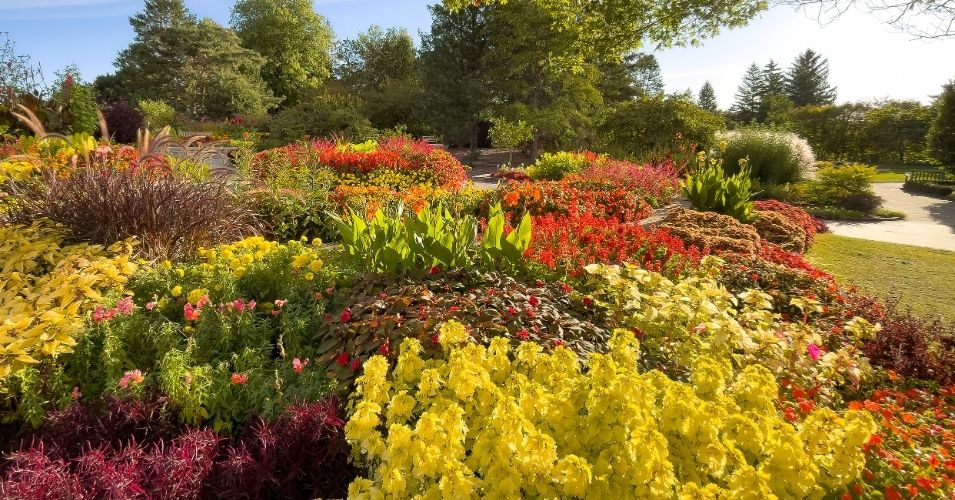
Fall is often seen as the winding down of the gardening season, but in truth, it is one of the best times to put new plants in the ground. Cooler temperatures, softer sunlight, and increased rainfall create ideal conditions for roots to establish themselves before winter.
By planting in fall, you give your garden a head start for the next growing season, ensuring stronger, healthier plants that require less care in the spring.
Choosing the right plants for fall can bring immediate color to your yard while also laying the foundation for a thriving landscape in the year ahead.
Pansies
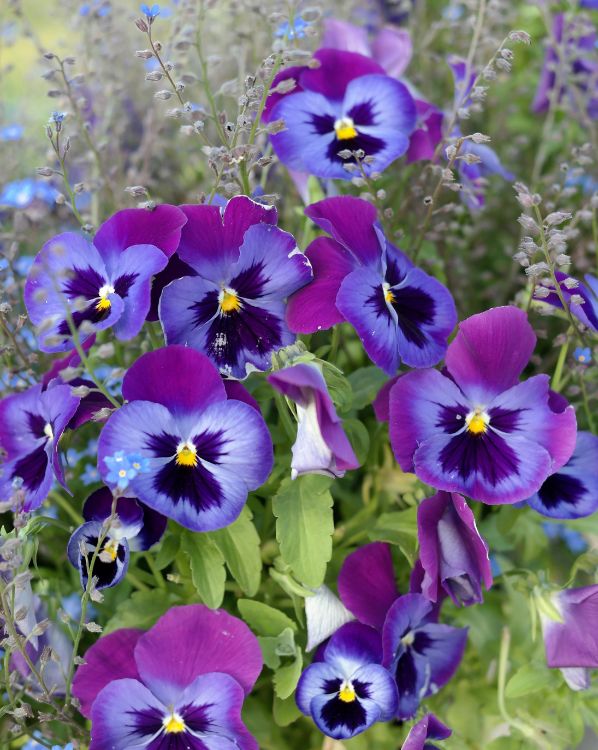
Pansies are one of the most popular flowers to plant in the fall because they bring instant bursts of color to a garden just as many summer flowers are fading.
Their cheerful faces come in shades of purple, yellow, orange, red, and blue, making them a vibrant choice for beds, borders, and containers.
Planting pansies in fall allows them to settle their roots into the cool soil, and this head start helps them bloom strongly not only in the fall but also again when spring arrives. Few plants provide such long-lasting color across two seasons.
The cooler temperatures of fall are especially beneficial to pansies. Unlike many summer flowers that wilt in the heat, pansies thrive in crisp air. They can tolerate light frosts and often continue blooming even as the first chills of the season set in.
This makes them reliable when other plants are beginning to fade. Their ability to withstand cooler weather means gardeners can enjoy splashes of color in their landscapes long after most blooms are gone.
Another reason pansies are excellent fall plants is their versatility. They can be tucked into almost any garden setting, whether as edging along walkways, filler in flower beds, or vibrant additions to porch containers.
Their compact size allows them to fit neatly between perennials or shrubs, creating layers of color. Gardeners also appreciate their minimal maintenance needs, as pansies require only moderate watering and occasional deadheading to keep flowers looking fresh.
Pansies are not only beautiful but also surprisingly hardy. In many regions, fall-planted pansies survive the winter under a blanket of snow and return with vigorous blooms in early spring.
Their resilience makes them a smart investment for gardeners who want color that lasts across multiple seasons. By planting pansies in the fall, you ensure that your garden remains lively, cheerful, and inviting when much of the landscape has already gone quiet.
Kale
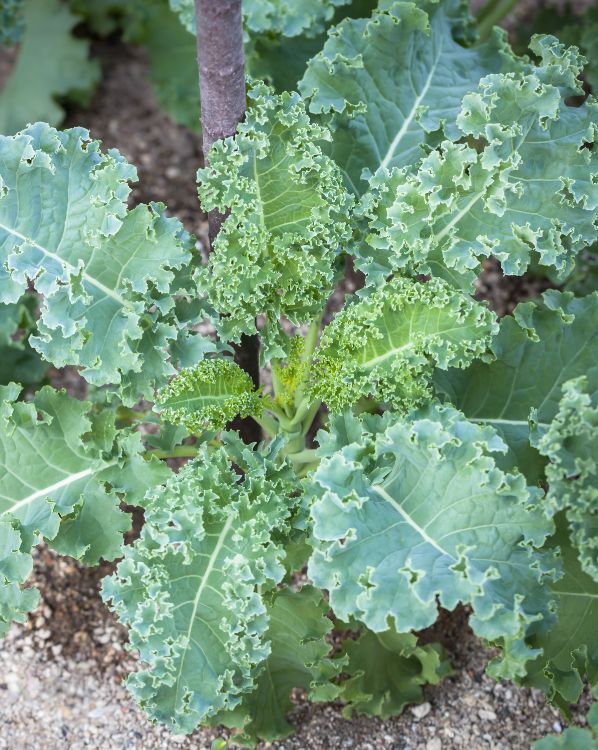
Kale is one of the best vegetables to grow in the fall because it thrives in cooler weather and even improves in flavor after frost. Unlike many greens that wilt or turn bitter as temperatures drop, kale becomes sweeter and more tender when exposed to chilly nights.
This resilience makes it a valuable crop for gardeners who want fresh, nutritious produce late into the season. With its ruffled leaves and rich green, purple, or bluish hues, kale also adds ornamental beauty to garden beds.
Fall-planted kale grows quickly in the cooler air, establishing strong roots and sturdy leaves. Because it is not stressed by heat, kale avoids many of the pests and diseases that often plague summer crops.
Cabbage worms and aphids, for example, are less active in fall, allowing kale to flourish with fewer problems. This means gardeners can enjoy healthier plants with less effort, making kale a rewarding choice for fall planting.
Kale’s nutritional value is another reason it deserves a place in the fall garden. Packed with vitamins A, C, and K, along with calcium and iron, it is a powerhouse vegetable that can be harvested continuously throughout the season.
Gardeners can pick individual leaves as needed, allowing the plant to keep producing until deep winter in many areas. In milder climates, kale often survives the entire winter and resumes growth again in early spring, providing an extended harvest.
Another advantage of kale is its versatility in the kitchen. From fresh salads and smoothies to soups and stir-fries, kale can be enjoyed in countless dishes. The fact that it grows so well in the fall makes it easy to keep a steady supply of greens at a time when many other vegetables are no longer available.
Kale combines beauty, nutrition, and reliability, making it one of the must-grow plants for fall gardens. Whether grown for its health benefits, its cold tolerance, or its ornamental appeal, kale stands out as a crop that continues giving even as the seasons shift toward winter.
Garlic
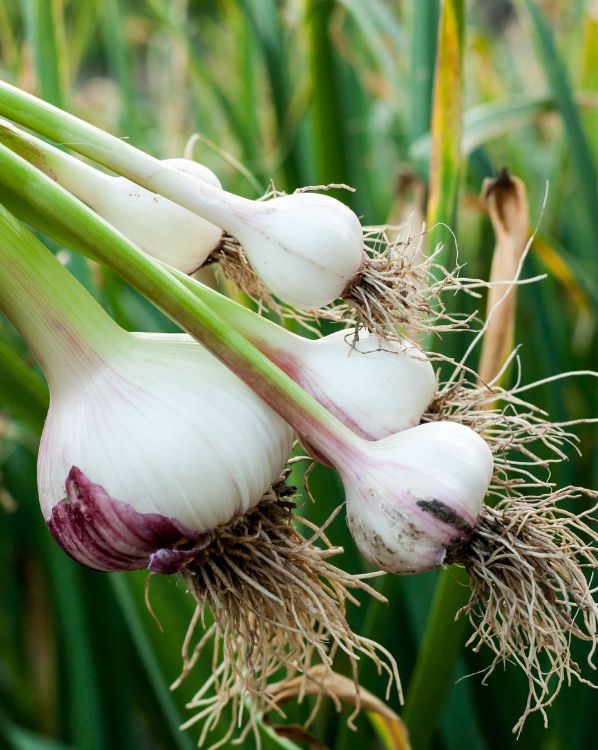
Garlic is one of the most rewarding crops to plant in the fall because it needs the cool weather to establish its roots before winter. By planting cloves in fall, you give them several months to grow underground, ensuring strong and healthy bulbs the following summer.
Unlike many other vegetables, garlic thrives on this long growing season, making fall planting the best way to achieve large, flavorful heads.
The cooler soil of fall allows garlic to focus on root development rather than leaf growth. This underground preparation ensures that when spring arrives, the plants can channel their energy into producing sturdy green shoots and large bulbs.
Without this period of root establishment, garlic planted in spring often results in smaller or weaker harvests. Fall planting is the key to producing those big, full cloves that home gardeners love.
Another reason garlic belongs in the fall garden is its resilience. Once planted, it requires little attention through winter. The cloves sit quietly in the soil, insulated by mulch and protected from the harshest cold.
In fact, the cold weather helps garlic by triggering the natural process that divides each clove into a head full of individual segments. This chilling period is essential for proper bulb formation.
Garlic also fits well into a crop rotation plan. It can be planted in beds that would otherwise sit empty during winter, ensuring that your garden space is productive year-round.
Since it is harvested in midsummer, garlic frees up room for another crop later in the growing season, making it efficient for small or large gardens alike.
Beyond its garden benefits, garlic is prized for its culinary and medicinal uses. Its rich, pungent flavor adds depth to countless dishes, while its natural compounds are known for supporting immune health.
Growing your own garlic means you can enjoy both fresh green garlic in spring and fully cured bulbs for storage. By planting garlic in fall, you are investing in one of the most dependable and rewarding crops a garden can produce.
Chrysanthemums
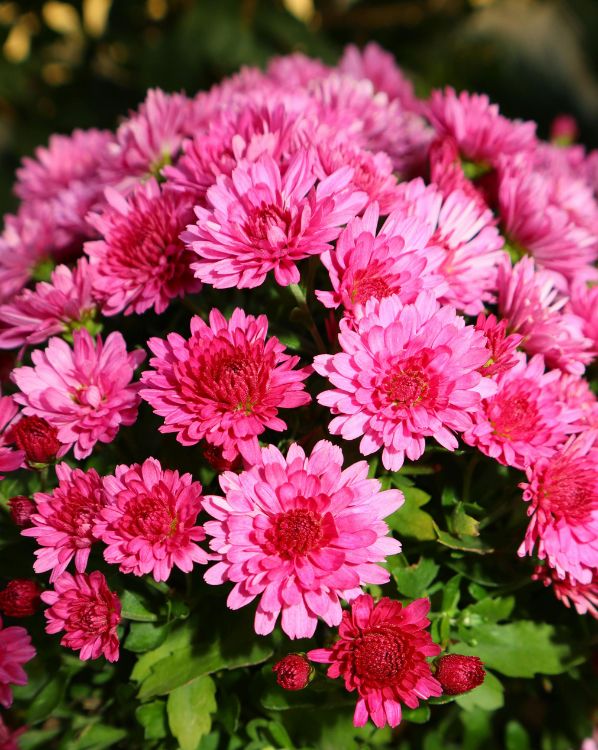
Chrysanthemums, often called mums, are among the most iconic flowers of fall. Their vibrant blooms fill gardens and porches with color just as many other plants are fading.
Available in shades of red, orange, yellow, pink, and purple, chrysanthemums bring warmth and cheer to the cooling season. They are a must-grow plant in fall because they extend the floral beauty of the garden well past summer, often lasting until the first frost.
One reason chrysanthemums are perfect for fall is their ability to handle cooler temperatures. Unlike many summer flowers that decline once the air turns crisp, mums thrive in these conditions.
Their blooms are long-lasting, holding their shape and color even as nights grow colder. This durability makes them a dependable source of color when most other flowers have already faded away.
Chrysanthemums are also versatile in the landscape. They can be planted directly in garden beds, used to create borders, or displayed in containers on porches and patios.
Their mounded shape makes them ideal for creating neat, colorful displays, and they combine beautifully with pumpkins, ornamental cabbages, and other fall decorations. Whether you prefer bold single-color plantings or a mix of shades, mums adapt easily to your design style.
Another benefit of chrysanthemums is their role as pollinator-friendly plants. Even late in the season, they provide nectar for bees and other insects preparing for winter. By planting mums, you are not only adding beauty but also supporting beneficial wildlife in your garden.
Chrysanthemums are available as both annuals and perennials. While many people purchase them for seasonal displays, perennial varieties can return year after year if planted early in fall and given time to establish roots before the ground freezes. This makes them a valuable addition for gardeners who want lasting beauty each fall.
With their bold colors, cold tolerance, and versatility, chrysanthemums deserve a place in every fall garden. They provide the final flourish of the season, ensuring that your outdoor spaces remain bright and welcoming even as the days grow shorter and the air becomes chilly.
Spinach
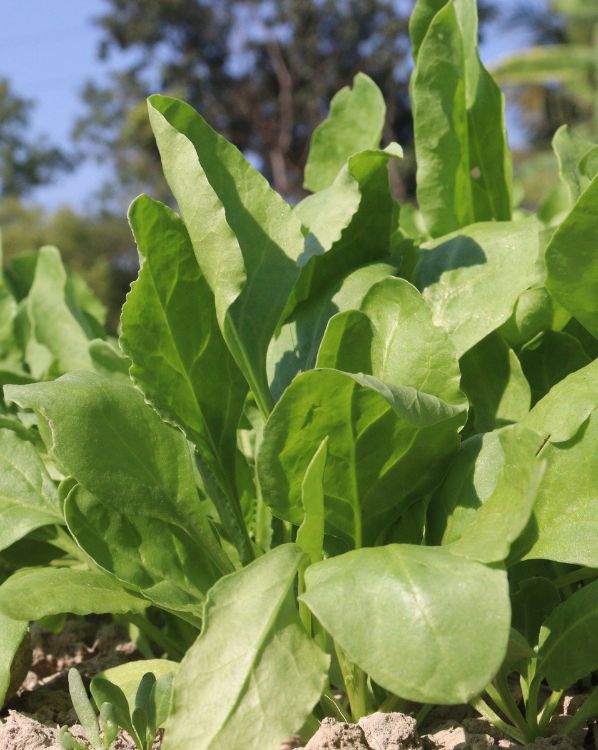
Spinach is one of the easiest and most reliable vegetables to plant in the fall, and it rewards gardeners with a steady supply of tender leaves well into the cooler months. This leafy green thrives in the crisp air of fall, where other vegetables begin to fade.
The shorter days and lower temperatures allow spinach to grow without the stress of heat, resulting in sweeter and more flavorful leaves. Fall planting ensures that you have access to fresh greens at a time when gardens often look less productive.
One of the greatest advantages of spinach is its cold tolerance. While many vegetables stop growing as frost approaches, spinach can survive light frosts and even freezing conditions with minimal protection.
In some climates, it continues producing leaves throughout winter, especially if covered with mulch or a row cover. This makes spinach a valuable addition to the fall garden, as it extends the harvest season far beyond what most crops can offer.
Spinach also matures quickly, often ready for harvest within just a few weeks of planting. This rapid growth makes it possible to enjoy multiple sowings during fall, keeping a continuous supply of greens on hand.
Gardeners can harvest the outer leaves as needed, allowing the plant to keep producing, or they can cut entire plants for larger harvests. This flexibility makes spinach a versatile crop for both small gardens and larger beds.
Nutritionally, spinach is a powerhouse. Rich in vitamins A, C, and K, as well as iron, calcium, and folate, it provides a boost of nutrients at a time when fresh produce from the garden becomes less common.
Having spinach available in fall and early winter means you can enjoy healthy, homegrown food while supermarket greens may be shipped from far away.
Spinach is also easy to incorporate into meals. From fresh salads to warm soups and stir-fries, it adapts to countless dishes. Planting spinach in the fall ensures that you have a reliable and versatile ingredient for your kitchen, one that thrives in the very season when other crops slow down.
Final Thoughts
Fall is often overlooked as a prime planting season, but it offers some of the best conditions for growing strong and healthy plants.
Pansies, kale, garlic, chrysanthemums, and spinach each bring unique benefits, from vibrant color to nutritional value and long-lasting harvests.
By choosing these plants for your fall garden, you extend the season of productivity and beauty well past summer. Cooler weather, consistent moisture, and fewer pests all work in your favor during fall planting.
With thoughtful planning and the right choices, your fall garden can remain full of life, providing color, food, and resilience as the year draws to a close.