
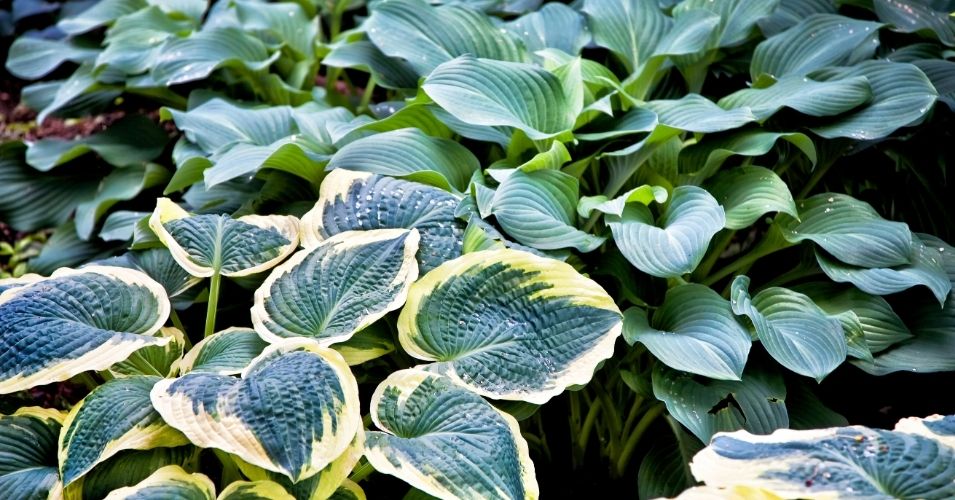
Hostas are treasured for their lush leaves, graceful shapes, and ability to thrive in shady spaces where other plants struggle. Their striking foliage can transform a quiet corner into a vibrant display, but hostas look their best when paired with the right companions.
Surrounding them with plants that complement their color, texture, and growth habits creates a garden that feels layered, balanced, and alive.
Choosing companion plants for hostas is not only about style. It is also about function, since companions can provide contrast, seasonal interest, and even protection from pests.
With thoughtful choices, you can make hostas the centerpiece of a thriving and harmonious garden.
Ferns
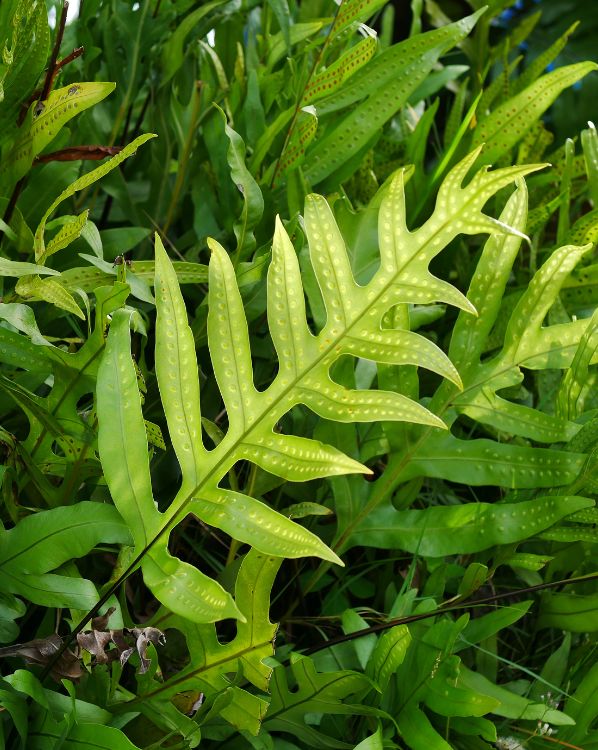
Ferns are among the most natural and graceful companions for hostas, blending effortlessly into the same shaded environments where hostas thrive. Their finely divided fronds create a soft, feathery texture that contrasts beautifully with the broad, bold leaves of hostas.
This pairing creates a balanced and layered garden display that feels lush and inviting. Together, they bring depth to shady borders, woodland gardens, or areas where sunlight is limited.
One of the best qualities of ferns is their adaptability. Many fern varieties are hardy and tolerate the same moist, well-drained soil that hostas prefer. They flourish in partial to full shade, making them an ideal match for hostas that dislike too much direct sun.
When planted together, ferns and hostas share the same growing conditions without competing aggressively for resources. This makes it easy for gardeners to maintain a thriving and healthy bed.
The color contrast between ferns and hostas also adds visual interest. Ferns usually display shades of deep green or silvery tones, while hostas range from light chartreuse to dark blue-green, often with variegated patterns.
This variety of shades creates a striking tapestry of foliage, ensuring that even without flowers, the garden remains vibrant. The light, airy look of fern fronds softens the bold appearance of hostas, creating a perfect balance of strength and delicacy.
There are many types of ferns to consider as hosta companions. Japanese painted ferns, with their silvery gray and purple-tinted fronds, provide unique color that stands out beside the bold greens of hostas.
Lady ferns and ostrich ferns add height and drama, arching over hostas and creating a layered, natural woodland feel. Smaller ferns like maidenhair offer delicate textures that highlight the sturdier leaves of hostas. Each choice contributes to a more dynamic and varied shade garden.
Ferns also extend the seasonal appeal of a hosta bed. While hostas die back in winter, many fern species retain their structure and presence, offering year-round texture.
Their resilience keeps the garden from looking bare, providing continuity through changing seasons. This makes them not only a visual companion but also a practical one for maintaining interest all year.
By pairing ferns with hostas, you create a garden that feels balanced, natural, and full of life. Their shared growing needs, contrasting forms, and complementary colors make them partners that enhance each other’s beauty.
Together, they turn shaded spaces into captivating landscapes that feel serene and complete.
Astilbes
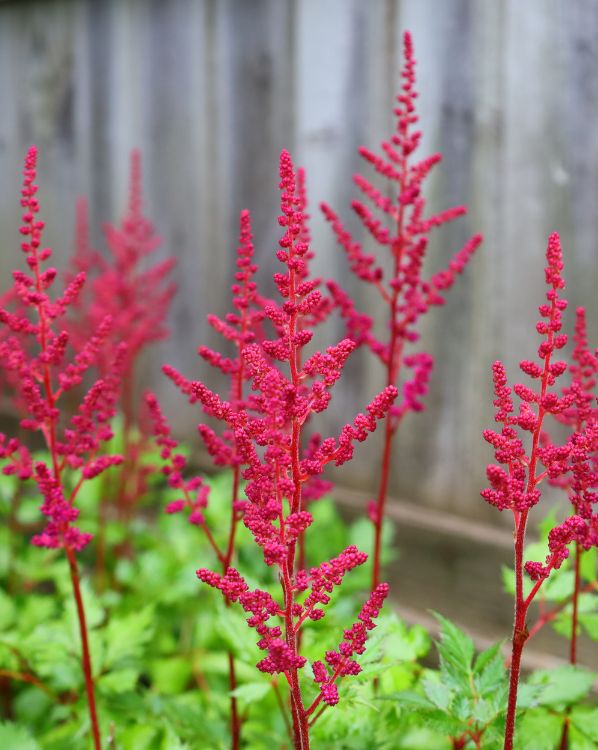
Astilbes are another excellent companion for hostas, adding vibrant bursts of color and airy texture to shady gardens. Known for their tall plumes of feathery flowers, astilbes provide vertical interest that contrasts beautifully with the low, rounded form of hostas.
Like hostas, astilbes prefer moist, well-drained soil and thrive in areas with partial to full shade. Their similar growing requirements make them natural companions, as both plants flourish in the same conditions.
When planted together, they complement one another without competing for space or nutrients. This shared preference simplifies care, making it easier for gardeners to maintain a thriving shade garden.
Astilbes bring seasonal interest that hostas alone cannot provide. While hostas are celebrated for their striking foliage, astilbes contribute a show of color with their summer blooms.
The timing of their flowers creates a dynamic garden display, as the vibrant plumes rise above the leafy hostas, adding dimension and brightness. This combination ensures that your shade garden feels alive with both foliage and flowers throughout the growing season.
The foliage of astilbes is attractive even when the flowers fade. Their finely cut leaves add texture that pairs well with the broad leaves of hostas.
Depending on the variety, astilbe foliage can range from bright green to bronze or even dark reddish tones, which provide striking contrasts against the cool greens and blues of hostas. This layered effect adds richness to your garden design.
Astilbes are also reliable plants for filling gaps and softening borders. Their upright form and showy plumes draw the eye upward, balancing the horizontal spread of hostas. When grouped together, astilbes can create colorful drifts that frame hosta beds, turning shady areas into vibrant focal points.
Another advantage of planting astilbes with hostas is their ability to attract pollinators. Bees and butterflies are drawn to their flowers, bringing movement and life to your garden. This ecological benefit makes the pairing not only beautiful but also supportive of the surrounding environment.
By combining astilbes with hostas, you achieve a shade garden that is both bold and elegant. The sturdy leaves of hostas ground the design, while the colorful plumes of astilbes rise above them, creating layers of interest and charm. This partnership enhances your garden’s beauty, making it a place that feels lush, balanced, and full of character.
Heucheras
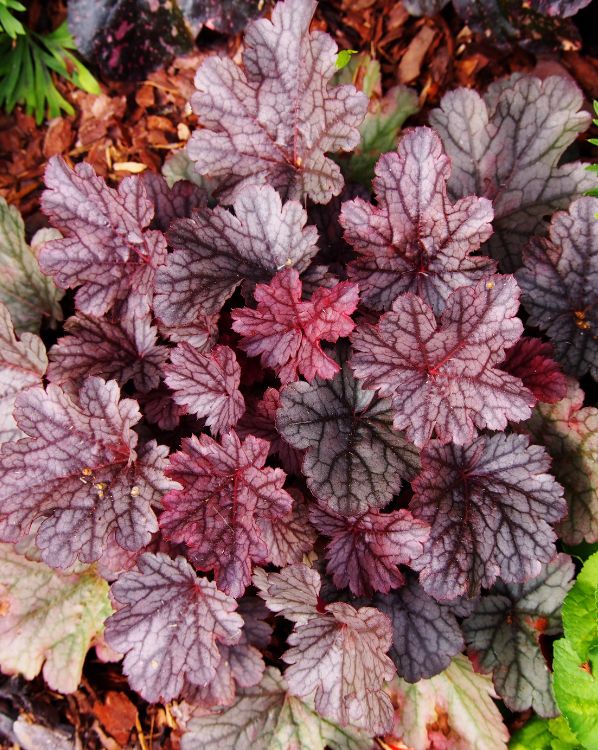
Heucheras, often called alumroot or coral bells, are among the most versatile plants to pair with hostas. Their foliage comes in a dazzling range of colors, from deep purples and burgundies to lime greens, silvers, and even caramel tones.
This rainbow of shades offers a striking contrast to the broad green or blue leaves of hostas. By planting heucheras alongside hostas, you create a dynamic garden bed where bold leaves meet colorful accents, making the shady areas of your garden feel alive and rich with texture.
One of the best qualities of heucheras is their adaptability. They grow well in partial to full shade, which makes them perfectly suited to the same environments hostas love. They also prefer well-drained soil with organic matter, so preparing the bed for both plants is simple.
With similar growing needs, heucheras and hostas thrive together without much extra effort. This makes them an easy choice for gardeners who want a stunning but low-maintenance combination.
The foliage of heucheras provides beauty that lasts through multiple seasons. Unlike hostas, which die back in winter, many heucheras remain semi-evergreen depending on the climate.
This means they continue offering color and structure even as hostas disappear until spring. Their year-round appeal ensures that your garden maintains interest even during the colder months.
Heucheras also contribute delicate flower spikes that rise above their foliage in late spring to early summer. While their flowers are not as dramatic as their leaves, they add a soft charm and attract pollinators such as bees and hummingbirds.
This bonus feature makes heucheras not only decorative but also beneficial for supporting garden wildlife.
The versatility of heucheras allows them to fill multiple roles in a garden design. They can be used as edging plants, colorful fillers between hostas, or accents in containers.
Their smaller size makes them perfect for weaving around the larger mounds of hostas, creating layers of color and form that keep the eye moving.
Pairing heucheras with hostas is about more than just looks. Together, they create a garden that feels balanced, diverse, and inviting. The bold textures of hostas set the stage, while the colorful heuchera foliage acts as highlights, giving your shady garden depth and vibrancy throughout the year.
Pulmonarias
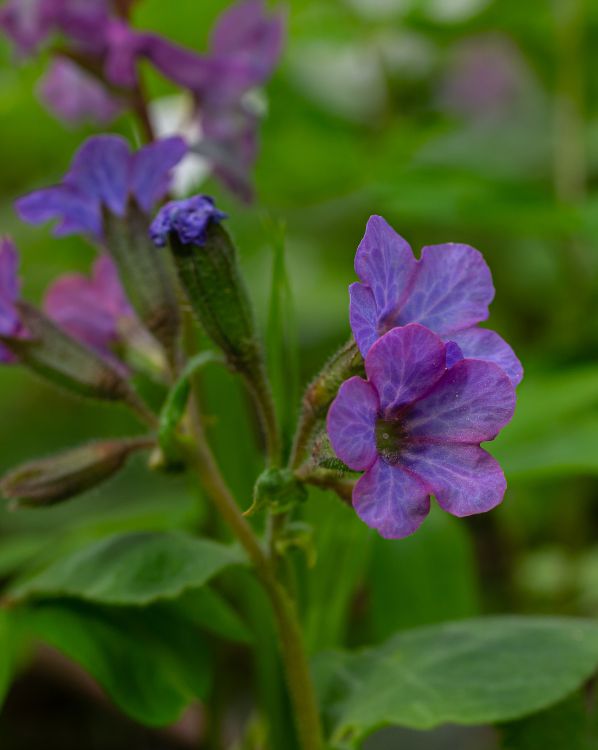
Pulmonarias, also known as lungworts, are charming and reliable companions for hostas. They bring early-season flowers and patterned foliage that light up shaded gardens.
Their spotted or silver-flecked leaves contrast beautifully with the broad, solid foliage of hostas. In spring, clusters of blooms add a cheerful burst of color just as the garden begins to wake up.
Like hostas, pulmonarias thrive in partial to full shade and prefer moist, well-drained soil enriched with organic matter. Their shared growing needs make them an effortless match. Both plants flourish side by side without competing, which makes them dependable partners in any shade garden.
One of the standout features of pulmonarias is their early bloom time. In spring, before many other shade plants have grown in, they produce clusters of flowers in pink, blue, or purple. As the blooms mature, their colors often shift, creating a lively, multicolored effect.
This display pairs beautifully with the fresh, unfurling leaves of hostas and ensures the garden feels colorful from the very start of the season.
Even after the flowers fade, pulmonarias continue to shine with their attractive foliage. Their leaves may be speckled, splashed, or streaked with silver, white, or cream. This brightness lifts shady spaces and highlights the cooler greens and blues of hostas. The combination creates layers of texture and color that feel fresh and harmonious.
Pulmonarias also add practical benefits to a hosta bed. They form dense clumps that function as natural groundcovers, suppressing weeds and keeping the soil cool and moist.
These are the same growing conditions that hostas appreciate. Their toughness and reliability mean they return year after year with little effort from the gardener.
By planting pulmonarias with hostas, you gain a pairing that combines early flowers, season-long foliage interest, and reliable performance. Their speckled leaves and cheerful blooms highlight the bold presence of hostas.
Together, they transform shaded corners into lively, colorful spaces that remain beautiful from spring through fall.
Brunnera
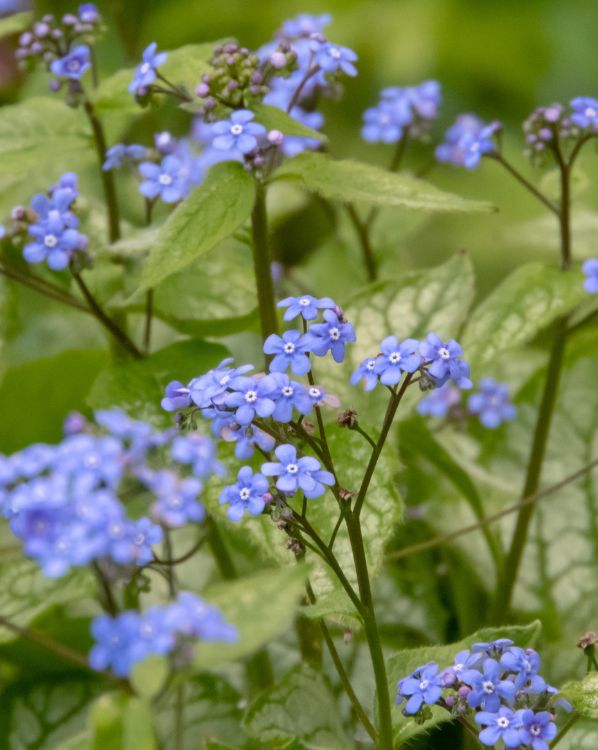
Brunnera, often called Siberian bugloss, is one of the most elegant and dependable companion plants for hostas. Known for its heart-shaped leaves and delicate sprays of blue flowers, brunnera thrives in the same shady and moist conditions that hostas love.
The pairing of these two plants creates a layered, textured garden bed that is both eye-catching and easy to maintain. Brunnera offers both foliage and flowers, giving your shade garden year-round appeal.
One of the standout qualities of brunnera is its foliage. The large, heart-shaped leaves come in striking shades of green, often with silver veining or variegation that glimmers in low light.
These shimmering tones contrast beautifully with the bold greens, blues, and variegated patterns of hostas. Together, they form a tapestry of leaves that feels lush and vibrant, adding depth and elegance to any shaded corner.
In spring, brunnera produces delicate sprays of small blue flowers that resemble forget-me-nots. These airy blooms rise above the foliage, providing a burst of color at a time when hostas are just beginning to unfurl their leaves.
This timing creates a seamless transition in the garden, ensuring that something beautiful is always in bloom or growing. By combining brunnera with hostas, you achieve a garden bed that looks alive from early spring through late fall.
Brunnera’s growing needs match hostas almost perfectly. Both plants prefer moist but well-drained soil, and both thrive in areas of partial to full shade.
Adding compost or organic matter before planting benefits both species, making it easy to prepare a single bed that supports them equally well. Their compatibility means less effort for the gardener and healthier plants overall.
Another advantage of brunnera is its ability to maintain visual interest throughout the growing season. Even after the flowers fade, the silver-speckled foliage remains fresh and attractive until frost.
This long-lasting appeal helps fill the gaps left when hosta foliage begins to recede in fall. The combination of hostas and brunnera ensures your shade garden never looks bare or neglected.
Brunnera also makes an excellent edging plant, creating a soft border around larger hosta mounds. Its slightly smaller size and delicate texture highlight the bold presence of hostas, creating balance in design. This natural layering effect makes the garden feel more complete and harmonious.
By planting brunnera with hostas, you gain a companion that complements both the appearance and the growing needs of your hostas. The shimmering leaves, early flowers, and steady resilience of brunnera make it an ideal partner in creating a shady garden that remains vibrant and inviting through every season.
Final Thoughts
Choosing the right companion plants for hostas transforms shaded areas into gardens full of depth, variety, and lasting appeal.
Plants like ferns, astilbes, heucheras, pulmonarias, and brunnera bring color, texture, and seasonal interest that enhance the natural beauty of hostas. Each one adds something unique, whether it is vibrant foliage, graceful flowers, or year-round structure.
By pairing hostas with these companions, you create a garden that feels balanced and alive in every season. The contrast of textures and colors ensures that shaded spaces never look dull.
With thoughtful combinations, hostas become the centerpiece of a thriving and harmonious garden that continues to delight year after year.