
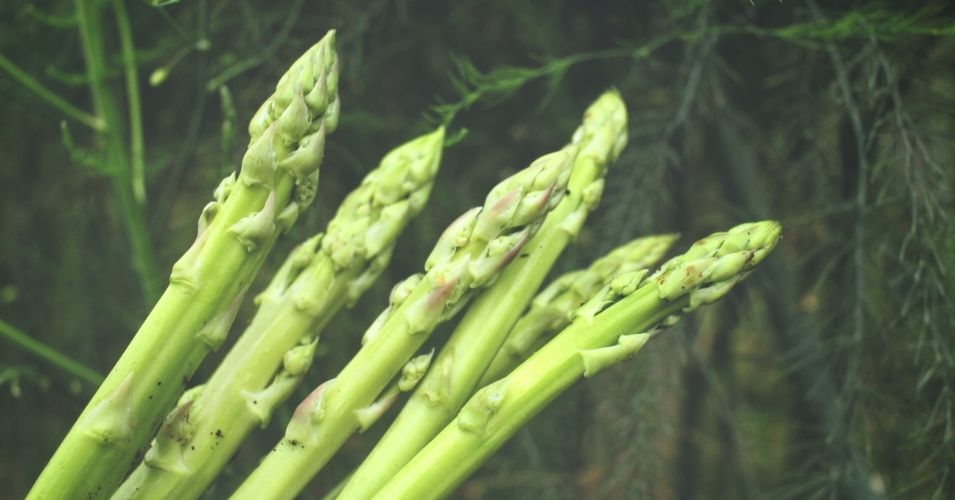
Asparagus is one of the most rewarding crops you can grow in your garden. Once established, it comes back year after year, offering tender green spears that signal the start of spring. But to keep it producing strong, flavorful harvests, asparagus needs the proper care during winter.
When the cold sets in, your asparagus plants rest beneath the soil, storing energy for next season. How you treat the bed now determines how well it bounces back.
With a few simple steps, you can protect your asparagus roots, prevent disease, and set the stage for another season of abundant growth.
Understand What Happens to Asparagus in Winter
Asparagus is a perennial crop, meaning it keeps coming back year after year. Unlike annual vegetables that die completely at the end of each season, asparagus spends winter resting quietly beneath the soil. This resting phase is not just downtime for the plant. It’s an essential part of its natural cycle that allows it to recover and prepare for vigorous spring growth.
During the growing months, asparagus sends up tall green ferns that look feathery and delicate but are incredibly important. Those ferns capture sunlight and feed the plant’s root system through photosynthesis. By the end of the season, the energy they’ve collected gets stored in the underground crowns and roots. When the weather turns cold, the plant’s visible parts begin to yellow and dry. That’s your signal that the plant is going dormant.
As the temperatures drop, the ferns turn brown and brittle. This is entirely normal and a sign that the plant has finished its active growth period. The real life of the asparagus plant now exists below the surface. The crowns enter a resting state, protected by the soil above them. During this time, they conserve all the nutrients and sugars accumulated during the summer.
Winter is when your asparagus bed essentially recharges. The cold weather slows everything down, and the plant focuses on preserving its stored energy. It doesn’t need much from you during this stage, but it does rely on your protection. Proper winter care helps prevent frost damage and keeps crowns safe from rot or pests that might take advantage of the quiet season.
If you’ve ever wondered why asparagus grows so vigorously in spring, this is the reason. The months of rest underground are what make those first spears so full of flavor and strength. Understanding this natural rhythm helps you plan your care accordingly. Instead of worrying when your plants turn brown, recognize it as a healthy sign of renewal. Winter might look like the end of the asparagus season, but it’s actually the beginning of next year’s harvest in disguise.
Clean Up the Bed and Cut Back the Ferns
Once you see your asparagus ferns begin to yellow and turn brown, it’s time to start preparing the bed for winter. Proper cleaning not only keeps your garden tidy but also helps protect your plants from disease and pests that can persist through the cold months. The steps you take now will make a noticeable difference when spring arrives and your asparagus starts to grow again.
Begin by waiting until the ferns have completely died back. You’ll know they’re ready when they’re dry, crisp, and brown from top to bottom. Cutting them too early can rob the plant of valuable energy that’s still being transferred to the roots. Once they’re scorched, take a pair of clean garden shears and cut the ferns down to about two inches above the soil. Dispose of the cut material rather than leaving it in the bed.
The reason for removing the dead ferns is simple: they can harbor pests and fungal spores that survive winter and reappear when the weather warms. Beetles, in particular, like to lay eggs on the old foliage, and these can quickly multiply come spring. Removing and discarding the dead ferns breaks that cycle before it starts.
After cutting back, rake away any leftover debris, weeds, or fallen leaves. Keeping the asparagus bed clean reduces the risk of mold and allows air to move freely around the soil. This cleanup step also gives you a chance to inspect the crowns and soil surface. Look for any signs of rot, such as a sour smell or soft, mushy spots, and gently remove anything unhealthy before covering the area for winter.
If your garden tends to retain moisture, consider raising the bed slightly or ensuring it drains well. Standing water can lead to crown rot, one of the few serious problems asparagus faces during the dormant season.
Once your bed is trimmed and tidy, your plants are ready for their protective winter covering. The cleanup may feel simple, but it’s one of the most essential parts of asparagus care. By removing what’s old and diseased, you give your plants the best possible chance to rest safely through the cold and return even stronger next spring.
Protect the Crowns with Mulch and Moisture Control
Once your asparagus bed is cleaned and trimmed, the next essential step is to protect the crowns during winter. These underground storage centers are the heart of your asparagus plants. If they freeze or rot, the plant’s ability to grow healthy spears in spring can be seriously affected. Luckily, a layer of mulch and careful attention to moisture will keep them safe until the weather warms again.
Start by checking that your soil drains well. Asparagus prefers soil that stays moist but never soggy. In winter, when the ground is cold and wet, standing water can quickly cause crown rot. If your garden tends to hold water, consider adding a light layer of compost or sand to improve drainage before mulching. Healthy, well-draining soil is the best insurance against problems caused by excessive moisture.
Once the ground begins to cool but before it freezes solid, spread a thick layer of mulch over your asparagus bed. Straw, pine needles, shredded leaves, or compost all make good choices. Aim for about four to six inches of coverage. This mulch acts as insulation, keeping soil temperatures more stable and preventing crowns from freezing during sudden cold snaps. It also protects the roots from heaving, which happens when soil repeatedly freezes and thaws.
As the mulch settles, it will also help maintain the proper moisture level. It keeps rain from compacting the soil and prevents too much evaporation on milder days. The goal is to keep the crowns slightly damp but never wet for long periods. If your region gets heavy rain or snow, check periodically to make sure the mulch isn’t packed down too tightly, which could trap moisture beneath it. Gently fluff it if needed to allow airflow.
In very cold areas, you can add an extra layer of mulch once the ground is fully frozen. This locks in the soil temperature and protects against deep frost. However, remove or thin this top layer early in spring once the weather begins to warm. Leaving heavy mulch on too long can delay new growth or lead to soggy conditions as the snow melts.
Mulching and moisture control might seem like simple steps, but they are the most effective way to ensure your asparagus crowns stay healthy through winter. Think of this covering as a warm, breathable blanket for your plants. It keeps the cold out, balances moisture, and helps the bed rest peacefully until the first signs of spring signal it’s time to grow again.
Watch for Pests and Diseases Hiding in the Cold
Even though your asparagus bed looks quiet in winter, not everything in the soil is asleep. Some pests and diseases take advantage of the cold season to hide and wait for warmer weather. Keeping an eye out for these hidden threats during winter helps you stay one step ahead and ensures your plants start spring strong and healthy.
One of the main pests to watch for is the asparagus beetle. These small insects lay their eggs on the ferns during the growing season, and their larvae feed on the plants, causing damage to both the spears and the foliage. Even after you cut the ferns back, beetles can overwinter in garden debris or in the mulch layer. That is why thoroughly cleaning the bed before adding mulch is so important. Removing old ferns and leaves eliminates most of their hiding spots.
If you have had issues with beetles in the past, you can take extra precautions. In early winter, turn over the top layer of soil gently with a garden fork. This disturbs any eggs or pupae that might be waiting beneath the surface, exposing them to cold air and predators. You can also check nearby weeds or grassy edges, as beetles often overwinter in those protected areas.
Fungal diseases are another winter concern. Asparagus rust and crown rot can survive in leftover plant debris or wet soil. To prevent these, make sure the bed is clear of old plant matter and that the soil drains well. Mulching helps keep moisture levels steady, but it is essential not to let the bed stay soaked for too long.
If your area experiences very wet winters, consider using compost in your mulch mix. Compost helps balance soil microbes and improves airflow, reducing the chances of disease taking hold. Avoid heavy layers of leaf mulch, as they can mat down and trap moisture against the crowns.
Keep an eye out for signs of animal activity, too. Small rodents sometimes dig into asparagus beds during winter, searching for warmth or leftover roots. A light layer of straw or pine needles can deter them, and keeping the surrounding area tidy makes the bed less appealing for nesting.
The key to managing pests and diseases in winter is prevention. Most problems occur when decaying plant material or stagnant moisture gives them a place to survive. By keeping your bed clean, dry, and well-mulched, you create conditions where your asparagus crowns can rest safely while pests and pathogens have nowhere to hide.
When spring returns, your careful winter watch will pay off with vigorous new shoots, unmarked by pests or disease. It is this quiet attention to detail that separates a struggling asparagus bed from one that produces crisp, healthy spears year after year.
Prepare the Bed for a Strong Spring Return
As winter begins to fade and the ground starts to thaw, your asparagus bed will slowly awaken. The work you did earlier in the season will now show its value. Preparing the bed for spring growth is about removing the protective layers at the right time and giving your plants a head start before the growing season fully begins.
The first step is to pay attention to the weather. As temperatures rise and remain above freezing for several days, it is time to pull back the winter mulch gradually. Do not remove it all at once. Instead, thin it out in layers over a week or two. This helps the soil warm evenly while still protecting the crowns from sudden late frosts. Leaving a light layer of mulch until the danger of frost has completely passed will keep your asparagus crowns safe from unpredictable cold snaps.
Once the mulch is partly removed, check the soil for compaction. A long winter can press down the soil, making it harder for new shoots to push through. Use your hands or a garden fork to gently loosen the top inch or two of soil without disturbing the crowns. This improves airflow and allows water to drain freely, encouraging early, healthy growth.
If you notice any weeds sprouting, pull them right away. Weeds compete for nutrients and can quickly overtake a bed that has been resting all winter. Early weeding makes a massive difference in how strong your asparagus plants grow later in the season.
Now is also the perfect time to give your bed a light feeding. Asparagus plants have been storing energy all winter, but they will soon need a boost to support new spear growth. Spread a thin layer of compost or a balanced organic fertilizer over the soil. This replenishes nutrients lost during the previous growing season and prepares the plants for their active phase.
Inspect your crowns as you work. Healthy asparagus crowns should be firm and plump, with no signs of rot or soft spots. If you find any that are damaged or too crowded, you can divide them once the soil is entirely workable. Replant the divisions about a foot apart to give them plenty of room to grow.
Finally, make sure your bed is ready to retain moisture consistently once spring rains arrive. Check that your garden drains properly and that the mulch left behind allows water to reach the crowns easily. Asparagus likes steady moisture during its growing phase, but the roots should never sit in standing water.
By preparing your bed with care, you help your asparagus transition smoothly from winter rest to spring activity. A clean, nourished, and well-drained bed means your first tender spears will appear firm, sweet, and healthy. The quiet effort you put in now is what ensures a generous harvest in the months ahead.
Final Thoughts
Caring for asparagus in winter is less about constant attention and more about protection and patience.
The plant’s dormancy may seem uneventful, but it is a vital time of recovery. Each action you take, including cleaning the bed, adding mulch, preventing pests, and balancing moisture, supports the hidden life beneath the soil.
When spring returns, your asparagus will reward that care with sturdy shoots and reliable growth. A thoughtful winter routine keeps your plants strong for years, turning each season into another step toward a thriving, productive garden.