
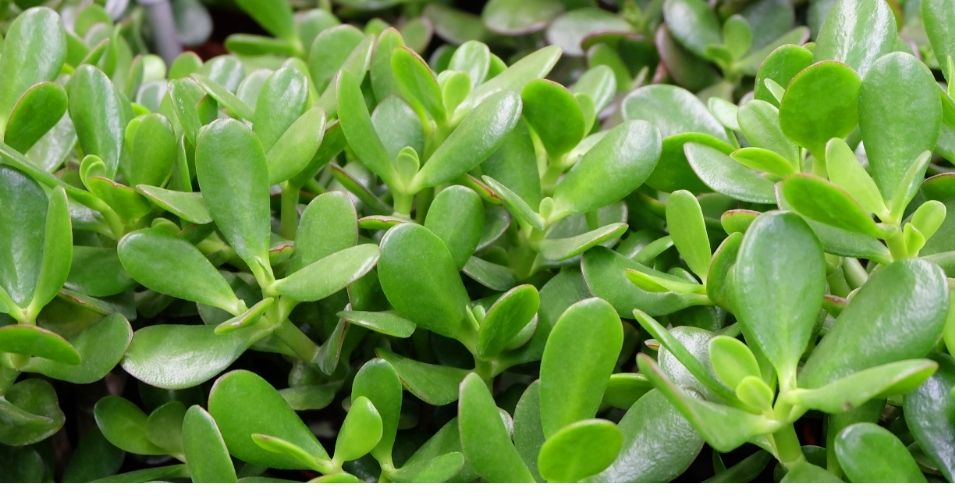
Caring for a jade plant in spring can feel a bit like starting a new chapter for your plant. After the slower pace of winter, longer days and brighter sunlight signal that it is time for growth again.
Jade plants respond quickly to these seasonal changes, which makes spring one of the most important times to adjust how you care for them.
A few small changes in light, watering, and general maintenance can make a big difference in how strong and healthy your plant becomes.
With the right approach, spring can set the stage for months of vibrant growth and thick, glossy leaves.
Helping Your Jade Plant Recover After Winter
Winter can be a quiet and slow period for jade plants. Growth often pauses because sunlight is weaker and days are shorter.
Many jade plants rest during this time, conserving energy until brighter conditions return. When spring arrives, your plant begins shifting back into an active stage.
This transition period is important, and a little attention can help your jade plant wake up healthy.
The first step is observing your plant closely. Some jade plants may look slightly shriveled or dull after winter. This is normal. During the colder months, they often receive less water and less light.
Spring is the time to gently bring their care routine back to life. Start by checking the soil. If it has been sitting dry for a long time, give the plant a moderate watering. Jade plants prefer soil that dries out between waterings, but they still need moisture once growth resumes.
Water slowly until a small amount drains from the bottom of the pot. This ensures the roots receive enough moisture without leaving the soil soggy.
Next, remove any leaves that look damaged or dried out. Dead leaves can collect around the base of the plant and sometimes attract pests or mold.
Cleaning the plant also helps direct energy toward fresh growth. Dust can also build up on jade leaves during winter. Wipe each leaf gently with a soft cloth. Clean leaves absorb more sunlight, which helps the plant regain strength.
This small step can noticeably improve your plant’s appearance.
Spring is also a great time to rotate your plants. If it has leaned toward the window over winter, turning the pot slightly every week helps it grow more evenly.
Balanced growth leads to a fuller and stronger jade plant. Avoid making drastic changes all at once. Sudden increases in water, sunlight, or fertilizer can shock the plant. Instead, ease your jade plant into its spring routine gradually.
With patience and steady care, your jade plant will soon respond with firm leaves and new growth.
Many owners begin to notice tiny buds or fresh leaf clusters within just a few weeks. That is the sign your plant has fully awakened from its winter rest.
How Much Sunlight Jade Plants Need in Spring
Sunlight plays a huge role in the health of jade plants. These succulents naturally grow in bright environments, and spring sunlight helps them return to active growth after winter.
However, the change in light should be handled carefully. After months of weaker winter light, jade plants can be sensitive to sudden increases in direct sun.
Start by placing your jade plant in a bright location with plenty of indirect light. A south-facing or west-facing window often works well. These spots usually provide the strong light jade plants enjoy without overwhelming them at the start of spring.
Bright mornings are especially beneficial. As the weeks pass and the sun grows stronger, your plant can gradually handle more direct sunlight. Many jade plants thrive with several hours of direct sun each day once they adjust.
This steady exposure helps the plant grow compact and sturdy. Without enough light, jade plants can become stretched and weak. The stems grow longer while the leaves become smaller and more widely spaced. Gardeners often call this stretching “leggy growth.” Spring sunlight helps prevent this problem.
You can also tell if your jade plant is receiving the right amount of light by watching its leaves. Healthy leaves usually appear thick, glossy, and vibrant green.
Some varieties may even develop a subtle red tint along the edges when they receive strong light. That color change is often a positive sign.
Still, too much direct sun too quickly can cause stress. Leaves may develop brown patches or appear slightly scorched. If this happens, move the plant slightly farther from the window.
Finding the perfect light balance may take a little experimentation. Rotate the pot every week or two, so all sides of the plant receive similar light. This keeps the plant from leaning toward the sun.
It also helps maintain a symmetrical shape. For homes with limited natural light, a grow light can also support healthy spring growth. Position the light above the plant and keep it on for several hours each day.
With consistent light and a gradual adjustment to spring conditions, your jade plant will develop thicker stems and fresh new leaves.
That steady sunlight is one of the most powerful tools for growing a beautiful jade plant.
When and How to Water as Growth Returns
Spring marks the moment when jade plants begin to wake up and grow again. As temperatures rise and sunlight intensifies, the plant begins using more water to support new leaves and stems.
This means the watering routine that worked during winter may no longer be enough.
Still, jade plants prefer a careful approach to watering. They store moisture inside their thick leaves, which allows them to handle short dry periods without trouble. As a result, overwatering remains the most common mistake.
The key is to let the soil dry out before watering again. Instead of watering on a strict schedule, check the soil with your finger. Push your finger about two inches into the soil.
If the soil feels dry at that depth, it is usually time to water. If it still feels slightly damp, wait a few more days.
When watering, give the plant a deep soak rather than a small splash. Slowly pour water onto the soil until it begins draining from the bottom of the pot. This ensures the roots receive moisture throughout the entire container.
Allow the pot to drain completely before placing it back on a tray or decorative plate. Standing water can lead to root problems.
The type of pot also affects watering habits. Terracotta pots allow moisture to evaporate more quickly, which can help prevent overwatering. Plastic or ceramic pots hold moisture longer, so watering may need to be less frequent.
Temperature and light levels also play a role. As spring progresses and your plant receives more sunlight, the soil will dry faster.
You may notice that watering every two weeks becomes closer to once a week or once every ten days.
Watch the leaves for clues. Healthy jade leaves feel firm and full. If they begin to wrinkle slightly, the plant may need water. On the other hand, soft or mushy leaves can indicate excessive moisture.
Adjust slowly as the season continues. With consistent observation and moderate watering, your jade plant will stay hydrated while developing strong new growth.
Repotting and Refreshing Soil for Strong Roots
Spring is one of the best times to repot a jade plant. As growth begins again, the plant is better able to adapt to changes in its environment.
Repotting gives the roots fresh space and access to new nutrients in the soil. Not every jade plant needs repotting every year. These plants grow slowly and often prefer slightly snug pots.
Still, there are clear signs that it may be time for an upgrade.
If roots are growing out of the drainage hole or circling tightly around the soil, the plant may be root-bound. Another sign is soil that dries out extremely quickly after watering.
When repotting, choose a container that is only slightly larger than the current one. A pot that is one to two inches wider is usually enough. Too much extra space can hold excess moisture and create problems for succulent roots.
Drainage is essential. Always select a pot with at least one drainage hole at the bottom. This prevents water from collecting around the roots.
Next, prepare the right soil mix. Jade plants prefer soil that drains quickly and allows air to reach the roots.
Many gardeners use a cactus or succulent soil blend. You can also improve regular potting soil by mixing in perlite or coarse sand.
When removing the plant from its old pot, handle the thick stems gently. Tilt the container sideways and support the plant near the base. If the soil is packed tightly, squeeze the sides of the pot to loosen it.
Once removed, take a moment to examine the roots. Healthy roots should appear firm and light in color. Trim away any sections that look dark or mushy.
Place a small layer of fresh soil in the new pot before setting the plant inside. Fill around the sides with additional soil and press lightly to hold the plant upright.
Avoid watering immediately after repotting. Waiting a few days allows any small root injuries to heal.
With fresh soil and room to grow, your jade plant will be ready to develop strong roots throughout the spring season.
Simple Ways to Encourage Healthy Spring Growth
Spring is the season when jade plants naturally begin producing new leaves and stronger stems. After the quiet winter months, this burst of activity is exciting to watch. With a few simple habits, you can support this growth and help your plant stay healthy throughout the season.
One helpful step is light pruning. Removing small leggy stems or weak growth encourages the plant to branch out. When you trim a stem just above a leaf node, the plant often responds by producing two new shoots. This leads to a fuller and more compact jade plant.
Pruning should be done carefully with clean scissors or pruning shears. Only remove small sections at a time. The goal is to guide the plant’s shape, not drastically cut it back.
Spring is also the right moment to introduce fertilizer if your plant needs extra nutrients. Jade plants do not require heavy feeding, but a diluted succulent fertilizer once a month during spring can support new growth.
Use a balanced fertilizer and mix it at half strength. Too much fertilizer can cause overly fast growth that weakens the stems.
Another simple habit is rotating your plant regularly. Jade plants naturally grow toward the brightest source of light. If the pot stays in one position for too long, the plant may begin leaning in one direction.
Turning the pot slightly every week helps keep the plant balanced.
Air circulation also supports healthy growth. Plants that sit in stale air for long periods may develop fungal issues or attract pests.
Occasionally, opening a window or placing the plant in a well-ventilated room can make a difference.
It is also wise to check your plant for pests during spring. Insects such as mealybugs sometimes appear as temperatures rise. Look along leaf joints and stems for small white clusters. Catching pests early makes them much easier to remove.
With regular observation and gentle care, your jade plant will respond with vibrant leaves and sturdy branches.
Spring growth is often steady and rewarding, especially when the plant receives the right balance of light, water, and attention.
Final Thoughts
Caring for a jade plant in spring is mostly about paying attention to the plant’s changing needs as the season shifts.
Longer days and stronger sunlight signal that it is time for growth again.
By adjusting watering habits, improving light exposure, refreshing soil when needed, and encouraging balanced growth, you give your jade plant the support it needs to thrive.
Small, consistent care often leads to the best results.
With patience and observation, your jade plant can grow stronger each spring and remain a beautiful part of your home for many years.