
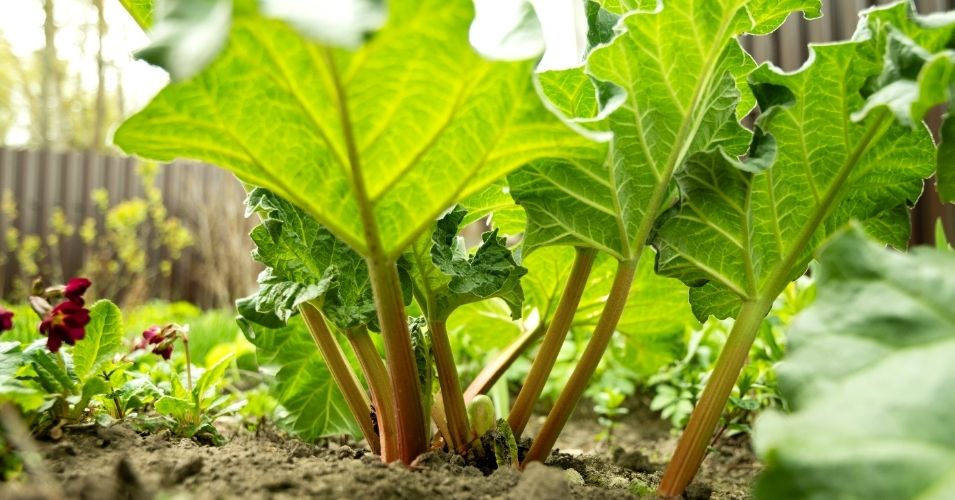
Spring is the season when rhubarb wakes up from its long winter rest and begins to stretch toward the sun. Thick red stalks push through cool soil, promising months of tangy pies, sauces, and jams.
Caring for rhubarb in spring is not difficult, but it does require attention, timing, and a little patience. When you understand what your plant needs early in the season, you set the stage for strong growth and generous harvests later.
In this guide, you will learn how to help your rhubarb thrive from the first signs of life to the peak of spring growth.
How to Wake Up Your Rhubarb After Winter
When winter fades and the soil begins to warm, rhubarb slowly comes back to life. This quiet awakening is an important stage in the plant’s yearly cycle, and how you respond during these first weeks can shape the entire growing season. Early spring care helps your plant shift smoothly from dormancy into active growth.
Start by gently clearing away any old leaves, dead stalks, and leftover mulch from the crown area. These materials can trap moisture and create hiding places for pests or mold. Removing them allows sunlight and fresh air to reach the plant, which encourages healthy development.
As you clean, take time to inspect the crown and emerging buds. Healthy buds look firm and colorful, often red or pink. If you notice soft spots, blackened areas, or signs of rot, trim them away carefully with clean tools. This prevents small problems from spreading.
Once the soil is workable, loosen the surface gently with a hand fork or garden claw. Avoid digging deeply, since rhubarb roots sit close to the surface. Light loosening improves airflow and helps water soak in more evenly.
Spring temperatures can change quickly, and late frosts are still possible. If cold nights are predicted, cover young shoots with straw, fabric, or overturned containers. This simple step protects tender growth from damage.
Watering should begin slowly. The soil should be moist but never soaked. Too much water early in the season can cause root stress. Check the soil with your finger and water only when the top few inches feel dry.
Avoid harvesting during the first weeks of growth, especially on young plants. Allow the leaves to expand fully so they can collect energy for the roots. This stored energy supports stronger stalks later.
Patience during this early phase brings rewards. By giving your rhubarb time to wake up naturally and safely, you create the conditions for steady, vigorous growth throughout spring and beyond.
Building a Healthy Foundation in the Soil
Healthy soil is the backbone of every successful rhubarb patch. In spring, your main goal is to refresh and support the ground so it can nourish strong stalks for months to come. Good soil preparation improves drainage, boosts nutrients, and helps roots grow freely.
Begin by testing how your soil feels and drains. After rain, water should soak in within a few hours. If puddles remain, the soil may be too compacted. Gently loosen it and consider adding organic material to improve the structure.
Compost is one of the best tools for spring soil care. Spread a layer two to three inches thick around the base of each plant, keeping it slightly away from the crown. Compost feeds beneficial microbes and releases nutrients slowly over time.
Well-aged manure is another excellent option if available. It adds nitrogen and organic matter, which rhubarb loves. Make sure it is fully decomposed to avoid burning young roots.
If your soil is very sandy, it may dry out too quickly. Mixing in compost and leaf mold helps retain moisture. If it is heavy clay, organic matter improves drainage and prevents hard crusts from forming.
Check the soil’s acidity if possible. Rhubarb prefers slightly acidic to neutral soil. If your soil is too acidic, adding small amounts of garden lime can help balance it. Follow package instructions carefully.
Avoid stepping on or compacting soil near your plants. Compacted ground restricts root growth and limits oxygen flow. Use stepping stones or walkways if you visit the patch often.
Mulching after soil preparation helps lock in moisture and control weeds. Straw, shredded leaves, or bark chips work well. Apply mulch after the soil has warmed to avoid trapping cold temperatures.
A strong soil foundation supports every stage of growth. When roots have access to air, water, and steady nutrition, rhubarb responds with thicker stalks, richer color, and greater resilience throughout the season.
Water and Nutrients for Healthy Stalks
Rhubarb depends on steady moisture and balanced nutrition to produce thick, crisp stalks. During spring, these needs increase as the plant moves into active growth. Understanding how to manage water and nutrients at this stage helps prevent stress and encourages consistent development.
Begin with a regular watering routine. Rhubarb prefers deep, slow watering that reaches the root zone. Light surface watering does little good and can even weaken roots over time. A slow soak once or twice a week is usually better than frequent shallow watering.
Always check the soil before adding water. Push your finger several inches into the ground. If it feels dry, it is time to water. If it still feels damp, wait another day or two. This simple habit prevents overwatering.
Morning is the best time to water. Moisture has time to soak in before heat builds, and leaves dry more quickly. Dry leaves reduce the risk of fungal diseases.
Nutrients are just as important as moisture. In early spring, rhubarb benefits from a balanced fertilizer or organic feed. A product with equal parts nitrogen, phosphorus, and potassium works well for most gardens.
Nitrogen supports leafy growth, which helps the plant produce energy. Phosphorus strengthens roots, while potassium improves overall resilience. Together, they create steady and reliable development.
Apply fertilizer according to label directions or compost recommendations. Excessive feeding can lead to weak growth and poor flavor. Less is often better when it comes to nutrients.
Liquid feeds can be helpful during periods of rapid growth. Diluted compost tea or fish emulsion provides quick support without overwhelming the plant. Use these sparingly and always water afterward.
Watch your plants closely. Pale leaves, thin stalks, or slow growth often signal nutrient problems. Adjust feeding gently rather than making sudden changes.
Balanced water and nutrition form the foundation of healthy rhubarb. When these elements are managed with care, your plants reward you with firm stalks and dependable harvests.
Dealing With Weeds, Pests, and Early Problems
Spring brings new growth, but it also brings competition and challenges. Weeds, insects, and minor diseases can weaken rhubarb if left unchecked. Early attention keeps small problems from becoming major setbacks.
Start with weed control. Weeds compete for water, nutrients, and sunlight. Remove them by hand when they are small, pulling gently to avoid disturbing rhubarb roots. Regular weeding is easier than waiting until plants become established.
Mulch is one of your best defenses. A thick layer of organic mulch blocks sunlight and prevents many weed seeds from sprouting. It also keeps soil moisture stable and reduces erosion.
Inspect your plants every few days. Look under leaves and along stems for insects or damage. Common pests include aphids, beetles, and caterpillars. Early detection makes control much simpler.
Most small infestations can be handled without chemicals. Spray aphids off with water or remove insects by hand. Encouraging beneficial insects, such as ladybugs, also helps maintain balance.
Watch for signs of disease such as yellowing leaves, dark spots, or wilting. These symptoms often appear when air circulation is poor or when moisture levels are too high. Prune crowded growth and adjust watering if needed.
Remove and discard any leaves that are badly damaged or diseased. Do not compost them, as this can spread problems. Clean tools after cutting to prevent contamination.
Slugs and snails may also appear in damp spring weather. Hand removal, copper barriers, or natural traps can reduce their numbers without harming other wildlife.
Healthy plants resist problems better than weak ones. Good soil, proper watering, and balanced feeding make rhubarb more resilient to stress.
By staying observant and responding quickly, you protect your crop with minimal effort. A few minutes of regular care each week can prevent many headaches later in the season.
Harvesting at the Right Time and Planning Ahead
Harvesting rhubarb is one of the most rewarding moments of the growing season. After weeks of care and patience, thick stalks are finally ready to use in pies, sauces, and preserves. Knowing when and how to harvest protects your plant while giving you the best flavor and texture.
Wait until stalks reach at least ten to twelve inches in height before picking. They should feel firm and look glossy. Thin or weak stalks are best left to grow longer so the plant can continue building strength.
Always harvest by pulling, not cutting. Grasp the stalk near the base and twist gently while pulling upward. This removes the entire stem and reduces the risk of disease entering through cut surfaces.
Never remove more than one-third of the plant at a time. Rhubarb relies on its leaves to produce energy for future growth. Taking too much weakens the roots and reduces next year’s harvest.
Avoid harvesting during the first year after planting. Young plants need time to establish strong root systems. Waiting builds long-term productivity and resilience.
Stop harvesting when stalks become thin or when the plant begins sending up flower stalks. Flowering signals that the plant is under stress. Removing flower stems early helps redirect energy back to leaf production.
After each harvest, water the plant well and add a light layer of compost if needed. This supports recovery and prepares the plant for continued growth.
Planning also means thinking beyond spring. Mark plant locations, note growth patterns, and observe which areas perform best. These records help you improve care in future seasons.
Consider dividing overcrowded plants every four to five years. Spring or fall is ideal for this task. Division improves airflow and restores vigor.
Thoughtful harvesting protects both your current crop and future harvests. When done correctly, it strengthens your relationship with the plant and ensures reliable yields year after year.
Final Thoughts
Caring for rhubarb in spring is about balance, patience, and attention to small details. Each step, from soil preparation to careful harvesting, plays a role in long-term success.
With steady watering, healthy soil, and early problem management, your plants develop strength and resilience. These habits turn simple gardening tasks into lasting rewards.
When you follow these practices season after season, rhubarb becomes one of the most dependable and satisfying plants in your garden.