
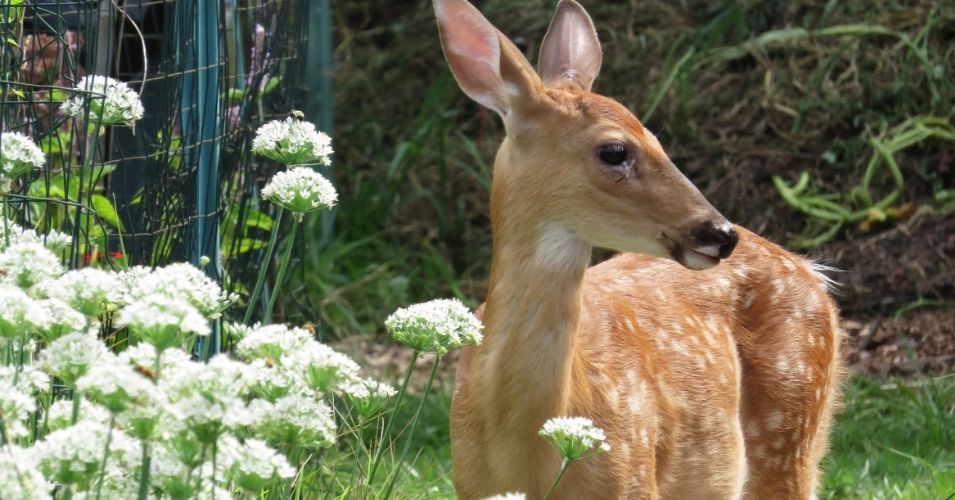
If you have ever walked out to admire your garden only to find half your plants chewed down overnight, you are not alone.
Deer are graceful animals, but they can be a gardener’s biggest challenge when they start treating your flowers and shrubs like a buffet.
The good news is that some plants are far less appealing to them.
By choosing deer-resistant varieties, you can grow a beautiful garden without worrying so much about damage.
Understanding which plants deer avoid, and why, can help you build a space that blooms freely without constant battles or fences.
Lavender
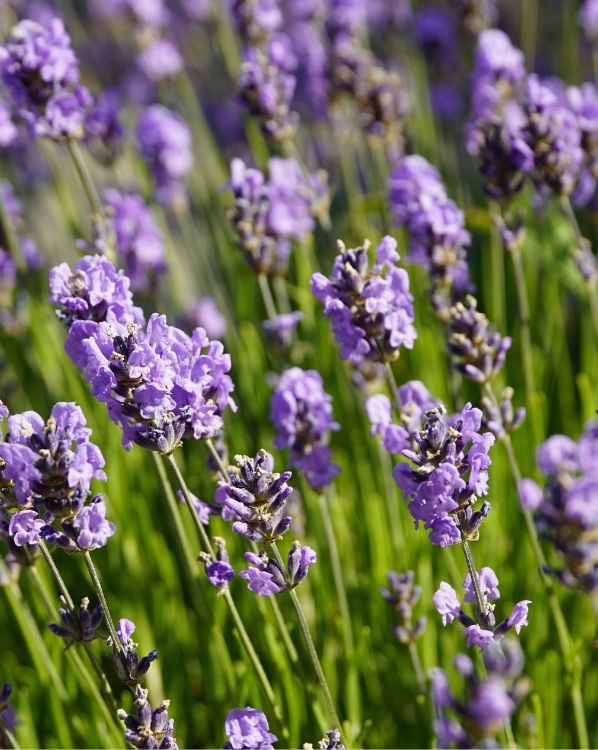
Lavender is one of the most reliable deer-resistant plants you can grow. It offers beauty, scent, and resilience all in one, and deer usually turn away from it without a second glance.
The secret lies in its strong fragrance and the essential oils found in its leaves. Deer do not enjoy highly aromatic plants, and lavender’s intense scent is one of the strongest in any garden.
Ornamental varieties often have leaves that are tough and slightly bitter, which makes them even less appealing to deer looking for soft, tasty foliage.
This plant thrives in full sun and well-drained soil. Once established, it needs little water and can tolerate heat, drought, and poor soil, making it ideal for borders, containers, or dry areas.
There are many varieties to choose from, including English, French, and Spanish lavender. Each has slightly different flower shapes and growing habits, but all share the same deer-repelling qualities.
Lavender also attracts pollinators like bees and butterflies, bringing even more life to your garden.
You can use it as a low hedge, plant it along walkways, or group several plants together to form a fragrant block of purple and silver.
Because it stays neat and compact, lavender pairs well with other deer-resistant perennials like salvia, yarrow, and catmint.
The key to long-lasting lavender is not overwatering. Let the soil dry between watering sessions and make sure there is good drainage around the roots.
Deer may nibble almost anything in extreme conditions, but lavender is one of the last plants they will turn to.
Its combination of beauty, strength, and scent makes it a top choice for gardeners in deer-prone areas.
Lavender does not just survive in tough conditions. It thrives, and it does so without becoming anyone’s dinner.
Salvia
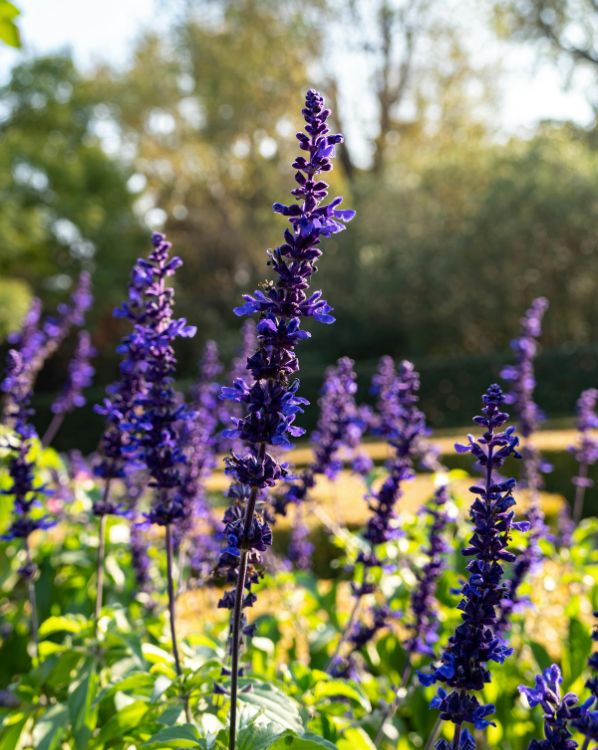
Salvia is another standout perennial that earns its place in any deer-resistant garden. Known for its tall flower spikes and long blooming season, it adds color and structure without attracting unwanted nibblers.
This plant belongs to the mint family and shares that sharp, herbal scent that deer often dislike. Its leaves are textured and bitter, and the flowers grow on square stems that are firm and upright.
All of these features combine to make salvia an easy choice for avoiding deer damage.
One of the best things about salvia is its variety. You can find it in shades of purple, blue, pink, red, and even white.
Popular types like Salvia nemorosa, Salvia greggii, and Salvia guaranitica are well known for their ability to bloom over a long period while keeping deer away.
Salvia grows best in full sun and well-drained soil. It tolerates heat, drought, and tough conditions once it is established.
It is also a favorite of hummingbirds and butterflies, so you get the benefit of color and motion without the worry of browsing deer.
For best performance, deadhead spent flowers to encourage repeat blooms through summer and into fall. In warmer zones, many salvias are evergreen and will provide structure year-round.
You can use salvia in borders, pollinator beds, or cottage-style gardens. It also looks great when planted in groups or alongside other deer-resistant companions like lavender, coneflower, and Russian sage.
If your goal is a garden that keeps blooming while staying safe from deer, salvia is one of the most reliable choices you can grow.
It is colorful, durable, and naturally unappetizing to deer. Few plants offer so much with so little effort.
With salvia in your yard, you are planting peace of mind alongside every bloom.
Russian Sage
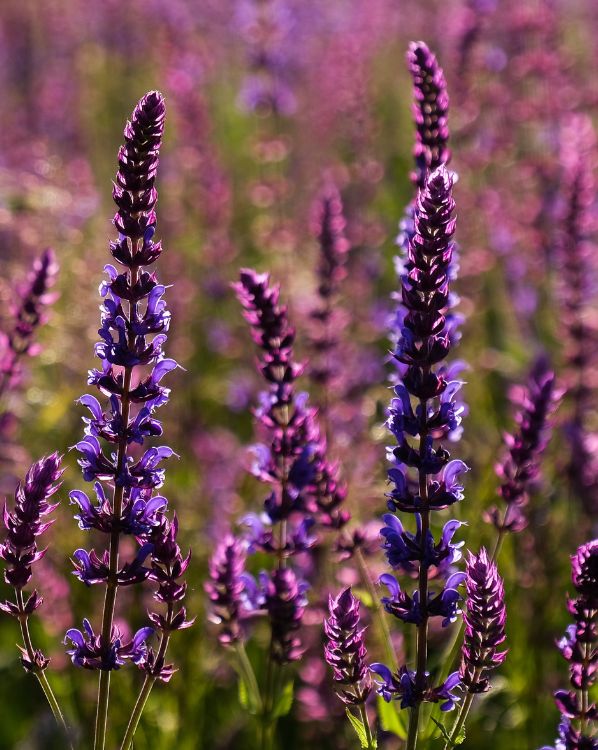
Russian sage is one of the most striking and dependable plants for a deer-resistant garden. With its tall silvery stems and delicate purple-blue flowers, it adds beauty and height while staying completely unappealing to deer.
The reason deer avoid Russian sage is mostly due to its strong aroma. Like many plants in the mint family, it has a pungent scent that deer tend to avoid as they browse.
Its narrow leaves are covered in a fine texture that feels fuzzy to the touch. This, combined with the bitter oils inside the leaves, makes the plant even less appealing.
Russian sage thrives in full sun and well-drained soil. Once it is established, it becomes very drought tolerant and requires little maintenance.
The plant forms upright clumps that reach between three and five feet tall. As it matures, it fills out and creates a soft, cloud-like effect when in bloom.
It begins blooming in mid-summer and often continues through early fall. The airy spikes of color attract bees, butterflies, and other pollinators, making it a lively addition to the landscape.
To keep it looking its best, prune Russian sage back in late winter or early spring. This encourages fresh growth and maintains a tidy shape.
It looks especially nice when planted in groups or at the back of borders. You can also pair it with other deer-resistant plants like lavender, yarrow, and coneflowers.
Despite its softness in appearance, this is a tough plant that holds up in dry conditions, rocky soil, and full sun.
Deer rarely bother it, even when food is scarce. That makes it one of the most dependable choices for problem areas where browsing is common.
If you want beautiful blue-purple flowers , easy care, and strong deer resistance, Russian sage is a top performer year after year.
Catmint
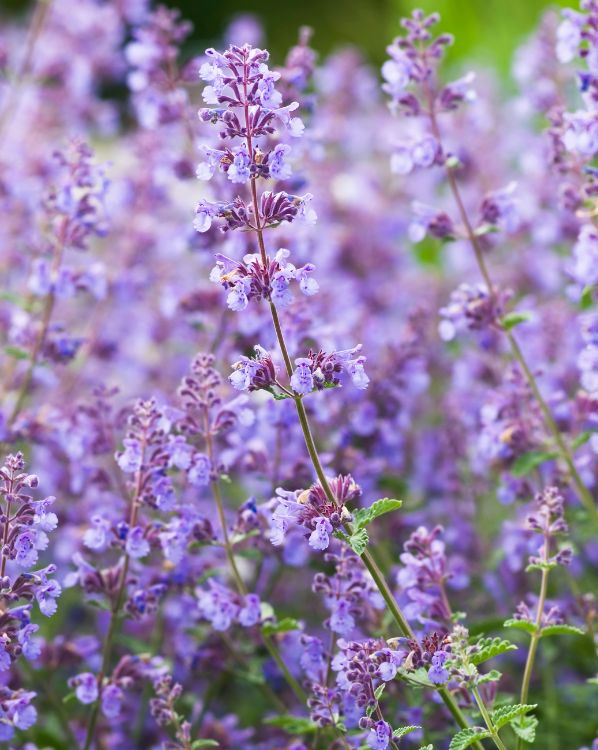
Catmint, also known by its botanical name Nepeta, is a soft, spreading perennial that handles heat, blooms heavily, and stays mostly untouched by deer.
It forms low mounds of gray-green foliage and produces clusters of small, lavender-blue flowers that can bloom from late spring into fall.
The key reason deer leave catmint alone is its scent. The leaves have a strong, minty aroma that deer dislike.
The leaves are also slightly fuzzy, which makes them harder for deer to chew comfortably. This texture, combined with the smell, keeps the plant safe through much of the summer.
Catmint is extremely adaptable. It thrives in full sun, does well in poor or dry soil, and can handle long stretches without water once established.
New varieties boast a compact shape making them perfect for edging paths, filling garden beds, or softening hard lines in the landscape.
Unlike some perennials, catmint does not need constant care. A quick trim after its first flush of blooms will often encourage a second round later in the season.
Pollinators love catmint, especially bees, which flock to it when it is in full bloom. But deer usually avoid it entirely, even when other nearby plants are getting nibbled.
Plant catmint near the edge of your garden or next to more vulnerable flowers to help mask their scent and reduce browsing.
Its relaxed form, long bloom time, and deer resistance make it a reliable favorite for summer color and texture.
Catmint fills space beautifully, asks very little in return, and keeps the deer from turning your garden into a snack bar. It is both charming and tough, exactly what a busy garden needs.
Yarrow
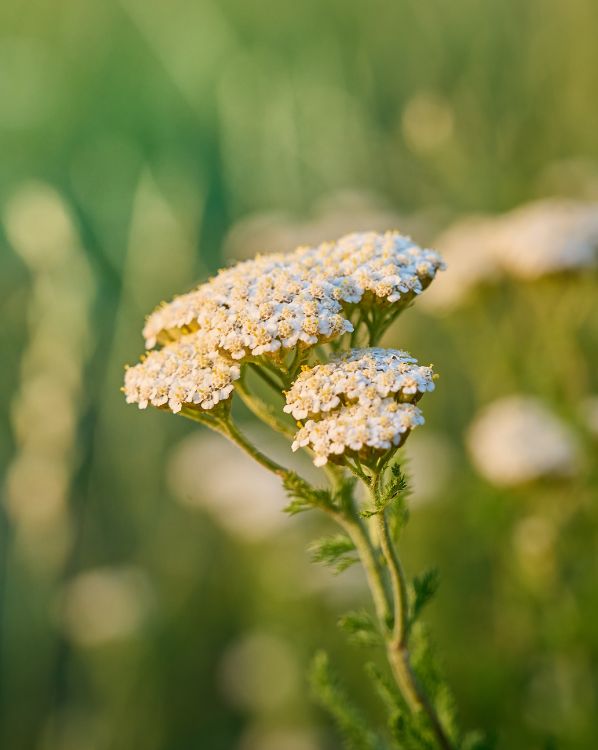
Yarrow is one of the most useful deer-resistant plants you can add to your garden. It brings clusters of flat-topped flowers, soft fern-like leaves, and a tough nature that thrives in summer heat.
Deer rarely touch yarrow because of its strong scent and the bitter compounds in its leaves. The foliage is finely textured and somewhat hairy, which makes it harder for deer to chew and less enjoyable to eat.
In addition to being unappealing to deer, yarrow is also drought tolerant and adaptable to many soil types. Once established, it needs very little care and can handle dry, sandy, or rocky ground.
The flowers come in a wide range of colors, including yellow, pink, red, and white. These blooms appear in late spring and continue through summer, attracting butterflies, bees, and other helpful insects.
Yarrow grows best in full sun and spreads through self-sowing and rhizomes. It can be used as a groundcover or planted in groups for a bold visual impact.
Deadheading spent flowers can encourage more blooms, though many gardeners leave them in place for a rustic, meadow-style look.
This plant also works well in wildflower gardens, cottage borders, and naturalized areas where other plants might struggle. It pairs beautifully with echinacea, black-eyed Susans, and ornamental grasses.
If yarrow begins to flop in richer soil, you can cut it back after its first bloom to promote a more compact shape and new flower growth.
Whether you are filling gaps in a dry spot or looking for something that will stand tall through the summer, yarrow is a dependable and colorful solution.
With its ability to withstand browsing, heat, and poor soil, yarrow is a favorite for gardeners who want both beauty and ease.
Final Thoughts
A beautiful garden and a deer-resistant one can be the same thing.
By planting smart and choosing varieties like lavender, salvia, Russian sage, catmint, and yarrow, you create a space that blooms boldly without becoming dinner for passing deer.
These plants bring fragrance, texture, and long-lasting color while standing strong through heat, drought, and browsing pressure.
You do not need fences or sprays when nature already provides plants that protect themselves.
With the right choices, your garden can stay full, thriving, and untouched. It all starts with planting what deer prefer to avoid and letting the rest grow freely.