
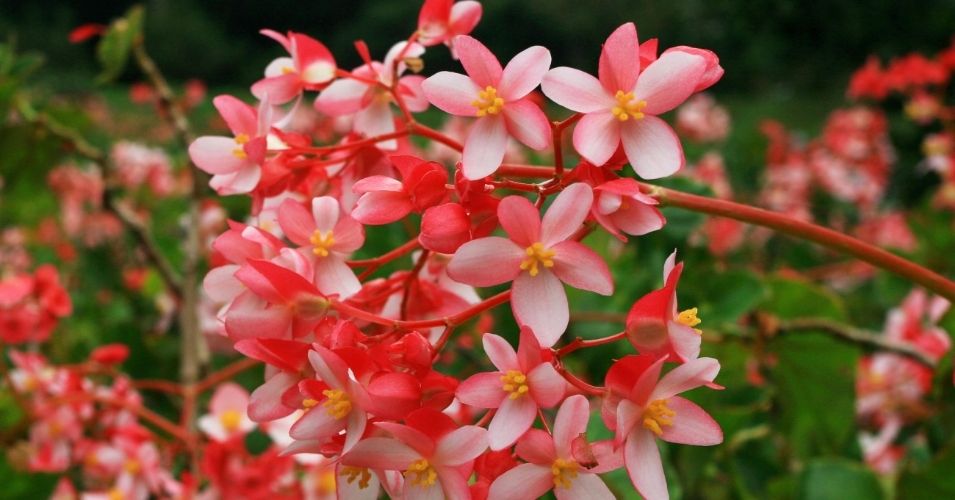
Spring brings a fresh start for begonias, and it is the season when they truly wake up and grow with renewed energy. After months of slower winter activity, these plants respond quickly to warmth, light, and proper care, making early spring an important time to guide their growth in the right direction.
Small changes in your routine can lead to fuller leaves, stronger stems, and brighter blooms that last well into the warmer months.
When you understand what begonias need during this transition, it becomes much easier to help them thrive and avoid common setbacks.
With the right approach, your begonias can become one of the most rewarding plants in your garden or home this season.
Wake Your Begonias With the Right Spring Reset
Spring is the season when begonias shift out of their slower winter rhythm and enter active growth, making it the perfect time to give them a thoughtful reset to prepare them for the months ahead.
During winter, lower light levels and cooler temperatures often cause begonias to stretch toward available light, lose some of their color, or develop uneven growth, so it is completely normal if your plant looks a little tired at the start of spring.
Begin by carefully examining your begonia and identifying any leaves that are yellow, dry, or damaged, since these parts no longer support the plant and can actually drain energy that should be used for new growth.
Use clean scissors to trim away these areas, focusing on removing only what is necessary so the plant can recover without stress. Pruning also helps reshape the plant, encouraging it to grow fuller and more balanced rather than tall and uneven.
After trimming, take time to gently clean the leaves, as dust can accumulate on the surface over time and block sunlight, limiting the plant’s ability to produce energy through photosynthesis.
A soft cloth dampened with a bit of water works well for this step, and carefully wiping each leaf allows more light to reach the plant during this important growth phase.
As the days become brighter and warmer, gradually increase light exposure, since sudden changes can cause stress or leaf damage. Move your begonia closer to a bright window over several days, allowing it to adjust slowly and naturally.
You can also begin to increase watering slightly, but always check the soil first to avoid overwatering during this transition period.
This gentle reset gives your begonia the support it needs to produce fresh leaves, stronger stems, and more vibrant growth throughout the spring season.
Refresh Soil and Containers for Stronger Growth
Refreshing the soil and checking the container in spring is one of the most important steps you can take to support your begonia, since healthy roots are the foundation of strong and consistent growth.
Over time, potting soil naturally breaks down and becomes compacted, reducing airflow around the roots and making it harder for the plant to absorb water and nutrients effectively.
When soil loses its structure, it can either hold too much moisture or dry out too quickly, both of which can stress the plant and slow its development.
Start by gently removing the begonia from its pot and examining the root system, noting whether the roots are tightly packed or circling at the bottom.
If the roots appear crowded, this means the plant has outgrown its container and will benefit from being moved into a slightly larger pot.
Choose a container that is only one size bigger, as too much space can cause excess moisture to build up and lead to root issues. Make sure the new pot has proper drainage holes, since begonias prefer well-draining soil that does not stay soggy.
When adding fresh soil, use a light, airy mix that retains moisture while allowing good airflow, creating the ideal environment for root growth.
Before placing the plant into the new container, gently loosen the root ball with your fingers so the roots can spread outward into the fresh soil.
Position the plant at the same depth it was growing before, then fill in around it and press the soil lightly to secure it.
After repotting, water the plant just enough to settle the soil, then allow it time to adjust before returning to a regular watering schedule. With fresh soil and enough space, your begonia will have a strong foundation that supports healthy roots and steady growth throughout the spring season.
Adjust Light Exposure for Healthier Leaves
Light plays a major role in how your begonias grow during spring, and even small adjustments can make a noticeable difference in leaf strength, color, and overall plant shape.
After winter, begonias are often used to lower light levels, which can cause them to stretch toward light sources and develop thinner, weaker stems.
If you suddenly place the plant in strong sunlight, it may struggle to adapt, leading to leaf burn, fading, or dry edges that take time to recover.
The best approach is to increase light exposure gradually so the plant can adjust without stress. Start by placing your begonia in a spot with bright but indirect light, such as near a window where sunlight is softened by distance or filtered through a curtain.
Over several days, you can slowly move it closer to the light source, allowing the leaves to adapt to the increased brightness. This gradual change encourages stronger leaf development and helps the plant produce deeper, richer color.
Pay close attention to how the leaves respond, as they often show clear signs when the light level is not quite right.
If the leaves begin to look pale or develop dry patches, the plant may be receiving too much direct light and should be moved slightly away from it.
If growth appears weak or the stems begin to stretch again, it may need more brightness to stay compact and full.
Rotating the pot every few days is another helpful habit, as it allows all sides of the plant to receive equal light and prevents uneven growth. This keeps the plant balanced and encourages a fuller appearance instead of leaning in one direction.
As spring continues and light levels naturally increase, your begonia will respond by producing stronger leaves and more consistent growth. With the right balance of light, your plant will look healthier, more vibrant, and better prepared for the rest of the growing season.
Build a Watering Routine That Supports New Growth
Watering becomes more important as begonias enter active spring growth, but the goal is to provide steady moisture without letting the soil stay overly wet.
During winter, begonias require less water, so it is important to adjust your routine gradually as the plant begins to grow again and use more moisture.
Start by checking the soil regularly rather than following a fixed schedule, since the plant’s needs will vary with light, temperature, and humidity.
The top inch of soil is a good indicator, and when it feels dry to the touch, it is usually time to water. If the soil still feels damp, it is better to wait, as overwatering can quickly lead to root problems that slow growth and weaken the plant.
When you water, do so thoroughly so that moisture reaches the entire root system, but always allow excess water to drain out of the pot.
Begonias do not tolerate sitting in water, and proper drainage is essential for keeping the roots healthy. It is also best to water at the base of the plant rather than over the leaves, since wet foliage can sometimes lead to spotting or other issues.
As temperatures rise and light increases, you may notice the soil dries out more quickly, so the plant will need water more often.
Instead of watering on the same day each week, adjust your routine based on how the soil feels and how the plant looks.
Healthy begonias will show steady growth, firm leaves, and a balanced appearance when their watering needs are being met. If the leaves begin to droop or feel soft, it may be a sign that the plant needs water, while overly wet soil can lead to yellowing or weakened growth.
By paying attention to these signals and staying consistent, you can create a watering routine that supports strong roots and steady development throughout the spring season.
Feed Begonias to Encourage Full and Vibrant Blooms
Feeding your begonias in spring gives them the extra energy they need to move from simple leaf growth into producing full and vibrant blooms that last throughout the season.
After winter, soil nutrients are often depleted, especially if the plant has been in the same container for a long time. This is why adding a gentle and balanced fertilizer can make a noticeable difference in how your begonia grows and flowers.
Start feeding once you see clear signs of new growth, such as fresh leaves or stronger stems, since this is when the plant is ready to use added nutrients effectively.
A diluted liquid fertilizer works well because it delivers nutrients evenly without overwhelming the roots. Apply it every few weeks rather than all at once, as smaller, consistent feedings support steady growth and reduce the risk of buildup in the soil.
Focus on a balanced formula that supports both leaf and flower development, helping the plant grow strong while preparing to bloom.
Too much fertilizer can lead to excessive leafy growth and fewer flowers, so it is important to use a light, controlled approach.
Water the plant before feeding to protect the roots and help nutrients spread more evenly through the soil. You may begin to notice deeper leaf color and stronger stems after a few feeding cycles, which are signs that the plant is responding well.
As buds begin to form, consistent feeding helps support their development so they open into full, healthy blooms. With the right feeding routine, your begonia will reward you with brighter flowers and a more vibrant overall appearance throughout spring.
Final Thoughts
Caring for begonias in spring is about creating the right balance of light, water, and nutrients so the plant can grow with strength and confidence.
Small changes in your routine can lead to fuller leaves, stronger stems, and blooms that last much longer as the season progresses.
By paying attention to how your plants respond and adjusting your care along the way, you give your begonias the support they truly need to thrive.