
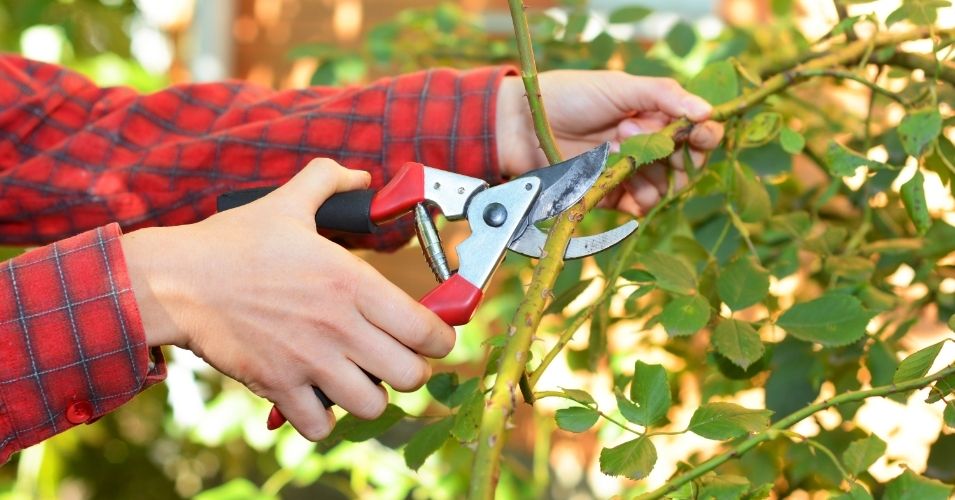
Spring is a season of renewal, fresh color, and new possibilities in the garden. After months of quiet winter rest, plants begin to wake up and prepare for active growth.
This is the perfect time for gardeners to step in and offer gentle guidance through pruning. Pruning in spring is not just about making plants look neat. It helps remove damage, improves airflow, and encourages strong, balanced growth.
In this article, you will learn which plants benefit most from spring pruning and how to approach the task with confidence.
How Spring Pruning Shapes Healthier Plant Growth
Spring pruning plays an important role in guiding how plants grow throughout the year. After winter, many plants carry hidden damage, weak tips, and tangled branches that leave them weakened.
Removing these problem areas allows the plant to redirect energy toward healthy shoots and leaves. Instead of supporting damaged wood, nutrients are sent to active growth points.
Better air circulation is one of the first benefits. When crowded branches are thinned, air moves more freely through the plant. This reduces moisture buildup and lowers the risk of disease. Improved sunlight exposure is another advantage. When light reaches inner branches, growth becomes more balanced.
Early pruning also helps establish structure. By guiding branches while they are still flexible, gardeners can prevent future crossing and overcrowding. Strong structure protects plants during storms and reduces breakage.
Spring cuts stimulate new growth. When a stem is trimmed, nearby buds often wake up and form side shoots. This response leads to fuller plants with stronger frameworks. Pruning also removes winter-injured tissue, such as frost-cracked stems and dried tips. Clean plants recover faster and look healthier.
While pruning, gardeners often notice early signs of pests or rot. Detecting these problems early allows quick treatment and limits the spread.
Timing matters. Pruning is best done when buds begin swelling but before leaves fully expand. Cutting too early may expose plants to frost, while cutting too late may interrupt flowering.
Sharp, clean tools are essential. Smooth cuts heal faster and resist infection. Cleaning tools between plants prevents the transfer of disease.
Spring pruning builds long-term skills. With practice, gardeners gain confidence in choosing where and how much to cut. Careful pruning is not about forcing plants into shape. It is about guiding natural growth in healthy directions, leading to stronger roots, better form, and lasting beauty.
Flowering Shrubs That Thrive With Careful Spring Cuts
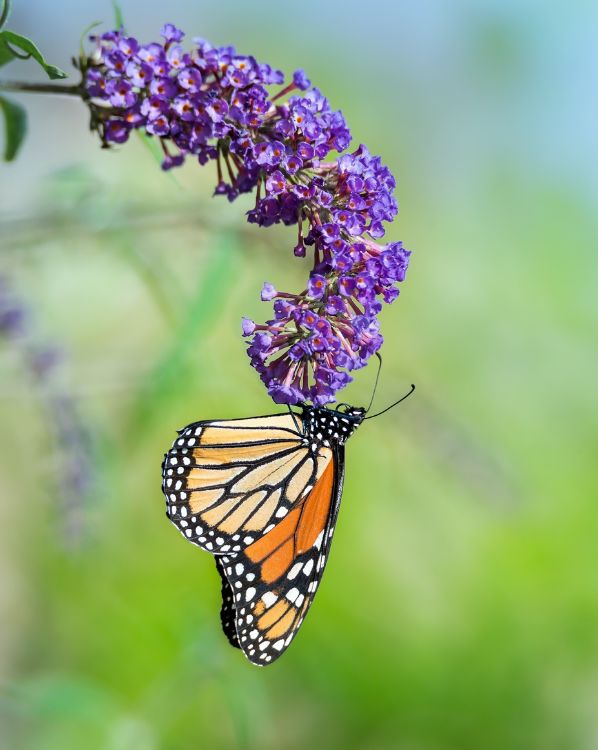
Many flowering shrubs respond positively to thoughtful spring pruning. When trimmed at the right time, they produce stronger branches and more reliable blooms.
Shrubs that flower on new growth benefit most from early cuts. These plants form buds on fresh stems produced during the same season. Butterfly bush and spirea are good examples, responding with longer flowering branches and denser growth.
Hydrangeas that bloom on new wood, such as panicle and smooth varieties, benefit from spring pruning. Cutting them back promotes larger flower heads and sturdier stems.
Roses, especially modern bush types, need careful attention in spring. Removing weak canes improves airflow and directs energy toward healthy growth. Potentilla also grows fuller when lightly shaped in spring.
Before pruning any shrub, it is important to understand its blooming habit. Shrubs that flower on old wood should usually be pruned after blooming. Forsythia and lilac fall into this category and should not be heavily cut in early spring.
Observation is key. Look for healthy buds and outward-growing branches before making cuts. Trim just above strong buds to guide new growth away from the center.
Avoid removing more than one-third of the shrub at once. Heavy pruning can delay flowering and weaken the plant. Thinning crowded branches improves light penetration and reduces disease risk.
Always remove dead or damaged wood first. This reveals the natural shape and creates a cleaner appearance. Use steady hand movements to avoid tearing bark.
After pruning, water well and monitor new growth. Healthy shrubs respond quickly with fresh leaves and sturdy stems. Over time, careful spring pruning creates plants that bloom more reliably and maintain graceful form year after year.
Spring Pruning for Fruit Trees and Climbing Vines
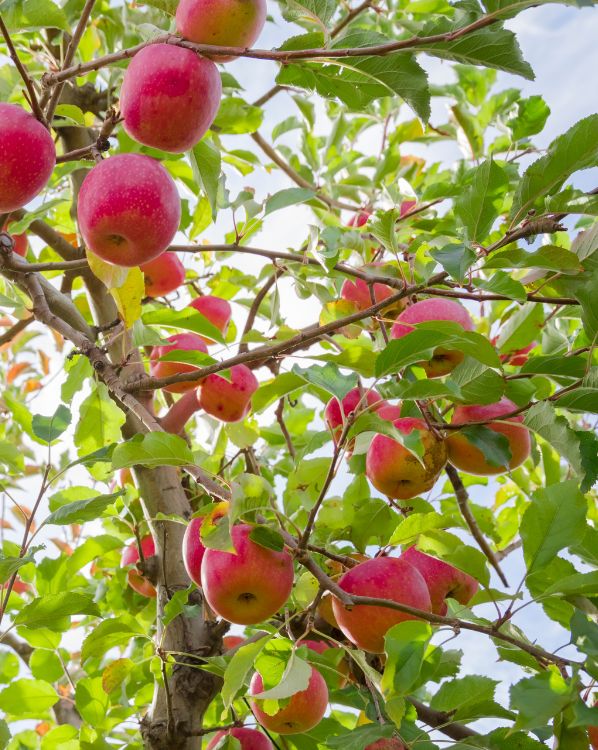
Fruit trees and climbing vines depend on careful spring pruning for both health and productivity. Without regular trimming, these plants often become overcrowded and difficult to manage, reducing fruit quality and increasing disease risk.
During winter, broken branches, weak shoots, and crossing stems may develop. Removing this damage in spring helps restore balance and encourages strong new growth. Opening the canopy allows sunlight to reach developing buds and supports even ripening later in the season.
Apple, pear, and peach trees benefit greatly from early pruning. Better light exposure improves fruit size and flavor, while improved airflow reduces fungal problems. Removing crowded branches also makes harvesting easier.
Grapevines require regular spring pruning to control size and focus energy. Without it, vines produce excessive leaves and fewer grapes. Clearing old canes directs nutrients toward productive stems and improves yield.
Kiwi vines and climbing berries, such as blackberries, also respond well to early trimming. Removing dead wood improves strength and fruiting potential while preventing tangled growth.
When pruning fruit trees, focus on creating an open center or central leader structure. This keeps branches well spaced and prevents shading. Always remove vertical water sprouts because they drain energy and rarely produce fruit.
Thinning crowded branches is more effective than shortening every stem. This method supports natural growth patterns and reduces stress. Cuts should be made just above outward-facing buds to guide new growth away from the trunk.
Climbing vines should be trained along trellises or supports. Spring pruning helps maintain this structure and prevents breakage. New shoots should be tied gently to avoid damage.
Avoid pruning during freezing weather because cold temperatures can harm fresh cuts. Use clean, sharp tools and water well afterward to support recovery. With consistent care, fruit trees and vines remain productive, balanced, and easier to manage.
Building Strong Plant Frameworks Through Pruning
A strong plant framework provides the foundation for long-term health and beauty. Pruning in spring helps shape this structure while growth is still flexible and responsive.
Without guidance, many plants develop crowded centers and weak branch angles. These flaws reduce airflow, limit sunlight, and increase the risk of breakage. Over time, poor structure leads to higher maintenance needs and lower performance.
Early pruning corrects these issues before they become serious. Removing crossing branches and inward growing shoots improves balance and stability. This creates space for healthy development and reduces future problems.
The goal of framework pruning is to create well-spaced main branches that evenly support the weight. Strong angles between stems and the trunk help prevent splitting under wind, rain, or heavy blooms.
Young trees and shrubs benefit the most from early structural work. Gentle shaping in the first few years leads to better form for decades. Waiting too long makes correction difficult and stressful for the plant.
When shaping plants, focus on symmetry and natural flow. Avoid forcing stiff or unnatural patterns. Instead, guide growth in directions that match the plant’s natural habit.
Cuts should be clean and placed just above healthy buds or branch junctions. This encourages smooth healing and controlled regrowth. Jagged cuts weaken tissue and slow recovery.
Remove weak, thin, or poorly positioned branches first. This reveals the plant’s true structure and makes subsequent decisions easier. Regular spring framework pruning reduces the need for heavy cutting later. Plants become easier to maintain and more stress-resistant.
With patience and steady practice, gardeners can build strong, attractive frameworks that support healthy growth and long-lasting beauty.
Smart Pruning Habits for Long-Term Garden Success
Successful pruning is built on consistent habits rather than occasional heavy cutting. Developing the right approach in spring helps plants stay healthy and attractive for many years.
One of the most important habits is learning about each plant before pruning. Different species grow and bloom in different ways, and understanding these patterns prevents costly mistakes.
Keeping a simple garden journal can be helpful. Writing down when and how you prune allows you to track results and improve over time.
Using high-quality tools makes a noticeable difference. Sharp pruners create clean cuts that heal quickly, while dull tools crush plant tissue. Regularly cleaning tools is another essential habit. Wiping blades with alcohol between plants reduces the spread of disease.
Working slowly leads to better decisions. Rushing through pruning often results in uneven shapes and unnecessary damage. Stepping back frequently helps you see the overall form. This makes it easier to maintain balance and symmetry.
Removing dead and diseased wood should always come first. Clearing problem areas reveals healthy structure and guides later cuts.
Avoid pruning on very wet days. Moist conditions increase the risk of infection and slow healing. Weather awareness also matters. Late frosts can damage fresh cuts, while extreme heat stresses recovering plants.
Pruning in stages is often better than doing everything at once. Light trimming followed by later adjustments reduces shock.
Feeding and watering after pruning supports recovery. Healthy plants respond more quickly and develop stronger new growth.
Respecting natural growth patterns improves long-term results. Forcing plants into unnatural shapes weakens structure and increases maintenance.
Learning from mistakes is part of gardening. Each season provides lessons that build confidence and skill. Sharing knowledge with other gardeners can also improve technique. Observation and discussion lead to a better understanding.
Properly storing pruning tools prevents rust and damage. Well-maintained equipment lasts longer and performs better.
Planning reduces stress. Knowing which plants need attention allows for calm, focused work.
Over time, these habits create healthier landscapes. Plants become easier to manage and more resistant to pests and disease. Smart pruning is not about perfection. It is about steady improvement and thoughtful care.
Final Thoughts
Spring pruning is one of the most valuable skills a gardener can develop. It shapes plant growth, improves health, and builds strong foundations for the future.
When pruning is done with knowledge and care, plants respond with better structure, richer foliage, and more dependable flowering.
Small, consistent habits often matter more than dramatic cuts. Thoughtful timing and gentle guidance create lasting results.
By learning to prune with confidence and patience, you create a garden that grows stronger and more beautiful with every season.