
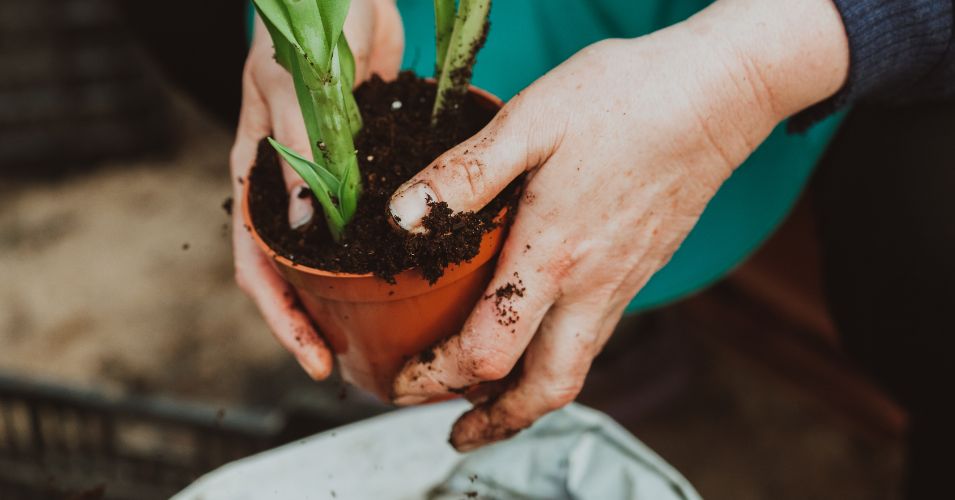
Fall has a way of reminding us that change is healthy. Trees shed their leaves, the soil cools, and the natural world resets for the months ahead.
While most people associate spring with potting and planting, autumn is actually the ideal season to refresh certain plants. Cooler weather means less shock for roots, and the soil stays moist longer, giving plants time to adjust before winter.
If you have any of these favorites in your home or garden, repotting them in the fall will set them up for stronger, healthier growth when warmer days return.
Snake Plant
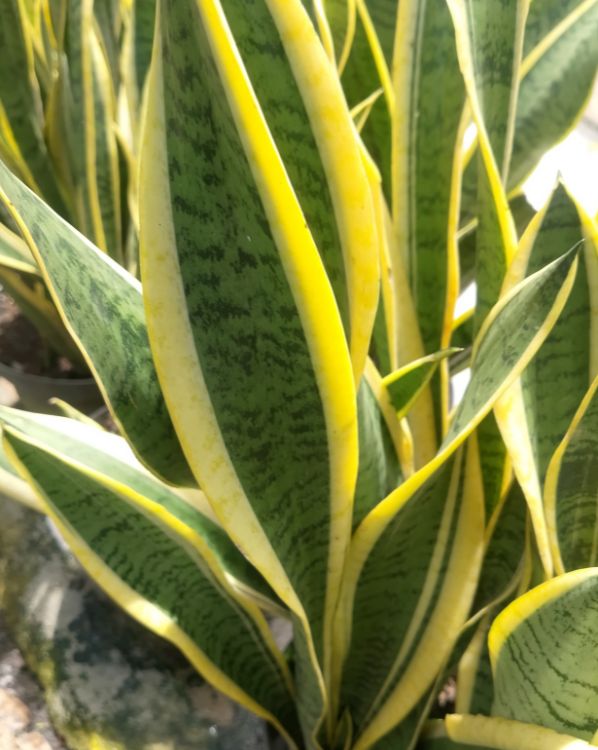
The snake plant is often called the “set it and forget it” houseplant because it is so forgiving. It thrives on neglect, tolerates low light, and rarely demands water.
But one thing it cannot tolerate forever is staying cramped in the same pot. Fall is a surprisingly good season to give your snake plant a new home.
When the days grow cooler, snake plants naturally slow down their growth. This pause makes it easier for the plant to handle the stress of being lifted, loosened, and tucked into fresh soil. Repotting in fall gives the roots time to establish themselves before the growth surge returns in spring.
Look closely at your snake plant. If you notice the pot bulging at the sides, roots pushing through the drainage holes, or several tall leaves tipping the container, these are clear signs that it needs more space.
Snake plants often multiply by producing pups, which are small shoots sprouting around the base. Too many pups in a small pot means overcrowding, and repotting gives you a chance to separate them and grow new plants.
Choose a sturdy pot with good drainage. Terra cotta is a great option because it allows excess moisture to evaporate, preventing root rot. Snake plants prefer soil that drains quickly, so mix regular potting soil with sand or perlite to create the right texture.
When transferring your snake plant, gently shake off the old soil. You may notice tangled roots circling the bottom of the pot. Loosen these carefully before placing the plant in its new container. Fill in with fresh soil, leaving a little room at the top for watering.
After repotting, avoid overwatering. Let the soil dry out slightly between waterings, especially since fall and winter are naturally slower-growing seasons. A newly repotted snake plant should rest in bright, indirect light to recover.
By repotting your snake plant in the fall, you ensure that it has ample root space, healthier soil, and the energy to grow taller, greener, and stronger when spring arrives.
Aloe Vera
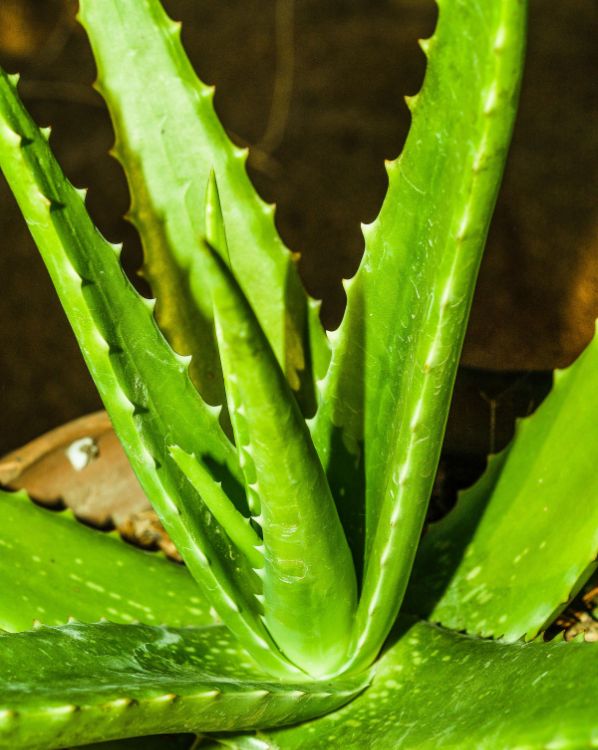
Aloe vera is famous for its soothing gel, but gardeners know it also has a habit of outgrowing its container quickly. Those thick, fleshy leaves take up more space each season, and pups often appear at the base, crowding the main plant.
Repotting aloe vera in the fall is one of the best ways to keep it thriving and ready for use when you need it most.
During fall, aloe vera slows its growth just like many other succulents. This slower pace makes it less stressful to disturb the roots. By repotting now, you give the plant several months to settle into fresh soil before it bursts into active growth again in spring.
Check your aloe vera for signs that it is root-bound. Roots circling tightly in the pot, yellowing leaves, or soil that dries out too fast are all clues. A crowded aloe vera will also look top-heavy, tipping the container as the leaves expand outward.
Select a new pot that is wide rather than deep. Aloe vera plants spread outward more than downward, and a shallow, broad container works best. Drainage holes are essential because aloe roots are sensitive to excess moisture. Standing water can quickly lead to rot.
For soil, use a cactus or succulent blend, or make your own by combining potting soil with sand and perlite. This ensures quick drainage while keeping the roots secure.
When removing aloe vera from its old pot, take care not to damage the roots or snap the thick leaves. If pups are present, separate them gently with their small root systems intact. Each one can grow into a new plant.
After repotting, place the aloe vera in bright but indirect sunlight. Avoid watering for a few days so the roots can heal from any disturbance. Once you begin watering again, always allow the soil to dry completely before adding more.
Repotting aloe vera in the fall means you will have a healthier, fuller plant through winter, and it will be ready to thrive as soon as the warmth of spring arrives.
A little effort now ensures endless benefits later, both as a beautiful houseplant and as a natural remedy waiting at your windowsill.
Peonies
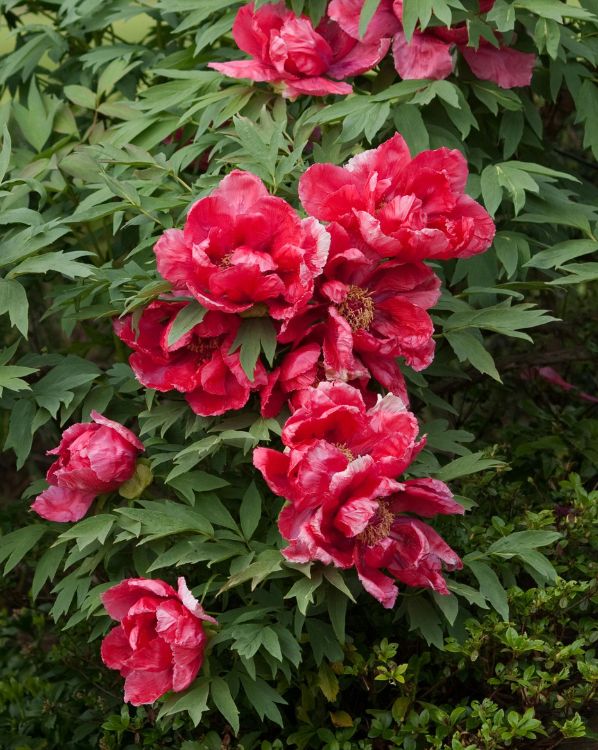
Peonies are a gardener’s treasure, known for their large, fragrant blooms and incredible longevity.
Many peony plants live for decades, but only if they are given proper care at the right times. One of the best things you can do for them is repot or divide them in the fall.
Fall offers a gentle pause in the plant’s growth cycle. By late September or October, peonies begin to retreat underground, storing energy in their roots for the winter. This makes it the perfect season to lift, separate, and replant them without causing major stress.
You may notice that your peonies have stopped producing as many flowers as they once did. Sometimes the blooms are smaller or the stems weaker.
These are classic signs that the plant has become overcrowded underground. Repotting or dividing the clump can restore vigor and bring back the lush blossoms.
To begin, carefully dig up the peony clump using a garden fork or spade. Be sure to dig wide to avoid cutting into the thick roots. Once lifted, shake off excess soil so you can see the root system clearly. Healthy peony roots are thick, fleshy, and firm to the touch.
Divide the clump into sections with at least three to five eyes each. The “eyes” are small reddish buds that will sprout into stems the following spring. Each division becomes a new plant once replanted.
Choose a sunny spot with well-drained soil for replanting. Peonies dislike sitting in waterlogged ground, so raised beds or slightly sloped areas work well. Plant each division with the eyes no deeper than two inches below the soil surface. Planting too deep can delay blooming for years.
After replanting, water the soil thoroughly to help the roots settle in. Add a thin layer of mulch for protection, but avoid piling it directly over the crowns. Over winter, the roots will rest and strengthen, ready to burst into growth when spring arrives.
Repotting peonies in fall ensures healthier plants, brighter blooms, and a garden that feels refreshed for years to come.
Amaryllis

Amaryllis is famous for its dramatic trumpet-shaped flowers that brighten homes in the dullest months.
Many people grow them indoors for holiday blooms, but these bulbs also do well outdoors in warm climates. To keep them thriving, fall is the best season to repot and refresh them.
By the end of summer, amaryllis bulbs usually need a break. Their leaves may turn yellow as the plant goes dormant. This natural rest period is the perfect opportunity to repot, refresh the soil, and give the bulb new energy for the upcoming blooming cycle.
Signs that your amaryllis needs repotting include roots circling the bottom of the pot, soil that no longer drains well, or bulbs pushing upward out of the container. Sometimes the plant simply looks tired, with fewer leaves and weaker growth.
Select a pot that is only one to two inches wider than the bulb. Amaryllis prefers to be slightly snug in its container, which encourages stronger blooms. The pot must have drainage holes to prevent excess moisture from sitting around the roots.
Use a light, well-draining soil mix. A combination of potting soil, peat, and sand works well. Place the bulb so that one-third of it sits above the soil surface. This not only looks attractive but also reduces the risk of rot.
When repotting, take time to check the bulb for offsets, or “pups.” These smaller bulbs grow at the base of the main bulb and can be separated to start new plants. Each pup may take a few seasons to bloom, but eventually adds more color to your collection.
After repotting, keep the soil lightly moist but not soggy. Place the pot in a bright location with indirect sunlight. The bulb will rest for a few weeks before sending up new shoots.
Repotting amaryllis in the fall ensures the plant has everything it needs to deliver its spectacular flowers right on time for winter. With just a little attention, you can count on a dazzling display year after year.
Hydrangeas
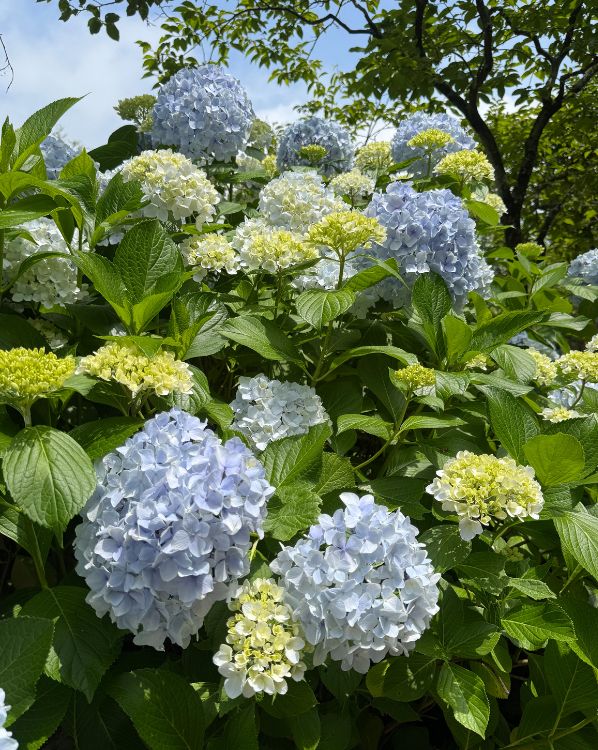
Hydrangeas are beloved for their abundant clusters of blooms that can shift in color depending on the type and pH level. They add elegance to gardens, patios, and porches, but these shrubs sometimes struggle if left in the same pot or ground location for too long.
Fall is one of the best times to repot or transplant hydrangeas to keep them healthy and thriving.
As autumn arrives, hydrangeas begin to slow their growth and prepare for dormancy. This natural pause reduces stress when the roots are disturbed. Repotting in fall allows the plant to settle into fresh soil before winter, so it can wake up strong when spring warmth returns.
If your hydrangea looks wilted even with regular watering, or if the pot is so full of roots that water runs straight through, those are clear signs it needs more space. A cramped root ball can prevent the shrub from absorbing the nutrients it needs to produce its famously full blooms.
Choose a container that is at least two inches wider than the current one, with excellent drainage holes. Hydrangeas love moisture but dislike sitting in water, so well-drained soil is a must. A mixture of garden soil, compost, and perlite makes an ideal blend that retains enough moisture without becoming heavy.
When transferring your hydrangea, gently loosen the roots and trim away any dead or rotting sections. If the root ball is tightly wound, make a few shallow cuts to encourage new root growth. Position the shrub so that the crown sits level with the soil surface, then backfill with fresh soil.
Water thoroughly after repotting, and continue to water consistently throughout the fall until the ground freezes or the plant becomes fully dormant. A layer of mulch around the base helps conserve moisture and insulates the roots against winter cold.
By giving your hydrangeas more room in fall, you set them up for lush leaves and brilliant blooms the following year. A little effort during this transitional season can mean the difference between a struggling shrub and one that fills your garden with show-stopping beauty.
Final Thoughts
Repotting plants in fall is a simple step that pays off in big ways. Cooler weather eases the stress of transplanting, and fresh soil provides a boost of nutrients when roots need it most.
Whether it is a hardy snake plant on your windowsill, a soothing aloe vera in the kitchen, or bold hydrangeas brightening your yard, repotting ensures these plants will keep rewarding you for years.
Think of fall not only as a season of endings, but also as the start of renewal. With a little attention now, your plants will greet spring stronger, healthier, and ready to thrive.