
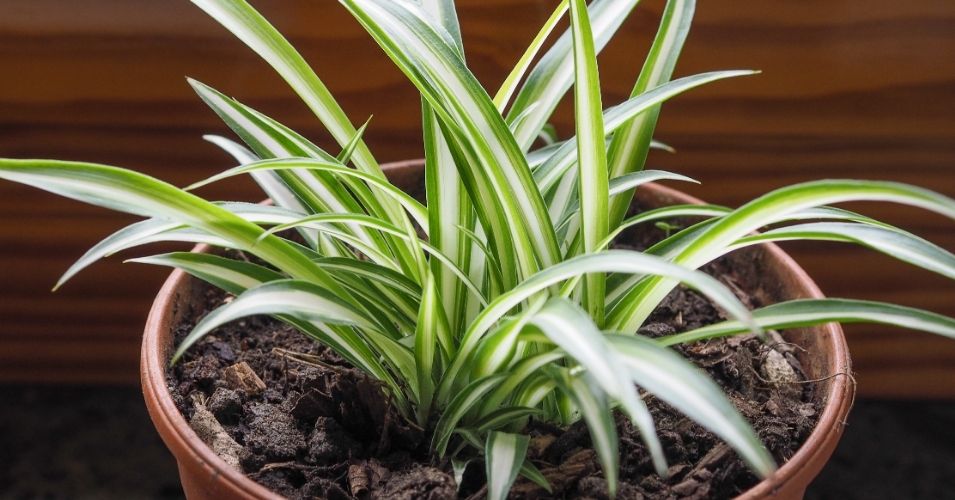
Spring is a season of fresh energy, brighter days, and new growth for houseplants. For spider plants, this time of year marks the shift from slow winter rest to active development and renewed strength.
With this burst of growth comes a greater need for thoughtful care. Small changes in watering, light, and feeding can make a big difference in how healthy and attractive your plant becomes.
By learning how to support your spider plant in spring, you can help it grow fuller, stronger, and more resilient throughout the year. With the right approach, this season becomes the foundation for long-term success.
How Spider Plants Shift From Winter Rest to Spring Growth
During winter, spider plants slow down and conserve energy. Shorter days and lower light levels reduce their need for water and nutrients, leading to slower growth and fewer new leaves.
By early spring, this resting phase begins to fade. More extended daylight and warmer indoor temperatures signal that it is time to become active again. Roots are usually the first to respond, absorbing more moisture and minerals from the soil to support new growth.
Soon after, fresh leaves appear near the center of the plant. These young leaves are often lighter in color and softer in texture at first. As they mature, they become firmer and deepen in color, showing that the plant is adjusting well to seasonal change.
Energy stored during winter is now being used to expand foliage and strengthen the root system. In many homes, spring also brings the appearance of small plantlets. These baby plants form on long stems and indicate healthy development.
This increase in activity means the plant becomes more sensitive to care routines. Irregular watering, sudden temperature changes, or poor light can interrupt growth. Water use usually increases during this period, so that the soil may dry out faster than in winter.
At the same time, overwatering remains a risk. Roots that stay wet for too long can weaken even during active growth. Leaves often become more flexible and upright in spring, a sign of good hydration and balanced nutrition.
If leaves remain limp or pale, it may indicate light or moisture problems. Early adjustments help prevent long-term stress. Avoid forcing rapid growth with heavy fertilizer because gentle, steady care works better.
Spring is also a good time to observe growth patterns. Each spider plant responds differently based on its environment. Stable conditions support smooth transition and lead to fuller foliage and stronger overall health.
Finding the Best Spot for Bright Healthy Leaves
Light plays a significant role in how spider plants grow during spring. As sunlight becomes stronger and more consistent, placement becomes more critical for balanced development.
Spider plants prefer bright, indirect light. This means sunlight that is filtered through curtains or reflected off walls. Direct sun can damage leaves and often causes fading, dry patches, or brown tips.
An east-facing window usually provides ideal morning light without harsh exposure. North-facing windows can also work if the space remains bright throughout the day. South- and west-facing windows may require extra distance or sheer curtains to soften intense rays.
As seasons change, light patterns inside your home may shift. A spot that felt dim in winter may become much brighter in spring. Regular observation helps you notice these changes and respond early.
Moving the plant too often can cause stress. Spider plants adapt slowly, especially after winter. Choosing a stable location allows steady adjustment and stronger growth.
Avoid placing the plant near drafty windows, doors, or air vents. Cold air and strong airflow dry leaves and disrupt the moisture balance. Heating units can also cause leaf damage through dry heat.
Rotating the pot every two weeks encourages even growth. This prevents leaning and helps leaves develop symmetrically. Cleaning nearby windows also improves light penetration.
Wiping dust from leaves improves light absorption and keeps foliage glossy. A soft cloth and clean water are enough for this task.
If natural light is limited, grow lights can provide gentle support. Low-intensity lights placed several feet away help maintain steady development.
Watch for signs of light stress. Pale leaves often mean too much sun, while dark green but slow growth suggests low light. Adjust placement gradually when needed to avoid shock.
With thoughtful positioning and steady lighting, spider plants develop brighter leaves and stronger structure throughout spring.
Water and Humidity Tips for Warmer Days
As spring temperatures rise, spider plants begin using water more quickly. Increased light and active growth cause moisture to move through the plant more quickly, making careful watering more important than during winter.
During colder months, the soil often stayed damp for long periods. In spring, it begins drying faster, so old watering routines may no longer work well. Before watering, always check the soil by pressing your finger about two inches deep. If it feels dry, watering is usually needed.
If the soil still feels cool and moist, waiting another day is better. Overwatering remains one of the most common causes of stress for spider plants, even during active growth.
Spider plants show early signs of thirst through soft or slightly drooping leaves. These signals should be noticed and addressed quickly. When watering, use room temperature water because cold water can shock roots and slow absorption.
Water slowly and evenly until excess drains from the bottom of the pot. This ensures the entire root system receives moisture and prevents dry pockets. Always empty the drainage tray after watering to avoid standing water.
Avoid frequent shallow watering. Surface moisture encourages weak roots and uneven hydration. Instead, aim for deep, thorough watering that supports stronger root development.
Humidity also becomes more critical as indoor air dries. Heating systems and open windows reduce moisture levels, which can lead to brown tips and dull leaves. Spider plants prefer moderate humidity.
Placing a shallow tray of water near the plant helps increase the air’s moisture content. Grouping plants also creates a small, humid environment through natural moisture release. Using a humidifier is another helpful option.
Misting provides short-term relief but should not replace proper humidity control. Leaves that stay damp too long may develop disease. Keep plants away from heaters, fans, and air conditioners, as strong airflow can dry foliage.
Monitor seasonal changes closely. Warmer days may require more frequent watering than cooler nights. By carefully balancing water and humidity, you help your spider plant remain strong and resilient throughout spring.
Giving Roots a Fresh Start With Better Soil
Healthy spider plants depend on loose, well-draining soil that allows roots to breathe and expand. Spring is the ideal time to evaluate soil conditions and make improvements that support long-term growth.
Over time, the potting mix becomes compacted and depleted. Water may pool on the surface or drain too quickly, both of which signal declining soil quality. Good soil should feel light and slightly springy, holding moisture without becoming soggy.
Refreshing soil improves oxygen flow and nutrient availability. Strong roots depend on both to function correctly. Spring is also the best season for repotting if needed because active growth helps roots recover more easily.
Signs that repotting is needed include roots growing through drainage holes, reduced leaf size, and fast-drying soil. Choose a pot that is one to two inches wider than the current container. Oversized pots increase the risk of rot by holding excess water.
Select a high-quality houseplant mix with good drainage. Adding perlite or bark improves airflow and prevents compaction. When removing the plant, handle roots gently and loosen tangled sections without tearing healthy tissue.
Trim dark, soft, or damaged roots with clean scissors to encourage fresh growth. Place the plant at the same depth as before, as burying the stems too deeply can cause rot. Gently firm the soil without packing it tightly.
Water lightly after repotting to settle the soil and remove air pockets. Allow excess water to drain completely. Avoid fertilizing for at least 4 weeks afterward, as fresh soil already contains nutrients.
Check drainage holes regularly to ensure they remain open. Blocked holes lead to water buildup and root damage. With refreshed soil and proper spacing, spider plants gain a strong foundation for the growing season.
Everyday Care That Keeps Spider Plants Happy
Daily and weekly habits play a major role in how well spider plants perform throughout spring and beyond. Small actions done consistently often matter more than occasional major adjustments.
One of the most important habits is regular observation. Looking closely at leaves, stems, and soil helps you notice changes early and respond quickly. Checking moisture levels every few days prevents both underwatering and overwatering.
Cleaning leaves is another helpful practice. Dust blocks light and reduces photosynthesis. Gently wiping foliage with a damp cloth improves appearance and function.
Rotating the pot every two weeks supports even growth. This prevents leaning and encourages balanced leaf development. Trimming damaged or brown tips improves appearance and reduces stress when done with clean scissors.
Removing yellowed leaves helps redirect energy toward new growth. Spider plants often produce baby plantlets in spring, which can be left attached for decoration or removed for propagation.
If you choose to propagate, wait until plantlets have small roots. Placing them in water or soil allows easy establishment and reduces transplant shock.
Monitoring temperature is essential. Spider plants prefer moderate warmth and do not tolerate sudden cold or heat well. Keeping plants away from drafty windows and heating vents supports steady growth.
Avoid overcrowding plants because good airflow reduces disease risk and keeps leaves healthy. Light feeding during active growth supports development, but overfeeding can lead to weak growth and brown tips.
Pay attention to water quality. Fluoride and salts in tap water may cause tip browning, so using filtered or distilled water can help.
Refreshing topsoil occasionally improves nutrient access. Removing the top inch and replacing it with a fresh mix supports root growth and moisture balance.
Check for pests regularly. Spider mites and aphids may appear on stressed plants; early treatment prevents their spread.
Reducing stress improves natural resistance. Healthy plants are better able to handle minor problems.
With steady attention and gentle handling, spider plants remain full, bright, and attractive year-round.
Final Thoughts
Caring for spider plants in spring involves creating supportive routines that align with their natural growth patterns. When light, water, soil, and humidity are balanced, these plants respond with strong leaves and steady development.
Consistency matters more than perfection. Small habits practiced regularly create lasting results and reduce stress for both plant and gardener.
By observing your spider plant closely and adjusting care thoughtfully, you build a healthy relationship that leads to long-term beauty and enjoyment.