
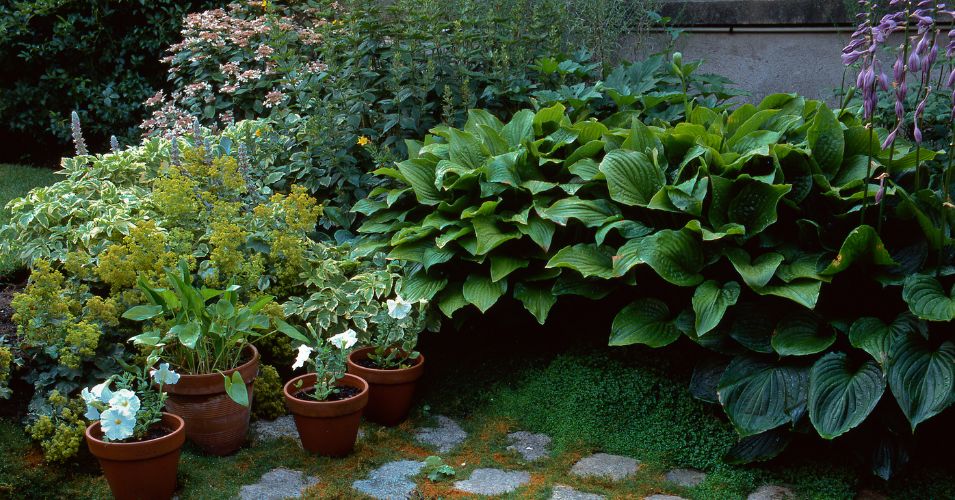
Hostas are treasured for their lush leaves and reliable presence in shaded gardens, but even these hardy plants can suffer when paired with the wrong neighbors.
While hostas thrive when grown with plants that share their love for shade and moisture, they struggle when competing with aggressive growers or plants with very different needs.
Choosing poor companions can lead to weakened growth, fewer leaves, and even long-term decline. To keep your hostas looking their best, it is important to know which plants to avoid placing nearby. A thoughtful garden design begins with careful pairing.
Choosing other shade-friendly trees, such as maples or oaks, provides a much better environment where hostas can flourish without constant struggle.
Sunflowers
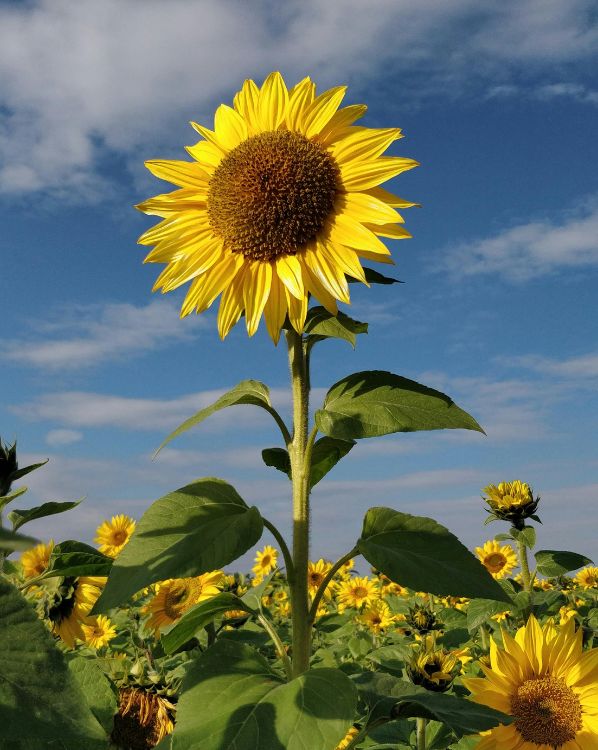
Sunflowers are cheerful and bold in the garden, but they are poor companions for hostas. These tall, sun-loving plants thrive in open, bright spaces, which is the opposite of what hostas prefer.
When planted nearby, sunflowers block sunlight in ways that are unhelpful, casting sharp shadows that do not create the gentle, dappled light hostas enjoy. Instead, hostas often receive either too much heat when exposed or too little light when overshadowed by the towering stalks. This imbalance quickly weakens their foliage and reduces their overall vigor.
Another problem with sunflowers is their reputation as heavy feeders. They require significant amounts of nutrients from the soil to fuel their rapid growth and massive flower heads. Hostas, while hardy, also depend on rich soil to maintain their lush leaves.
When placed together, sunflowers drain the soil of nitrogen and other key nutrients, leaving hostas struggling to compete. The result is stunted growth, faded foliage, and plants that fail to show their usual vigor.
Sunflowers also release natural chemicals into the soil through a process called allelopathy. These chemicals can inhibit the growth of certain nearby plants, and hostas are particularly sensitive to such interference.
This means that even if the competition for light and nutrients were not already an issue, the soil itself could become less welcoming for hostas simply because sunflowers were planted nearby.
The physical presence of sunflowers can also cause challenges. Their tall, broad stalks create dense stands that block air circulation. Hostas need good airflow around their leaves to prevent issues like mildew and rot. When air flow is reduced, especially in shaded garden beds, the risk of disease rises sharply.
While sunflowers are striking, they are best grown in separate areas of the garden where their needs can be met without clashing with other plants. Hostas will always perform better when surrounded by shade-loving companions that share their preference for moist, nutrient-rich soil.
By keeping sunflowers and hostas apart, gardeners can ensure that both plants shine in their own environments without one undermining the other.
English Ivy
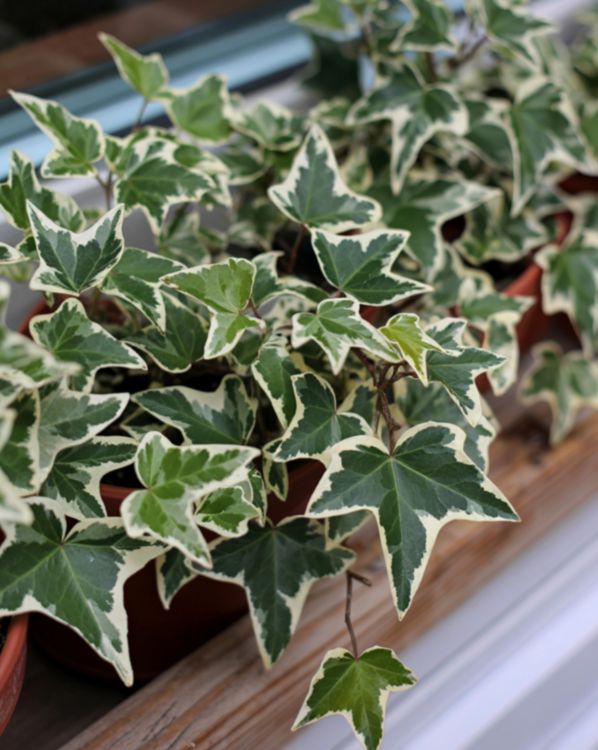
English ivy is one of the worst plants to pair with hostas because of its aggressive and invasive nature. While it may seem attractive with its glossy leaves and spreading vines, it quickly overwhelms the space around it.
Hostas, with their slower and more measured growth, cannot compete with the rapid spread of English ivy. The ivy creeps along the soil, climbs over hosta leaves, and eventually smothers them by blocking sunlight and reducing airflow.
The main issue with English ivy is how quickly it establishes dominance. Its vines root at multiple points along the ground, which makes it nearly impossible for hostas to hold their space.
As the ivy spreads, it steals water and nutrients from the soil that hostas need to produce their lush foliage. The shallow but dense root network of ivy creates a barrier that deprives nearby plants of resources, leaving hostas weakened and unable to thrive.
English ivy also creates an environment that encourages pests and disease. By forming dense mats of growth, it traps moisture and limits circulation, which makes hosta leaves more vulnerable to fungal infections and rot.
Insects such as slugs and snails find shelter in ivy’s thick cover, and these pests are already among the most damaging enemies of hostas. This combination makes ivy not only a competitor but also a source of added stress.
Another reason English ivy is problematic is the difficulty of removing it once it is established. Unlike other plants that may simply crowd hostas, ivy continues to spread relentlessly, requiring constant pruning and even uprooting.
Even then, small pieces of vine left behind can regrow and start the cycle again. This constant battle leaves little chance for hostas to thrive in the same bed.
While English ivy may have its place in certain landscapes, it should never be planted near hostas. Its aggressive spread and overwhelming growth habits will always put hostas at risk.
Choosing companion plants that respect the space and needs of hostas ensures a garden that remains balanced, attractive, and easier to manage over time.
Bamboo
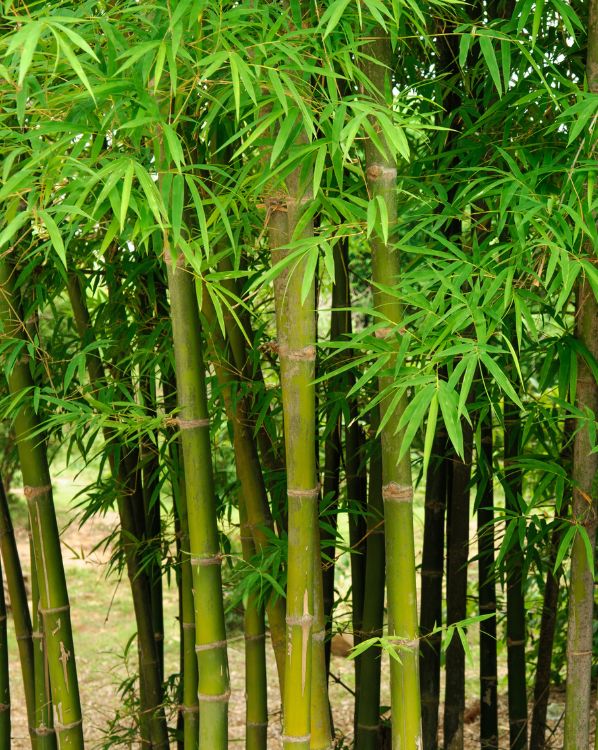
Bamboo may look exotic and appealing, but it is a terrible choice to grow near hostas. Known for its rapid and often uncontrollable spread, bamboo quickly takes over the space around it, leaving little room for slower-growing plants.
Hostas, with their compact and clumping growth, cannot compete against bamboo’s fast-spreading rhizomes. Once bamboo establishes itself, it invades the soil aggressively, creating a dense root system that makes survival nearly impossible for hostas.
One of the biggest problems with bamboo is its appetite for resources. It consumes substantial amounts of water and nutrients, which deprives hostas of the essentials they need to maintain healthy foliage.
Hostas thrive in moist, nutrient-rich soil, but bamboo drains the ground so quickly that hostas often end up stunted and discolored. Over time, the constant competition leaves hostas weaker, and they may eventually disappear entirely.
Bamboo also causes problems above ground. Its tall, towering canes cast heavy shade that blocks light from reaching nearby plants. While most hostas prefer shade, they do not thrive in the heavy shade of bamboo leaves.
The dense cover created by bamboo often eliminates gentle pockets of light, leaving hostas in near darkness. Without adequate light, hostas produce fewer and smaller leaves, losing the bold presence that makes them stand out in a shaded garden.
In addition to competing for light and nutrients, bamboo creates physical barriers that limit air circulation. Thick clusters of bamboo canes restrict the flow of air, creating damp, stagnant conditions where diseases can thrive. Hostas are already vulnerable to fungal infections in poorly ventilated spaces, so pairing them with bamboo increases the likelihood of rotting and decline.
Perhaps the most frustrating part of bamboo is its persistence. Once planted, it spreads underground and can be nearly impossible to remove completely.
Even small root fragments left in the soil can sprout new shoots, leading to an endless cycle of regrowth. This makes it one of the most difficult plants to control, and hostas will never stand a chance against its invasive nature.
For gardeners who value their hostas, bamboo should be avoided at all costs. The constant competition, invasive spread, and overwhelming dominance of bamboo ensure that hostas will struggle and eventually fade.
A better choice is to surround hostas with plants that share their needs and allow them space to flourish in peace.
Corn
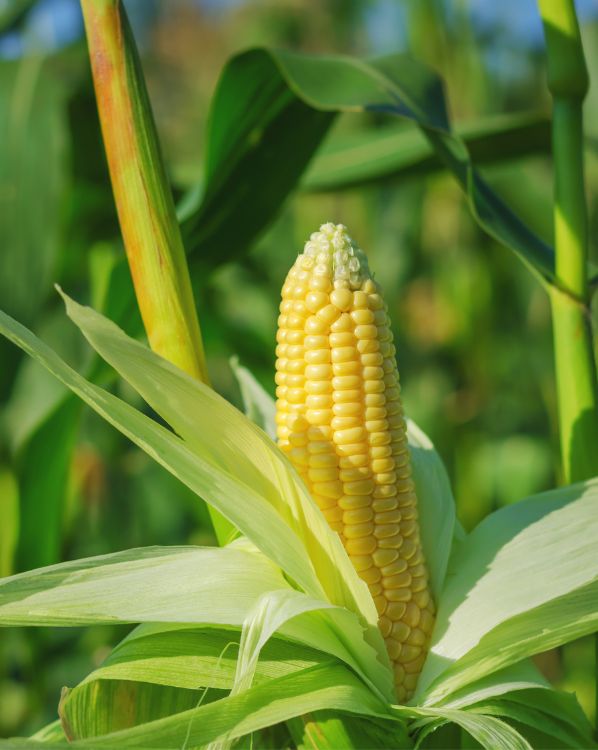
Corn may be a favorite in the vegetable garden, but it is not a suitable neighbor for hostas. The main problem lies in the vast difference between their growing requirements. Corn is a sun-loving plant that needs long hours of direct sunlight to produce strong stalks and full ears.
Hostas, on the other hand, are shade dwellers that thrive in cooler, sheltered environments. When planted near each other, the tall structure of corn creates problems that reduce the health and beauty of hostas.
The towering stalks of corn block sunlight in ways that are harmful to hostas. While hostas enjoy shade, they still require dappled or gentle light to fuel photosynthesis and develop lush, colorful leaves.
Corn does not provide this kind of balanced shade. Instead, it casts a dense shadow that leaves hostas with too little light to maintain their strength. In addition, when corn is planted nearby, its rapid upward growth often leaves hostas exposed to more heat earlier in the season before full shading occurs, creating inconsistency that stresses the plants.
Corn is also an extremely heavy feeder. It draws large amounts of nitrogen and other nutrients from the soil to support its rapid growth and heavy yields. Hostas also need nutrient-rich soil to maintain their dense foliage.
When planted together, corn quickly depletes the available nutrients, leaving hostas starved of the essentials required for vibrant growth. The result is smaller leaves, faded color, and plants that no longer display the bold presence gardeners expect from healthy hostas.
Moisture competition is another concern when combining these two plants. Corn requires significant water throughout the growing season, and its roots spread widely to absorb as much as possible. Hostas depend on consistent soil moisture as well, but they cannot compete against corn’s aggressive root system.
This competition often leaves hostas underwatered, especially in dry summers when water is already scarce.
The physical structure of corn also creates problems for airflow. Dense rows of tall stalks reduce circulation around the garden bed, which can trap humidity and raise the risk of fungal infections in hostas. Since hostas are already prone to rot in damp, stagnant conditions, planting them near corn makes disease even more likely.
For these reasons, corn should be kept away from hostas. Their growing needs clash in almost every way, and the aggressive nature of corn ensures that hostas will always be left struggling. Choosing shade-loving companions instead of sun-hungry crops like corn will keep hostas healthy, vibrant, and free to reach their full potential.
Roses
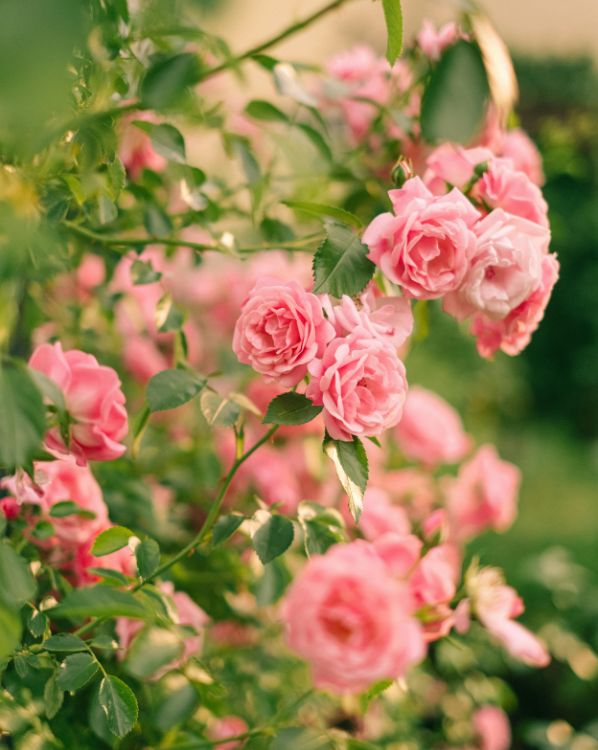
Roses are beloved for their timeless beauty and fragrant blooms, but they make poor companions for hostas.
While roses flourish in sunny, open spaces with good airflow, hostas thrive in the cool shelter of shade. Placing them together creates constant conflict, as their growing requirements are almost entirely opposite.
The biggest challenge with roses is their demand for full sunlight. Roses require at least six hours of direct light each day to produce healthy flowers. Hostas, however, prefer gentle, dappled shade that protects their broad leaves from scorching.
When grown together, one plant always suffers. Either the roses languish in too much shade, or the hostas scorch and lose their lushness in too much sun.
Another issue is the soil environment. Roses are heavy feeders that require frequent fertilization to sustain their vigorous growth and abundant blooms. This nutrient demand quickly depletes the soil, leaving hostas struggling to compete. Over time, hostas planted near roses may display faded foliage, reduced size, and fewer leaves as they fight for dwindling resources.
Moisture needs also differ sharply between the two. Roses prefer soil that drains well, while hostas thrive in consistently moist, rich ground. This contrast makes it difficult to create conditions that satisfy both plants in the same bed. If the soil is kept too dry for roses, hostas will wilt; if it is kept too moist for hostas, roses become prone to root rot and disease.
Roses also bring their own set of challenges in the form of pests and diseases. Aphids, black spot, and powdery mildew are common problems with roses, and when these issues arise, nearby hostas may also suffer from increased humidity and reduced airflow in the shared space. The presence of rose thorns can even make it difficult to care for hostas properly, leaving them neglected and more vulnerable.
While roses are stunning when given the conditions they love, they should not be paired with hostas. Their clashing requirements for sun, soil, and care ensure that at least one plant will decline.
To keep both plants at their best, it is far wiser to plant them in separate areas of the garden where each can shine without compromise.
Final Thoughts
Hostas are reliable and stunning plants that bring texture and beauty to shaded gardens, but they depend on thoughtful pairings to remain strong.
Sunflowers, English ivy, bamboo, corn, and roses each create serious challenges, whether through heavy nutrient competition, invasive spread, or conflicting light requirements. These plants may thrive in other spaces, but near hostas, they only cause decline.
The best approach to designing a hosta garden is to avoid neighbors that demand too much or overwhelm their gentle growth. Instead, pair hostas with plants that share their shade tolerance and complement their leafy presence.
By steering clear of poor companions, gardeners ensure that hostas retain their lush, vibrant look season after season.
With the right choices, a hosta bed becomes more than just a patch of greenery. It transforms into a serene and balanced corner of the garden where each plant supports the other, and no competition holds them back.