
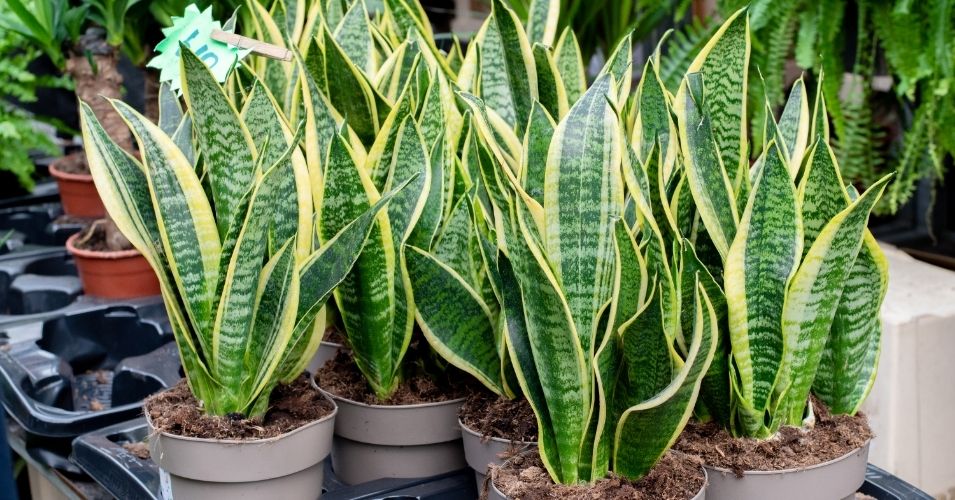
Snake plants are often admired for their strength and ability to thrive with minimal care, but fall is a season when their needs shift.
As the days shorten and temperatures cool, these hardy plants slow their growth and prepare for the quieter months ahead.
The way you treat your snake plant in fall can determine how well it manages winter and how quickly it rebounds with new growth in spring.
By paying attention to water, light, soil, and overall environment, you help your plant remain healthy and vibrant.
Adjust Watering for Cooler Weather
Snake plants are often praised for their toughness, and one of the reasons they survive so well is their ability to store water in their thick, upright leaves. However, this same feature makes them especially vulnerable to overwatering in fall and winter.
As the days grow cooler and shorter, their growth slows down, and their need for water decreases. Adjusting your watering routine to match this change is the most key step you can take to keep your snake plant healthy through fall.
During the warmer months, snake plants may need watering every two to three weeks, depending on how quickly the soil dries. In fall, though, the plant enters a period of rest. Its roots absorb moisture more slowly, and the soil stays damp for longer.
If you continue watering as often as you did in summer, the soil can become waterlogged, leading to root rot, which is one of the most common killers of snake plants.
The simplest way to avoid this is by checking the soil before you water. Insert your finger two inches into the potting mix. If the soil feels completely dry at that depth, it is safe to water.
If it is still moist, wait several more days before checking again. This routine ensures you only water when the plant truly needs it, which mimics the dry conditions snake plants naturally thrive in.
When you do water, pour slowly and evenly until water drains from the bottom of the pot. Make sure to empty the saucer beneath the plant, as snake plants should never sit in standing water.
It is better to give a deep soak less often than to water lightly more frequently. Deep watering encourages roots to grow stronger and prevents moisture from lingering near the surface.
Keep in mind that several factors influence how quickly soil dries in fall. Cooler indoor temperatures, reduced sunlight, and increased humidity from heaters or weather changes all play a role. By observing your plant and adjusting to its conditions, you create a routine that suits its slower pace.
Watering correctly in fall does more than prevent problems. It gives your snake plant the comfort it needs to rest safely through winter and ensures that it will burst back with healthy growth once spring returns.
Provide Light for Steady Growth
Light is another factor that changes with the seasons, and snake plants feel the difference just like we do. In summer, longer days and brighter sun make it easier for the plant to get the energy it needs.
As fall arrives, though, daylight hours shorten, and light intensity decreases, especially indoors. To keep your snake plant steady and strong, you may need to adjust how and where it receives light.
Snake plants are famously adaptable and can tolerate lower light levels better than many other houseplants. However, just because they can survive in dim corners does not mean they will thrive there, particularly in fall when sunlight is already limited.
Without enough light, the leaves may lose their rich green color, growth may stall completely, or the plant may begin to stretch toward whatever light is available, leading to weaker, less attractive growth.
The best solution is to place your snake plant in a spot with bright, indirect sunlight. East or south facing windows are often ideal, as they provide a balance of morning or afternoon light without too much harsh direct sun. If your windows are smaller or shaded in fall, consider moving the plant closer to the light source to give it a boost.
Artificial lighting can also help. A simple grow light used for a few hours each day can make a substantial difference for snake plants during darker months. These lights mimic the spectrum of sunlight, providing the energy the plant needs for photosynthesis even when natural light is scarce.
Rotating the plant every couple of weeks is another small but effective trick. Snake plants grow toward the light and turning them ensures all sides receive equal exposure. This keeps the plant upright, balanced, and evenly shaped.
Remember that too much direct sunlight is not ideal either. The lower angle of the fall sun may shine more directly into your windows, and prolonged exposure can scorch the leaves. If this happens, move the plant a few feet back or filter the light with a sheer curtain.
By paying attention to light in fall, you help your snake plant continue a slow but steady rhythm of growth. It may not produce new leaves as quickly, but with adequate energy, it will stay strong, vibrant, and ready to flourish again when spring brings back the sun.
Refresh Soil and Check the Pot
Snake plants are hardy, but their long-term health depends heavily on the quality of their soil and the condition of their pot. Fall is an excellent time to pay attention to both since the plant slows down its growth and can settle comfortably before winter.
Refreshing the soil and checking the pot ensures that your snake plant has the right foundation to remain strong through the colder months and beyond.
Soil quality often declines over time. Minerals from tap water, fertilizer salts, and decomposing organic material can build up in the potting mix, making it less effective at draining water and delivering nutrients.
In fall, after a busy growing season, these problems can become more noticeable. If you notice that water sits on the surface too long, or if the soil feels compacted and heavy, it is time for a refresh.
Refreshing does not always mean completely repotting the plant. For many snake plants, replacing the top two inches of soil with fresh potting mix is enough to add nutrients and improve texture.
Use a mix designed for succulents or cacti, since these blends drain quickly while still holding a little moisture. A combination of potting soil, sand, and perlite works particularly well for snake plants.
If your plant is root bound, meaning roots circle the pot tightly and push against the sides, a full repot may be needed. Choose a container that is only one to two inches larger in diameter than the current one. Snake plants prefer to be slightly snug in their pots, and too much extra space can hold water that the roots do not use quickly.
When repotting, carefully loosen the root ball and remove any mushy or rotten roots. Place the plant in the new pot at the same depth as before, fill with fresh soil, and water lightly to help settle the roots. Always make sure the pot has drainage holes. Without them, excess water can pool at the bottom and cause root rot.
Checking the pot itself is just as important as refreshing the soil. Cracks, blocked drainage holes, or salt deposits along the sides may signal it is time for a replacement.
By ensuring both soil and container are in top condition, you give your snake plant the stable base it needs to rest through fall and prepare for healthy growth in spring.
Guard Snake Plants from Drafts and Cold Air
Snake plants are native to warm, dry regions, which means they dislike sudden temperature drops and chilly air. As fall settles in, indoor environments often change. Windows open less, heaters switch on, and cold drafts sneak in through cracks and doorways.
Snake plants may look tough, but exposure to cold air can cause their leaves to yellow, droop, or even develop mushy spots. Guarding your plant against these conditions is essential for its survival during the cooler months.
The first step is choosing the right location. Keep snake plants away from windows that are opened often on chilly days, and do not place them near doors that let in gusts of chilly air.
Even a short blast of cold can harm the foliage, especially if temperatures drop below 50 degrees Fahrenheit. Similarly, avoid spots directly in front of heaters or vents, where hot, dry air can damage leaves and soil moisture.
Ideal placement in fall is in a room with steady temperatures between 60- and 75-degrees Fahrenheit. This range keeps the plant comfortable and prevents stress. If your windowsills get cold at night, move the plant a few feet away from the glass. Curtains or blinds can also help block drafts from reaching the plant.
Humidity plays a role as well. Snake plants tolerate dry air better than many houseplants, but very low humidity from heating systems can still stress them. Placing a tray of water and pebbles nearby or running a small humidifier can restore balance without making the air too damp.
Be alert for signs that your plant is reacting to drafts or cold. Soft, mushy leaves may mean the plant was exposed to freezing air, while curled leaves can signal it is struggling with sudden temperature shifts. Relocate the plant immediately if you notice these changes.
By guarding snake plants from drafts and cold air, you provide the steady environment they need to rest through fall. Protecting them from sudden chills ensures their leaves remain firm and upright, allowing the plant to remain healthy until it is ready to grow vigorously again in spring.
Divide and Repot for Long Term Health
Snake plants are naturally slow growers, but over time they can become crowded in their pots. Their underground rhizomes spread outward, producing new shoots that eventually compete for space and resources.
When this happens, the plant may become root bound, its leaves may lean outward, and growth may noticeably slow. Fall is a suitable time to divide and repot your snake plant, as the cooler season allows it to recover gently before winter dormancy.
Division begins with carefully removing the plant from its pot. This process can be tricky since snake plants often form dense root systems.
Start by gently loosening the soil around the edges and sliding the root ball out. Once free, examine the roots and rhizomes. Healthy roots will be firm and white, while any brown or mushy sections should be trimmed away with clean scissors.
Next, look for natural points where the plant can be divided. Snake plants usually form clusters of leaves connected by rhizomes. Each cluster with its own root system can be separated into an individual plant. Use a sharp knife or garden shears to make clean cuts, ensuring each division has several leaves and healthy roots attached.
Prepare new pots with fresh, well draining soil. A mix of potting soil, sand, and perlite is ideal, as it prevents water from sitting around the roots.
Choose containers with drainage holes and only slightly larger than the divisions, since snake plants prefer snug pots. Place each division into its new pot at the same depth as before, fill with soil, and press gently around the base to secure the roots.
After repotting, water sparingly to help the roots settle, then allow the soil to dry out before watering again. Avoid fertilizing immediately, as fresh soil already provides nutrients and the plant needs time to adjust. Position the divisions in bright, indirect light and keep them away from cold drafts while they settle in.
Dividing and repotting not only rejuvenates older plants but also gives you new snake plants to enjoy or share. This straightforward process encourages healthier growth, prevents overcrowding, and ensures your plants remain vibrant for many years to come.
Final Thoughts
Caring for snake plants in fall is about balance and preparation. By adjusting watering, giving proper light, refreshing soil, protecting from drafts, and dividing when needed, you help the plant settle into a steady rhythm.
These steps may seem small, but together they create the foundation for long-term health.
A snake plant that is cared for in fall will not just survive the colder months but emerge ready for fresh growth in spring.
With thoughtful care, your snake plant will remain a dependable and striking feature in your home year after year.